The State of the Web: CSS Evolution, UX Paradigms, and the Pulse of the Industry
The web development ecosystem is currently undergoing one of its most rapid periods of transformation in recent memory. From the introduction of powerful new native CSS primitives to a fundamental rethinking of how we handle modal interactions, the barrier between what we can achieve with pure CSS and what previously required heavy JavaScript is thinning. As we look at the current landscape—captured in the latest "What’s !important" roundup—it is clear that the focus has shifted toward developer ergonomics, standardized behavior, and the consolidation of layout engines.
Main Facts: The New Frontier of CSS
The core of this month’s industry activity revolves around the formalization of CSS functions and the introduction of more expressive color manipulation.
The Rise of @function
Perhaps the most significant development is the impending "Baseline" status of the @function at-rule. Previously, CSS developers were limited to pre-defined browser functions. With @function, authors can define their own custom logic directly within their stylesheets. This is not merely a syntactic convenience; it represents a paradigm shift. By allowing for repeatable, parameterized logic, CSS is moving closer to a programming language capable of handling complex design systems without the overhead of heavy-duty preprocessors or runtime JavaScript.
The alpha() Utility
Complementing the programmatic power of @function is the introduction of the alpha() function. As highlighted by Adam Argyle, this feature addresses a long-standing pain point: the verbosity of relative color syntax. By enabling developers to manipulate the alpha channel of a color variable without needing to explicitly redeclare its color space (like oklch or srgb), we are seeing a move toward cleaner, more maintainable codebases. It solves the "monotony problem" of storing color values in variables, allowing for dynamic opacity adjustments on the fly.
Chronology of Recent Advancements
The past few weeks have seen a rapid succession of releases and community events that have set the tone for the remainder of 2026:
- June 3, 2026: Una Kravets brings attention to critical quality-of-life (QoL) improvements for the
<dialog>element, focusing on theclosedbyattribute andoverscroll-behavior. - June 11–12, 2026: CSS Day 2026 takes place in Amsterdam. The conference serves as the industry’s primary touchpoint for discussing the future of the web platform, with experts dissecting the latest browser engine implementations.
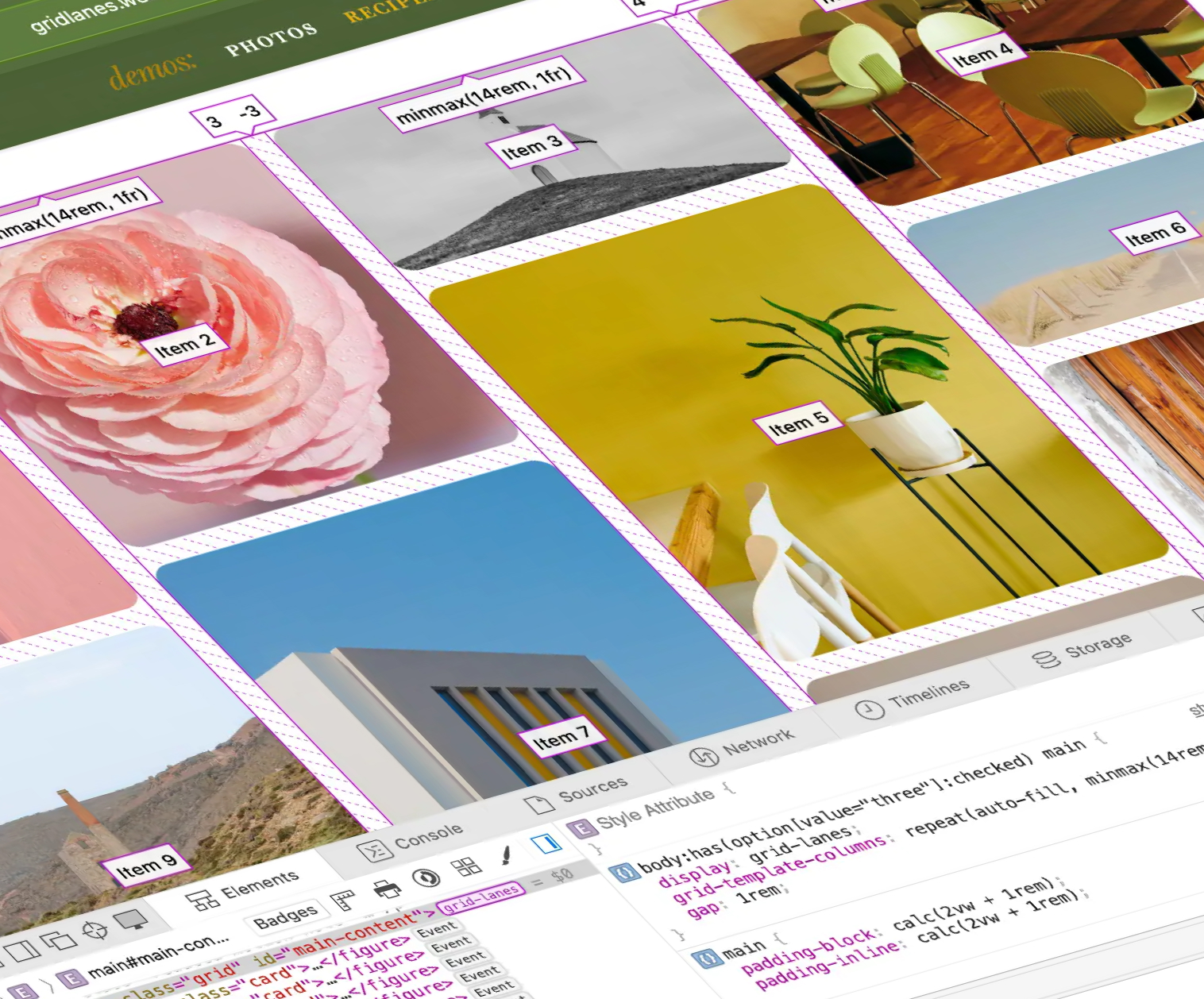
- Mid-June 2026: WebKit publishes the "Field Guide to Grid Lanes," formalizing the documentation for what was formerly discussed as CSS Masonry layout.
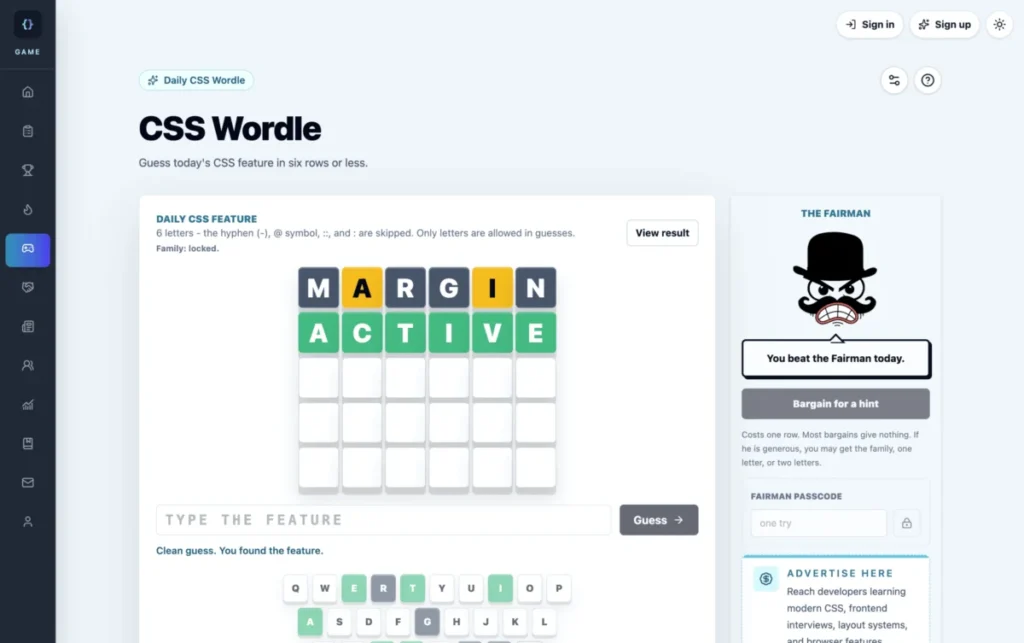
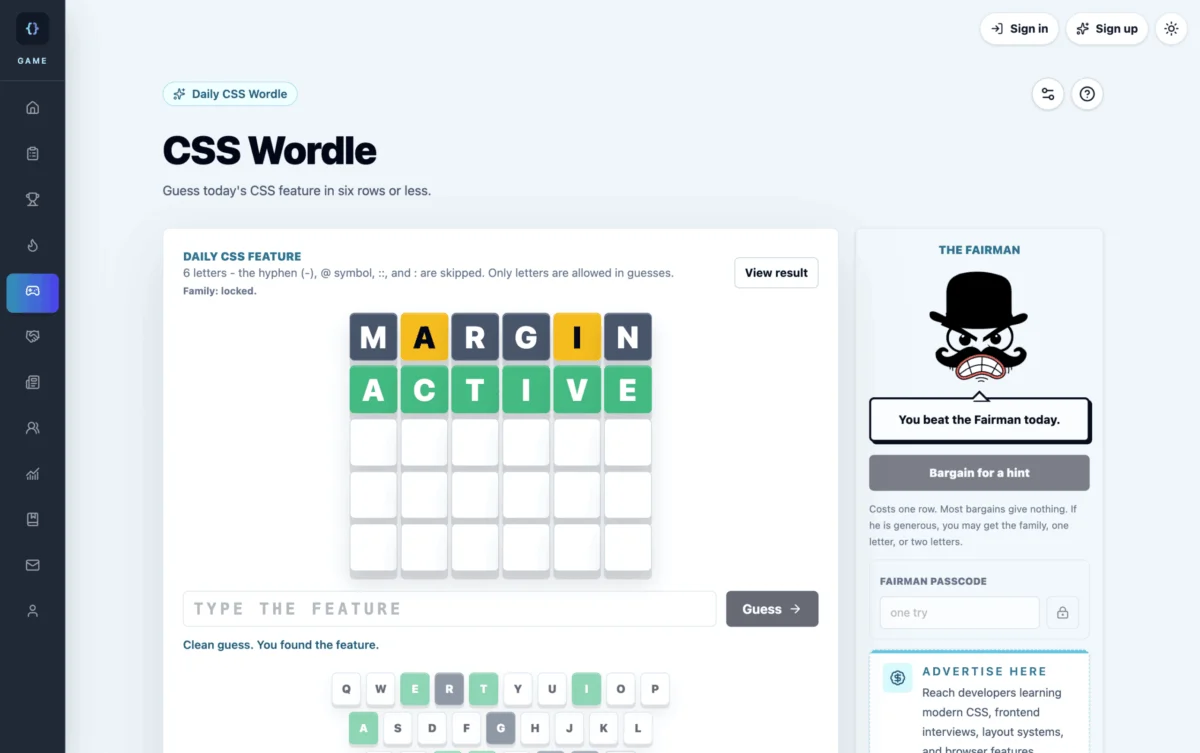
- Ongoing: The rise of community-driven educational tools, such as the CSS Wordle, highlights a shift toward interactive, gamified learning for complex CSS properties.
Supporting Data: Enhancing UX and Developer Ergonomics
The Grid Lanes Initiative
WebKit’s launch of the "Field Guide to Grid Lanes" is a significant milestone for designers and developers who have long sought a native, performant way to handle masonry-style layouts. By providing a clear, interactive guide, WebKit is helping to standardize how grid lanes are implemented across different browser engines. This documentation is essential for reducing the fragmentation that often plagues new CSS features, ensuring that when developers use these layout tools, they can expect consistent results.
Refining the <dialog> Element
The <dialog> element has been a boon for accessibility, but it has historically been difficult to manage in production. The introduction of the closedby attribute is a direct response to developer feedback regarding "light dismiss" behavior. When combined with overscroll-behavior: contain and scrollbar-gutter: stable, the result is a smoother, more predictable user experience. These small, granular updates prevent the "layout shift" issues—where content jumps when a modal opens—that have frustrated UI designers for years.
Official Responses and Expert Commentary
Jane Ori on CSS Functions
Jane Ori’s recent walkthrough on Frontend Masters has been widely praised for its "baby-step" approach to the intimidating @function spec. Her work serves as the industry standard for onboarding developers into the new syntax. By treating @function as an evolution of existing CSS rather than a complete overhaul, she has successfully lowered the barrier to entry for developers who are wary of adding complexity to their stylesheets.

The Philosophy of Color
The transition toward alpha() is not just a technical change; it is a philosophical one. The consensus among lead maintainers is that color formats should be decoupled from their usage. By allowing alpha(from var(--color) / 0.5), the CSS specification acknowledges that the developer’s intent (to fade a color) is more important than the format (whether that color is defined in hex, HSL, or OKLCH). This move toward "intent-based" CSS is a trend that is expected to continue throughout the year.
Implications: The Future of Web Development
Reducing JavaScript Dependency
The most profound implication of these updates is the ongoing displacement of JavaScript. Five years ago, creating a robust, accessible modal with proper animation and scroll-locking required a significant library. Today, thanks to <dialog>, display: allow-discrete (for entry/exit animations), and @starting-style, this can be achieved with a handful of native CSS lines. The implication for performance is clear: as we shift logic from the main thread (JS) to the rendering engine (CSS), we improve the core web vitals of our applications.
Community and Education
The success of events like CSS Day 2026 and community projects like the CSS Wordle demonstrates that the web development community is maturing. We are moving past the "Framework Wars" and back toward a focus on platform fundamentals. When developers take the time to build and share tools that explain complex topics—like the mechanics of grid lanes or the nuances of animation triggers—the entire industry benefits.
The Road Ahead
As we look forward to the remainder of 2026, the focus will likely shift from introducing new features to refining the developer experience. The "Baseline" effort—a collaboration between major browser vendors to ensure features are cross-compatible—will be the defining factor in whether these new tools are adopted widely or left to rot in experimental branches.

For the individual developer, the message is clear: stay curious. The pace of change is accelerating, but it is moving in a direction that rewards those who understand the underlying mechanics of the browser. Whether it is mastering the new @function at-rule or finally understanding how to prevent layout shifts with scrollbar-gutter, the tools at our disposal are more powerful than ever. As we continue to refine our workflows, we should remember that the web is a living platform; it requires constant attention, regular education, and a willingness to abandon the "old ways" of doing things in favor of more efficient, native solutions.
In conclusion, the current state of CSS is one of empowerment. We are no longer just styling documents; we are building robust, interactive, and highly performant applications using the very language that was once meant only for typography. The tools discussed here—alpha(), Grid Lanes, and the evolving <dialog> element—are the building blocks of the next generation of the web.