The Future of Syntax Highlighting: How MicroLighter is Redefining Web Performance
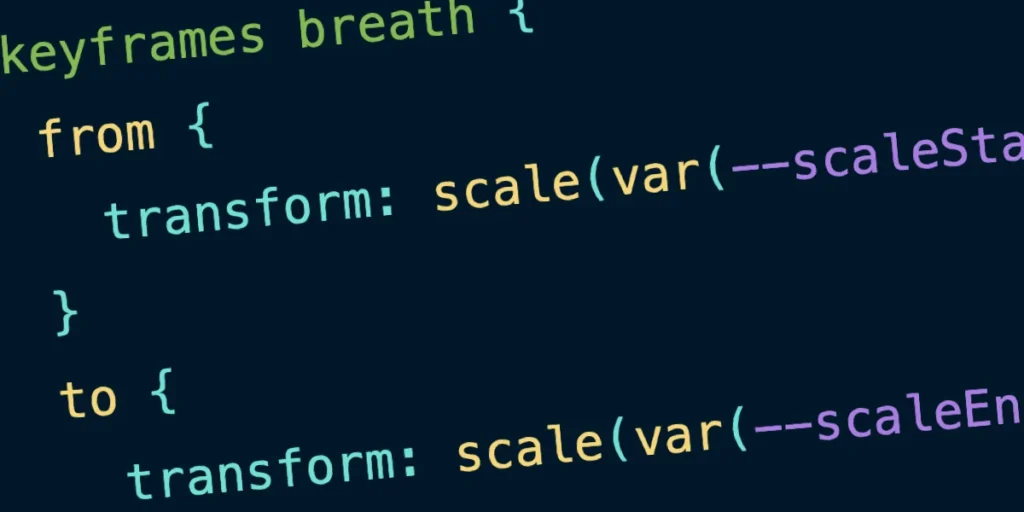
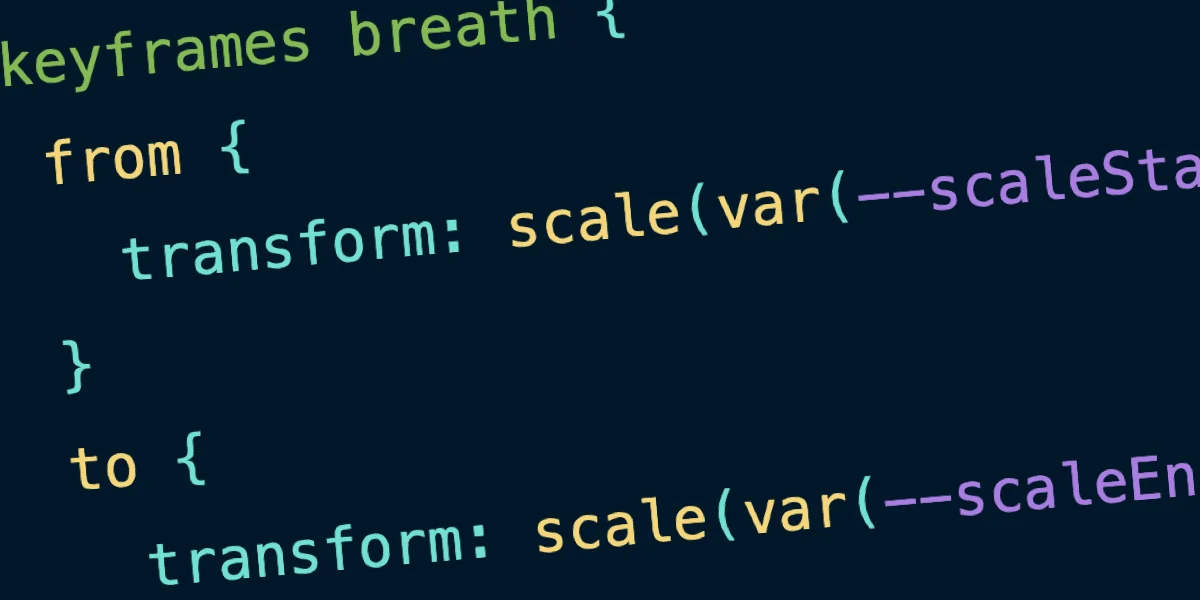
In the ever-evolving landscape of web development, the tools we use to present code are as critical as the code itself. For years, developers have relied on heavy, JavaScript-dependent libraries to provide syntax highlighting. However, a shift is underway. Dave Rupert, the lead developer behind the project, has introduced MicroLighter, a revolutionary approach to code syntax highlighting that prioritizes modern CSS standards, modularity, and lightweight performance over the bloated dependencies of the past.
By leveraging the power of the CSS Custom Highlight API—a feature that reached Baseline status this year—MicroLighter proves that we can achieve rich, semantic, and highly performant code displays without the technical debt that has historically plagued web performance metrics.
Main Facts: A Paradigm Shift in Code Presentation
The core philosophy of MicroLighter is simplicity. Traditional syntax highlighters, such as the industry-standard Prism.js, often require massive JavaScript bundles to parse, tokenize, and wrap code in countless <span> tags. This process is not only resource-intensive but can also complicate the underlying DOM structure of a page.
MicroLighter flips the script. Instead of heavy JS manipulation, it leans into the native capabilities of modern browsers. By utilizing the ::highlight() pseudo-element, MicroLighter allows developers to apply styles to ranges of text dynamically, keeping the source markup clean and semantic.
Key Features of MicroLighter:
- Minimal JavaScript: It reduces the reliance on heavy client-side processing.
- CSS-Native: It uses the CSS Custom Highlight API for high-performance rendering.
- Modern Compatibility: Built-in support for
light-dark()and custom properties, making theme management easier than ever. - Modular Architecture: Developers can pick and choose specific components, such as line numbers, language support, or web components, in an "à la carte" fashion.
- Semantic Markup: It preserves the integrity of your HTML, ensuring that your code blocks remain accessible and readable.
Chronology: From Prism to MicroLighter
The evolution of code highlighting on the web has been a long journey of balancing aesthetics with performance.
The Legacy Era
For many years, CSS-Tricks and similar technical publications relied on custom WordPress blocks integrated with Prism.js. Prism served the community well; it was robust, battle-tested, and supported an extensive array of programming languages. However, as web performance budgets became tighter and Core Web Vitals became a ranking factor, the "weight" of these libraries began to show its age.
The Innovation Phase
Recognizing that the web platform was maturing, Dave Rupert began experimenting with the CSS Custom Highlight API. The goal was to build a tool that didn’t just mirror existing functionality but improved upon the architecture itself. Throughout 2024 and 2025, the development of MicroLighter focused on portability—ensuring that it could be integrated into existing CMS ecosystems like WordPress without requiring a complete rewrite of content workflows.
The Implementation
By August 31, 2026, the migration was complete. The team transitioned from the legacy Prism-based system to the new MicroLighter engine. This transition was not merely a cosmetic update; it was a fundamental change in how the site handles technical content, signaling a broader industry trend toward native browser features.
Supporting Data: The Case for Performance
Performance is rarely an abstract concept in web development; it is a measurable metric. When transitioning from a legacy library like Prism to MicroLighter, the weight savings are undeniable.
According to internal benchmarks conducted during the migration:
- Prism.js: 35 KB raw (9.3 KB gzipped).
- MicroLighter: 13.9 KB raw (5.2 KB gzipped).
While these numbers may seem small in isolation, they represent a nearly 50% reduction in gzipped payload. For a site that features thousands of code-heavy tutorials, this reduction directly contributes to faster "Time to Interactive" (TTI) and reduced total blocking time.
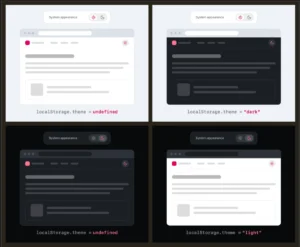
Furthermore, because MicroLighter leverages modern CSS, the "theme" of the code is no longer tied to heavy external stylesheets. By using custom properties (CSS variables) like --syntax-background and --syntax-keyword, developers can easily implement system-level dark mode support using the light-dark() function, ensuring the code looks native to the user’s operating system preferences without extra script overhead.
Official Responses and Developer Sentiment
The reception within the development community has been overwhelmingly positive. Early adopters have praised the modular nature of the tool, noting that it solves the "all or nothing" problem associated with previous generation highlighters.
"It’s not that there isn’t any JavaScript involved," noted Dave Rupert. "It’s that less of it is needed. It leans so hard into modern CSS that it brings things like light-dark() support and custom properties along for the ride."
Other developers have drawn comparisons to innovative web font projects that embed syntax highlighting directly into the typography itself. This indicates a growing appetite for "zero-dependency" solutions. By moving away from complex markup (like thousands of nested spans) toward a cleaner, more semantic DOM structure, MicroLighter is being hailed as a "best practice" implementation for modern web publications.
Implications: The Future of Technical Documentation
The success of MicroLighter carries significant implications for the future of technical documentation and developer blogging.
1. The Death of Bloat
The "everything-but-the-kitchen-sink" approach to JavaScript libraries is fading. As browser support for features like ::highlight() becomes ubiquitous, the necessity for massive third-party dependencies will continue to decline. This is a win for both developers and users, as it leads to more performant and sustainable web pages.
2. Standardized Themes
With the adoption of CSS custom properties for syntax highlighting, we are likely to see a standardization of themes. Instead of each library having its own proprietary theme file, developers can create "themes" as simple CSS snippets. This creates a more interoperable web where developers can share, fork, and iterate on visual styles without being locked into a specific library’s ecosystem.
3. Accessibility and Semantics
One of the most overlooked aspects of syntax highlighting is accessibility. When code is wrapped in a "soup" of thousands of non-semantic spans, it can become difficult for screen readers to navigate. By using native browser highlighting, MicroLighter potentially offers a cleaner path for accessibility, as the underlying code remains a more coherent text block for assistive technologies.
4. Integration into CMS Ecosystems
The ability to port MicroLighter into WordPress, as demonstrated by the CSS-Tricks migration, provides a blueprint for other publishers. We expect to see a surge in "native-first" plugins for major CMS platforms that prioritize browser-native features over legacy JavaScript libraries.
Conclusion
MicroLighter is more than just a tool for coloring text; it is a statement about how we should build for the modern web. By stripping away the bloat and embracing the capabilities of the browser, Dave Rupert and the contributors behind MicroLighter have provided a roadmap for a faster, cleaner, and more efficient internet.
As the web continues to mature, the transition from heavy, library-dependent architecture to lightweight, native-centric design will define the next decade of web development. Whether you are a solo blogger or managing a large-scale technical publication, the lessons offered by MicroLighter are clear: look to the platform first, and the library second. The future of code highlighting is not just brighter—it’s lighter.