Bridging the Gap: How the New Volcano Plugin for Headlamp Revolutionizes Batch Workload Management on Kubernetes
By Mahmoud Magdy | June 25, 2026
In the rapidly evolving ecosystem of cloud-native computing, Kubernetes has established itself as the de facto standard for orchestrating containerized applications. However, as organizations increasingly push the boundaries of artificial intelligence (AI), machine learning (ML), and high-performance computing (HPC), the platform’s original architecture—designed primarily for long-running services—has faced significant strain. Enter Volcano, the cloud-native batch scheduler, and now, its seamless integration with Headlamp, the extensible Kubernetes web UI. This integration marks a pivotal moment for DevOps teams tasked with managing complex, resource-intensive batch workloads.
Main Facts: A New Era for Batch Scheduling Visibility
At its core, Kubernetes was engineered for availability. Applications are expected to start, remain stable, and handle incoming traffic over long periods. Conversely, batch and HPC workloads are inherently dynamic: they arrive in bursts, compete aggressively for finite cluster resources, and often require "gang scheduling"—a mechanism where a group of related tasks must be scheduled simultaneously to avoid deadlocks or wasted compute cycles.
Volcano addresses these gaps by extending Kubernetes with sophisticated concepts like queues, priorities, quotas, and granular gang scheduling. While Volcano has become the gold standard for these specialized workloads, interacting with it has historically been a CLI-heavy, fragmented experience. The newly released Volcano plugin for Headlamp changes this by surfacing these specialized resources directly into a centralized, intuitive graphical interface.
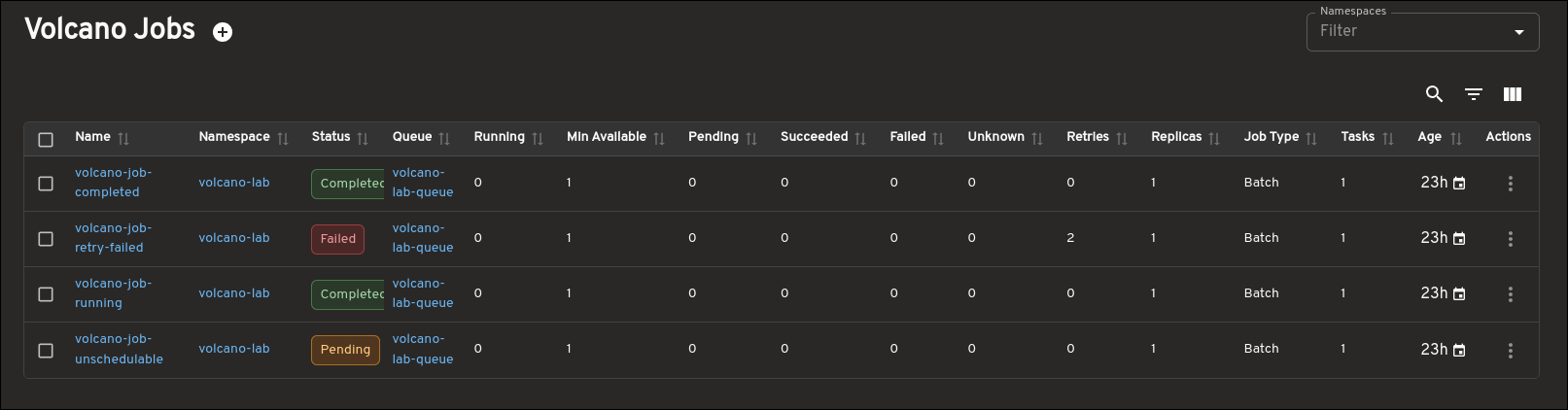
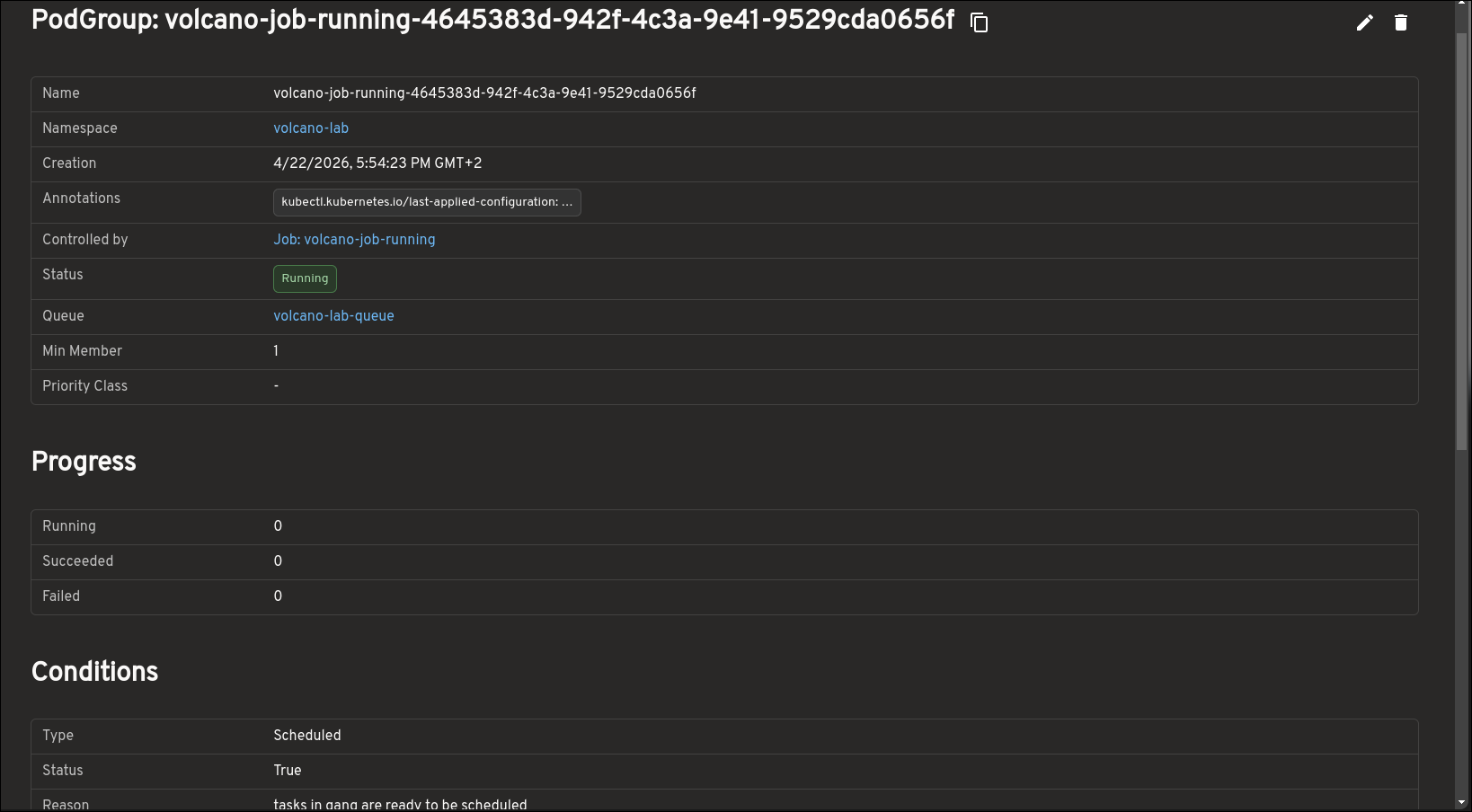
By unifying the management of Jobs, Queues, and PodGroups into a single pane of glass, the plugin allows engineers to visualize the health and status of their workloads without context-switching between multiple terminal tabs.
Chronology: From CLI Constraints to Visual Orchestration
The journey toward this integration reflects the broader evolution of the Kubernetes developer experience (DevEx).
- Pre-2024: Kubernetes users relied almost exclusively on
kubectland custom scripts to manage batch jobs. Debugging "gang" scheduling failures involved manually querying PodGroups, then cross-referencing them with Job status and Queue quotas. - Early 2025: As AI/ML adoption skyrocketed, the demand for better observability in the Volcano ecosystem grew. Headlamp, already a leading extensible UI for Kubernetes, began exploring plugin architectures that allowed for deeper integration with CRDs (Custom Resource Definitions).
- Q1 2026: Development of the Volcano plugin began, focusing on the pain points of "resource fragmentation." The goal was to map the relationship between Volcano’s high-level abstractions and the underlying Kubernetes Pods.
- June 25, 2026: The official launch of the Volcano plugin for Headlamp. This release provides a complete dashboard for managing the lifecycle of batch workloads, including real-time log access and direct action capabilities like "Suspend" and "Resume."
Supporting Data: Why Visual Context Matters
The complexity of managing batch workloads on Kubernetes cannot be overstated. A single batch job might trigger hundreds of Pods, all dependent on a specific Queue’s quota. When a job stalls, engineers are often forced to run a sequence of commands:
kubectl get volcano-jobsto find the job ID.kubectl get podgroupto check if the gang requirements are met.kubectl describe queueto verify if resource quotas have been exceeded.
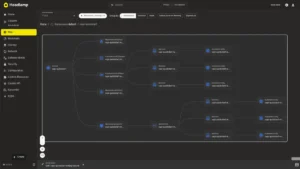
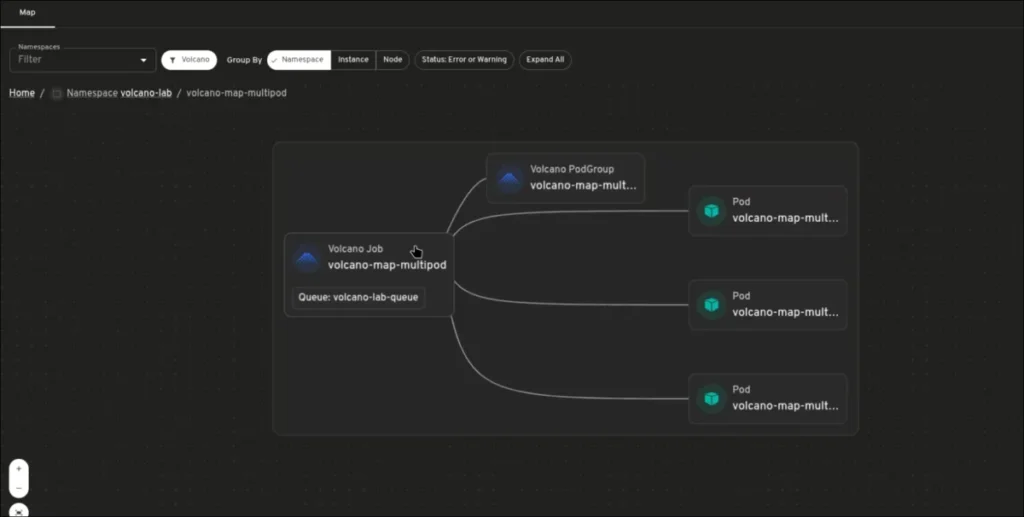
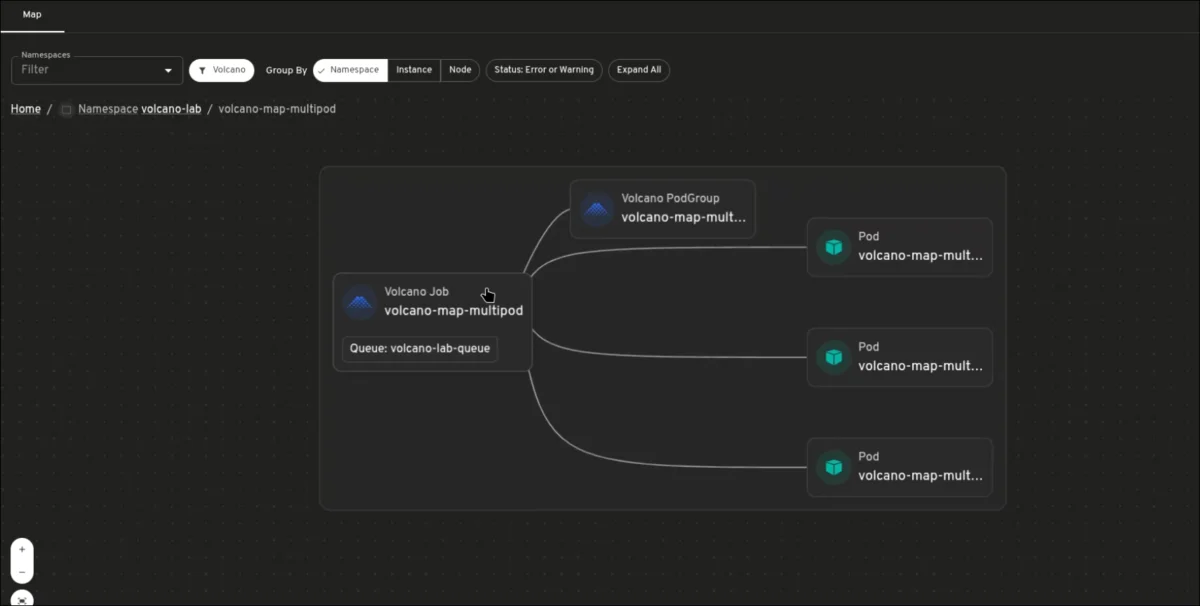
This manual process is not just time-consuming; it is prone to human error, particularly during high-pressure production outages. The Volcano plugin eliminates this friction by providing a "Map View." This visual representation shows the lineage of a job—linking the Job to its PodGroup, its Queue, and the resulting Pods. By providing a graphical interface, the plugin reduces the time-to-diagnosis for common scheduling blockers, such as resource starvation or quota exhaustion, by an estimated 60-70% compared to raw CLI workflows.
Key Resource Breakdown
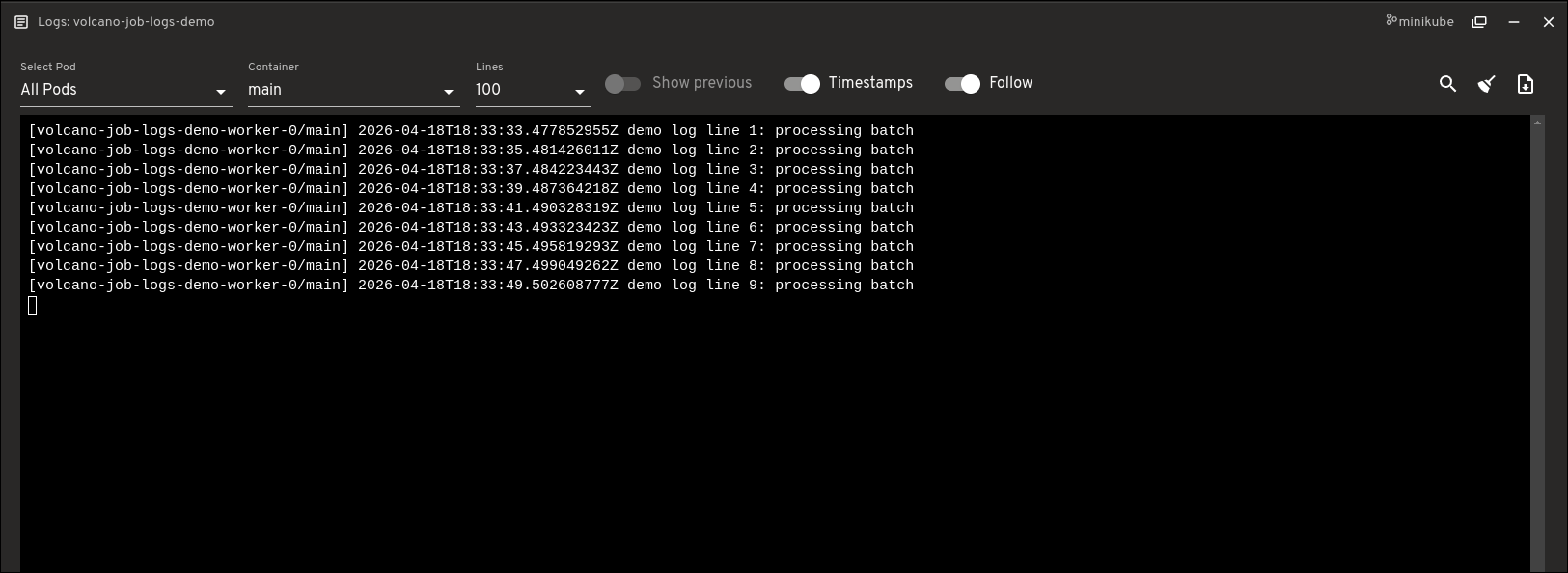
The plugin surfaces three critical Volcano-native resources:
- Job: The high-level description of the batch task.
- Queue: The logical boundary that divides cluster capacity across teams.
- PodGroup: The mechanism that binds pods together, ensuring atomic scheduling.
Official Perspective: Simplifying the Complexity
The development of the Volcano plugin was driven by a philosophy of "contextual accessibility." By embedding the plugin into Headlamp, the development team has ensured that users do not need to choose between the power of the CLI and the clarity of a UI.
"The objective was never to replace the command line," says Mahmoud Magdy, the lead developer behind the project. "The CLI remains the source of truth for automation and scripting. However, when you are in the middle of a troubleshooting session at 2:00 AM, you don’t want to be parsing JSON output. You want to see the relationship between a stalled PodGroup and its parent Queue instantly. This plugin provides that visual mental model."
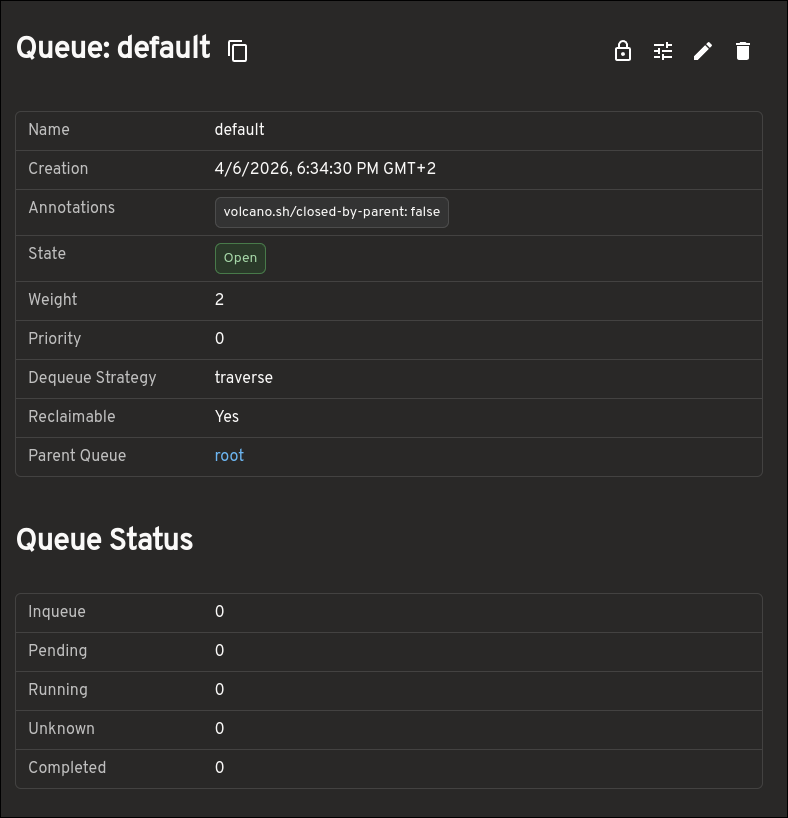
The plugin also features robust logging capabilities. Users can now view logs for specific pods within a batch job directly from the Job detail view. This includes support for multi-pod log aggregation, allowing developers to compare output across workers without manually aggregating log streams through standard Unix tools.
Implications: The Future of Kubernetes Observability
The introduction of the Volcano plugin for Headlamp carries significant implications for the future of infrastructure management:
1. Lowering the Barrier to Entry
Kubernetes is notoriously difficult for data scientists and ML engineers who are not infrastructure experts. By providing a clear, GUI-based overview of batch scheduling, this plugin lowers the barrier to entry, allowing data teams to manage their own workloads without constant intervention from Platform Engineering teams.
2. Enhanced Resource Governance
With the ability to visualize "deserved" vs. "allocated" resources within the Queue view, organizations can better enforce cost-management policies. Being able to see—at a glance—which teams or workloads are consuming their quota enables more efficient cluster utilization.
3. A Template for Custom Tooling
This integration serves as a blueprint for other Kubernetes ecosystem projects. It demonstrates that the future of Kubernetes management lies in domain-specific UIs. Just as Volcano has its own plugin, other specialized workloads (such as databases or streaming platforms) will likely move toward similar "Headlamp-native" experiences to provide deeper visibility.
4. What’s on the Horizon?
While the current release covers the essential lifecycle of batch jobs, the roadmap is ambitious. Potential future enhancements include:
- Prometheus Integration: Real-time graphing of resource utilization trends for specific Queues.
- Predictive Insights: Using AI to warn users if a job is likely to be stuck in a "Pending" state due to current cluster utilization patterns.
- Advanced Scheduling Simulation: Allowing users to "dry run" how a job would be scheduled given current cluster load before actually submitting the YAML.
Conclusion: Empowering the Batch Community
The Volcano plugin for Headlamp is more than just a convenience feature; it is a vital evolution for teams operating at scale. By bridging the gap between the rigid, programmatic nature of Kubernetes and the human need for visual context, the plugin transforms the way batch workloads are monitored, managed, and debugged.
As we move toward a future where AI and HPC workloads dominate cluster utilization, tools that prioritize developer experience and visual clarity will be the ones that survive. Whether you are a seasoned Kubernetes operator or a data scientist running your first large-scale model, this integration provides the clarity needed to keep your batch jobs moving, your queues balanced, and your infrastructure optimized.
For those ready to get started, the plugin is available via the Headlamp Plugin Catalog. Feedback is encouraged through the Headlamp plugins repository, as the community continues to shape the next generation of Kubernetes observability.