The End of an Era: Andy Nguyen Departs the PS5 Linux Scene Following Controversial Exploit Disclosure


In the high-stakes world of console modding and security research, few names carry as much weight as Andy Nguyen, known in the community as "theflow0." Earlier this year, Nguyen made headlines by successfully transforming the PlayStation 5 into a fully functional Linux-powered gaming PC, unlocking the potential for native Steam gaming and advanced emulation on Sony’s flagship hardware. However, in a sudden and dramatic turn of events, Nguyen has announced his immediate departure from the PlayStation 5 hacking scene, effectively shelving his ambitious plans to bring Linux support to the upcoming PlayStation 5 Pro.
This withdrawal marks a significant turning point for the open-source console development community, raising difficult questions about the ethics of bug disclosure, the role of artificial intelligence in vulnerability research, and the future of platform freedom.
The Chronology of a Breakdown
To understand the weight of this departure, one must look at the timeline of the project. Nguyen’s work had centered on bypassing the PS5’s robust hypervisor, a feat that had long been considered the "holy grail" for console hackers. By navigating vulnerabilities found in firmware versions 3.00 through 7.61, the PS5 Linux project had become a beacon for those looking to expand the utility of their hardware beyond Sony’s walled garden.
The catalyst for Nguyen’s exit was a specific, unpatched hypervisor vulnerability. According to Nguyen, he had been aware of this bug for some time and was actively working on it with the intention of securing a window of utility for the community. The plan was to hold the vulnerability—a practice known as responsible disclosure—until the release of Grand Theft Auto VI. Nguyen’s reasoning was altruistic from a consumer standpoint: he wanted to ensure that the community could enjoy the landmark title on official firmware before the inevitable software patch arrived to close the loophole.
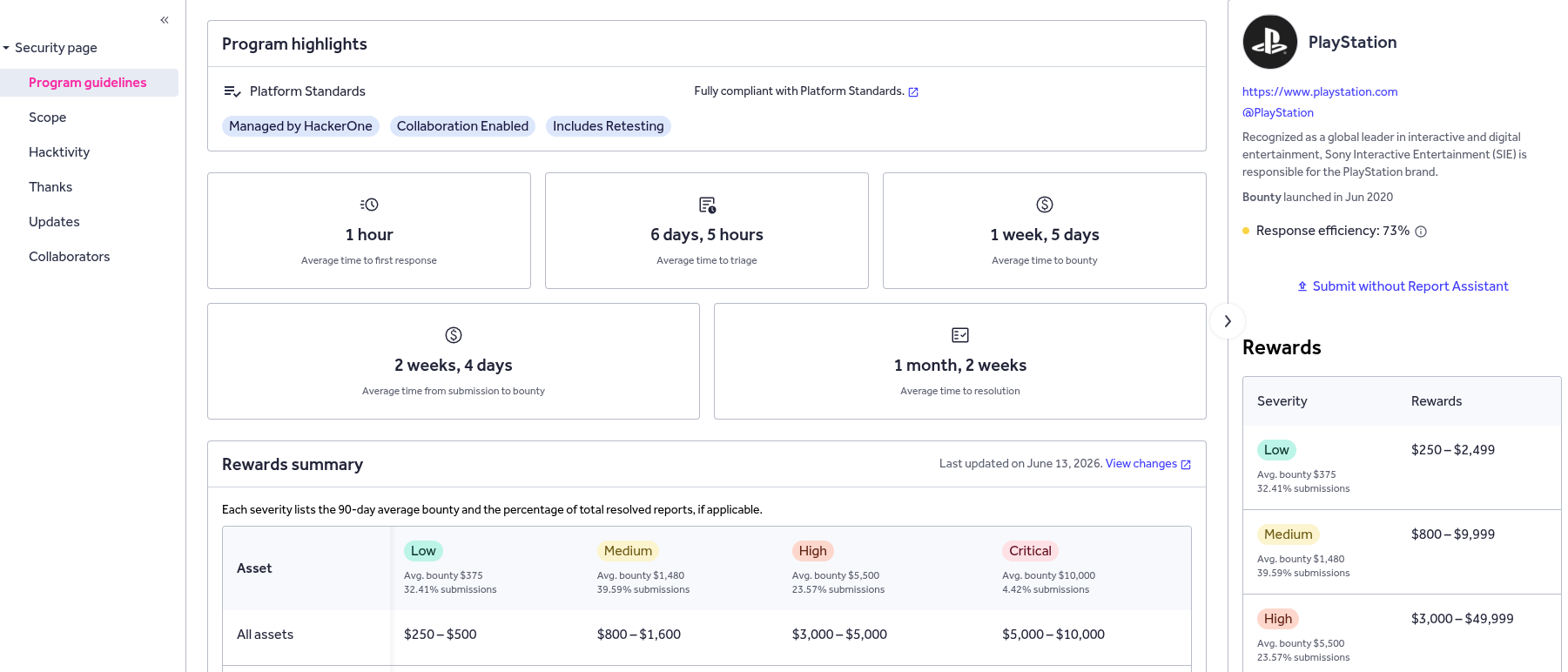
However, the delicate balance of this plan was shattered when the vulnerability was disclosed to Sony through its official HackerOne bug bounty program—less than 24 hours after the researchers involved had supposedly agreed to a moratorium on public reporting.

The Role of AI in Modern Vulnerability Discovery
The narrative of this incident is further complicated by the involvement of an independent researcher, Jordy, who claims to have discovered the same vulnerability independently. In a series of public statements, Jordy revealed that his discovery was facilitated by an AI-driven research tool, which he referred to as his "trusty AI clanker machine."
This development highlights a burgeoning trend in cybersecurity: the democratization of high-level exploit discovery through automation. Jordy’s account suggests that he had initially agreed to respect the request to delay disclosure. However, the situation shifted when a third, still-unnamed party surfaced, claiming to have identified the exact same exploit using similar AI methodologies. Fearing that the vulnerability would be leaked or weaponized by bad actors, or simply scooped by another researcher looking to claim the bounty, Jordy chose to report the flaw to Sony immediately.
For Nguyen, this was the final straw. Having poured months of effort into the project, including significant work toward native PS5 Pro support—which was slated for a 2027 release—the immediate patching of the hypervisor rendered his progress moot. In his resignation, Nguyen stated, "After pouring my heart and months of my life into it… it’s all down the sink."
Supporting Data and the Ecosystem
The PlayStation 5’s security architecture is widely considered one of the most resilient in the gaming industry. Sony has invested heavily in its HackerOne bug bounty program, incentivizing security professionals to report vulnerabilities rather than exploit them. This financial incentive creates an inherent conflict of interest between security researchers seeking professional recognition and payouts, and the modding community, which prioritizes long-term access and custom functionality.
The data supports the scale of the PS5 Linux project’s impact. The repository had become a central hub for developers, attracting contributors who sought to push the limits of the console’s Zen 2 architecture. With the loader currently supporting original and Slim models on specific firmware, the barrier to entry was high, yet the user base was growing. Nguyen’s departure is not merely the loss of a lead developer; it is the loss of a roadmap. The PS5 Pro, which represents a significant hardware iteration, now lacks a clear path to custom kernel support.

Official Responses and Ethical Tensions
The ethical dilemma presented here is one of the most contentious in the history of console hacking. On one side sits the argument for "Full Disclosure" and the necessity of reporting bugs to vendors to ensure general user safety and system stability. On the other side is the "Freedom of Hardware" argument, which asserts that users own their devices and should have the right to run software of their choosing.
Sony’s position remains firm: the hypervisor is the foundation of the console’s security model, protecting both the integrity of the platform and the digital storefront. The company treats any attempt to bypass this as a critical threat. The tension lies in the fact that researchers like Nguyen often see themselves as "white hat" hackers who are not interested in piracy, but rather in computing freedom.
Nguyen’s frustration stems from the lack of coordination within the research community. When AI tools can identify critical flaws in hours rather than months, the traditional, slow-moving consensus on "responsible disclosure" becomes difficult to maintain. The "race to the bottom"—where researchers rush to report bugs to claim bounties—is effectively shortening the lifespan of every jailbreak effort.
The Broader Implications for Open Source
Despite the gloom surrounding Nguyen’s departure, the situation serves as a testament to the resilience of open-source development. The PS5 Linux project’s GitHub repositories remain active and fully accessible. Nothing has been archived, and the community has expressed a renewed sense of urgency to pick up the mantle.
The "Fork" Opportunity
The departure of a key figurehead often forces a project to decentralize. While Nguyen was the primary architect of the PS5 Pro support, the underlying loaders for the base PS5 and Slim models remain robust. The community is now in a position where it must transition from a "hero-led" model to a truly collaborative one.
The AI Security Arms Race
This event also signals a new era for console security. As AI tools become more sophisticated, the speed at which exploits are found and subsequently patched by corporations will increase. This suggests that the "window of opportunity" for custom firmware and Linux ports on consoles will continue to shrink. Future projects will need to develop faster development cycles to keep pace with the automated patching processes now employed by companies like Sony.
The Future of Hardware Ownership
Ultimately, the incident underscores the precarious nature of hardware modding. Users who purchase consoles with the intent of running alternative operating systems are at the mercy of both corporate security updates and the internal politics of the hacking community. The PS5 Linux project will likely continue, but it will need to find a way to navigate the dual pressures of corporate security bounties and the rapid, AI-driven discovery of vulnerabilities.
Conclusion
The departure of Andy Nguyen from the PS5 scene is a profound loss for those who viewed the console as more than just a locked-down gaming machine. It serves as a reminder that the path of open-source development is rarely smooth, and that the intersection of technology, law, and ethics is a volatile space.
While the "flow" of progress may have been interrupted, the code remains. The PS5 Linux project is now a litmus test for the community: can it survive the loss of its lead developer, or will the tightening security of modern hardware—aided by the speed of AI discovery—eventually render such projects a relic of the past? For now, the community continues to analyze the existing repositories, hopeful that a new generation of developers will emerge to take up the challenge, ensuring that even if the original vision has "gone down the sink," the pursuit of computing freedom remains afloat.