The Titans of the Wrist: A Comprehensive Comparison of the Apple Watch Ultra 4 and Samsung Galaxy Watch Ultra 2
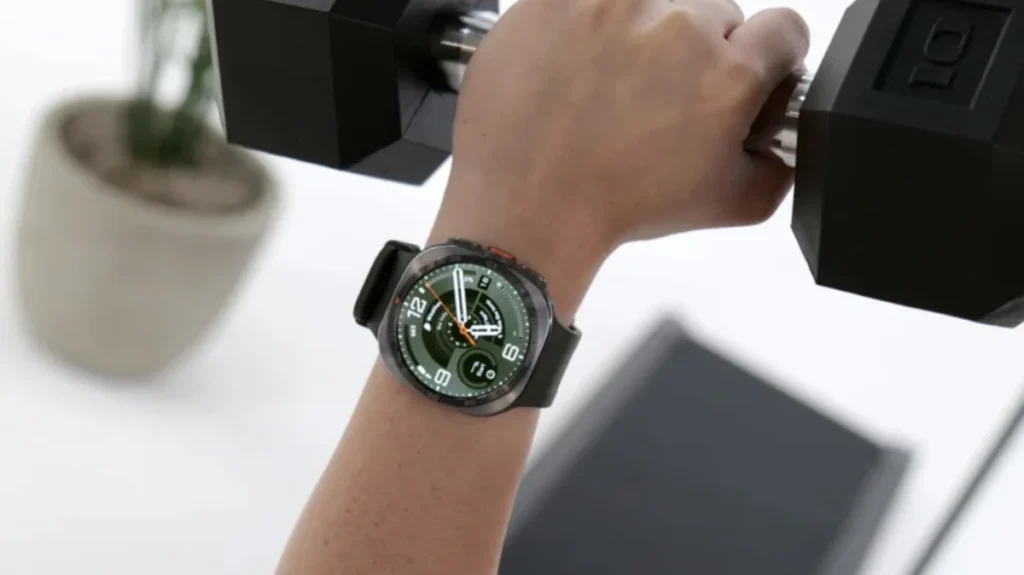
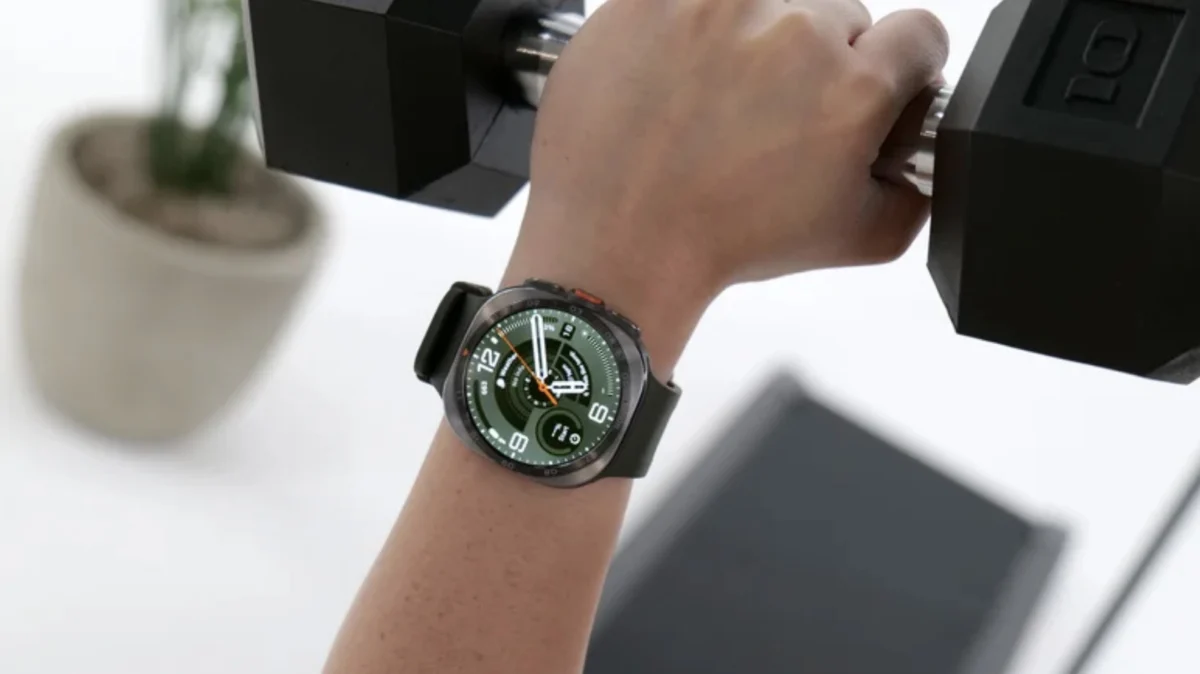
The landscape of high-end wearables has undergone a significant transformation this summer. With the arrival of the Apple Watch Ultra 4 and the Samsung Galaxy Watch Ultra 2, the rivalry between the two tech giants has moved beyond smartphones and into the realm of extreme, performance-focused smartwatches. These devices represent the pinnacle of current mobile engineering, designed not just for the casual fitness enthusiast, but for the endurance athlete, the deep-sea diver, and the professional who demands peak efficiency from their wearable hardware.
As we dissect these two industry titans, it becomes clear that while they share a commitment to durability and premium materials, they diverge sharply in their philosophical approach to health, artificial intelligence, and user experience.
Main Facts: The Core Architecture
At their most fundamental level, both the Apple Watch Ultra 4 and the Samsung Galaxy Watch Ultra 2 are built to withstand environments that would destroy a standard smartwatch.
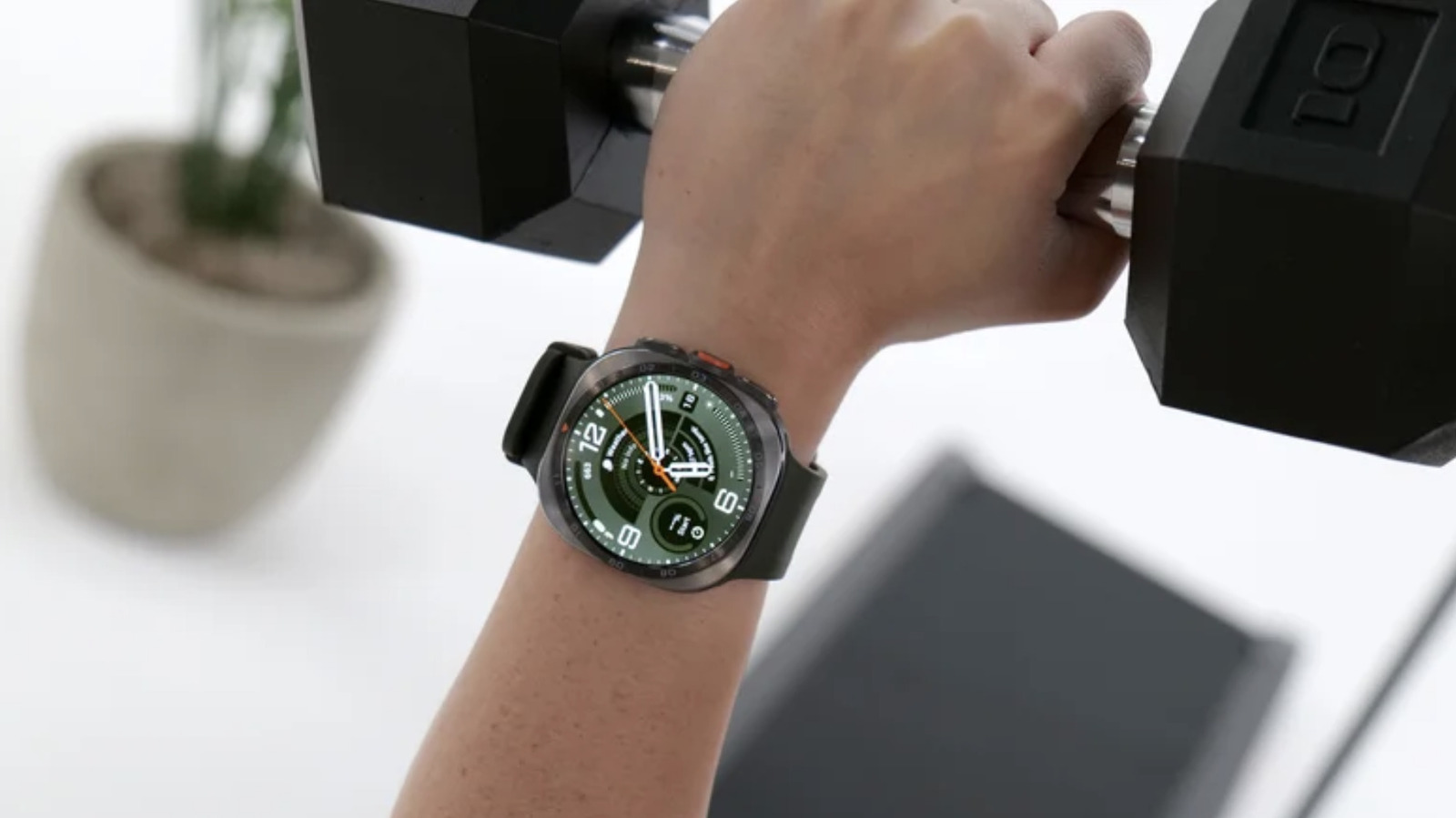
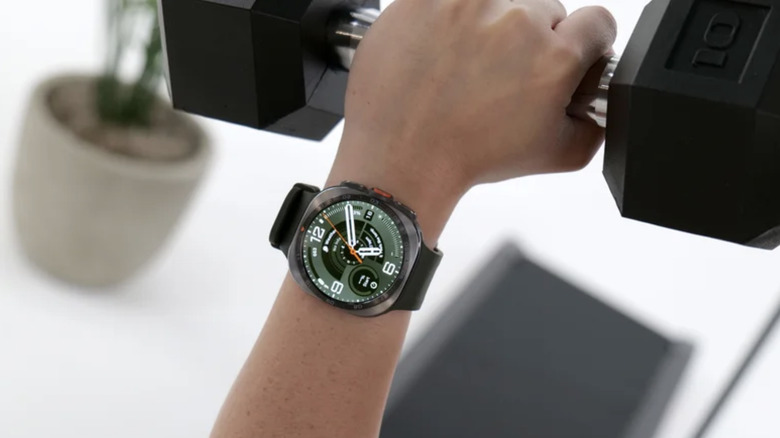
Samsung Galaxy Watch Ultra 2 arrives with a refined focus on raw power and AI integration. Powered by the Snapdragon Wear Elite chip, it acts as a satellite for the Google Gemini AI assistant, aiming to provide predictive health insights rather than just reactive data. It features a robust 800mAh battery housed in a 10.7mm titanium frame, utilizing a circular Super AMOLED display that reaches an industry-leading 5,000 nits of brightness.
Apple Watch Ultra 4 continues the evolution of the iconic Apple rugged design. Featuring the proprietary S11 chip, the device is heavily focused on "Audio Intelligence"—a suite of features designed to enhance real-time communication and noise processing. With a slightly larger, rectangular Retina LTPO3 OLED display, it prioritizes a familiar ecosystem integration that users of the iPhone have come to rely on.
A Chronological Perspective: The Evolution of Rugged Wearables
To understand where we are, one must look at the trajectory of these product lines.
- Early Days: The inception of the "Ultra" category was sparked by a market gap. Athletes needed batteries that lasted longer than a marathon and casings that could survive a mountain climb.
- The Mid-Cycle Pivot: Both companies spent the last two years refining their software. Samsung moved from the Tizen platform to Wear OS, allowing for a more cohesive Google integration, while Apple focused on dive-ready hardware and satellite connectivity.
- The Summer 2024 Launch: This summer marked a simultaneous refresh. Apple’s release of the Watch Ultra 4 solidified its commitment to the "Readiness" metric, a move designed to challenge the dominance of specialized sports trackers like Garmin. Simultaneously, Samsung’s release of the Galaxy Watch Ultra 2 emphasized the "Vitals" health monitoring system, signaling a pivot toward preventative medicine via biometric tracking.
Supporting Data: Feature Breakdown
Materials and Durability
Both manufacturers have opted for titanium as the standard for chassis construction. However, the design language differs. Samsung offers a more industrial, "rounded-off square" aesthetic, while Apple maintains its signature sharp, functional geometry.
In terms of ruggedization, both are rated for 100-meter submersion and adhere to the EN13319 standard for dive computers. Samsung edges out the competition slightly in raw dust-and-water resistance with an IP69K rating, whereas Apple holds the IP6X standard. For the casual adventurer, the difference is negligible; for the professional diver, both offer reliable depth gauging and emergency protocols.
Display Technology
The battle for the brightest screen is officially underway. Samsung’s 5,000-nit display is an engineering marvel, designed specifically to ensure readability in the harsh, direct glare of high-altitude sun or reflective snow. Apple, while slightly lower at 3,000 nits, utilizes its superior LTPO3 panel to maintain color accuracy and power efficiency, ensuring that the screen doesn’t become a battery-draining liability.
Battery Life and Charging Dynamics
The divergence in battery strategy is telling:
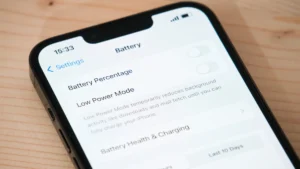
- Apple: Focuses on efficiency and "Low Power Mode," extending life up to 84 hours. Their proprietary fast-charging provides 18 hours of life from a mere 15-minute charge, catering to the "on-the-go" professional.
- Samsung: Focuses on raw capacity with an 800mAh battery. While it provides up to 60 hours of use, it relies on a slower, more deliberate charging curve, reaching 40% in roughly 30 minutes.
Official Responses and Strategic Philosophy
Representatives from both companies have framed these launches as "Health Companions."
Samsung’s official messaging emphasizes their "AI-powered everyday health companion." By leaning heavily into the Vitals menu and the Heart Health Score, Samsung is positioning the Ultra 2 as a medical-adjacent tool. Their inclusion of antioxidant readings—though currently a nascent technology—shows a willingness to take risks in the health-tech space, even if the clinical consensus is still forming.
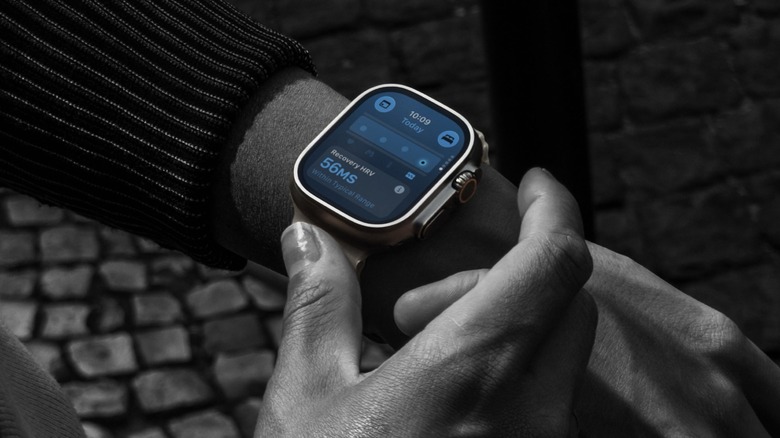
Apple’s stance, conversely, remains rooted in "Readiness." The introduction of the Readiness app is a direct acknowledgment that athletes need to know when to rest as much as when to push. By aggregating sleep scores and activity data, Apple is attempting to create a holistic feedback loop that discourages overtraining. Their focus on the new Health app (slated for later this year) suggests that Apple views the watch as the central hub of a much larger, ecosystem-wide health strategy.
Implications: Which One Belongs on Your Wrist?
The implications of these choices go far beyond the hardware itself. If you are an iPhone user, the Apple Watch Ultra 4 is the only logical choice due to the deep integration of the S11 chip’s processing power with iOS. The Audio Intelligence features, which allow for real-time conversation processing, are currently unmatched in the industry and provide a tangible boost to productivity.
For the Android user, the Galaxy Watch Ultra 2 is a powerhouse of customization and utility. The inclusion of Google Gemini AI allows for voice-activated commands that are significantly more contextual and helpful than previous generations of smart assistants.
The Cost Factor
Financial commitment is a key differentiator. Starting at $799, the Apple Watch Ultra 4 positions itself as a premium luxury asset, rarely subject to early-cycle discounts. The Samsung Galaxy Watch Ultra 2, starting at $700, follows a more aggressive retail strategy, with trade-in bonuses and early-market price adjustments making it more accessible to the average consumer.
The Verdict
The choice between these two devices ultimately boils down to the "walled garden" versus the "AI ecosystem."
If your goal is to have the most accurate, reliable, and integrated tool for your specific smartphone ecosystem, both companies have delivered. The Apple Watch Ultra 4 is a refined masterpiece of hardware-software synergy, perfect for the professional who lives in the Apple ecosystem. The Samsung Galaxy Watch Ultra 2 is a bold, high-performance, and AI-forward device that pushes the boundaries of what a consumer wearable can measure, making it the superior choice for those who value cutting-edge, experimental health data and flexible customization.
Regardless of your choice, the bar for smartwatches has been raised. These are no longer just notification mirrors for our phones; they are legitimate, ruggedized, and highly intelligent companions that are actively changing how we monitor our physical and mental health. As we look toward the future, the integration of deeper AI and more advanced biometric sensors will likely define the next chapter in this intense rivalry.