Valve Quietly Unveils "Lepton": The Open-Source Bridge Bringing Android Gaming to Steam Frame
While Valve has remained characteristically understated regarding its recent software developments, the Linux gaming community has unearthed a significant piece of the puzzle behind the upcoming Steam Frame hardware. Without a formal press release or grand fanfare, Valve has quietly open-sourced Lepton, a sophisticated Android compatibility layer designed to enable mobile-exclusive gaming titles to run natively on Linux-based Steam systems.
This move marks another milestone in Valve’s ongoing commitment to the open-source ecosystem, signaling that the Steam Frame—their much-anticipated entry into the portable or VR-adjacent market—will rely on a modular, transparent software stack rather than a closed, proprietary "black box."
The Genesis of Lepton: A Technical Overview
At its core, Lepton serves as a bridge, allowing games built for the Android mobile ecosystem to execute within a containerized environment on Linux. For the average end-user, Lepton will likely be invisible; the Steam client is designed to manage the heavy lifting, provisioning containers, and executing the game logic seamlessly.
However, for developers, Lepton is a critical toolset. It is specifically engineered to assist creators in porting VR-focused Android titles over to the Steam Frame platform. By providing a standardized environment, Valve aims to lower the barrier to entry for developers who have traditionally been siloed within the Android ecosystem.
Why a Containerized Approach?
Unlike traditional emulators that might attempt to simulate hardware at a high cost to performance, Lepton utilizes Linux namespaces and containerization. This approach is highly efficient, minimizing the overhead of running an entire mobile operating system while providing enough isolation to ensure game stability. By stripping away unnecessary Android background services, Lepton optimizes the system for a singular purpose: delivering high-performance gaming.
A Chronology of Discovery
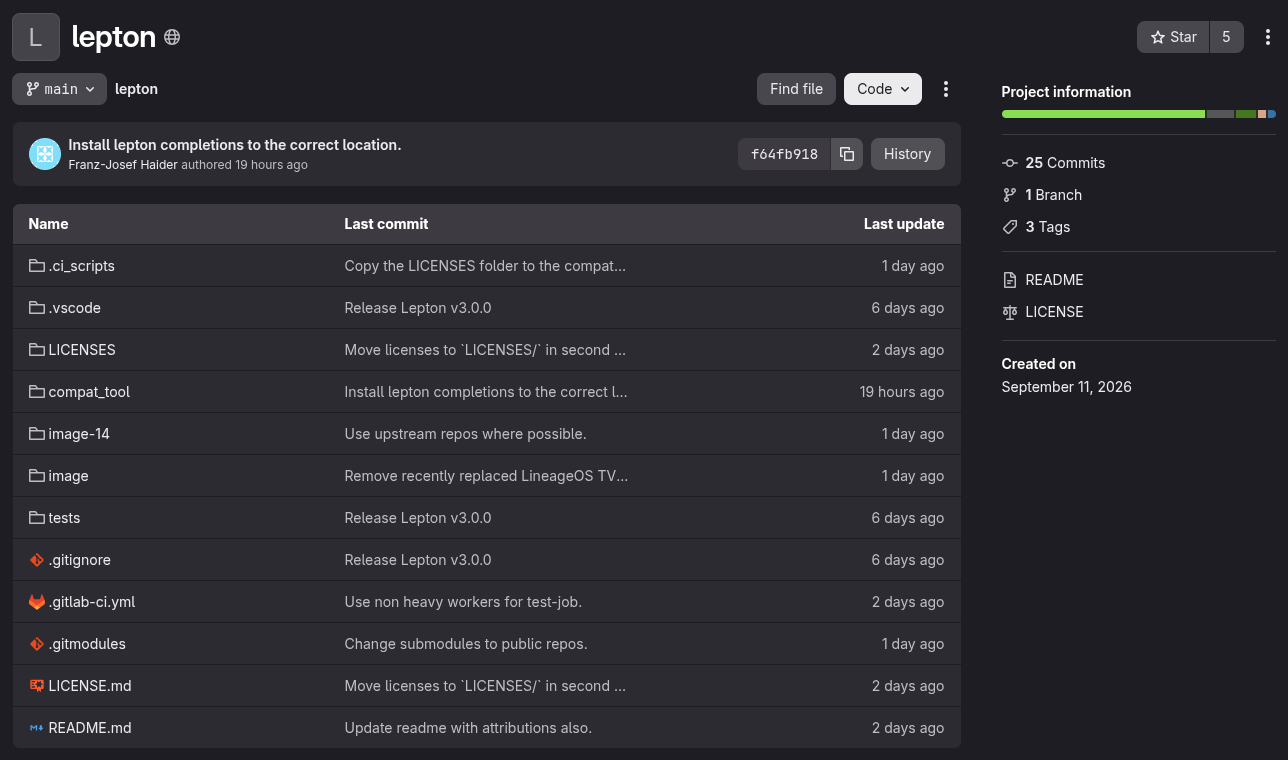
The existence of Lepton was brought to public attention through the diligent reporting of community researchers like Liam Squires-Hand. While Valve’s internal development teams have been committing code to the GitLab repository for some time, the project only crossed into the public eye following the recent momentum surrounding the Steam Frame hardware.
- Initial Development Phase: Valve engineers began building out the compatibility layer, likely concurrently with the early prototyping stages of the Steam Frame.
- The "Silent" Push: Updates were pushed to the
frame-public/leptonrepository on GitLab with minimal documentation, adhering to a pattern Valve has often followed with internal projects. - Community Discovery (September 2026): Independent Linux news outlets, led by GamingOnLinux, identified the repository, sparking a broader conversation about how Valve intends to handle Android-based content on their new hardware.
- Public Scrutiny: As the repository gained traction, developers began dissecting the codebase, revealing the reliance on established open-source projects like Waydroid and LineageOS.
The Architecture: Standing on the Shoulders of Giants
Lepton is not an invention built in a vacuum; it is a masterclass in modern open-source collaboration. Valve has effectively curated existing industry-standard solutions to create a cohesive stack.
1. The Waydroid Foundation
The primary engine driving Lepton is Waydroid. By leveraging Waydroid’s ability to run a full Android system inside a Linux container, Valve has saved significant development time. Lepton specifically utilizes custom patches from Waydroid to ensure that the Android environment is compatible with the unique requirements of the Steam Frame hardware.
2. LineageOS and AOSP
The system image running inside the container is derived from LineageOS, which in turn is built upon the Android Open Source Project (AOSP). This hierarchy ensures that Lepton maintains a high level of compatibility with the vast library of Android games while providing the stability required for a commercial hardware launch.
3. The Role of Boringdroid
While Valve has been less vocal about the specifics of Boringdroid, its inclusion in the licensing documentation suggests it plays a key role in the project’s infrastructure. Boringdroid is known for its ability to optimize Android for desktop-like environments, making it a logical inclusion for a system intended to run mobile games on a hardware device with a larger display or different input constraints than a phone.
Licensing: Navigating the Legal Framework
One of the most interesting aspects of the Lepton release is its dual-license strategy, which highlights the complexity of modern software development.
- The MIT-Licensed Compat Tool: The core logic—the "bridge" that allows the Steam client to trigger the container—is released under the MIT license. This is a permissive license that allows for maximum flexibility, enabling other developers to potentially integrate Valve’s launching mechanism into their own Linux projects.
- The GPL-3.0 Image: Conversely, the Android root filesystem is licensed under the GPL-3.0. Because this image incorporates code from multiple projects (including the Linux kernel-adjacent components and system utilities), the "copyleft" nature of the GPL-3.0 is required to ensure that any improvements made to the core system remain open-source.
This dichotomy ensures that while the "Steam-specific" glue remains flexible for developers, the foundational "Android-bridge" stays open and transparent, preventing vendor lock-in.

Implications for the Linux Gaming Landscape
The release of Lepton has profound implications for the future of Linux gaming and the broader Steam hardware ecosystem.
The Death of "Exclusive" Barriers
For years, the "Android-only" label on mobile games has acted as a hard wall. With Lepton, that wall is becoming increasingly porous. If developers can easily move their titles to the Steam Frame via this compatibility layer, the library of available content for Linux-based handhelds and VR devices grows exponentially overnight.
Synergy with FEX
Lepton does not exist in isolation. It complements FEX, another vital piece of the Valve software stack. While FEX handles x86-to-ARM instruction translation—allowing software built for different architectures to run on the Steam Frame’s hardware—Lepton provides the OS-level environment for those games to live in. Together, these tools form a "compatibility suite" that makes the Steam Frame one of the most versatile devices ever conceived.
A Signal to the Industry
By open-sourcing these layers, Valve is sending a clear message: the future of their hardware is built on the strength of the community. Unlike competitors who might keep their middleware proprietary to prevent reverse engineering, Valve invites scrutiny. This transparency not only helps in debugging and optimization but also builds immense trust with the Linux user base, who are historically wary of closed-source solutions.
The Developer Perspective: A New Frontier
For game developers, the availability of the Lepton repository is a goldmine. It allows them to understand exactly how their games will be treated by the system. By inspecting the repository, developers can optimize their code for the specific containerized environment that Lepton provides.
Key takeaways for developers include:
- Resource Management: Understanding how Lepton switches off unnecessary Android services will allow developers to free up CPU and memory resources for their games.
- Unified User Space: Since all applications run as the same user within the container, developers must account for security and file system access patterns that differ from standard Android phones.
- Customization: Because the project is open-source, developers can submit patches directly to the repository if they find bugs or need specific features supported for their titles.
Looking Ahead: The "Steam Frame" Era
As we await the official launch of the Steam Frame, the release of Lepton serves as a reminder that hardware is only as good as the software that powers it. Valve’s strategy of leveraging the Linux ecosystem rather than reinventing the wheel is a testament to the maturity of the company’s engineering philosophy.
In the coming months, we expect to see more documentation from Valve, potentially even a "how-to" guide for developers looking to port their Android titles. Whether this will lead to a surge in mobile-to-Steam conversions remains to be seen, but the infrastructure is now officially in place.
For the Linux community, this is a victory. It confirms that even as Valve expands into new hardware form factors, the ethos of "openness" that has defined the Steam Deck era continues to persist. Lepton is not just a compatibility layer; it is an open invitation to developers and enthusiasts to help shape the future of portable gaming.
As independent news coverage continues to track these developments, one thing is certain: Valve is playing a long game, and they are playing it in the open.
For those interested in exploring the codebase, the Lepton repository on GitLab remains the primary source for the latest documentation, build scripts, and licensing details.