The Dawn of the Automaton: XPENG’s "Iron" Robot Signals a New Era in Manufacturing
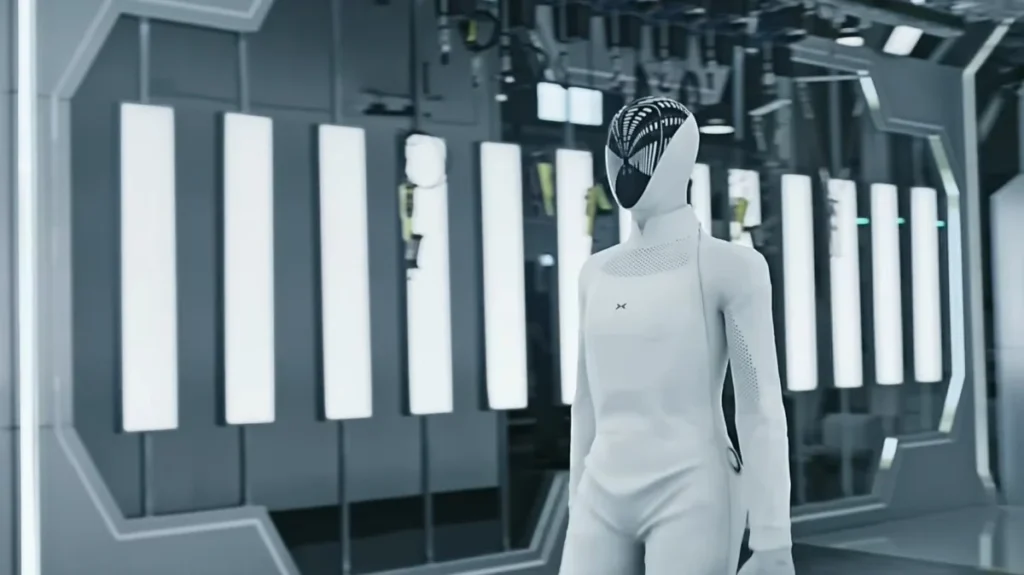
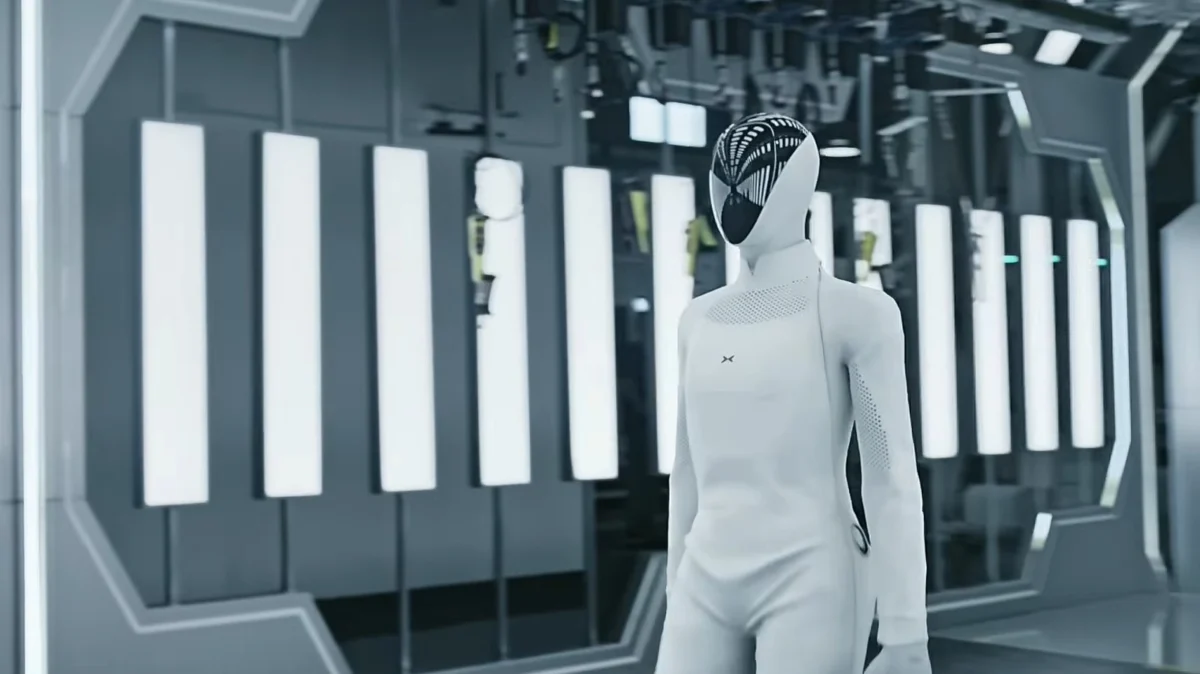
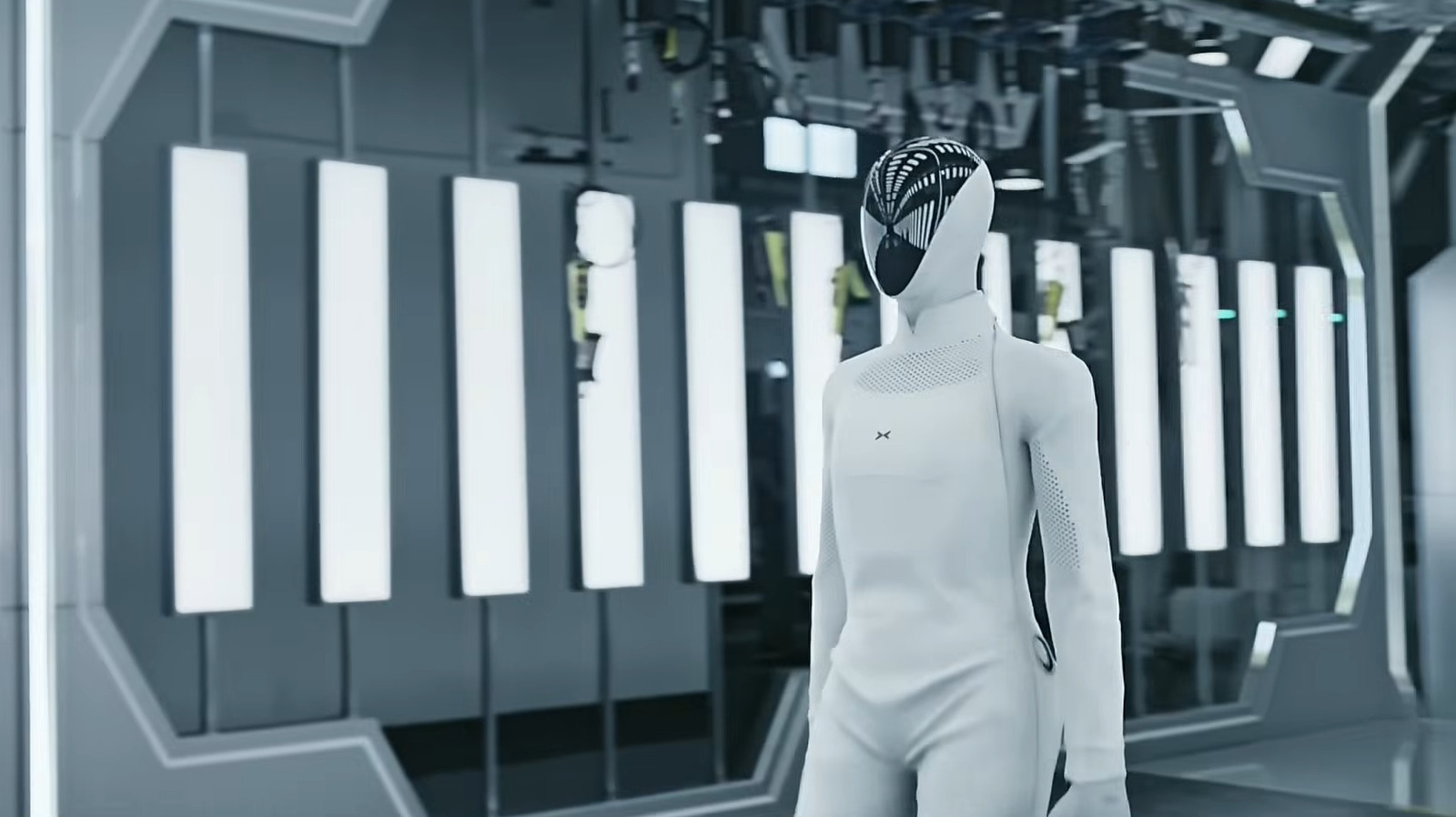
In a milestone that blurs the line between automotive assembly and sci-fi reality, Chinese electric vehicle (EV) giant XPENG has officially commissioned its dedicated humanoid robot manufacturing facility. The headline-grabbing moment arrived on September 7, when the company’s new "Iron" humanoid robot autonomously walked off the production line mere moments after its final components were snapped into place.
For XPENG Chairman and CEO He Xiaopeng, this is not merely a feat of engineering; it is the genesis of an entirely new industrial category. By applying the same rigorous quality control and assembly-line precision used to build its fleet of EVs, XPENG aims to transition from a carmaker to a broader robotics powerhouse. However, while the "first walk" provides a powerful visual, the road to mass production—and real-world utility—remains a complex challenge of reliability, intelligence, and safety.
The Chronology of Development: From Concept to Commissioning
The journey of the Iron project has been one of rapid iteration. While the official unveiling of the production line is a recent event, XPENG’s pivot toward humanoid robotics has been percolating in the background of its R&D labs for several years.
- Initial R&D Phase: XPENG began integrating advanced AI and motion-control algorithms into its vehicle software, recognizing that the spatial awareness required for autonomous driving is the primary precursor to bipedal movement.
- Prototype Refinement: The company tested various iterations of Iron in controlled environments, focusing on balancing the robot’s 76 degrees of freedom (DOF) to ensure it could navigate human-centric spaces without stumbling.
- Facility Commissioning: In mid-2024, XPENG finalized its automated assembly line. The company claims that over 80 percent of the core assembly processes are now fully automated.
- The "First Walk" (September 7, 2024): The successful completion of the first unit, which walked off the line under its own power, served as the formal validation of the manufacturing infrastructure.
- Future Milestones: XPENG is currently pushing toward year-end goals for mass production, with internal deployment in showrooms and campuses serving as the next phase of "on-the-job" training.
Supporting Data: Under the Hood of the Iron Humanoid
The hardware specifications of Iron place it firmly in the "high-performance" tier of current humanoid prototypes. To achieve human-like dexterity and environmental interaction, XPENG has equipped the unit with an impressive array of sensors and processing power.
Mechanical Articulation
Iron boasts 76 distinct degrees of freedom across its frame, with 21 degrees of freedom dedicated solely to each hand. This level of articulation is critical for tasks that require fine motor skills, such as picking up small objects, manipulating door handles, or navigating cluttered retail environments.
The Brains: Turing AI Chips
At the core of Iron’s cognitive functions are three proprietary Turing AI chips. These chips provide a massive throughput of up to 2,250 trillion operations per second (TOPS). This allows the robot to:
- Process Data Locally: By running AI models onboard, the robot reduces latency, ensuring real-time reaction times that are crucial for safety when moving through crowded areas.
- Autonomous Decision-Making: The local processing power enables the robot to navigate and interpret its surroundings without being tethered to a remote operator.
Safety and Structural Design
Because Iron is designed to share space with human customers, the outer structure has been engineered with "flexible safety" in mind. The materials are intended to minimize impact force in the event of a collision, though the industry is still awaiting independent, third-party safety certifications to verify how these robots behave in unpredictable, non-industrial environments.
Official Responses and Strategic Vision
XPENG’s leadership is framing this development as a natural evolution. In his remarks following the commissioning of the facility, CEO He Xiaopeng emphasized that while the first step was modest, the underlying infrastructure is the true achievement.
"Today’s step is small, but XPENG is building the production lines for an entirely new product category," He stated. By treating robotics as a derivative of automotive manufacturing, the company hopes to leverage economies of scale—a strategy that has allowed them to rapidly reduce the cost of their EV fleet.
The company has also leaned into the theatricality of the rollout, with He personally "onboarding" the first robot by bestowing a staff badge upon it. While this serves as a PR masterstroke, it highlights a serious internal strategy: the robots will first be tested within XPENG’s own ecosystem. By deploying them in company showrooms and campuses, XPENG can collect proprietary data on how robots handle "real-world" interactions before attempting to scale into the consumer or commercial market.
Implications: The Humanoid Robot Race
XPENG’s entry into the humanoid market places it in direct competition with some of the world’s most well-funded tech entities. The comparison to Tesla’s Optimus program is unavoidable. Both companies are essentially using their existing expertise in EV manufacturing—specifically the ability to create complex, high-precision assembly lines—to build machines that function as general-purpose workers.
The "Tesla vs. XPENG" Dynamic
Tesla has already announced its intention to repurpose portions of its vehicle production lines for Optimus. The race is now one of speed and reliability. Whoever can move from a "proof of concept" to a "reliable, mass-produced unit" that can perform consistent, 8-hour shifts will likely set the industry standard.
Beyond the Hype: The Reality of "Real Work"
Critics point out that "walking" is only a fraction of the challenge. The true test of a humanoid robot is its ability to remain operational throughout a full workday without significant maintenance, downtime, or software glitches.
- Figure’s Benchmarks: The company Figure has already demonstrated a production rate of one robot per hour and has successfully integrated their units into BMW’s Spartanburg plant. Figure’s work in BMW’s factory—inserting sheet-metal parts for welding—represents the gold standard for current robotics: repetitive, precise, and high-value work.
- The Human Interaction Variable: XPENG’s focus on retail and showroom environments is arguably more difficult than factory work. While a factory environment is structured and predictable, a retail store is chaotic. A customer walking "off-script," spills, or unexpected obstacles require a level of adaptive intelligence that exceeds current state-of-the-art AI.
The Road Ahead: Challenges and 2027 Goals
XPENG has set a target for domestic and international deliveries by 2027. However, several hurdles remain before the public can expect to see an Iron unit in a local dealership.
- Regulatory Hurdles: As these robots move from private facilities into public spaces, they will face intense regulatory scrutiny. Safety standards for "cobots" (collaborative robots) in public spaces are still being written by global authorities.
- Economic Viability: While XPENG has not disclosed pricing, the sheer cost of 76 actuators and three high-end AI chips suggests that the initial price point will be prohibitive for all but the largest enterprise clients.
- The "Working Day" Test: Can Iron handle a full shift? Battery longevity, joint wear-and-tear, and software stability over eight hours remain the "unknowns" that will define the success or failure of the project.
Conclusion
XPENG’s Iron represents a pivotal moment in the transition from specialized industrial robotics to general-purpose humanoids. By treating the factory floor as a laboratory for social interaction, the company is betting that the intelligence powering its EVs can be effectively transferred into a bipedal form.
Whether Iron becomes the "Model T" of the humanoid world or remains a high-tech novelty will depend on the next 24 months of data collection. For now, the sight of a robot walking off a production line on its own two feet is a stark reminder: the future of labor is no longer a matter of "if," but a matter of "how soon." As the competition between XPENG, Tesla, and Figure intensifies, the true winner will be the entity that proves its machine is not just capable of walking, but capable of working.