Resurrecting the Light: How the Maker Community is Saving Nanoleaf Panels from Obsolescence
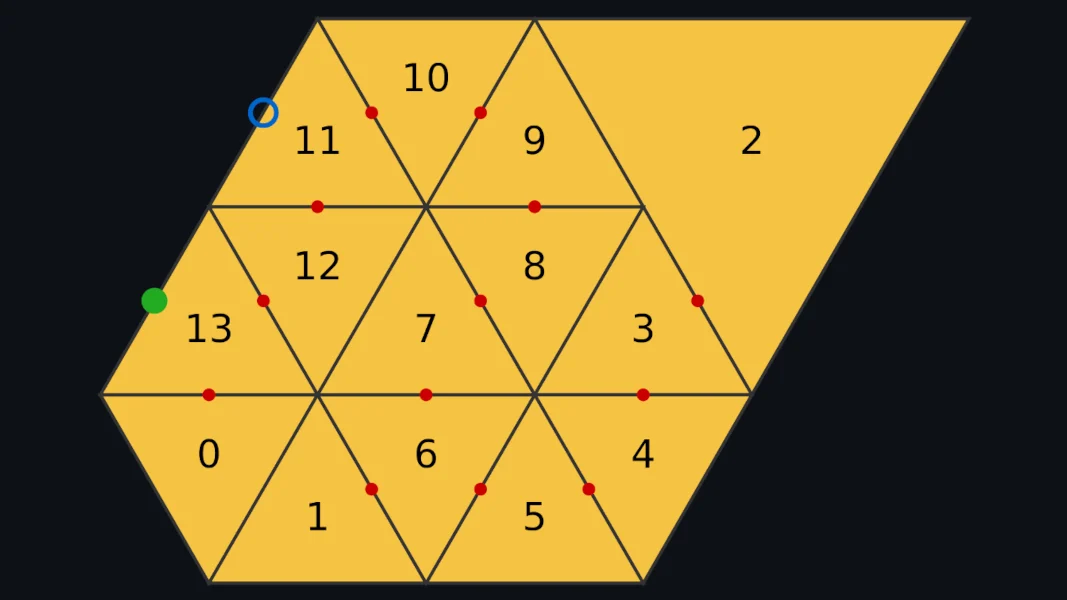
For nearly a decade, Nanoleaf has stood as a beacon in the smart home industry. With their iconic, geometric, modular LED panels, the company transformed static wall art into dynamic, responsive light shows. However, as the initial wave of these devices ages, a persistent hardware failure has begun to plague early adopters: the proprietary controller. When the controller dies, the panels become little more than expensive plastic wall decor. Recently, a breakthrough by developer [Myrik] has provided a lifeline for these devices, proving that a humble ESP32 microcontroller is all that stands between a functional light system and the e-waste bin.
Main Facts: The Controller Conundrum
The core issue facing Nanoleaf users is the fragility of the proprietary controller unit. These controllers serve as the "brains" of the operation, managing power distribution, Wi-Fi connectivity, and the complex data signals required to address each individual LED within the modular panels.
When these units fail—often due to power surges, firmware corruption, or simple component degradation—the entire string of panels goes dark. Until recently, users were faced with a binary choice: purchase an expensive, often out-of-stock replacement controller from Nanoleaf or consign the entire installation to the landfill.
[Myrik]’s intervention changes this landscape. By reverse-engineering the communication protocol used by the panels, they discovered that the hardware—the panels themselves—remains perfectly functional long after the controller gives up the ghost. By utilizing an ESP32, a low-cost, high-performance microcontroller, users can bypass the manufacturer’s hardware entirely, injecting new life into their setups with an open-source alternative.
Chronology: A Decade of Innovation and Decay
To understand the significance of this development, one must look at the trajectory of the smart lighting market over the last ten years.
- 2014–2016: Nanoleaf launches its modular panel line. The novelty of snapping together triangular shapes that respond to touch and music creates a massive consumer buzz.
- 2017–2019: The smart home ecosystem matures. Integration with Amazon Alexa, Google Home, and Apple HomeKit becomes standard. Nanoleaf solidifies its place as a premium lifestyle brand.
- 2020–2022: As the first generation of devices approaches the five-to-seven-year mark, reports of "controller death" begin to surface on community forums like Reddit and the official Nanoleaf support pages. Users express frustration over the inability to buy replacement controllers separately.
- 2023: Community-led reverse engineering efforts begin in earnest. Developers start sniffing the data bus signals, attempting to understand how the panels report their orientation and position.
- 2024: [Myrik] releases the "LeafBus" project, documenting the use of an ESP32 to interface directly with the panels. This provides a clear, documented path for DIY enthusiasts to repair their hardware.
Supporting Data: Why the ESP32 is the Perfect Substitute
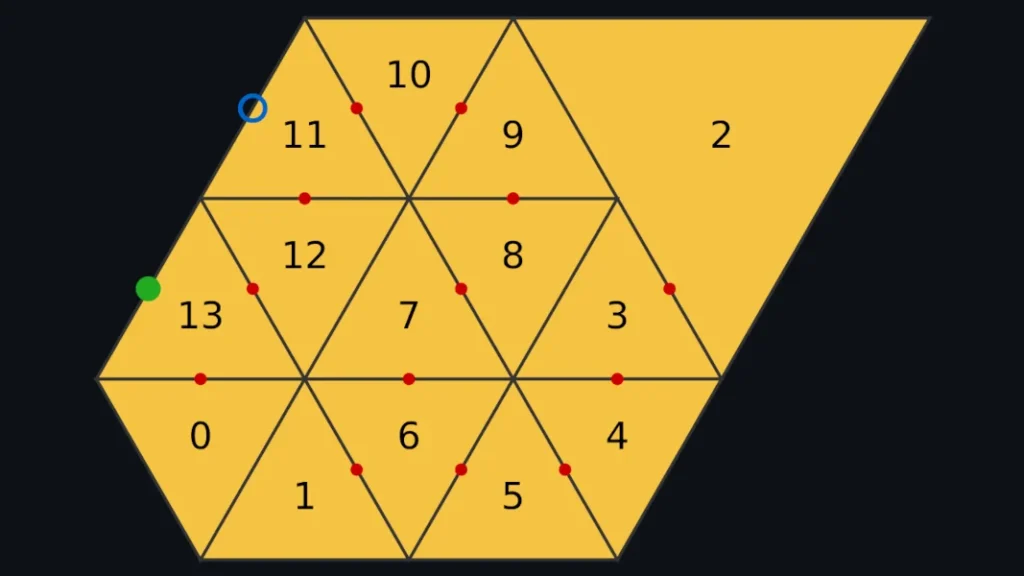
The success of this hack relies on the elegant simplicity of the Nanoleaf architecture. Internally, the panels communicate over a specific data bus. When a user assembles a shape, the panels perform a "handshake," reporting their physical orientation and placement to the controller.
[Myrik]’s research revealed that Nanoleaf’s firmware, which was inadvertently made accessible, is remarkably compatible with the ESP32’s architecture. By modifying this firmware, the ESP32 can:
- Interpret the Data Bus: The ESP32 can "talk" to the panels, reading their layout without needing the original proprietary logic.
- Network Connectivity: Leveraging the ESP32’s built-in Wi-Fi capabilities, the new controller can connect to local smart home networks.
- Software Interoperability: Because the ESP32 acts as a standard networked device, it can be integrated into broader lighting control software (such as WLED or custom Home Assistant scripts), offering users more control than the original manufacturer’s app ever allowed.
This is a victory for the "Right to Repair" movement. It shifts the power dynamic from a walled garden, where the manufacturer dictates the lifespan of a product, to an open ecosystem where the user maintains agency over their property.
Official Responses and Industry Context
Nanoleaf has traditionally maintained a closed-loop approach to their ecosystem. While they have provided occasional firmware updates to improve stability, they have never officially endorsed or provided documentation for third-party controller replacement.
In the broader context of the Internet of Things (IoT), companies often cite security and user experience as reasons for maintaining proprietary controllers. By preventing users from tampering with the hardware, manufacturers ensure a consistent experience and minimize support costs associated with "bricked" devices.
However, this stance is increasingly being challenged. As the European Union and other regulatory bodies push for stricter sustainability standards, the "planned obsolescence" model is under fire. While Nanoleaf has not issued a formal statement regarding [Myrik]’s project, the community reception has been overwhelmingly positive. On platforms like Reddit, users are sharing their successes, with many reporting that their "broken" panels are now more responsive and reliable than they were under the factory-standard controller.
Implications: The Future of Modular Electronics
The implications of this hack extend far beyond just Nanoleaf panels. This project serves as a blueprint for the future of modular consumer electronics.
Sustainability and E-Waste Reduction
The most immediate impact is environmental. Thousands of Nanoleaf panels are currently sitting in closets or landfills simply because a $10 chip inside the controller failed. By providing a $5 ESP32-based solution, the maker community is effectively diverting tons of electronic waste from landfills. It reinforces the idea that hardware should be modular, repairable, and sustainable.
The Rise of "Prosumer" DIY
This project signals a shift in consumer behavior. Users are no longer content to be passive recipients of technology. They are becoming "prosumers" who demand the right to modify, repair, and improve their hardware. When a company stops supporting a product, the community is now capable of picking up the mantle.
Security and Open Standards
One of the risks of moving to a DIY controller is the loss of official security patches. However, enthusiasts argue that an open-source, local-only controller is inherently more secure than a proprietary cloud-connected device that transmits telemetry data to a third-party server. By controlling the firmware, users can ensure their lighting systems remain private and operate entirely offline, further enhancing the security of their smart home network.
Conclusion: A New Standard for Ownership
The work done by [Myrik] and the wider maker community serves as a powerful reminder: our devices belong to us, not the companies that built them. While the convenience of a plug-and-play system is attractive, the vulnerability of proprietary controllers is a reminder of the fragility of modern consumerism.
As we look toward the future, it is clear that the products with the most longevity will be those that embrace open standards and repairability. Nanoleaf created a beautiful, artistic product that inspired a generation of tech enthusiasts. Through the ingenuity of those same enthusiasts, that product now has the potential to last for decades rather than years.
Whether you are a seasoned engineer or a hobbyist with a soldering iron, the ability to breathe life into "dead" hardware is one of the most rewarding aspects of the modern tech landscape. The Nanoleaf controller project is not just a hack; it is a philosophy—a commitment to longevity, sustainability, and the undeniable satisfaction of fixing what is broken. As long as there are makers like [Myrik], the light will not go out.