Critical Hardware Failure: Apple Addresses Severe AT&T Connectivity Bug on iPhone 18 Pro Max
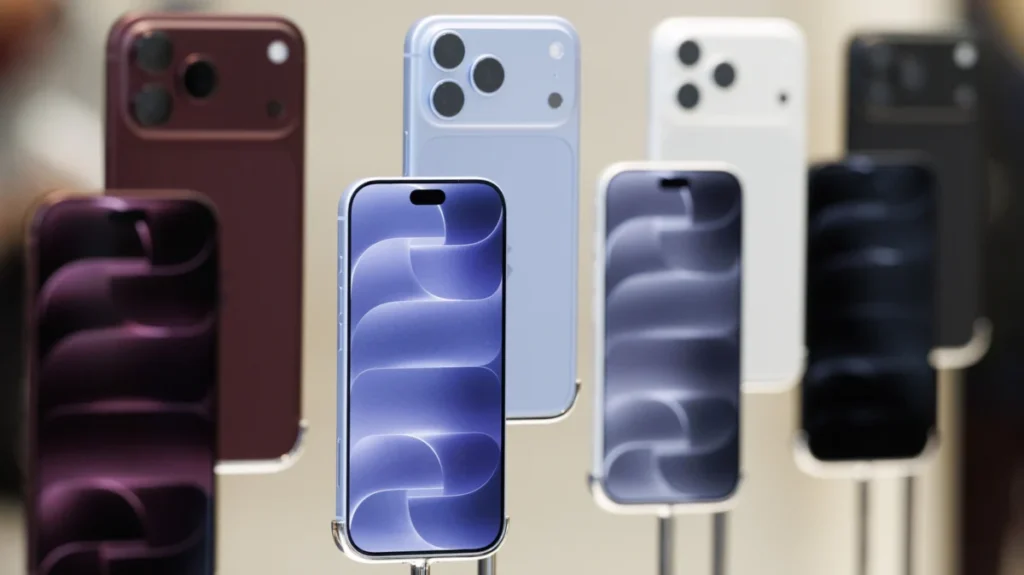
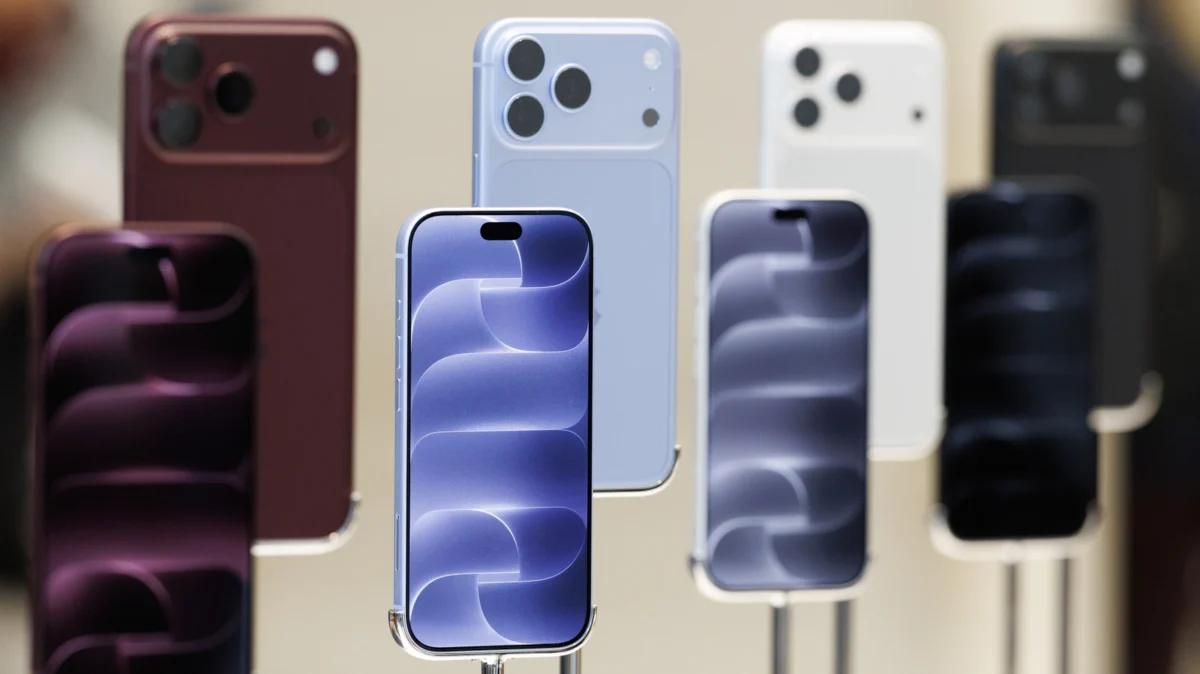
The premium smartphone experience, usually defined by seamless connectivity and cutting-edge hardware, has hit a significant roadblock for a subset of iPhone 18 Pro Max users in the United States. Following widespread reports of intermittent service loss, Apple has officially acknowledged a localized but severe network bug impacting devices tethered to the AT&T network. While the company has deployed a software-based preventative measure, the reality for those already impacted is far more taxing: a full hardware replacement is required.
The Nature of the Connectivity Crisis
The issue, which has sent shockwaves through the early adopter community of the iPhone 18 Pro Max, manifests as a total loss of cellular functionality. Users report that their devices suddenly drop all network bars, replaced by the persistent "SOS" icon in the status bar. This designation indicates that the device can no longer communicate with the carrier’s towers for cellular data, standard voice calls, or SMS/MMS messaging.
Unlike minor software glitches that can be resolved with a simple reboot or a toggling of Airplane Mode, this specific bug appears to strike at the foundational communication between the device’s baseband modem and the AT&T network infrastructure. According to internal reports and consumer feedback, once the device enters this "SOS" state due to this specific bug, the software integrity of the modem’s handshake protocol is effectively severed, rendering standard Over-the-Air (OTA) repair attempts futile.
Chronology of the Outage
The timeline of the crisis began shortly after the launch of the iPhone 18 Pro Max, with early reports surfacing on tech forums and social media platforms.
- Initial Reports: Within days of the device’s launch, users began noting "dead zones" in areas with historically strong AT&T signal coverage.
- The "SOS" Trigger: As the number of complaints grew, a pattern emerged. Users were not merely experiencing "slow" internet; they were being disconnected entirely, with the device firmware defaulting to Emergency SOS mode.
- Engineering Diagnosis: Apple’s engineering teams, in collaboration with AT&T’s network operations, spent the last week investigating the modem handshake failure. It was determined that a specific interaction between the device’s radio frequency (RF) management and the carrier’s current network configuration was causing a catastrophic failure in the authentication process.
- The Patch Deployment: On Monday, Apple released iOS 27.0.1. While intended as a broader update to address various system stability issues, it contained the critical patch meant to prevent the AT&T bug from manifesting in unaffected units.
- Public Acknowledgment: Following the release of the update, Apple issued a formal statement to media outlets, including 9to5Mac, clarifying that while the software update was a preventative shield, it could not resuscitate devices that had already succumbed to the hardware-level failure.
Supporting Data and Technical Context
The iPhone 18 Pro Max occupies a unique position in Apple’s current lineup. It is notably the only model in the U.S. market that continues to utilize a Qualcomm modem, whereas other models in the series have transitioned to Apple’s proprietary silicon for baseband communications.
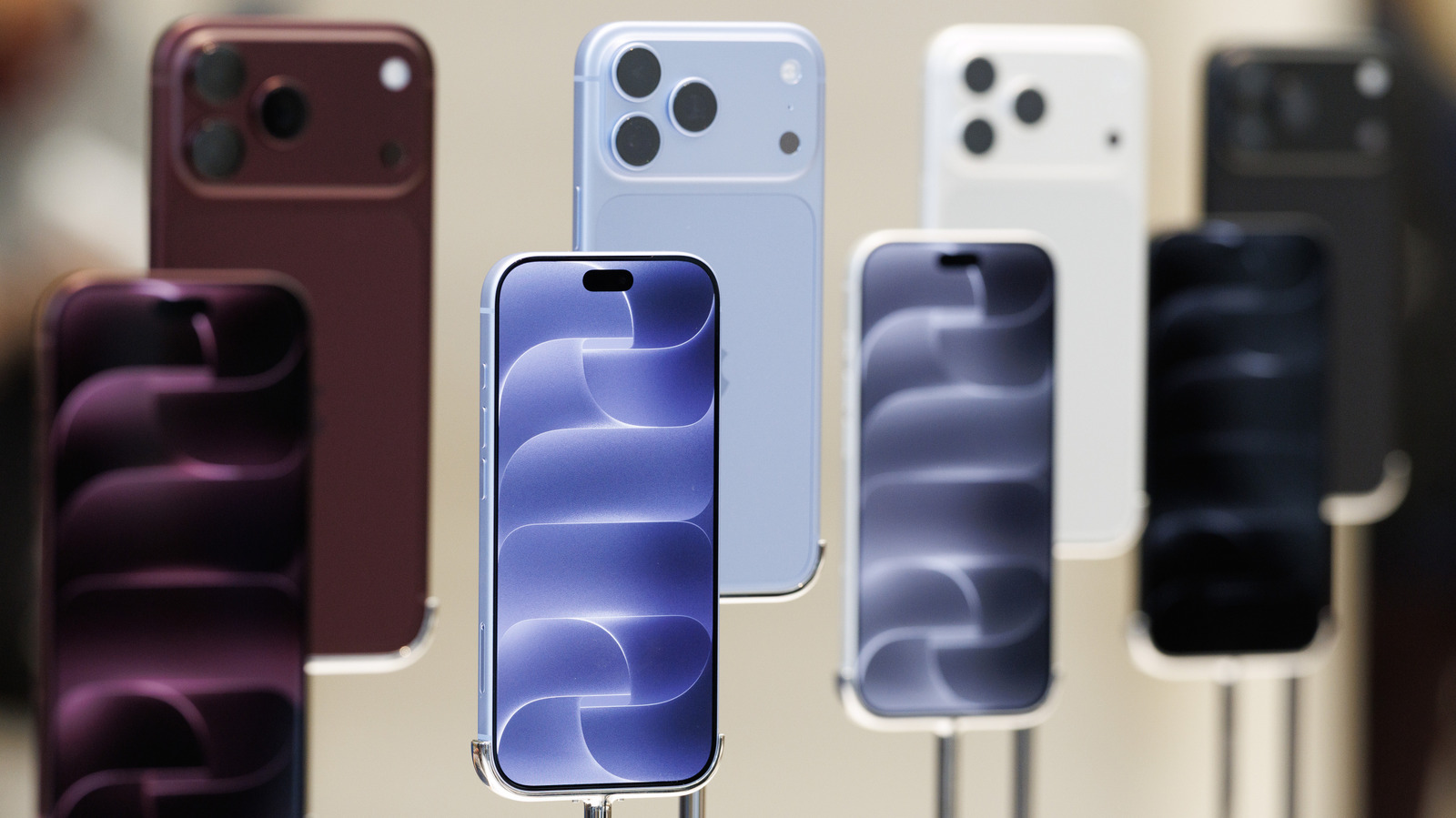
While Apple has not explicitly stated that the Qualcomm modem is the cause of the bug, industry analysts suggest that the complexity of integrating a third-party modem with Apple’s highly customized iOS environment creates a distinct surface area for these types of "handshake" errors.
According to data provided by diagnostic logs shared by affected users, the error occurs when the modem fails to re-authenticate with the AT&T cell tower after a handoff between frequency bands. Once this failure occurs, the internal storage for the modem’s temporary keys becomes corrupted. This is why a simple software update cannot fix the problem—the software update assumes the baseband hardware is functional and ready to receive instructions. When the hardware has already reached a state of "bricked" communication, it effectively ignores the incoming software commands.
Official Responses and Remediation
Apple’s official stance is one of measured concern. In their statement to the press, the company emphasized that the affected user base represents a "small number" of total iPhone 18 Pro Max owners.
"We have identified an issue affecting a small number of iPhone 18 Pro Max users on the AT&T network that may cause a device to lose service and be unable to make calls," the statement read. "We released iOS 27.0.1 earlier this week and strongly encourage all iPhone 18 Pro Max users to update now, and are also issuing a carrier settings update today. These updates together are meant to help prevent this issue from occurring."
Steps for Affected Users:
- Immediate Software Update: All users should navigate to Settings > General > Software Update to install iOS 27.0.1 immediately.
- Carrier Settings Check: Once on the latest iOS, navigate to Settings > General > About. If a carrier settings update is available, a prompt will appear automatically. If no prompt appears, the device is current.
- Hardware Replacement Protocol: If the device currently displays the "SOS" indicator and the aforementioned updates fail to restore cellular connectivity, users must contact Apple Support or visit an authorized service provider. Because the bug is a known hardware-level failure, Apple is facilitating expedited replacements for customers under warranty.
The Broader Implications for the Smartphone Industry
This incident serves as a stark reminder of the extreme complexity inherent in modern mobile telecommunications. As smartphones move toward becoming increasingly software-defined, the reliance on stable communication between hardware modems and carrier-side network protocols becomes a potential single point of failure.
Impact on Consumer Trust
For a premium device like the iPhone 18 Pro Max, which commands a high price point, the inconvenience of a hardware replacement is a significant blow to brand loyalty. Users who have spent weeks customizing their devices and migrating data now face the prospect of a factory-fresh unit and the associated setup time.
The Role of Carrier Collaboration
The incident also highlights the intricate dependency between device manufacturers and carriers. Apple and AT&T are essentially engaged in a constant "dance" of compatibility updates. When a bug like this occurs, it raises questions about the rigor of pre-release testing. How did this failure escape the testing phases involving AT&T’s network? Moving forward, it is likely that both Apple and major carriers will implement more robust "sandbox" testing for modem firmware before public deployment.
Future-Proofing
The fact that this issue is isolated to the Qualcomm-modem variant of the iPhone 18 Pro Max may accelerate Apple’s internal roadmap to transition all its devices to their own, fully integrated modem solutions. By controlling both the hardware and the baseband firmware, Apple aims to eliminate the friction that can occur when third-party components interact with proprietary iOS updates.
Conclusion: A Cautionary Tale
The iPhone 18 Pro Max remains a flagship device, but this incident underscores the fragility of modern technology. For the vast majority of users, the iOS 27.0.1 update will successfully mitigate the risk of this bug. However, for those unlucky few who have already been cut off from their networks, the path forward is clear: bypass the software troubleshooting, engage with Apple Support, and secure a hardware replacement.
As the industry continues to push the boundaries of 5G and satellite connectivity, incidents like this act as a necessary, if painful, pressure test for the systems that keep us all connected. Apple’s swift, albeit expensive, remediation strategy—offering hardware replacements rather than asking users to wait for further patches—reflects a commitment to customer experience that, despite the initial failure, remains the standard for the industry.