The Retrofit Revolution: How Aftermarket Backup Cameras Are Reshaping Vehicle Safety
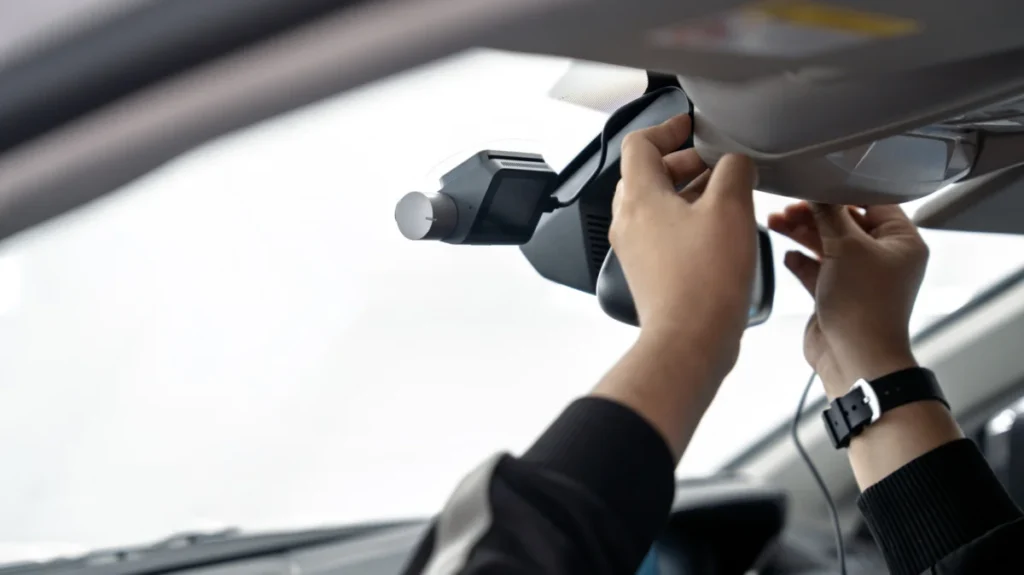
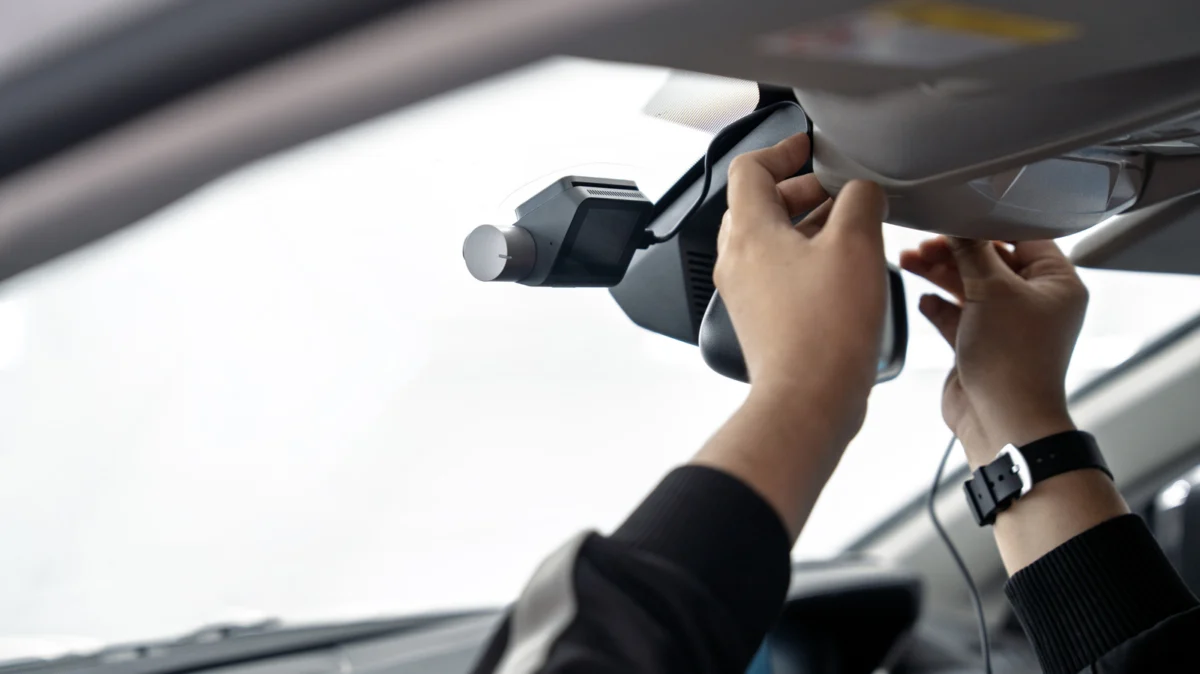
In the modern automotive landscape, the backup camera has evolved from a luxury novelty into a fundamental safety standard. Since May 2018, the National Highway Traffic Safety Administration (NHTSA) has mandated that all new vehicles sold in the United States come equipped with rear-visibility technology. This regulation was born from the tragic frequency of "back-over" accidents involving pedestrians, children, and property.
However, the average age of a vehicle on American roads now exceeds 12 years. This means millions of drivers operate daily without the benefit of a digital "third eye." For these owners, the choice is clear: either upgrade to a modern vehicle or embrace the burgeoning market of aftermarket backup camera systems. While these add-on units may lack the seamless integration of factory-installed hardware, they represent a significant leap in safety and convenience for the older-vehicle segment.
The Evolution of Rear-Visibility Technology
The journey of the backup camera began in the 1950s with concept cars like the Buick Centurion, which utilized a rear-mounted television camera. However, it wasn’t until the early 2000s that the technology became commercially viable for mass-market consumer vehicles.
A Chronology of Adoption
- 2002: The Infiniti Q45 becomes one of the first vehicles in the U.S. to offer an integrated backup camera.
- 2008: The technology gains traction in luxury SUVs and minivans, marketed as a "parking aid" rather than a primary safety feature.
- 2014: The NHTSA issues the Final Rule requiring all new light-duty vehicles (under 10,000 lbs) to include rear-view visibility systems.
- 2018: The mandate takes full effect, effectively standardizing backup cameras across all new model-year vehicles.
- 2020–Present: The aftermarket sector experiences a boom, fueled by affordable wireless technology, high-definition sensors, and smartphone integration.
How Aftermarket Systems Function: The Mechanics of Visibility
For vehicle owners looking to avoid the $600+ price tag associated with professional, hard-wired installations, wireless aftermarket systems offer a pragmatic solution. These kits, which range from budget-friendly $40 units to sophisticated $400 setups, operate through a combination of wireless transmission protocols and modular hardware.
Signal Transmission and Connectivity
Unlike factory systems that use shielded, high-bandwidth cables running through the vehicle’s chassis, aftermarket wireless cameras rely on data transmission protocols.
- Dedicated Radio Frequencies (RF): Many mid-tier systems utilize a 2.4GHz digital signal to transmit video from the rear license plate frame to a dashboard monitor. This avoids the interference issues that plagued older analog systems.
- Wi-Fi Direct: High-end models often create a private Wi-Fi network that links the camera to a smartphone or a dedicated tablet-style display.
- Bluetooth: While less common for high-resolution video due to bandwidth limitations, some legacy systems still employ Bluetooth, though these are increasingly being phased out in favor of more stable digital RF solutions.
Power Management Strategies
The most significant hurdle in retrofitting a backup camera is power. Manufacturers have addressed this through three primary configurations:
- Tail Light Integration: The camera is spliced into the vehicle’s reverse light circuit. When the driver shifts into reverse, the camera receives power and simultaneously signals the monitor to wake up.
- Solar/Battery Power: Designed for the non-technical user, these cameras feature a rechargeable battery and, in some cases, a small solar panel to trickle-charge the unit. These systems typically pair with a smartphone app, requiring the user to manually trigger the feed.
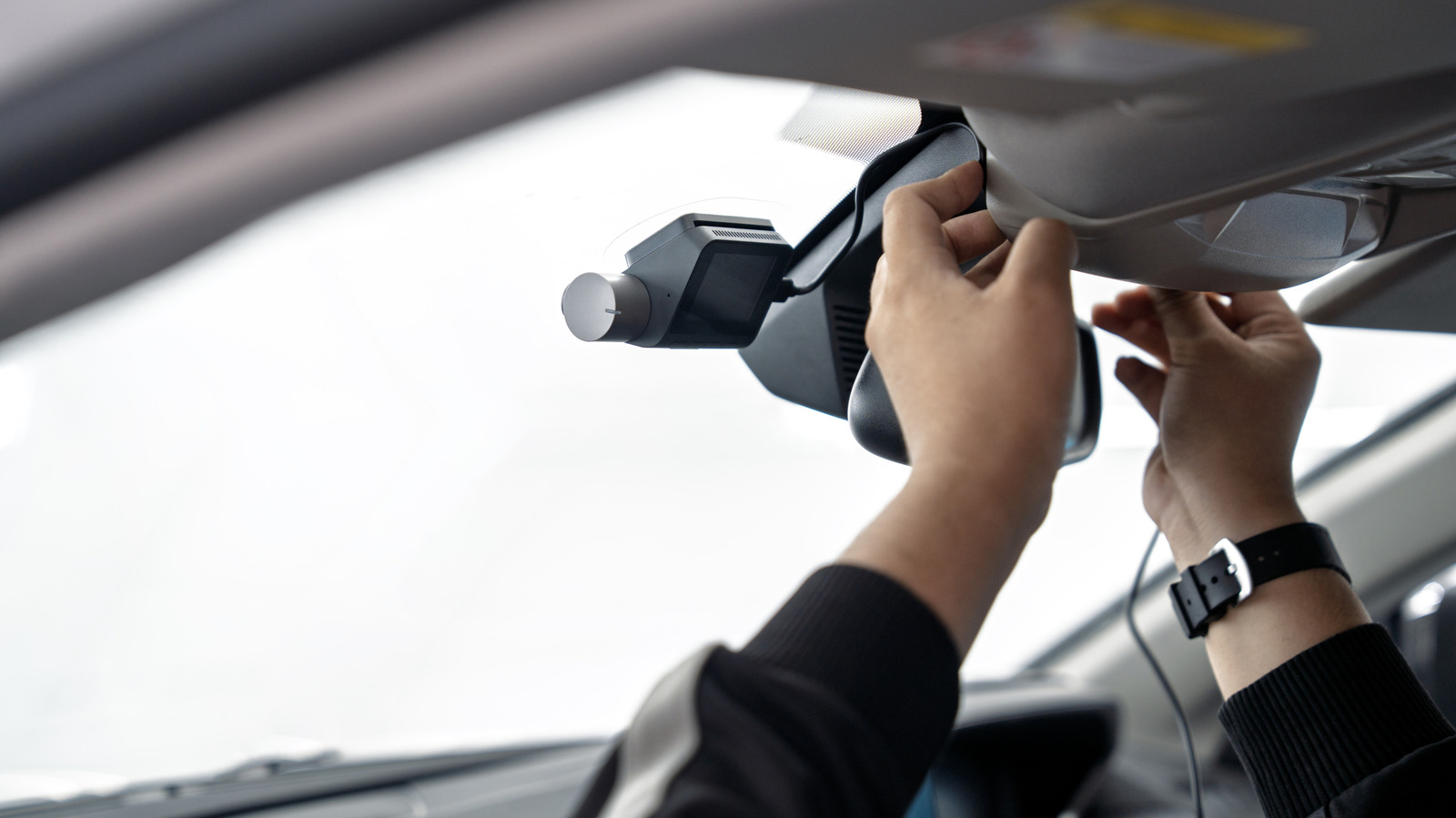
- Constant Power/USB: Dash-cam style backup systems often pull power from a cigarette lighter or USB port, recording continuously or triggering based on proximity sensors.
Supporting Data: Safety and Reliability Metrics
While integrated systems are tightly coupled with the vehicle’s CAN bus (the internal communication network of the car), aftermarket systems operate largely in isolation. This creates a disparity in performance that prospective buyers must understand.
Image Compression and Latency
Because wireless cameras must compress video data to transmit it over the air, there is often a slight decrease in image fidelity compared to wired systems. Furthermore, "latency"—the delay between a physical movement and the image appearing on the screen—can vary.
- Factory Systems: Latency is typically sub-50 milliseconds.
- High-Quality Aftermarket: Latency ranges from 100 to 200 milliseconds.
- Budget Aftermarket: Can experience latency exceeding 300 milliseconds, which, while minor, can be disorienting during rapid maneuvers.
The "Field of View" Standard
Most aftermarket cameras utilize a wide-angle "fish-eye" lens. While this maximizes the viewing area, it introduces barrel distortion. Most systems are designed to flip the video image horizontally, mimicking the perspective of a traditional rearview mirror so that the left and right sides of the screen match the driver’s natural spatial awareness.
Implications: The Missing "Smart" Features
A common misconception among consumers is that an aftermarket camera provides the same "peace of mind" as a factory system. However, there is a critical distinction between a camera and a system.
The Absence of Sensor Fusion
New vehicles utilize "Sensor Fusion," a process where the backup camera feed is overlaid with data from ultrasonic parking sensors and radar. These sensors provide audible "beeps" that increase in frequency as the vehicle nears an object. Most aftermarket cameras are purely visual; they provide the feed, but they do not provide the distance-to-object telemetry. Unless the kit explicitly includes proximity sensors, the driver is entirely responsible for judging the distance based on the visual feed alone.
Durability and Environmental Factors
Factory cameras are engineered to withstand the life of the vehicle, protected by internal housing and waterproof seals. Aftermarket cameras, particularly those mounted to the exterior, are exposed to extreme temperature fluctuations, road salt, and high-pressure car washes. While many are rated IP67 or IP68 for water resistance, the long-term reliability of the wireless transmitter—often housed in a plastic casing—is significantly lower than that of factory-installed hardware.
Official Perspectives and Safety Recommendations
The automotive aftermarket industry, represented by groups like the Specialty Equipment Market Association (SEMA), argues that these products play a vital role in road safety. By democratizing access to rear-view technology, these devices prevent thousands of low-speed collisions annually.
However, safety advocates urge caution. The NHTSA emphasizes that backup cameras should never be a substitute for the "three-point check": looking through the rear window, checking side mirrors, and using the camera. There is a phenomenon known as "automation bias," where drivers become overly reliant on the camera, leading them to neglect the blind spots that even the best wide-angle cameras cannot cover.
Final Considerations for the Consumer
For those considering an upgrade, the market is currently split into three tiers:
- The Entry-Level DIY: Solar-powered, app-based cameras. Ideal for low-frequency drivers who want a simple visual aid without touching the car’s wiring.
- The Mid-Tier Hardwired: Systems that tap into the reverse light circuit. These offer the best reliability, as they activate automatically with the gear shift.
- The Advanced Integrated: Multi-camera systems that include dash-cam functionality and built-in parking sensors. These offer the closest experience to a modern vehicle but require significant installation labor.
The Verdict
Aftermarket backup cameras are an essential tool for modernizing an older fleet, but they come with a caveat: they are a supplement, not a replacement, for attentive driving. When selecting a system, prioritize brands that offer high-resolution digital transmission (to avoid interference) and verify the IP rating of the camera unit.
While you may not get the sophisticated distance-alert beeps or the seamless dashboard integration of a 2024 model, an aftermarket camera remains one of the most cost-effective ways to bring your older vehicle into the modern safety era. By bridging the gap between legacy hardware and current standards, these devices ensure that even the oldest cars on the road can benefit from the evolution of safety technology.