The Lifespan of Your Pocket Computer: Understanding Google Pixel Software Support Cycles
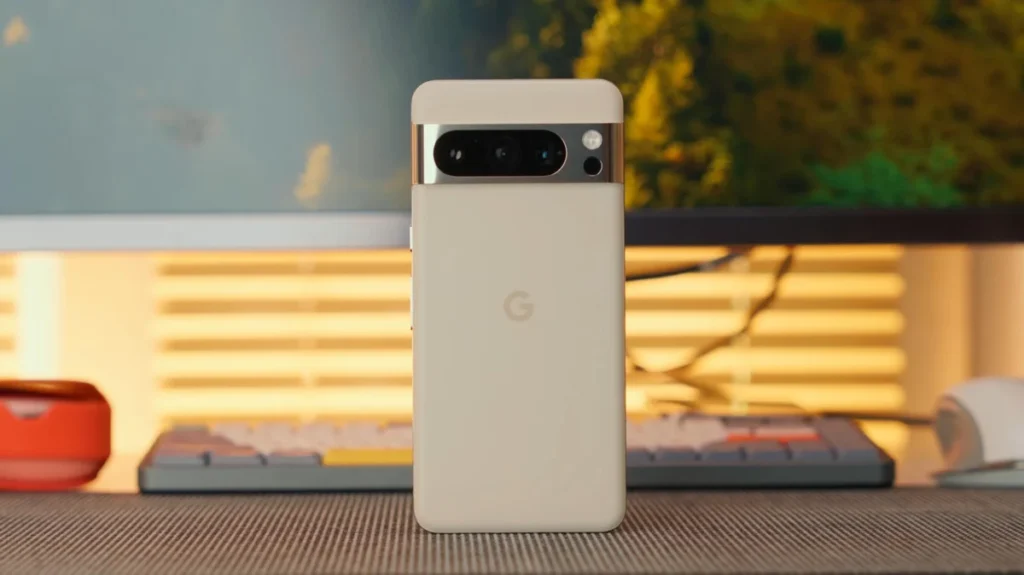
In the modern era, the smartphone has transitioned from a mere communication device to the central hub of our digital lives. We entrust these devices with our banking credentials, private communications, biometric data, and professional workflows. Yet, unlike a laptop or a desktop computer, the smartphone is often viewed as a disposable commodity. As the hardware ages, so too does the software that keeps it secure.
For years, the Android ecosystem struggled with a reputation for "planned obsolescence," where devices would cease to receive critical security patches mere years after their initial release. Google, as the architect of the Android platform, has recently taken aggressive steps to reverse this narrative. With the introduction of the Pixel 8 series in 2023, the tech giant set a new industry benchmark: seven years of guaranteed software support. But for the average consumer, navigating the complex timeline of updates—ranging from five to seven years depending on the model—can be a daunting task.
The Paradigm Shift: Why Long-Term Support Matters
The importance of software support cannot be overstated. A smartphone is not just hardware; it is a living ecosystem of firmware, kernel drivers, and OS-level security features. When a manufacturer ends support, they stop patching vulnerabilities that could allow malicious actors to hijack a device, steal data, or install ransomware.
Google’s decision to commit to seven years of updates—covering both major OS upgrades and monthly security patches—was a watershed moment. This commitment surpassed the previous industry leaders and forced competitors to re-evaluate their own support lifecycles. By extending the life of a device, Google isn’t just improving user experience; they are addressing the environmental impact of e-waste and increasing the long-term value of their hardware. If a phone remains functional and secure for seven years, the consumer’s investment is effectively doubled compared to a device that becomes obsolete in three.
Chronology of Support: Mapping Your Pixel’s Future
To determine how much life your specific device has left, one must look at the release date of the handset on the official Google Store in the United States. Google’s support window begins the moment the device hits the retail market.
The "Obsolete" Era (Pixel through Pixel 5a)
For owners of legacy hardware, the news is definitive: the original Google Pixel (2016) through the Pixel 5a (2021) have reached their end-of-life (EOL). These devices no longer receive official security patches from Google. While they may still function for basic tasks, they are increasingly vulnerable to sophisticated cyber-attacks.
The Five-Year Commitment (Pixel 6, 7, and Original Fold)
The Pixel 6 and 7 families, along with the first-generation Pixel Fold, operate on a five-year support model.
- Pixel 6 and 6 Pro: Support concludes in October 2026.
- Pixel 6a: Support concludes in July 2027.
- Pixel 7 and 7 Pro: Support concludes in October 2027.
- Pixel 7a: Support concludes in May 2028.
These devices remain highly capable, but users should begin planning for an upgrade as these dates approach, particularly if they utilize their phones for sensitive financial transactions.
The Seven-Year Gold Standard (Pixel 8 and Beyond)
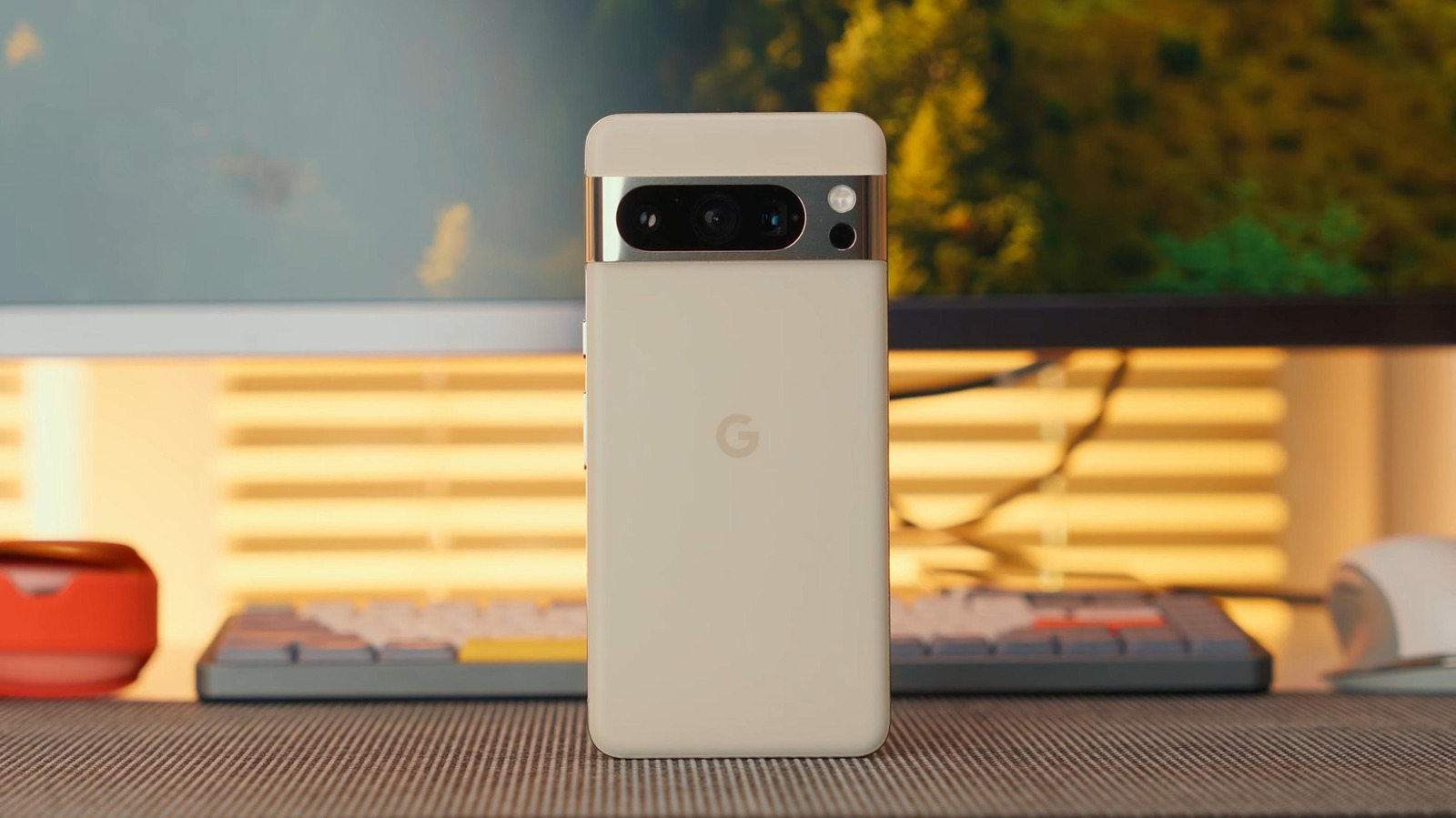
Beginning with the Pixel 8, Google solidified its promise of seven years of full support. This category represents the new frontier of Android longevity.
- Pixel 8 and 8 Pro: Supported through October 2030.
- Pixel 8a: Supported through May 2031.
- Pixel 9 and 9 Pro: Supported through August/September 2031.
- Pixel 9a: Supported through April 2032.
- Pixel 10 and 10 Pro: Expected support through August 2032.
- Pixel 10a: Expected support through March 2033.
- Pixel 11 and 11 Pro: Expected support through August 2033.
Supporting Data: The Cost of Security
Security researchers have noted that the majority of mobile malware targets vulnerabilities that have been known for months, if not years. When a phone stops receiving updates, the "attack surface" of the device grows exponentially. Manufacturers provide patches to close these holes; without them, a user is essentially driving a car with an unlocked door and no security system.
Data indicates that the resale value of a phone correlates strongly with its remaining update life. A device with three years of updates remaining retains a significantly higher percentage of its value than one nearing its EOL. This economic reality is a primary driver behind the shift toward longer support windows—manufacturers have realized that consumers are willing to pay a premium for hardware that doesn’t need to be replaced every 24 months.
Official Responses and Strategic Vision
Google has positioned its software support policy as a core pillar of the "Pixel experience." In their official support documentation, they emphasize that the seven-year promise includes "Feature Drops," which are periodic updates that bring new functionality to existing phones. This distinguishes Google’s approach: it is not just about keeping the phone safe, but keeping it modern.
Industry analysts suggest that this strategy is also a defensive move against Apple. Historically, Apple has maintained long-term support for its iPhones, often supporting hardware for six or seven years. By matching this, Google removes the primary barrier to entry for users considering a switch from iOS to Android. It is a strategic move to build brand loyalty and ecosystem lock-in, ensuring that a user who buys a Pixel 8 today has no functional reason to switch brands until the turn of the decade.
Implications: The DIY Dilemma
For those who are not ready to abandon their devices after the official support period ends, there is a temptation to turn to the "Custom ROM" community. Projects like LineageOS and GrapheneOS are legendary in the enthusiast community for breathing new life into aging hardware.
The Risks of Custom Firmware
While these projects are impressive, they are not a silver bullet.
- Hardware Incompatibility: Custom ROMs often struggle with proprietary drivers. When Google stops providing firmware updates for components like the modem, camera, or display controller, a custom ROM cannot fix these underlying issues.
- Security Trade-offs: GrapheneOS, which is highly regarded for its focus on privacy and security, still relies on the base firmware provided by the manufacturer. If that firmware has a deep-level exploit, no amount of software "hardening" on top can fully remediate it.
- App Functionality: Many modern banking, payment, and streaming apps utilize "SafetyNet" or "Play Integrity" APIs. These APIs detect if a bootloader is unlocked or if the OS is unofficial. Installing a custom ROM often breaks these features, rendering apps like Google Wallet, Netflix, or secure banking apps non-functional.
For the average user, the advice from cybersecurity professionals is clear: once the official security patches cease, the device should be relegated to non-sensitive tasks—such as a dedicated media player or a smart-home controller—or retired entirely.
Conclusion: A New Era for Android
The landscape of mobile computing is undoubtedly changing for the better. The era of the "two-year disposable phone" is coming to a close, replaced by a model that prioritizes sustainability and long-term security.
As a consumer, the most important takeaway is to be mindful of your device’s "birth date." By checking the Google support pages and being aware of when your specific model will reach its sunset, you can make informed decisions about when to upgrade. While the seven-year promise is a massive win for the consumer, it is also a reminder that in our digital world, the clock is always ticking. Staying informed is the first step in ensuring your personal data remains as secure as the hardware it resides on.