Beyond the Microscopic: A Deep Dive into the Creative Triumphs of Ludum Dare 56
The world of game development is often defined by grand ambitions—expansive open worlds, intricate narrative branching, and cutting-edge graphical fidelity. However, for a few frantic days each year, the industry’s focus shifts toward a different kind of challenge: the constraint-based creativity of Ludum Dare. On October 7th, 2024, the curtain fell on Ludum Dare 56, the latest iteration of one of the world’s most prestigious game jams. This year, developers were tasked with an evocative and deceptively simple theme: "Tiny Creatures."
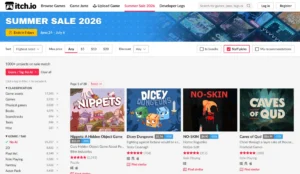
Over the course of a 48-hour "Compo" or a 72-hour "Jam," hundreds of developers pushed the boundaries of their technical skill and artistic vision. The result? A vibrant ecosystem of over 800 submissions on itch.io that prove, quite definitively, that the most compelling gameplay often comes in the smallest packages.

The Core Facts: What is Ludum Dare?
Ludum Dare is a marathon event for game developers, operating on a philosophy of "rapid prototyping." Founded in 2002, it has evolved into a global phenomenon where participants are given a theme at the start of the weekend and must produce a fully functional game from scratch before the clock expires.
The 56th iteration was particularly noteworthy for the diversity of its entries. With the theme "Tiny Creatures," the scope for interpretation was immense. Some developers leaned into the biological, creating simulators for insects or microorganisms. Others took a more metaphorical approach, crafting stories about microscopic laborers, miniature deities, or even the unseen spirits inhabiting a household. The event serves not just as a competition, but as a critical laboratory for experimental mechanics and unique aesthetic choices that might otherwise never see the light of day in a commercial project.

Chronology: The Pulse of a 72-Hour Sprint
The event kicked off with a period of intense brainstorming following the announcement of the theme. For many, the first 12 hours are the most critical, involving rapid prototyping to determine if a "Tiny Creature" concept can actually be fun to play in under three days.
By the second day, the "coding crunch" sets in. This is where the structural integrity of the game is tested. During Ludum Dare 56, we saw a surge in submissions by the end of the 48-hour Compo mark, followed by a second wave of more polished, feature-rich entries arriving as the 72-hour Jam deadline approached.

The immediate aftermath, from October 8th through the following weeks, saw a massive influx of community feedback. The itch.io platform acted as the central hub, with developers playing, rating, and providing constructive criticism for one another’s projects. This peer-review culture is the lifeblood of Ludum Dare, fostering a cycle of learning and improvement that defines the community’s longevity.
Supporting Data: A Spectrum of Innovation
The breadth of entries at Ludum Dare 56 was staggering. Analyzing the top-performing games reveals a fascinating trend toward genre-blending. We have categorized some of the standout titles based on their mechanical focus and player engagement:
The Simulation and God-Game Genre
- Build The Sun: A standout in the pixel-art category, this title captures the essence of creation. Players begin with a humble flame and nurture it through a process of exploration and settlement, eventually evolving it into a celestial body. It turns the "Tiny Creature" theme into a cosmic journey of growth.
- Vox Regis: This title takes a more cynical approach. As a medieval king, the player must manipulate factions to keep them small and manageable. By using voice-controlled mechanics to incite chaos, it explores the political side of the theme, proving that "tiny" can also refer to influence and power.
Puzzle and Exploration Mechanics
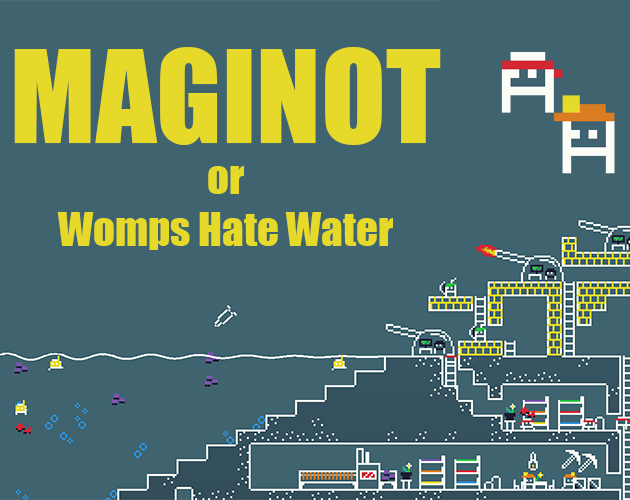
- Maginot: An incremental colony builder that emphasizes the struggle against the elements. The game tasks players with digging deep to protect their colony of "Womps" from the encroaching sea. Its success lies in its satisfying feedback loops—a hallmark of great incremental design.
- Fear of the Ungnome: By utilizing procedural generation, this first-person puzzle game offers a unique experience each time it is played. The search for a "Great Aunt’s gnome" transforms the domestic space into a surreal landscape of discovery.
- Mini Beasts: A masterclass in minimalist design, this puzzle game focuses on the simple pleasure of color-matching, showing that you don’t need complex systems to create a deeply engaging experience.
The Survivalist Perspective
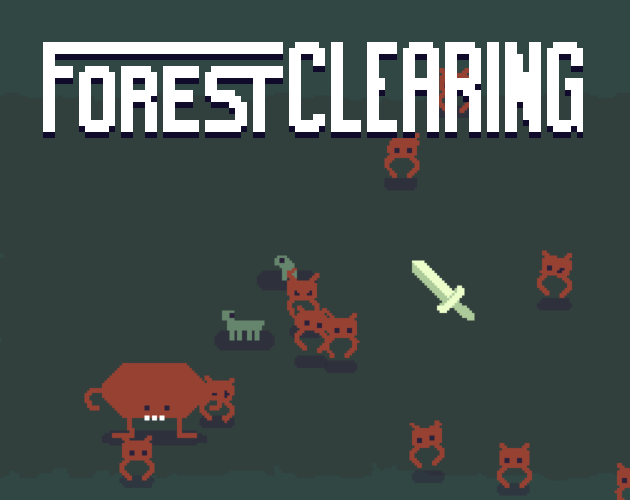
- FOREST CLEARING: This title offers a moral quandary. Players must choose between protecting their forest friends or harvesting them to upgrade their equipment. It is a grim, compelling loop that forces the player to consider the value of the "tiny" lives they control.
- Creature Packets: Utilizing a unique PS1-inspired aesthetic, this game turns the act of creation into a culinary experiment. By microwaving packets to bring creatures to life and using blenders to experiment with substances, it captures the "mad scientist" vibe that fits perfectly with the jam’s theme.
Official Perspectives and Community Sentiment
The sentiment from the organizers at itch.io reflects a broader industry appreciation for the "Ludum Dare effect." In their official recap, the platform highlighted how these games serve as a litmus test for emerging trends in game design.
"The beauty of Ludum Dare," noted one community lead, "is that it strips away the bloat of modern game development. You don’t have time for a three-year roadmap or a massive marketing budget. You have an idea, a keyboard, and a deadline. The resulting work is raw, honest, and often surprisingly deep."
The community response has been equally enthusiastic. On forums and social media, participants have praised the "Tiny Creatures" theme for being accessible enough for beginners while offering enough complexity for veterans to experiment with AI and procedural generation. The recurring theme in player comments is a sense of "cozy curiosity"—many players expressed a desire to see these small, prototype-level concepts expanded into full, commercial releases.
Implications for the Future of Indie Development
What does Ludum Dare 56 mean for the wider gaming landscape? The success of these games carries several key implications:

- The Rise of the "Micro-Experience": There is a growing appetite for games that can be completed in a single sitting. As players face increasing digital fatigue, the concise, focused gameplay found in these jam entries is becoming a preferred format for many.
- Aesthetic Nostalgia: The popularity of PS1-styled graphics and pixel art in this year’s submissions confirms that players are not necessarily looking for photorealism. Instead, they are looking for art directions that convey personality and atmosphere with efficiency.
- Low-Barrier Accessibility: Games like Please Find Them (a hidden object game) and Tiny Colony (a gravity-based browser game) highlight that accessibility is king. By making their games playable directly in the browser, these developers have ensured the widest possible audience, a strategy that is becoming essential for indie visibility.
- Experimental Mechanics: The use of voice control in Vox Regis and the "slingshot" gravity mechanics in Tiny Colony demonstrate that game jams are where the next big industry standard might be born. When developers aren’t afraid to fail, they are much more likely to stumble upon a breakthrough mechanic.
Conclusion
Ludum Dare 56 was more than just a contest; it was a testament to the endurance of creative ingenuity. By challenging developers to work within strict constraints, the event revealed that "Tiny Creatures" was a theme with infinite potential. Whether through the lens of a celestial god, a hungry harvester, or an intrepid exterminator, these games reminded us that the scale of a game’s world is secondary to the depth of the experience it provides.
As we look toward the future of game development, we can expect the lessons learned during this weekend to trickle into the wider industry. The next indie darling, the next viral sensation, or the next shift in game design may very well have started as a 48-hour experiment on a laptop screen. For those interested in exploring these titles, the itch.io repository remains open, serving as a permanent archive of the 800+ worlds created in just one weekend.
What will the next theme bring? Only time will tell. But if Ludum Dare 56 is any indication, the future of gaming is in excellent, albeit occasionally tiny, hands.