Google Prepares to Expand Wearable Lineup: The Impending Arrival of the "Fitbit Edge"
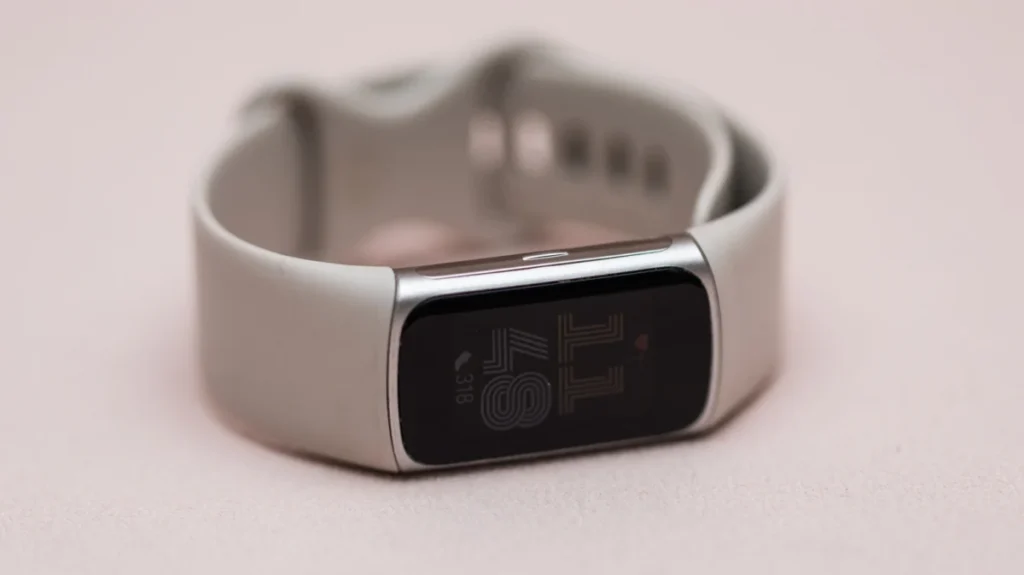
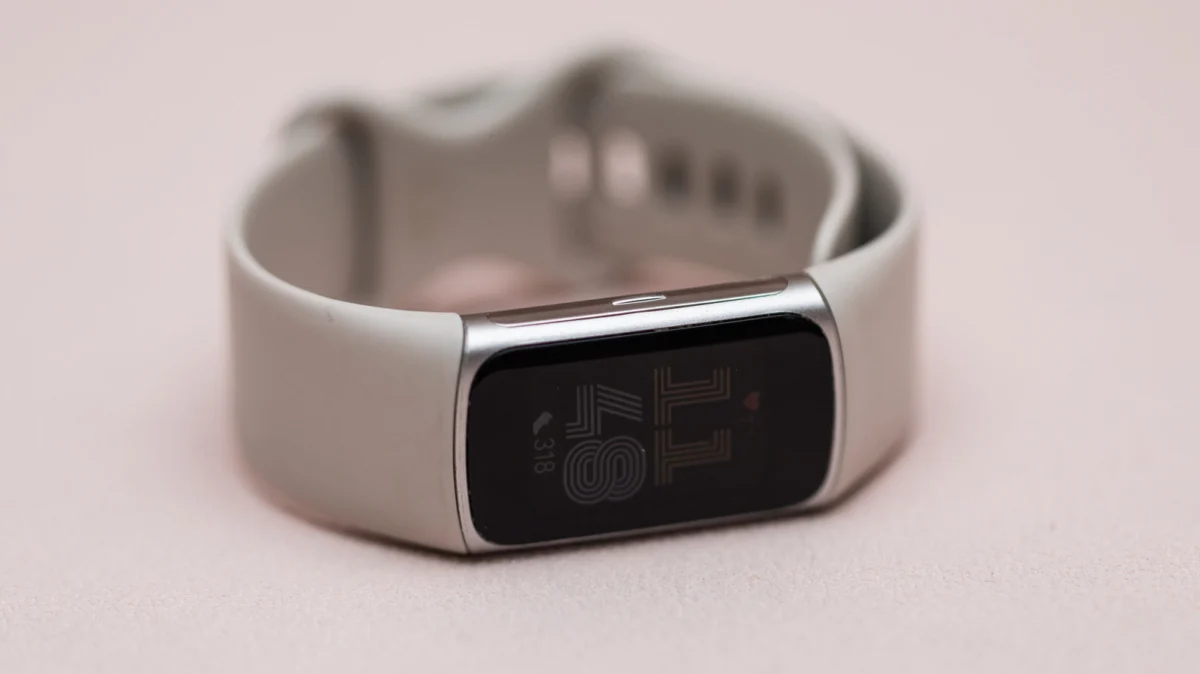
In an era where personal health data has become as essential as a smartphone, Google is doubling down on its commitment to the fitness-tracking market. After months of speculative leaks and fragmented marketing appearances, the tech giant has officially signaled that a new device is on the horizon. Through a series of coordinated posts across its official social media channels, including Instagram and X (formerly Twitter), Google has effectively confirmed the existence of the "Fitbit Edge," a new wearable poised to bridge the gap between entry-level trackers and high-end smartwatches.
The announcement, anchored by the tagline "Get an Edge on your health," points to an official unveiling on October 12, 2026. This move marks a strategic shift for Google’s health division, which has been working to harmonize the Fitbit brand’s legacy with the sophisticated software ecosystem of the Pixel line.
The Core Facts: What We Know About the Fitbit Edge
The Fitbit Edge arrives at a critical juncture for Google’s wearable portfolio. Positioned as a mid-tier offering, the device aims to solve a "Goldilocks" problem for consumers: it is designed to be more functional than the screenless Fitbit Air, yet more accessible and streamlined than the flagship Pixel Watch 5.
Key details regarding the hardware suggest a focus on both aesthetics and endurance. Early reports and technical leaks—most notably from French publication Dealabs—indicate that the device will feature a vibrant, responsive display, a departure from the stripped-back interface of the Air. Hardware-wise, the inclusion of a physical side button, teased in Google’s own social media imagery, confirms that the company is returning to tactile navigation, a feature highly requested by users who struggle with gesture-only controls during intense workouts.
Battery life is expected to be a primary selling point. Reports suggest the Fitbit Edge will offer up to seven days of usage on a single charge under standard conditions, provided the always-on display (AOD) is toggled off. When the AOD feature is active, that endurance is expected to drop to approximately two days, which remains competitive within the current fitness tracker market. Regarding pricing, early European reports suggest a retail tag of approximately €179. If translated to the North American market, industry analysts expect a price point in the neighborhood of $180, placing it firmly in the mid-range category.
A Chronological Evolution: From Rumor to Reality
The journey of the Fitbit Edge from concept to product launch has been a masterclass in modern tech "breadcrumb" marketing. The device’s path to the consumer has been marked by a series of deliberate—and perhaps accidental—appearances.
- August 2026: The first whispers of a new device emerged when tech enthusiasts and eagle-eyed observers at 9to5Google identified an unknown fitness tracker appearing in promotional materials for the Pixel 11 smartphone. At the time, the device was visually distinct from existing Fitbit models, fueling speculation that a new hardware cycle was beginning.
- Early October 2026: The rumors shifted from visual speculation to concrete technical detail. Android Headlines published a comprehensive leak that included high-resolution images of the Fitbit Edge, alongside a breakdown of its pre-installed software suite and health-tracking capabilities. This report was quickly followed by the Dealabs exposé, which provided the first reliable estimates for pricing and battery performance.
- October 9, 2026: Google abandoned the secrecy, confirming the device’s name and impending reveal date via its official Google Health social media accounts. The post served as the final confirmation that the "Edge" moniker was indeed the official brand identity for the upcoming hardware.
Supporting Data and Technical Context
The Fitbit Edge is not arriving in a vacuum. It is being introduced to support Google’s broader strategy of unifying the Fitbit user experience with Google Health. For years, the integration of Fitbit’s hardware prowess with Google’s backend AI has been a work in progress. The Edge appears to be designed specifically to interface with the Google Health Premium subscription service.
By offering a device that is more data-rich than the entry-level Air, Google is effectively creating a "gateway" for users to commit to the subscription ecosystem. The tracker is expected to include advanced biometrics—likely encompassing heart rate variability (HRV), blood oxygen saturation (SpO2) monitoring, and skin temperature sensing.
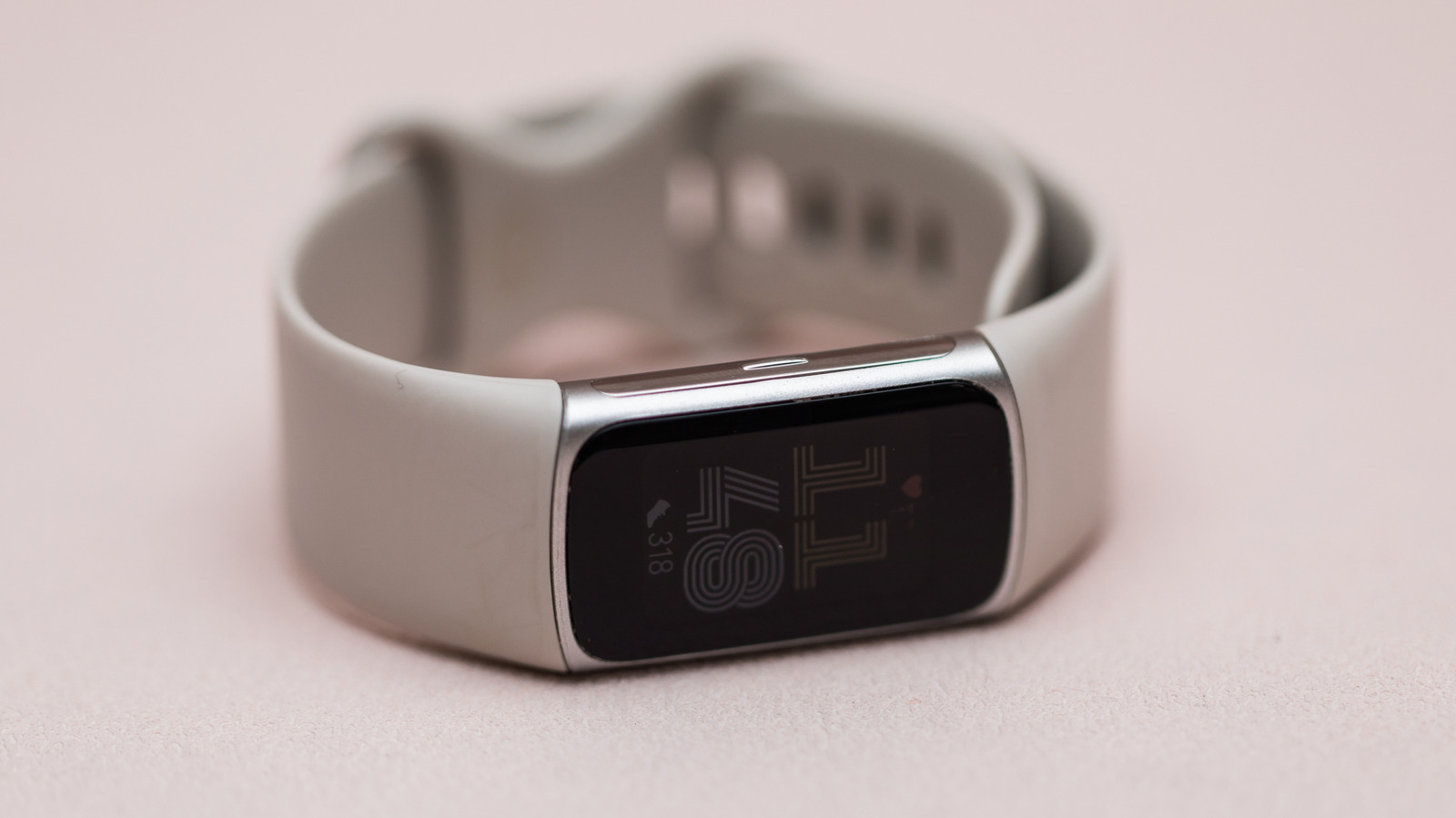
Furthermore, the physical design indicates a departure from the rounded, pebble-like aesthetic of the Fitbit Charge 6, moving toward a sleeker, more angular profile that aligns with the design language of the Pixel 11. This aesthetic consistency is crucial; as Google continues to push its "Made by Google" hardware ecosystem, having a fitness tracker that visually complements the company’s flagship smartphone is a key component of their marketing strategy.
Official Responses and Corporate Strategy
While Google has remained tight-lipped regarding specific technical specifications ahead of the October 12 event, the brevity of their social media presence says a lot. By using the phrase "Get an Edge," the company is emphasizing the proactive, performance-oriented nature of the device.
In previous quarters, Google has faced pressure to differentiate its wearables from a saturated market dominated by Garmin, Samsung, and Apple. By segmenting their catalog—Air for the minimalists, Edge for the active fitness enthusiasts, and Pixel Watch for the power users—Google is attempting to capture the entire spectrum of the wearable market.
Industry analysts suggest that the success of the Edge will depend heavily on the software experience. If the integration between the Edge’s sensors and the Google Health dashboard is seamless, it could prove to be the most compelling product in their lineup. However, if the device feels like a rehashed version of the Charge 6 with a new coat of paint, it may struggle to justify its mid-range price point in a market where budget trackers are becoming increasingly sophisticated.
Implications for the Wearable Market
The launch of the Fitbit Edge carries significant implications for the future of wearable technology. First, it signifies a stabilization of the Fitbit brand under the Google umbrella. There were fears among long-term users that the acquisition might lead to the total erasure of the Fitbit identity; however, the continued use of the "Fitbit" name on the Edge suggests that Google recognizes the brand equity held by the company’s legacy.
Second, the push toward subscription-based health insights is becoming more pronounced. The hardware is increasingly being treated as a vehicle for the software service. With the Edge, Google is betting that consumers are willing to pay for a device that not only tracks their data but provides actionable AI-driven insights via Google Health Premium.
Finally, the release schedule—coming just over a year after the launch of the Fitbit Charge 6—suggests that Google is moving toward a more predictable, annual refresh cycle for its mid-tier wearables. This provides stability for consumers and allows for incremental hardware improvements rather than radical, unpredictable design overhauls.
As October 12 approaches, the tech world remains focused on whether the Fitbit Edge can deliver on its promises. With the leaks already providing a clear picture of the hardware, the remaining questions concern the software features and the specific AI-driven health coaching capabilities that will set this device apart from its predecessors. For Google, the Fitbit Edge is more than just a watch; it is a vital link in a growing chain of health-focused devices designed to keep users locked into the Google ecosystem. Whether the market is ready to embrace another tier of wearable complexity remains to be seen, but the "Edge" is certainly set to be a focal point of the final quarter of 2026.