The Evolution of Freedom: F-Droid 2.0 Launches Amidst Mounting Android Restrictions
Since its inception in 2010, F-Droid has served as the definitive sanctuary for privacy-conscious Android users, acting as the primary repository for Free and Open Source Software (FOSS). For over a decade, it has functioned as the antithesis to the proprietary walls of the Google Play Store. Today, that legacy enters a bold new chapter with the release of F-Droid 2.0—a comprehensive, ground-up rewrite that promises to modernize the user experience while reinforcing the platform’s commitment to digital sovereignty.
A Modern Foundation: The Shift to Kotlin and Jetpack Compose
The most significant change in F-Droid 2.0 is not merely cosmetic; it is structural. After more than a year of intensive development and rigorous beta testing, the project has officially migrated its original Java codebase to Kotlin. This transition is not just a trend-following exercise; Kotlin offers safer, more concise syntax that reduces the likelihood of runtime errors, ensuring a more stable and efficient experience for users.
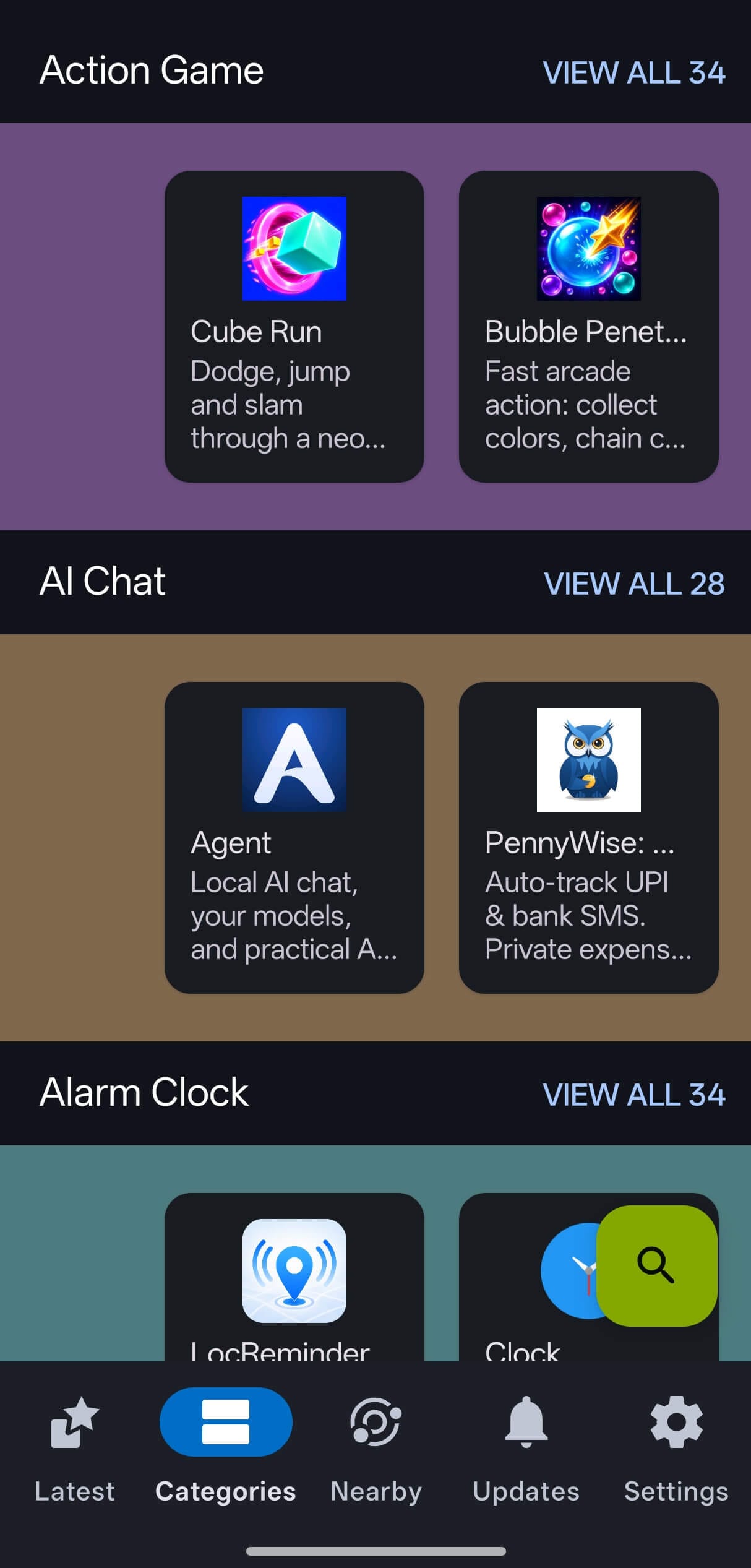
Beyond the language shift, the interface has been entirely rebuilt using Google’s Jetpack Compose. This modern UI toolkit allows for a declarative approach to interface design, enabling a fluid, responsive, and—most importantly—Material Design-compliant aesthetic. By adopting these industry-standard technologies, F-Droid 2.0 finally sheds the clunky, dated interface of its predecessors, feeling right at home on the latest versions of Android.
Redesigning the Navigation Experience
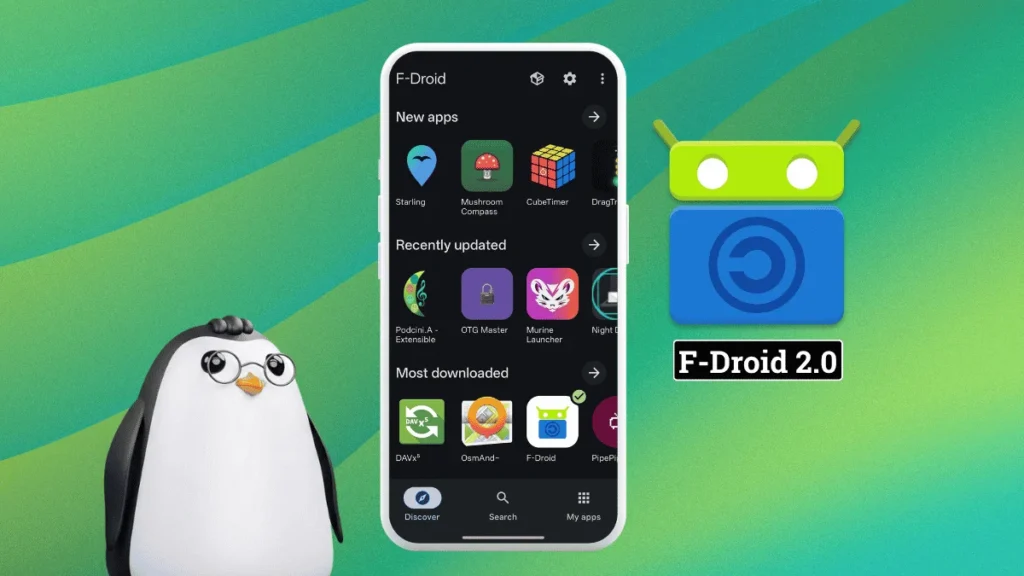
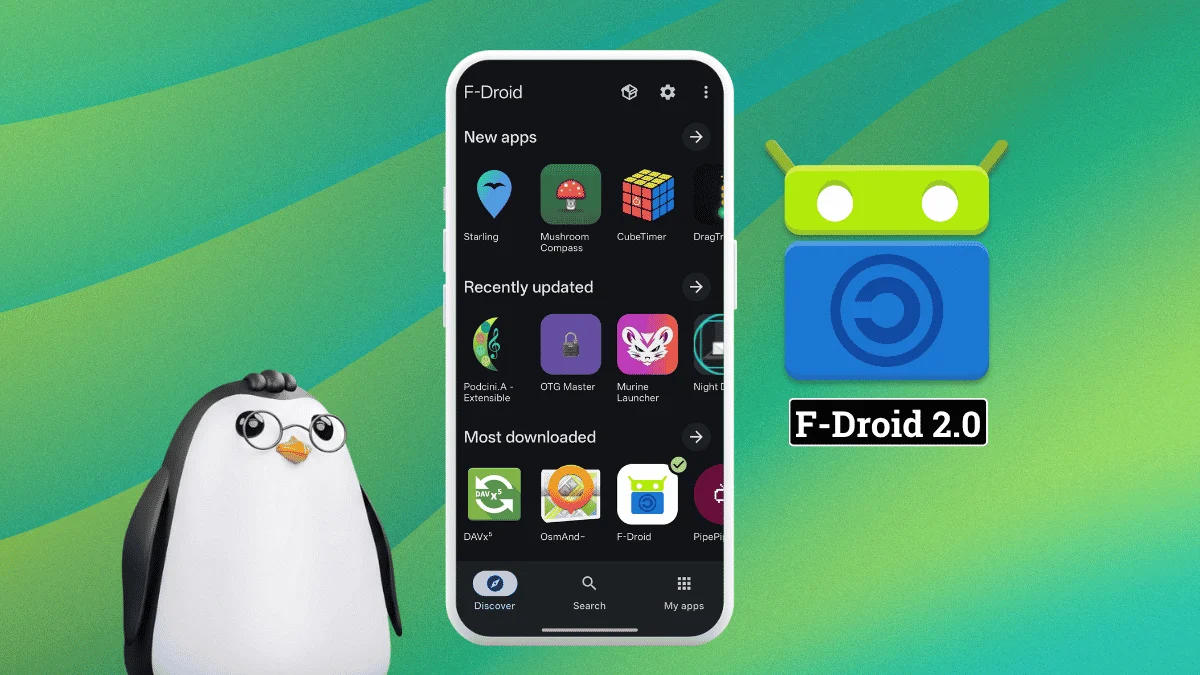
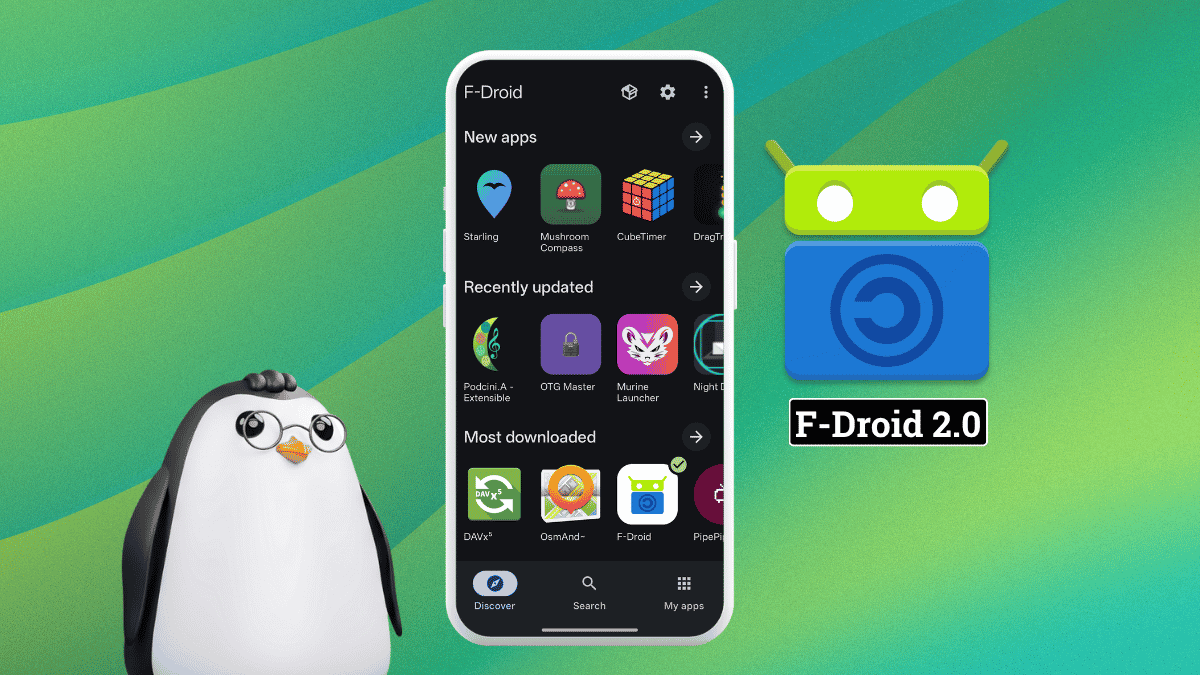
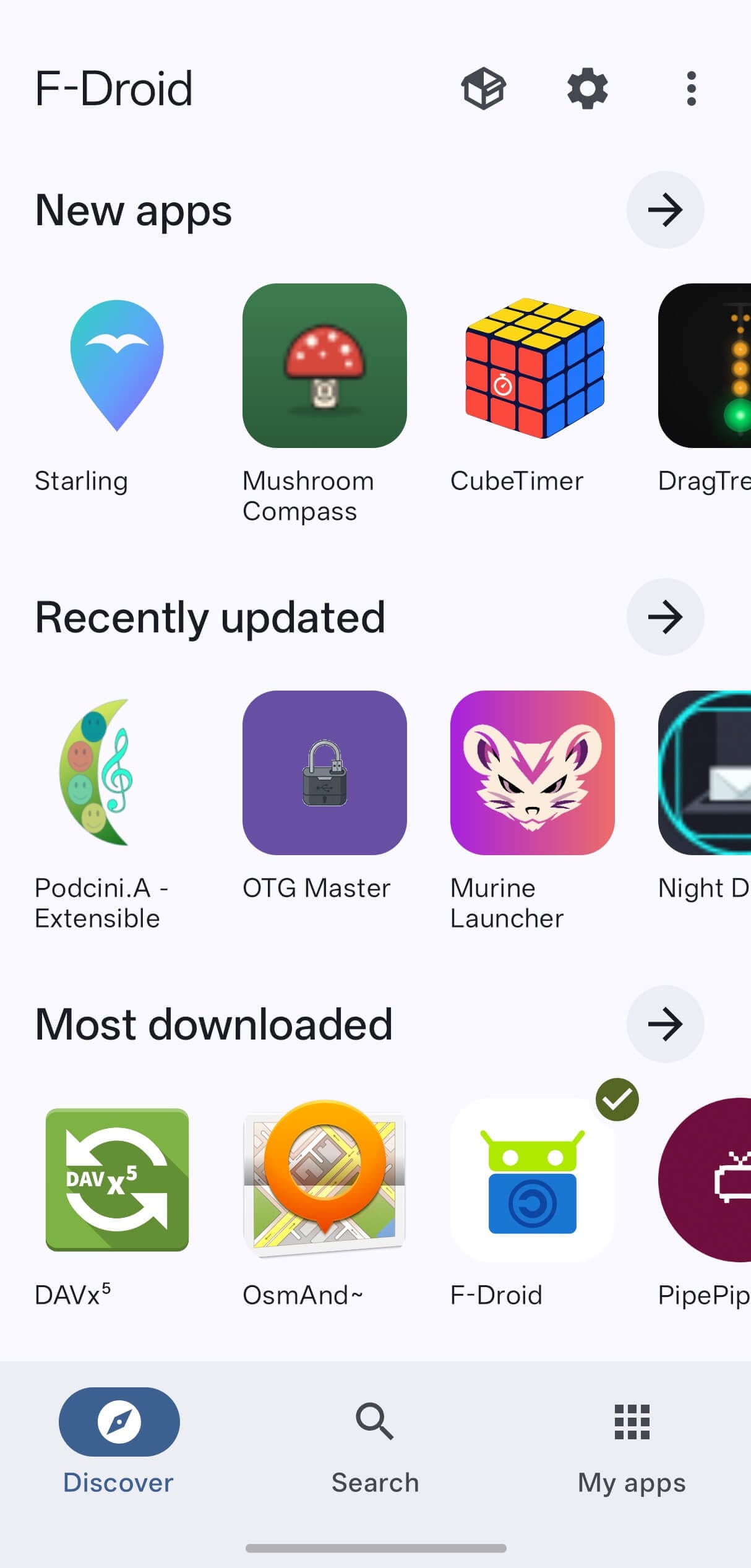
The user interface has been streamlined into a three-pronged bottom navigation bar, prioritizing ease of discovery and management:

- Discover: This is the new hub for exploration. It is intelligently curated to highlight new arrivals, trending applications, and the most downloaded software in the repository. It moves away from the overwhelming "endless list" approach of the past, opting for grouped categories that make browsing the expansive catalog intuitive.
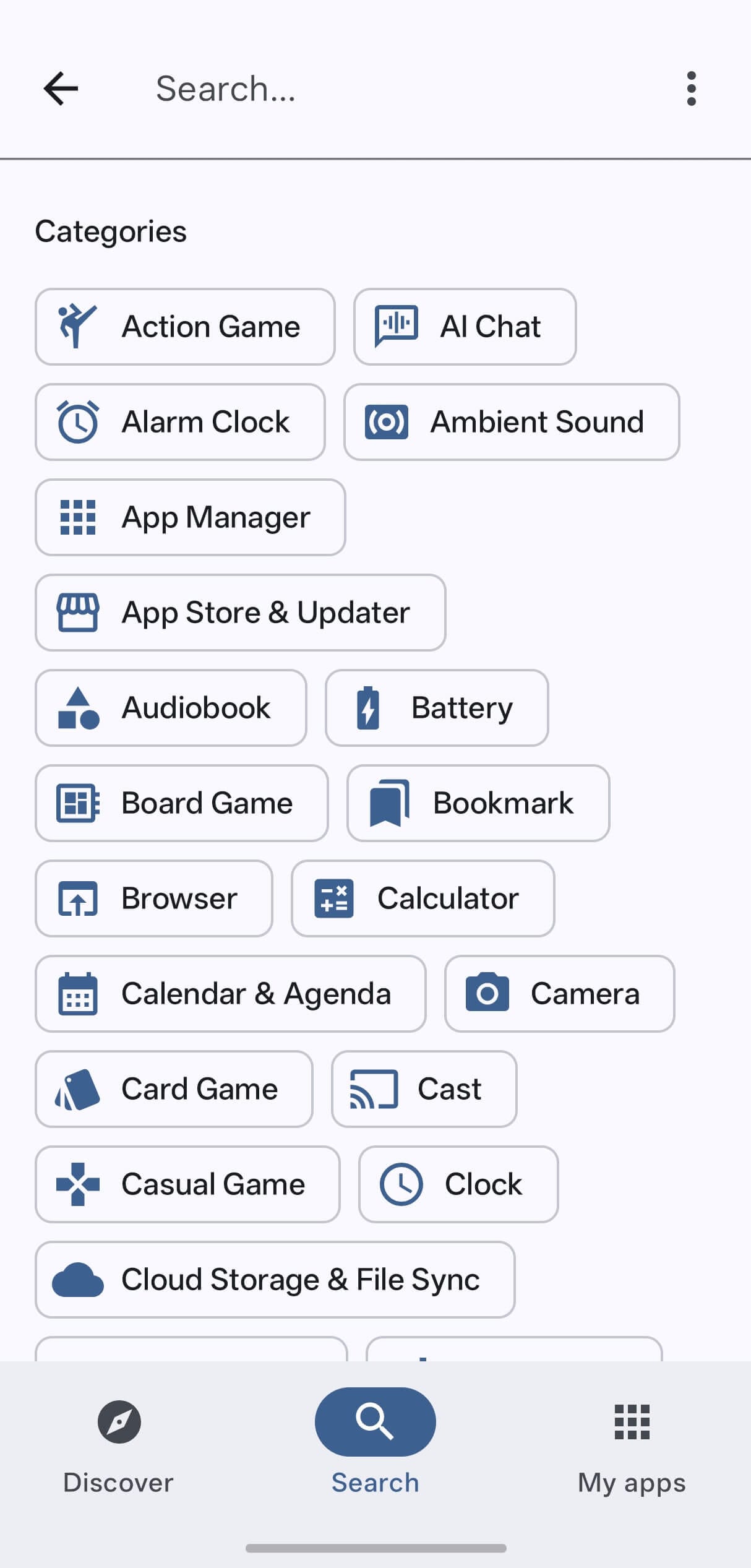
- Search: The search functionality has seen a massive upgrade. It now indexes app descriptions, translated content, and categories. Users will find improved support for non-Latin scripts, specifically Chinese, Korean, and Japanese queries. Furthermore, the inclusion of saved search history and advanced filtering—which allows users to refine results by anti-features, device compatibility, and category simultaneously—marks a significant leap in usability.
- My Apps: This section serves as the dashboard for the user’s ecosystem. It tracks installed applications, manages updates, and monitors potential issues, centralizing the "maintenance" aspect of the app.
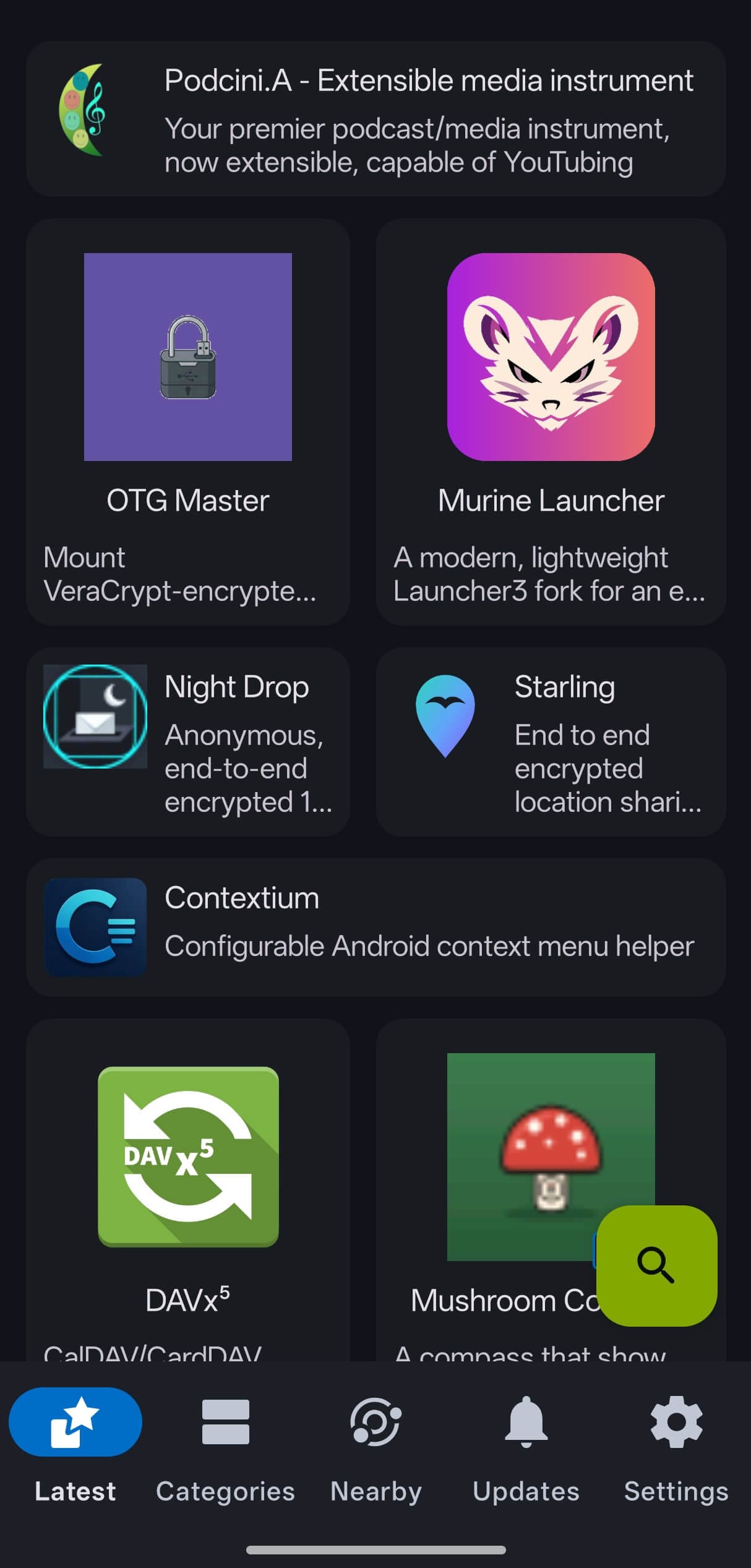
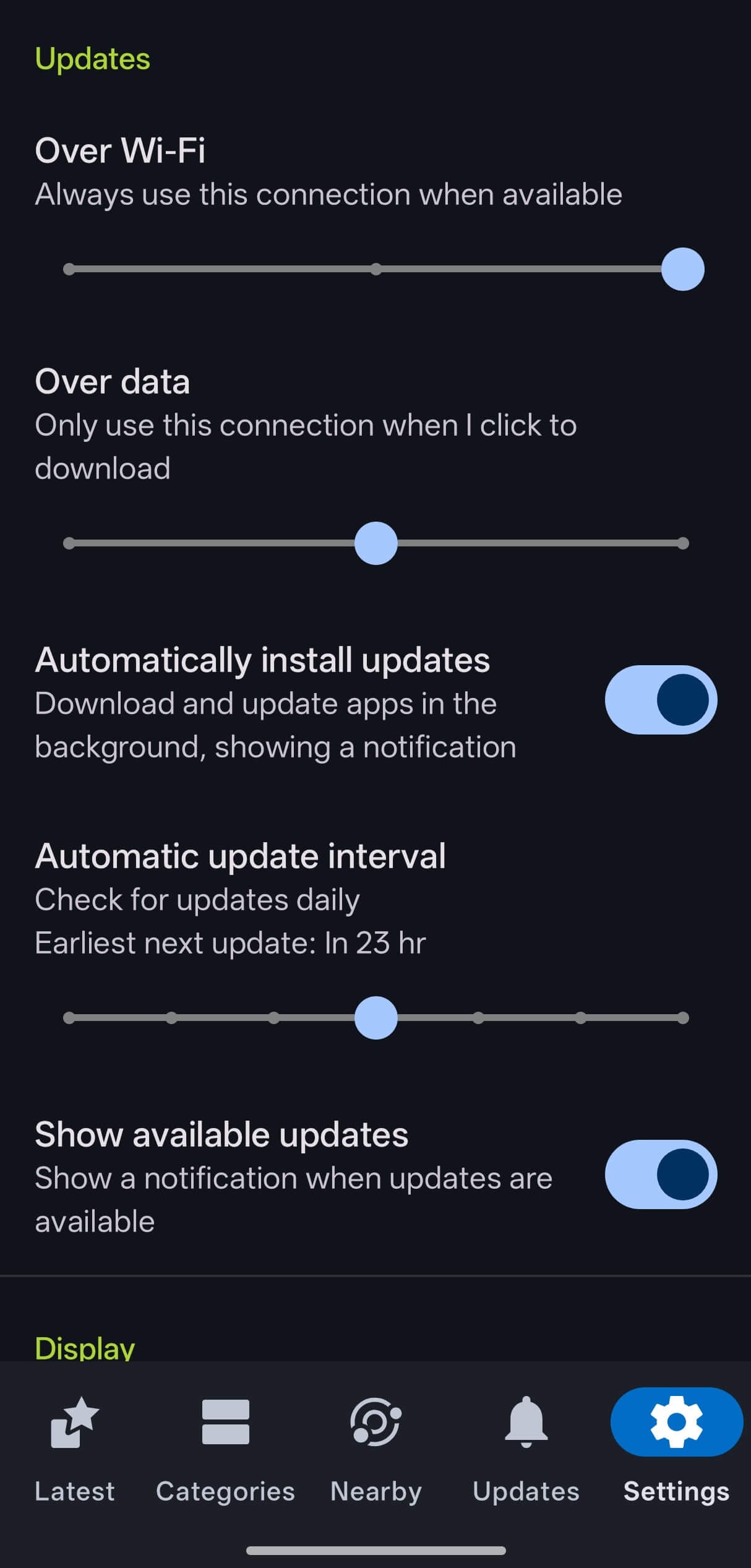
The settings menu has also been relocated to the top-right, creating a dedicated space for repository management and configuration, allowing for a cleaner main screen.
Chronology of the Rewrite
The journey to 2.0 was neither quick nor simple. It began as a response to the growing technical debt of the legacy Java application. The F-Droid team recognized that to remain viable in an ecosystem dominated by high-performance applications, they needed to modernize their core.
- Initial Conception (Late 2024): The team identified the need for a UI overhaul and a transition to modern Android development standards.
- Alpha/Beta Phase (Early 2025 – Mid 2026): Throughout an extensive testing period, the community played an active role. Through numerous Release Candidate (RC) iterations, developers collected feedback on the new architecture, ensuring that the shift to Jetpack Compose did not compromise the app’s lightweight, privacy-focused nature.
- The Rollout (October 2026): The formal transition to 2.0 began. While the update is being pushed to existing installations in waves to ensure server stability and bug identification, the community has already begun validating the performance gains.
Background Operations and Feature Refinement
While F-Droid 2.0 brings a polished look, it also introduces critical behavioral changes designed to reduce user friction.
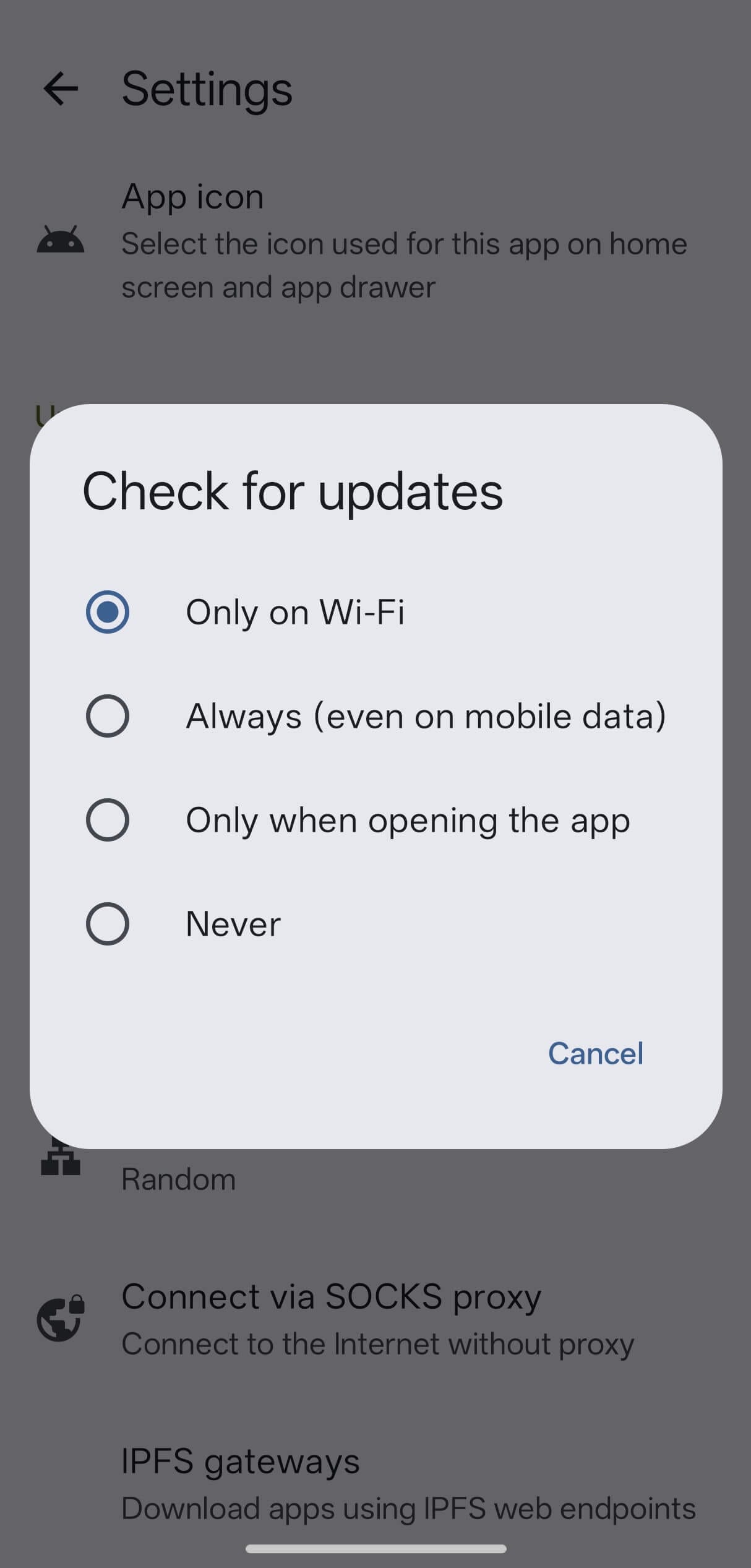
One of the most requested features was a move away from manual repository refreshes. F-Droid 2.0 now handles background updates by default. The antiquated "pull-to-refresh" gesture, while still available for those who prefer manual control, is no longer the primary method for keeping the repository current. This change ensures that users are always notified of security patches and feature updates without needing to actively seek them out.
Certain legacy tools have also been relocated or phased out to keep the footprint small. The "App Icon" modification tool, which allowed users to mask F-Droid as a calculator to avoid unwanted scrutiny, has been moved into the settings menu. Meanwhile, the "Nearby" peer-to-peer sharing tool has been temporarily removed. While this may disappoint some, the developers have indicated that the new, modular codebase makes it easier to implement such features in the future, provided they can be built to the high standards of the new 2.0 framework.
A Looming Threat: The 2027 Deadline
The launch of F-Droid 2.0 occurs under a cloud of uncertainty for the broader Android ecosystem. In August 2025, Google announced an aggressive policy change scheduled for 2027: a mandate requiring all Android app developers to register with the company, provide government-issued identification, submit signing key evidence, and pay a recurring fee.
This policy effectively creates a "walled garden" that mandates authorization from a single corporate entity to distribute software on certified Android devices. For an open-source project like F-Droid, which relies on volunteer developers and anonymous contributions, this requirement is a direct existential threat. It threatens to turn the open Android platform into a permissioned environment where software freedom is dictated by corporate compliance.
The "Keep Android Open" Response
F-Droid has not been passive in the face of this threat. Board member Marc Prud’hommeaux launched the Keep Android Open campaign, a coalition that has rapidly expanded to include over 70 organizations across 20 countries.
The signatories represent the bedrock of the digital rights and open-source movements, including:
- The Electronic Frontier Foundation (EFF)
- The Free Software Foundation (FSF)
- KDE and LineageOS
- Proton and The Tor Project
- Codeberg and VideoLAN
This coalition argues that Google’s move is an anti-competitive maneuver disguised as a security measure, intended to solidify control over the Android ecosystem at the expense of user privacy and developer autonomy.
Implications for the Future
The release of F-Droid 2.0 is a strategic statement of defiance. By significantly improving the user experience, the F-Droid team is making the platform more accessible to mainstream users who might otherwise default to the Google Play Store. They are betting that a better product will attract a larger, more loyal user base—a necessary bulwark against the potential fallout of the 2027 mandate.
As the industry approaches the 90-day countdown to the enforcement of Google’s new rules, the tension between open-source integrity and corporate control is reaching a breaking point. F-Droid 2.0 proves that the FOSS community is not only capable of matching the quality of proprietary software but is also determined to preserve the freedom to build and install software without intermediaries.
For those eager to experience the update, the rollout is currently in progress. While most users will receive the update through their existing client, those who wish to expedite the process can download the latest beta build directly from the F-Droid package portal.
In the words of the F-Droid development team, "F-Droid 2.0 represents a major milestone, but it is not the end of the story." As the community moves forward, the success of this version will be measured not just by its sleek design or efficient code, but by its ability to serve as a reliable, open, and unrestricted gateway to the digital world in an era where those values are increasingly under attack.