The Smart Shopper’s Guide: Navigating the Budget Android Market Without Compromising Performance
In the modern digital age, a smartphone is no longer a luxury; it is a vital utility. From mobile banking and navigation to professional communication and entertainment, our devices are the primary interfaces through which we interact with the world. However, the premium smartphone market has seen prices skyrocket, with flagship devices now frequently crossing the $1,000 threshold. For the average consumer, this price point is often unjustifiable.
Fortunately, the sub-$300 Android market has matured significantly. Gone are the days when buying a "budget" phone meant accepting a device that was perpetually laggy, had a screen prone to ghosting, or offered a battery life that failed by mid-afternoon. Today, it is entirely possible to secure a reliable, high-performing device at a fraction of the cost of a flagship—provided you know exactly where to draw the line between "cost-saving" and "performance-crippling."
The Philosophy of Value: Where to Cut Costs
When shopping for a budget device, the strategy is not to find a phone that does everything a $1,200 flagship does, but rather to find one that excels at the tasks you perform daily.
Strategic trade-offs are essential. You can safely sacrifice premium build materials like titanium or ceramic frames. Most users will—and should—protect their devices with a rugged case, rendering the chassis material largely aesthetic. Similarly, you can often forego advanced features like ultrasonic under-display fingerprint sensors, high-end wireless charging, or IP68 water-resistance ratings if it means securing a better processor or more RAM.
The danger lies in compromising on the "core pillars" of the user experience. If a device fails in the areas of processing power, memory, display quality, or battery endurance, it will inevitably become a source of frustration rather than a tool for productivity.
Screen and RAM: The Foundation of Modern Interaction
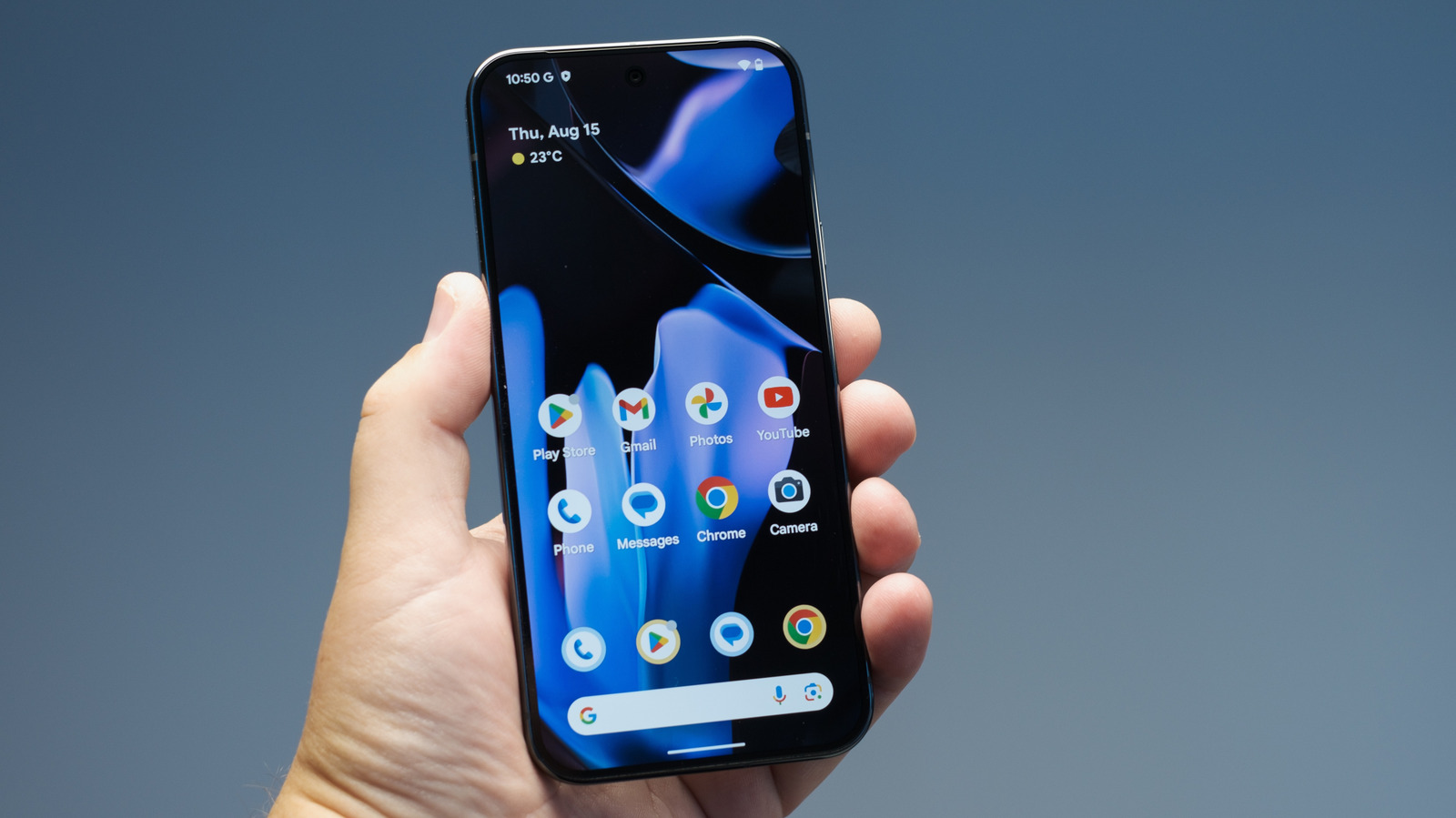
The display is your primary point of contact with your device. In previous years, low-cost handsets were plagued by dim, washed-out LCD panels. Today, there is no reason to settle for anything less than a high-quality AMOLED display.
Display Standards
For a comfortable, modern experience, a screen size of at least 6.1 inches is the "sweet spot." Anything smaller feels antiquated, while larger devices may be cumbersome for one-handed use. Crucially, look for a minimum of 1,000 nits of peak brightness. This is not merely a marketing spec; it is the difference between being able to check a map in direct sunlight and staring at a black, reflective mirror. Furthermore, ensure the panel offers at least Full HD resolution to maintain pixel density that prevents text and images from appearing blurry.
RAM: The Engine of Multitasking
If the processor is the brain of the phone, RAM is its short-term memory. Android, by its very nature, is a memory-hungry operating system. Buying a device with 4GB of RAM in 2024 is a recipe for a poor experience; background apps will constantly close, and the UI will stutter during simple transitions.
The absolute floor for a functional experience is 6GB of RAM. However, if you are a user who keeps multiple apps—such as Spotify, Chrome, and social media—open simultaneously, 8GB is highly recommended. This ensures that the phone remains responsive over time, rather than slowing down as the operating system and apps receive updates.
The Storage Dilemma
We live in an era of high-definition video and high-resolution photography. If a device lacks expandable storage (via microSD), 128GB is the bare minimum you should accept. If you plan on keeping the phone for more than two years, 256GB is the smarter investment. Running out of storage leads to "system full" errors that prevent critical security updates from installing, effectively shortening the lifespan of your device.
The Processor: Avoiding the "Lag" Trap
A common pitfall for budget shoppers is being swayed by high-sounding marketing terms on a spec sheet while ignoring the actual chipset. A processor that was considered "entry-level" three years ago is not suitable for today’s app ecosystem.
When evaluating a device, look for the chipset model number and cross-reference it with modern benchmarks. A sluggish processor will manifest as "input lag"—the agonizing delay between touching the screen and the phone responding. For gaming or even intensive photo editing, the processor is non-negotiable. If you find a phone with a great camera but an ancient processor, the images will take seconds to process, and the experience will be suboptimal.
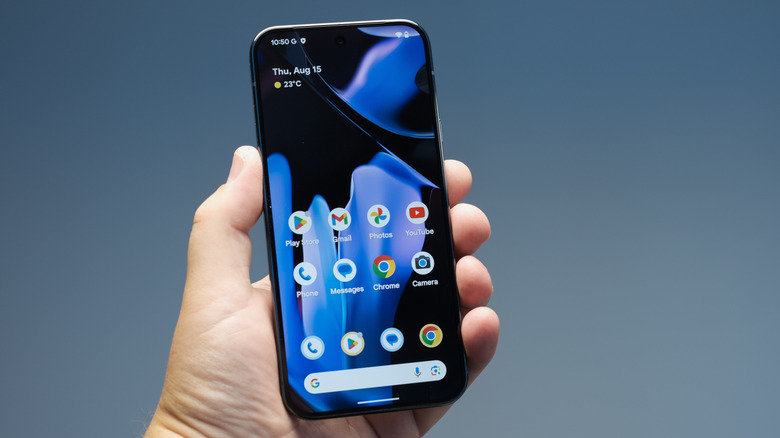
Battery and Cameras: The Daily Essentials
A phone is only as good as its ability to stay powered on. The industry has largely standardized around the 5,000mAh battery, and for good reason: it represents the threshold for true all-day battery life for the vast majority of users. While some budget phones might offer 4,500mAh, prioritize the larger capacity whenever possible.
The Camera Myth
Many budget phones market themselves on "quad-camera" setups, which often include useless 2MP macro or depth sensors intended only to inflate the marketing copy. Do not fall for the number of lenses; focus on the quality of the primary sensor.
Look for a primary rear camera of at least 32MP with a large sensor size. A larger sensor allows for better low-light performance, which is where budget phones typically struggle. For the front-facing camera, a 12MP sensor is generally sufficient for video calls and social media content. If you are a content creator, check reviews for "dynamic range" and "shutter speed"—two metrics that define whether your photos look professional or amateurish.
Connectivity and Software Support
An often-overlooked aspect of budget phone shopping is software longevity. Google and Samsung have set a high bar, offering up to four or five years of security updates on select devices. Avoid phones from obscure manufacturers that provide no promise of software support. An unpatched Android device is a security risk.
Additionally, ensure your chosen device supports NFC (Near Field Communication) for mobile payments and at least Bluetooth 5.0 for stable audio connections. These are "quality of life" features that you will miss immediately if they are absent.
Proven Options: Where to Look
The market currently rewards those who wait for the right moment. The Samsung Galaxy A-series has long been the gold standard for reliable, budget-friendly Android performance. Similarly, the Nothing Phone lineup has brought a refreshing level of polish to the mid-range market.
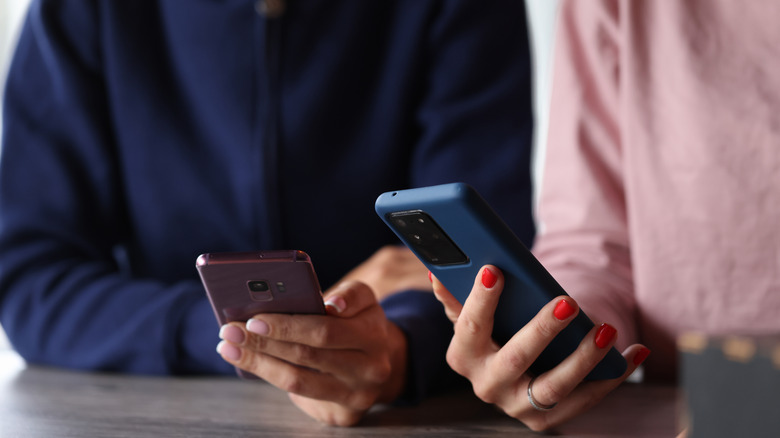
For the savviest buyers, the "renewed" or "refurbished" market—specifically for devices like the Google Pixel 8a—offers perhaps the best value proposition in existence. By buying a year-old premium mid-range phone, you secure a superior processor, camera, and display for the same price as a brand-new "budget" device that lacks these premium optimizations.
Implications for the Consumer
The shift toward more capable budget hardware is a win for the consumer, but it requires a change in shopping habits. We must move away from "spec-sheet hunting"—looking at the biggest number on the box—and move toward "experience hunting."
When you prioritize 6GB+ of RAM, 5,000mAh batteries, and modern, supported software, you are not just buying a phone; you are buying three to four years of reliable service. The goal of the budget buyer should be to find a device that "disappears"—a tool that works so seamlessly that you don’t think about it until you need it. By adhering to these non-negotiable features, you can achieve that standard of excellence without breaking the bank.