The Smart TV Lifecycle: Which Brands Truly Support Your Long-Term Investment?
In an era where the television has evolved from a passive display into a sophisticated, internet-connected computer, the way we perceive "durability" has fundamentally shifted. For decades, a television’s longevity was measured solely by the robustness of its hardware—how long the panel would shine and the capacitors would hold a charge. Today, that definition has been irrevocably complicated by the introduction of smart operating systems, app ecosystems, and the relentless march of cybersecurity threats.
Consumers often treat a high-end television as a decade-long investment. However, the reality of modern software support suggests that your display’s "brain" may expire long before its screen goes dark. With manufacturers offering vastly different levels of commitment, understanding the software support landscape has become as critical as comparing contrast ratios or refresh rates before making a purchase.
The Paradigm Shift: From Hardware Longevity to Software Obsolescence
Historically, once a television left the factory, its feature set was frozen in time. If you wanted new channels or better functionality, you bought a peripheral device. The advent of "Smart TVs" changed this dynamic. Modern sets are essentially media hubs that require constant communication with servers to stream 4K content, manage user profiles, and defend against evolving malware.
Because these devices rely on complex operating systems—be it Tizen, webOS, Google TV, or proprietary platforms—they require regular firmware updates to maintain compatibility with streaming services like Netflix, Disney+, and YouTube. When a manufacturer ceases support, apps become sluggish, then crash, and eventually stop launching altogether. More alarmingly, unpatched smart TVs represent a significant vulnerability in a home network, acting as a potential gateway for malicious actors.
Despite the critical nature of these updates, there is no industry-wide mandate for support longevity. While the automotive industry has strict safety recall standards and the smartphone industry has begun to coalesce around 5-to-7-year update cycles, the television market remains a fragmented landscape of inconsistent policies and vague promises.
Chronology of Support: How the Major Players Compare
The industry landscape is currently defined by a stark divide between manufacturers who prioritize long-term software parity and those who rely on "best-effort" support models.
Samsung: The Seven-Year Commitment
Samsung has emerged as the current industry leader in software longevity. In 2024, the company set a new benchmark by pledging seven years of Tizen OS support for its 2024 television lineup and select 2023 models. This Linux-based commitment ensures that users can expect a functional, secure, and compatible interface until at least 2031. It is important to note, however, that while security and app compatibility are guaranteed, "major" OS version upgrades—which might introduce radical UI changes—are not always promised for older hardware, which may reach a ceiling due to internal processing limitations.
LG: The webOS Re:New Program
LG Electronics responded to the growing consumer demand for longevity with its "webOS Re:New" initiative. Introduced in early 2024, this program guarantees four years of webOS updates for TV models dating back to 2022. LG’s approach is structured, typically trailing the latest OS release by approximately one year. For example, a 2025 model running a specific version of webOS will see that version ported to a 2024 model in the following update cycle. This provides a clear, predictable roadmap for owners, though it falls short of Samsung’s seven-year headline.
Sony: The Model-Specific Approach
Sony operates differently, eschewing a broad, policy-based commitment in favor of model-specific end-of-life (EOL) documentation. Because Sony utilizes the Google TV (formerly Android TV) platform, their update cycle is partially dictated by Google’s development roadmap. Sony publishes specific EOL dates for individual models on its support portal. For instance, recent high-end Bravia models have clearly defined sunset dates—sometimes five or six years post-release—allowing for precise expectation management. While this lack of a blanket policy can feel frustrating, it provides the most transparency for those who take the time to check the support documentation before buying.
TCL and the "Best-Effort" Model
TCL, a massive player in the value-driven market, generally provides security updates for approximately two years following the initial shipment of a model. Unlike Samsung or LG, TCL does not typically commit to multi-year feature upgrades. Because TCL uses a mix of platforms—Google TV, Roku TV, and proprietary software—the support lifespan is often dictated by the platform provider. If you own a TCL running Google TV, your updates are tethered to Google’s broader Android ecosystem support, which is often more robust than a proprietary TV OS.
Regional Disparities and the "VIDAA" Factor
A critical nuance in the software support conversation is regional variance. Hisense, for example, has made headlines in Europe by pledging up to eight years of support for its proprietary VIDAA operating system. However, this policy does not necessarily translate to the North American market, where Hisense frequently utilizes Fire TV or Google TV platforms.
In the U.S., Hisense owners are effectively at the mercy of the third-party OS provider. This highlights a "hidden" risk: if you buy a TV specifically for its operating system, verify that the support policy applies to your specific region and the software version installed on your unit.
The Role of External Ecosystems: Roku, Amazon, and Vizio
The rise of "Smart TVs" has invited tech giants into the living room, creating a new layer of software support.
- Roku: Known for its streaming boxes, Roku has begun manufacturing its own branded TVs. While they have yet to establish a long-term "policy" for these sets, their track record with streaming sticks suggests they prioritize software stability. Because Roku’s core business is its OS, they have a vested interest in keeping those TVs functional to drive ad revenue and content engagement.
- Insignia & Fire TV: Insignia TVs, often found in budget-conscious households, utilize Amazon’s Fire OS. Amazon has a more established track record for security, generally guaranteeing at least four years of security updates for its Fire TV-enabled devices.
- Vizio: Vizio remains an outlier, frequently pushing automatic firmware updates to its proprietary Vizio OS. However, like many value brands, they lack a publicly stated, guaranteed support period, leaving consumers to rely on the company’s history of "as-needed" maintenance.
Implications for the Modern Consumer
The disparity in support policies has significant implications for how we shop for home entertainment.
1. The Streaming Box Solution
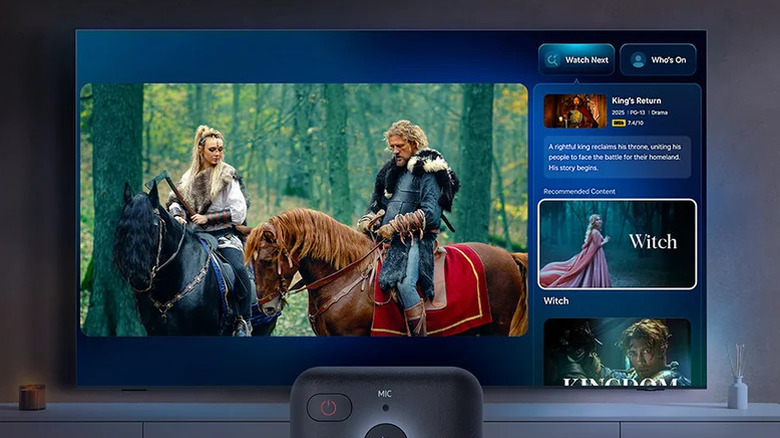
The most important takeaway for any smart TV owner is the "Streaming Box Exit Strategy." If your television’s native software begins to struggle or loses app support, it does not mean your TV is broken. A $50 streaming device from Roku, Apple, or Google can completely bypass the aging internal software, providing a modern interface and updated app library. For many, this is a more cost-effective way to extend a TV’s life than buying a new display simply because the internal apps are slow.
2. Cybersecurity Concerns
As smart TVs gain access to sensitive information—including streaming credentials, payment methods, and even smart home controls—security updates are no longer optional. If a manufacturer stops providing security patches, that TV should ideally be taken off the internet or shielded behind a secure network setup. Consumers should prioritize brands that have a track record of transparency regarding security patches.
3. The Value of Transparency
The industry is moving toward greater accountability. As consumers become more tech-literate, brands that hide their support policies behind technical jargon or opaque support pages will likely face increased scrutiny. The best brands are now those that publish clear, model-specific EOL dates, similar to the PC industry.
Final Assessment: Making an Informed Choice
When shopping for your next television, treat the software policy as a primary specification, equal in weight to the screen technology.
- For the "Buy it and forget it" user: Prioritize brands like Samsung or LG, which have codified their support commitments. These brands offer the most peace of mind for users who do not wish to deal with external devices.
- For the "Value and Performance" user: If you prefer the picture quality of a Sony or a value proposition from a brand like TCL, be prepared to supplement your TV with an external streaming player in 4-5 years. This approach often results in a better overall user experience, as dedicated streaming devices are updated more frequently and offer better performance than the mid-tier processors often found inside television sets.
Ultimately, the "smart" in Smart TV is a double-edged sword. While it provides unparalleled convenience, it creates a clock that begins ticking the moment the device leaves the factory. By understanding the support policies of these manufacturers, you can ensure that your next TV investment remains a centerpiece of your home for years to come, rather than becoming a piece of obsolete hardware before its time.