The Sunset of Mini DisplayPort: How USB-C and Thunderbolt Redefined Connectivity
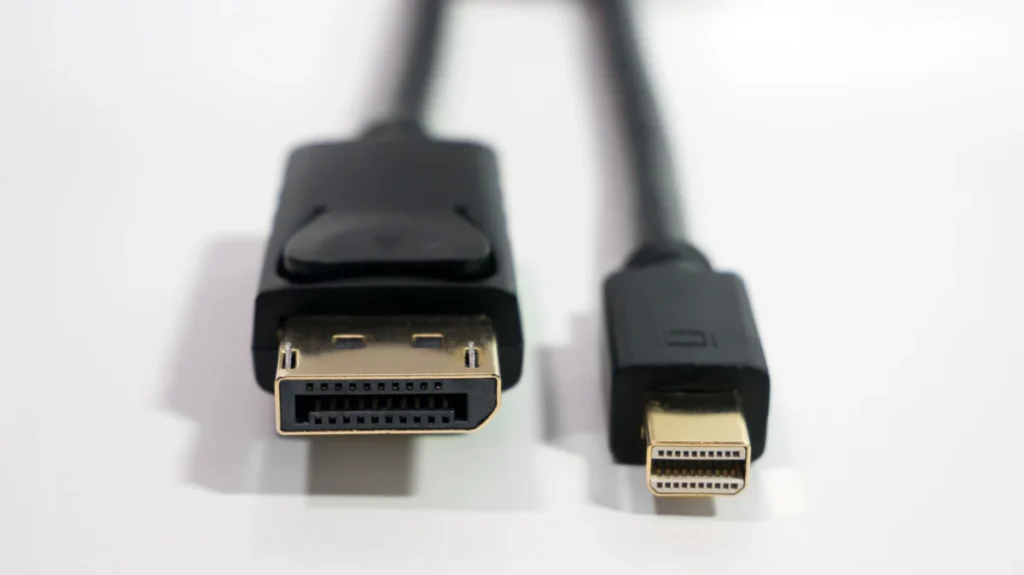
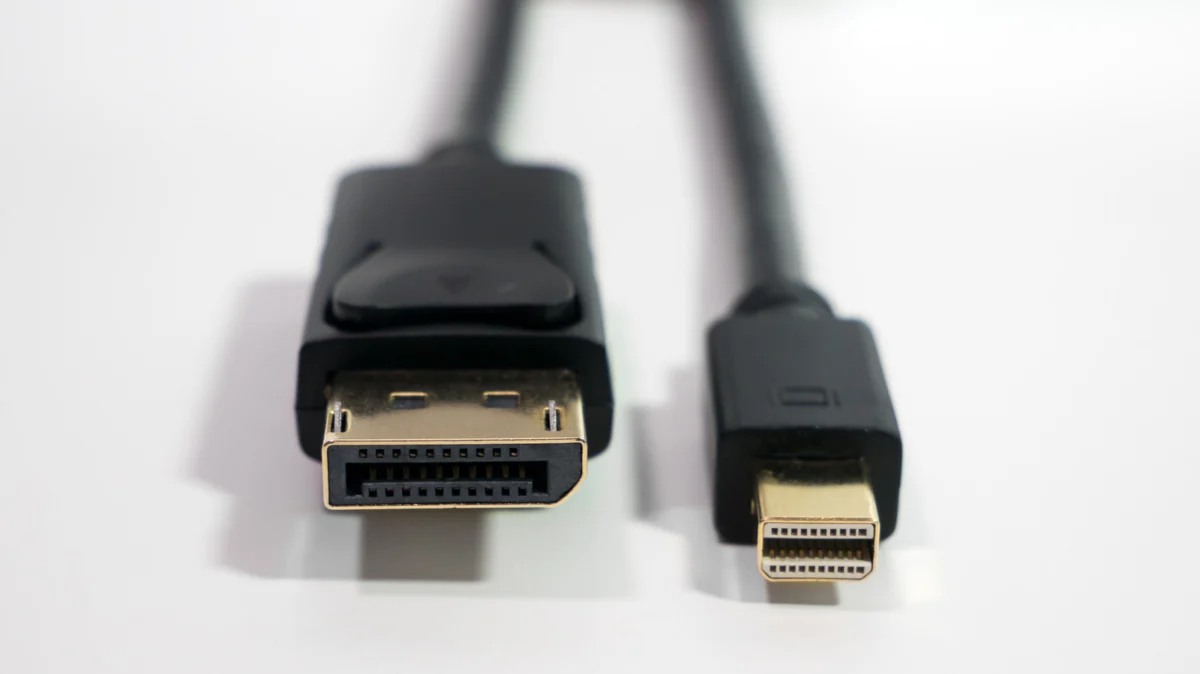
In the fast-paced evolution of consumer electronics, hardware ports are often the first victims of progress. For years, the Mini DisplayPort (mDP) served as the primary bridge between sleek, portable laptops and high-resolution displays. Introduced by Apple in 2008 as a compact alternative to the bulky VGA and DVI standards, it became a staple of the desktop and laptop ecosystem for nearly a decade. Yet, today, the port has all but vanished from modern hardware.
As we navigate an era defined by universal standards, the disappearance of Mini DisplayPort is not a sign of failure, but rather a testament to the success of the DisplayPort protocol itself. While the physical port is fading into obsolescence, the underlying technology has successfully migrated into the most ubiquitous connector of our time: USB-C.
The Chronology of a Connector: From VGA to USB-C
To understand the decline of Mini DisplayPort, one must look at the trajectory of display standards over the last 20 years.
2008: The Rise of the Mini
In October 2008, Apple unveiled the Mini DisplayPort. At the time, laptops were becoming thinner, and the massive VGA and DVI ports were physical liabilities. Apple’s vision was to provide a compact, standardized digital interface that could support high-resolution displays without requiring the space of a full-sized connector. It was a forward-thinking move that allowed the company to keep MacBooks slim while maintaining high-fidelity output.
2011–2015: The Thunderbolt Merger
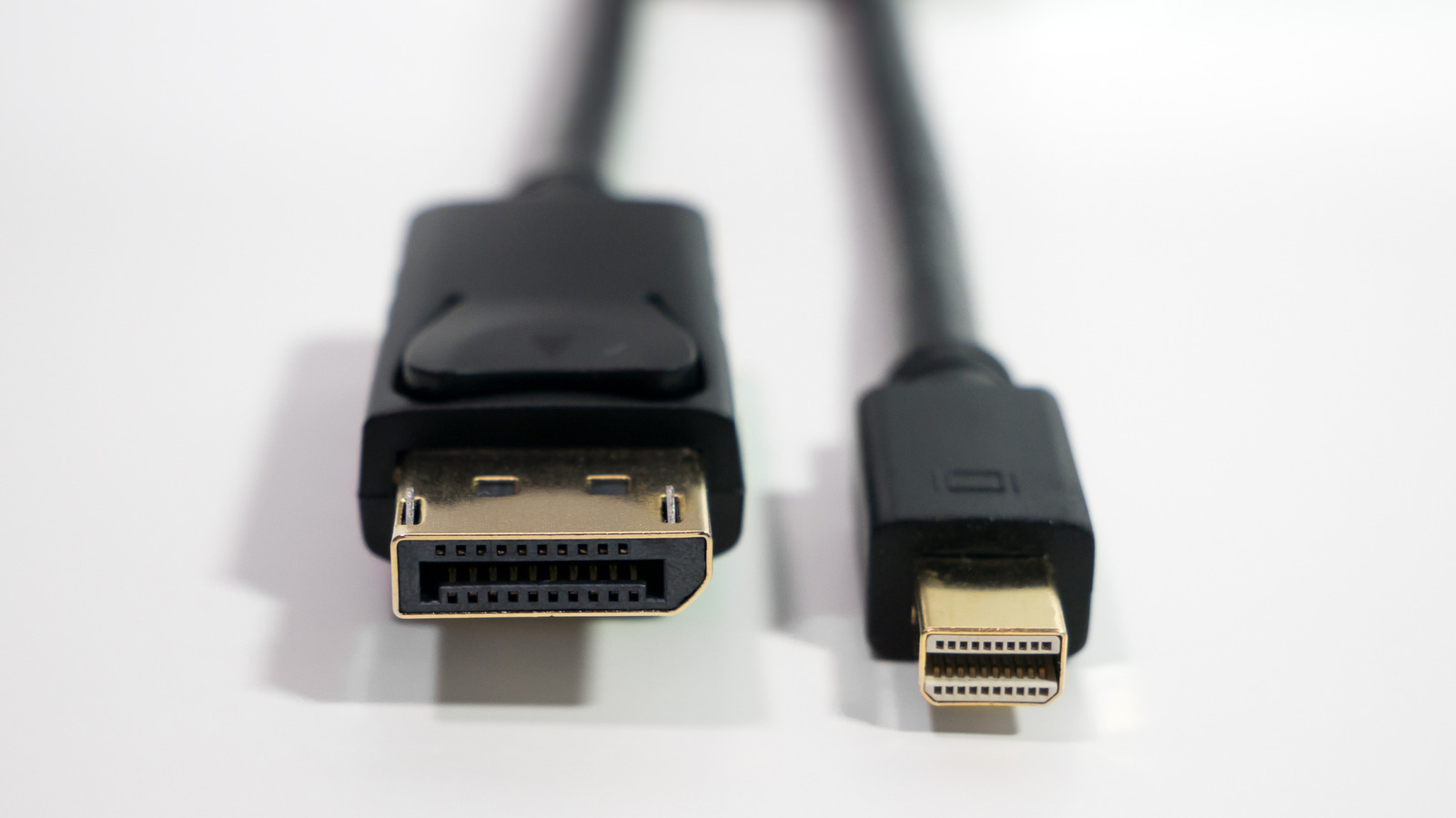
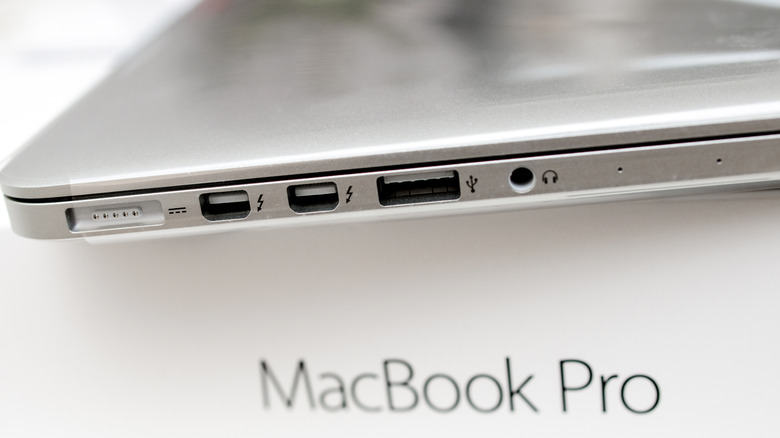
The true power of the mDP connector was realized when Intel and Apple collaborated on Thunderbolt. The first and second generations of Thunderbolt used the exact physical form factor of the Mini DisplayPort. This was a "golden age" for the connector; users could plug in a single cable that carried both high-bandwidth video signals and high-speed data for external hard drives and professional peripherals.
2016–Present: The USB-C Revolution
The pivot point occurred in 2016. With the introduction of the redesigned MacBook Pro and the broader industry adoption of USB-C, the writing was on the wall. USB-C offered a reversible, smaller, and more versatile design that could carry power, data, and video. As manufacturers embraced the "all-in-one" port philosophy, the specialized Mini DisplayPort was deemed redundant. By 2020, almost every major laptop manufacturer had transitioned exclusively to USB-C (often featuring Thunderbolt 3 or 4 support).
Supporting Data: Why the Port Had to Go
The shift away from Mini DisplayPort was driven by several technical and ergonomic factors that became impossible for hardware engineers to ignore.
The Problem of Physical Real Estate
Modern laptops are measured in millimeters. Including a dedicated video port, a USB-A port, and an SD card reader creates a massive footprint on a motherboard. USB-C, by contrast, is thin enough to fit into the slimmest ultrabooks. By adopting "DisplayPort Alternate Mode," manufacturers could route the DisplayPort signal through the USB-C port, effectively eliminating the need for a separate video-only jack.
Bandwidth and Versatility
The comparison between older standards and modern protocols is stark:
- VGA: Analog, maxes out at 1080p, subject to signal interference.
- Mini DisplayPort (v1.2): Supports 4K at 60Hz.
- USB-C / Thunderbolt 4: Capable of 40Gbps+ data transfer and dual 4K monitor support, or single 8K displays.
The primary advantage of the modern USB-C interface is its ability to handle "power delivery." A user can now connect a laptop to a monitor with a single cable that simultaneously displays the image and charges the computer. Mini DisplayPort never possessed this capability, requiring users to carry a dedicated power brick alongside their display cables.
The "Obsolescence" Paradox: Protocol vs. Port
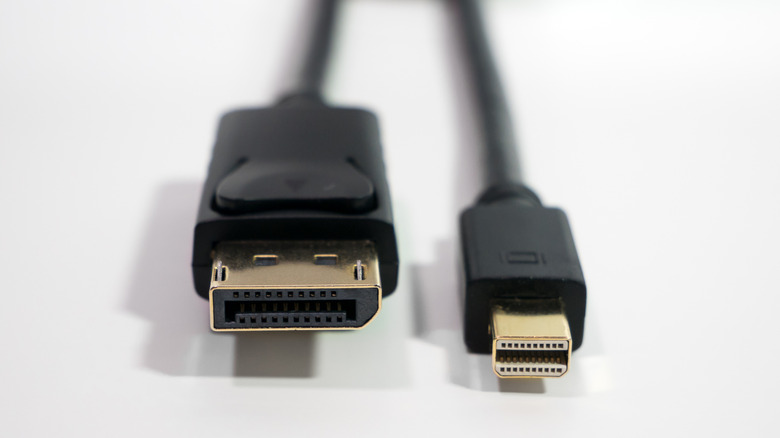
It is critical to distinguish between the Mini DisplayPort connector and the DisplayPort protocol. While the physical port is obsolete, the protocol is more relevant than ever.
DisplayPort 2.1 is currently the industry leader for high-performance displays. It offers a massive bandwidth of up to 80 Gbps, which is essential for professional-grade monitors operating at 4K resolution at 240Hz or even higher. While HDMI 2.1 has made significant strides in the home theater market, DisplayPort remains the undisputed champion for gamers and creative professionals who require uncompressed, high-refresh-rate visual fidelity.
In essence, DisplayPort has been "liberated" from its physical cage. It no longer needs the Mini DisplayPort connector to exist; it simply piggybacks on the ubiquitous USB-C port.
Implications for Consumers and Pros
For the average consumer, the move away from Mini DisplayPort is a net positive. The days of hunting for specific adapters are largely over. If you have a modern laptop, a standard USB-C cable will likely handle your display, your data, and your power.
Challenges for Legacy Hardware
However, the shift poses challenges for users with older hardware. Many high-end monitors purchased between 2012 and 2018 rely exclusively on Mini DisplayPort. For these users, the industry has responded with a plethora of "active" and "passive" adapters.
- The Adapter Reality: Converting from a modern USB-C port to a legacy Mini DisplayPort input is straightforward, but users must ensure their cable supports the required bandwidth.
- The VR Bottleneck: Virtual Reality headsets (such as early Oculus or Vive iterations) were notorious for their reliance on direct DisplayPort connections. These devices often fail when chained through multiple adapters, as the extra connection points introduce latency and signal degradation.
Industry Responses and Future Outlook
Major hardware manufacturers, including Dell, HP, Lenovo, and Apple, have collectively decided that the "one-port-to-rule-them-all" strategy is the future. Official documentation from these companies now focuses on "DisplayPort Alt Mode" certification rather than individual port standards.
The industry is moving toward a future where even the distinction between "video cables" and "data cables" disappears. With the advent of USB4 and Thunderbolt 5, the bandwidth capabilities will continue to grow, rendering the old-school Mini DisplayPort even more of a historical artifact.
Should You Worry About Your Legacy Gear?
If you currently rely on a device with a Mini DisplayPort, you are not in immediate danger of being unable to use your equipment. Because the DisplayPort signal is backwards compatible, a simple cable adapter will continue to work for the foreseeable future. However, if you are looking to upgrade your monitor or workstation, you should prioritize devices with USB-C or full-sized DisplayPort 2.1 inputs to ensure compatibility with the next generation of hardware.
Conclusion
Mini DisplayPort was a brilliant bridge during a transitional period in computing. It allowed us to move from the clunky, analog past to a high-resolution, digital future. Its fading popularity is not a reflection of its quality, but a reflection of the industry’s desire for efficiency and consolidation. As we move toward a future defined by USB-C, the legacy of Mini DisplayPort lives on—not in the shape of a port, but in the speed and clarity of the signals that now power our screens.