Bridging the Gap: itch.io Revolutionizes Game Management with New Steam Integration and Headless Launching
The landscape of PC gaming has long been defined by a fragmented ecosystem. While players frequently jump between storefronts—shifting from the sprawling library of Steam to the indie-centric, community-driven catalog of itch.io—the practical reality of managing these libraries has often felt disjointed. Today, the team at itch.io is taking a significant step toward unifying the user experience with the release of version v26.20.0 of the itch.io app.
This update is not merely a collection of minor bug fixes; it introduces structural changes that allow for seamless Steam integration and the introduction of a "headless" launching system. By empowering users to bridge the gap between their favorite indie titles and their primary launcher, itch.io is fundamentally changing how indie games are accessed and played on modern hardware, including the increasingly popular Steam Deck.
The Core Innovation: Steam Shortcuts
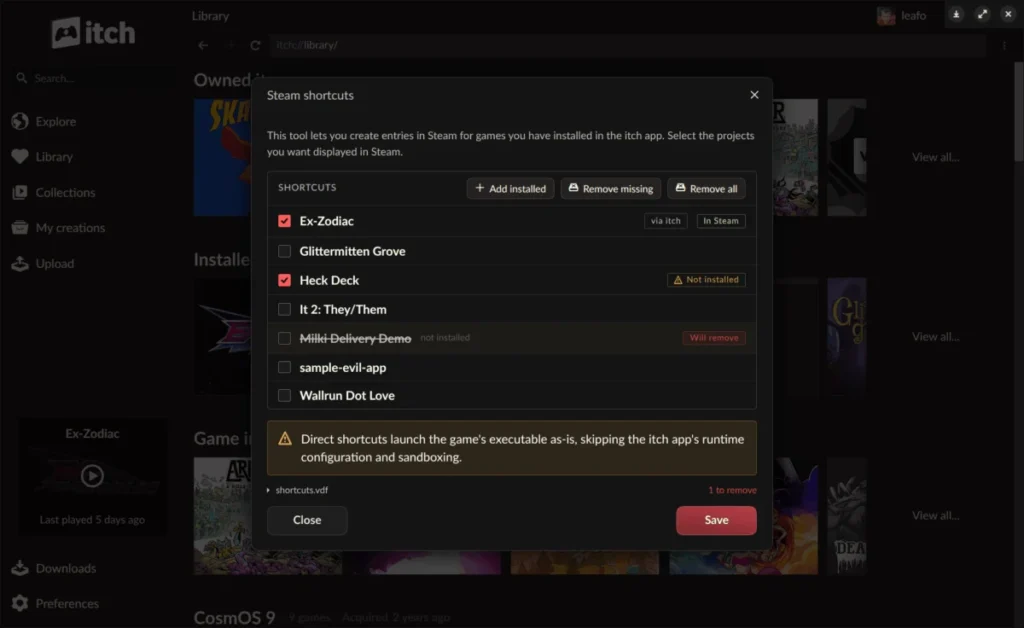
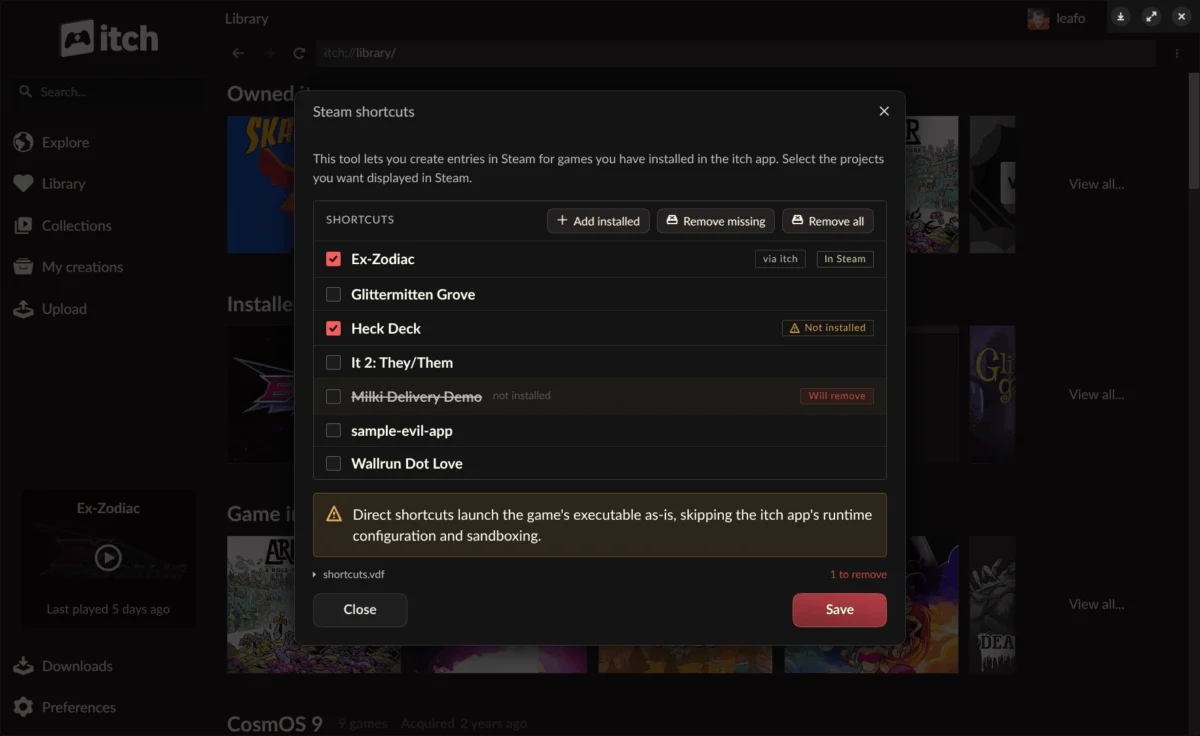
The centerpiece of the v26.20.0 release is the new Steam Shortcuts feature. For years, users have requested a way to incorporate their indie collections into the Steam interface, particularly those who rely on Steam’s "Big Picture" mode or the hardware-accelerated interface of the Steam Deck.
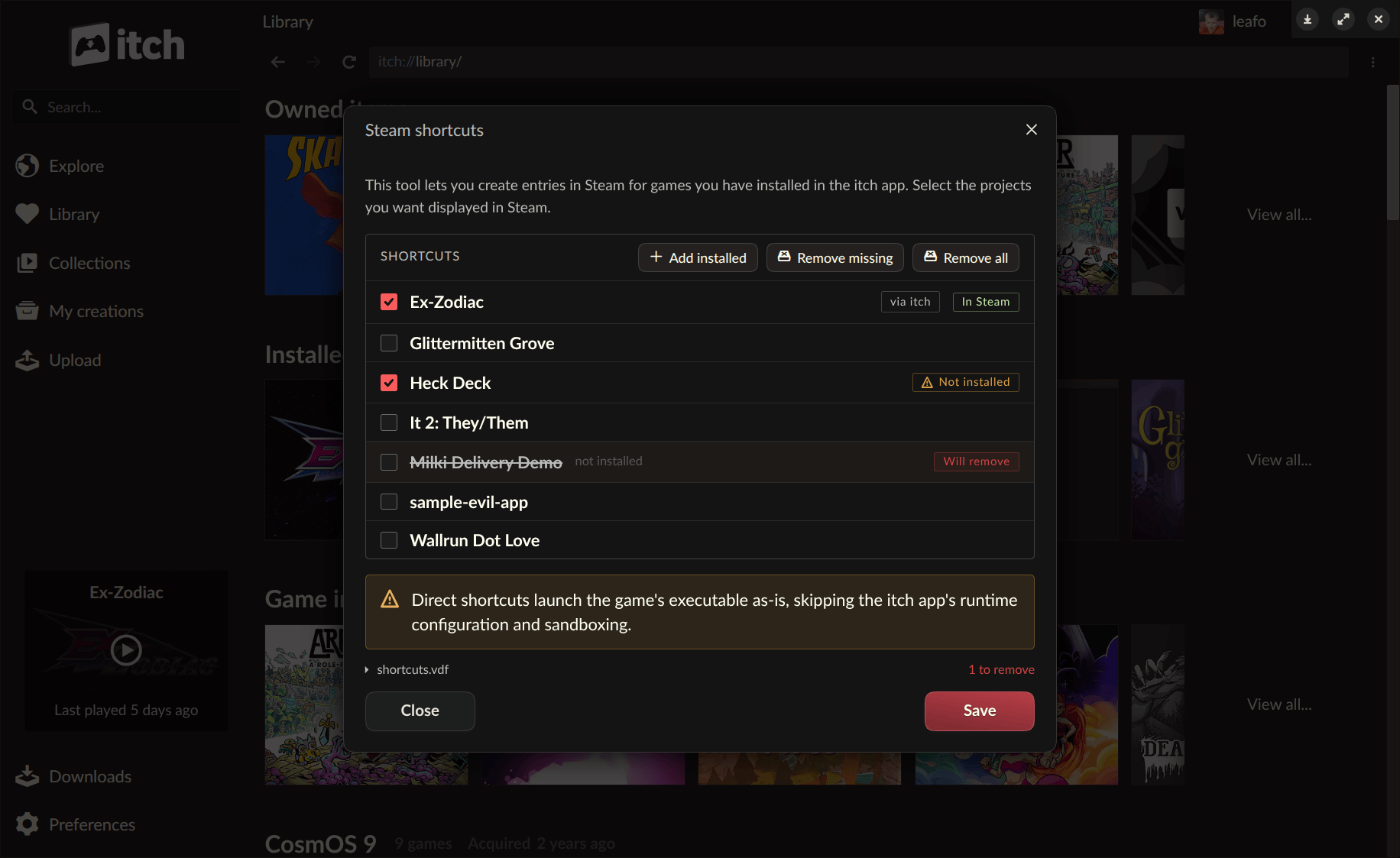
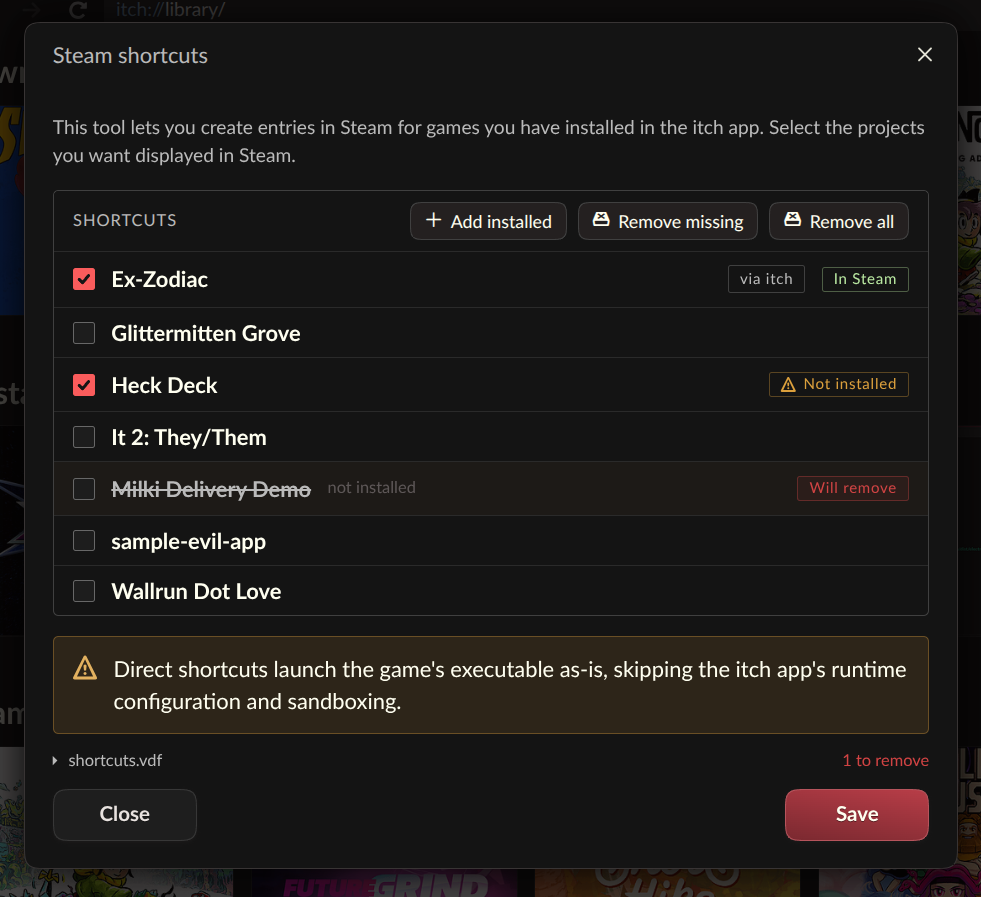
Under the new system, users can synchronize their installed itch.io games directly into their Steam library. Once added, these games appear within a dedicated "itch.io" collection inside Steam. This allows users to launch titles directly from the Steam interface without needing to keep the itch.io app in the foreground, effectively treating the indie launcher as a silent, background companion.
This is an experimental feature, and the development team is currently inviting community feedback to refine compatibility. The implementation is clever: rather than bypassing the itch.io app entirely, the shortcuts utilize the app’s robust infrastructure—such as sandboxing, prerequisite handling, and playtime tracking—while remaining hidden from the user’s active workflow.
The Technical Backbone: Introducing Headless Launching
To facilitate the new Steam integration, the developers had to solve a fundamental problem: how to launch a game with all the benefits of the itch.io app (tracking, API keys, sandboxing) without the app’s GUI cluttering the desktop or demanding system resources. The solution is the new "headless" launch mode.
By executing the command itch-setup --run-game <gameId>, the app can trigger the launch sequence for any installed title from the command line or any external launcher. This is a game-changer for power users and developers alike.
Why Headless Matters:
- Launcher Neutrality: While the primary focus is Steam, this command is not proprietary. It is designed to be accessible by any third-party launcher, script, or custom shortcut system, making it easier for the wider community to integrate itch.io titles into their preferred environments.
- Full Feature Parity: Crucially, a headless launch does not strip away the features players rely on. It still respects sandboxing, prerequisite installation, and per-game configuration settings.
- The "Butler" Integration: Under the hood, this utilizes the
butlerlaunch machinery, which interacts directly with the application’s database. It is a lightweight, efficient way to bridge the gap between simple file execution and full app-managed play.
Streamlining the Library: Linking Existing Folders
Another major pain point for the itch.io community has been the redundant downloading of games. Many users acquire titles through external means, bundle purchases, or direct downloads outside the app’s ecosystem. Previously, if a user wanted the convenience of the itch.io app to track playtime or manage updates, they often had to redownload the entire library.
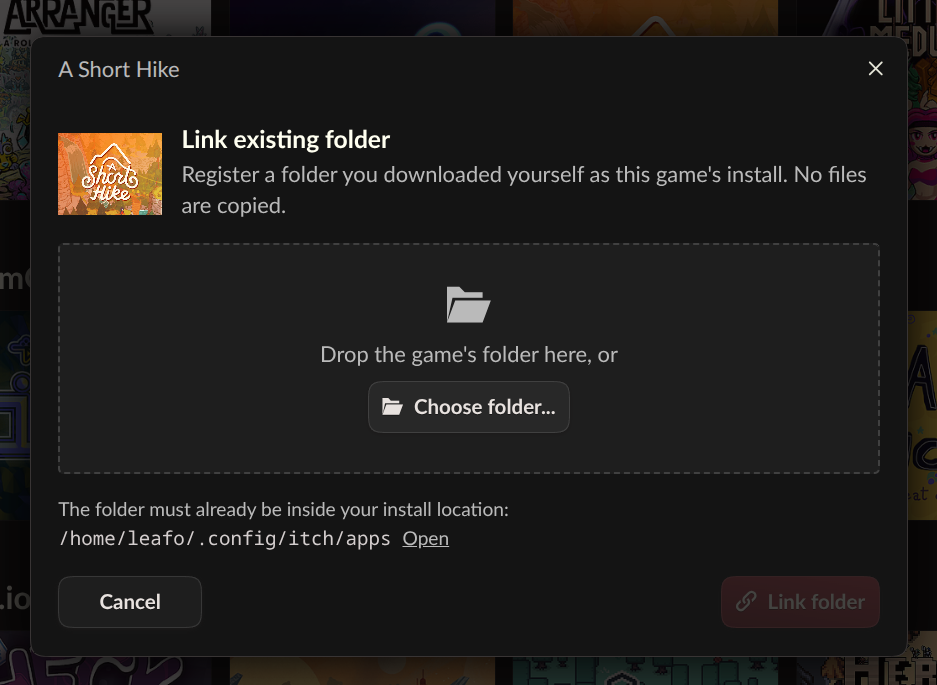
The new "Link existing folder" feature provides an "escape hatch." Users can now navigate to the game’s installation dialog and select a local directory to associate with an itch.io title. Once linked, the app recognizes the files as an official installation.
While the team has kept this feature deliberately simple—choosing not to perform file verification to avoid complexity—it represents a massive quality-of-life improvement. It allows users to maintain their offline, DRM-free archives while still benefiting from the organization and convenience that the itch.io app provides.
A Chronology of the itch.io App Evolution
The journey to v26.20.0 has been a gradual climb toward greater interoperability.
- The Early Days: The itch.io app began as a simple browser and downloader, focusing on the core mission of providing a home for indie creators.
- The "Butler" Era: The introduction of the
butlertool allowed for efficient patching and syncing, laying the groundwork for the current headless capabilities. - The Rise of Handhelds: As devices like the Steam Deck and various Android-based handhelds gained traction, the community demand for better launcher integration grew exponentially.
- The Present: With v26.20.0, the app transitions from a standalone "silo" of games into an integrated service that plays nicely with the rest of the PC gaming ecosystem.
Implications for the Future
The implications of this update are profound for both the developer and the end-user. For developers, their games are now more accessible than ever; by making it easier for users to play indie titles on their primary gaming devices, the friction of "switching launchers" is significantly reduced.
For the user, this represents a commitment to openness. In a gaming market that is increasingly defined by "walled gardens," itch.io is doubling down on a philosophy of convenience without compromising the DRM-free, community-first ethos that defines their platform.
Addressing Community Concerns
The launch has not been without its challenges. Community members have reported minor issues, such as the app occasionally struggling to identify which Steam user to sync with, even when accounts are linked. The itch.io team has been quick to acknowledge these reports, emphasizing that the feature is experimental and subject to refinement.
Furthermore, there is a vocal segment of the user base interested in Linux-based handheld support and potential Android integration. In a refreshing display of transparency, itch.io lead developer leafo confirmed that the team is currently working on a project specifically for Linux-based handhelds, with the possibility of expanding to mobile devices in the future.
Official Responses and Developer Insights
The response from the development team regarding the community’s reception has been largely positive. By maintaining an open channel for bug reports on GitHub and actively participating in the comments section of their own blog, the team has fostered a sense of partnership with their user base.
When prompted about the potential for GOG-like integrations or further Steam-like functionality, the team’s response has been measured: they remain focused on the "DRM-free" core of the platform. The goal of this update was not to mimic the proprietary features of larger storefronts, but to make the itch.io app the most convenient way to enjoy the content that creators produce.
Conclusion: A More Connected Future
The v26.20.0 update is a testament to the idea that a launcher should serve the player, not the other way around. By embracing Steam shortcuts, building a robust headless launch mode, and allowing users to link their existing local files, itch.io has managed to modernize its infrastructure without sacrificing its unique identity.
As the industry continues to evolve and handheld gaming becomes more central to the way we play, tools like the itch.io app will be essential in keeping the indie spirit alive and accessible. Whether you are a long-time user or someone who has stayed away due to the friction of managing multiple launchers, this update provides a compelling reason to revisit your library.
The itch.io app is now not just a place to discover games—it is a place that respects your time, your hardware, and your freedom as a player. As the team looks toward their next "secret" projects for Linux handhelds, one thing is certain: the future of indie gaming is looking more connected than ever.