
Beyond the "Pinky Promise": How Obscura VPN is Dismantling the Trust Model of Online Privacy
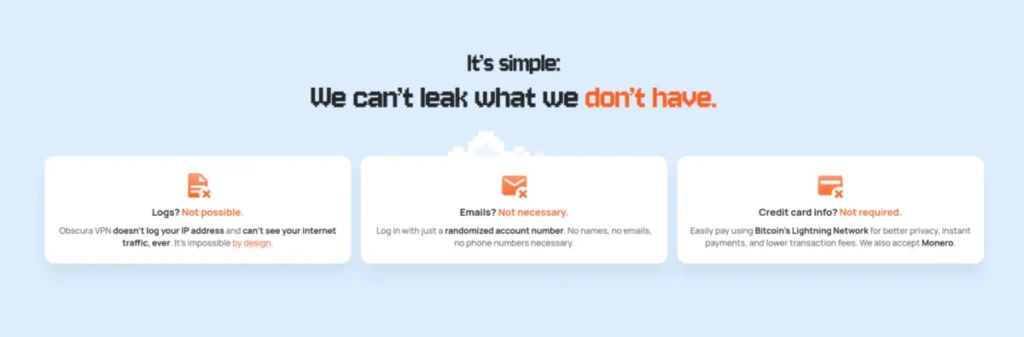
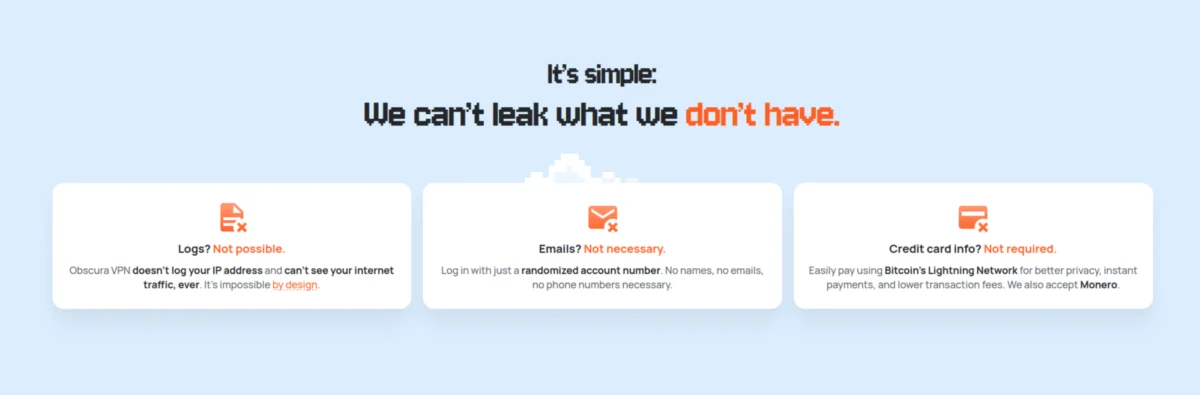
The Virtual Private Network (VPN) industry has long operated on a singular, precarious foundation: the "no-logs" guarantee. For over a decade, providers have marketed themselves by asking users to entrust them with the entirety of their digital lives, relying on a contractual promise that no data is being recorded. However, in an era of sophisticated state surveillance, mass data harvesting, and the rise of AI-driven cyber threats, privacy advocates are increasingly viewing these promises as insufficient.
A "no-logs" policy is only as resilient as the entity maintaining it. Even the most principled companies remain vulnerable to legal subpoenas, silent acquisitions by data-hungry conglomerates, or sophisticated infrastructure hacks. As the cybersecurity landscape shifts, a new player has emerged to challenge the status quo: Obscura VPN. By moving away from centralized trust and toward a decentralized "Two-Party Relay" architecture, Obscura is attempting to rewrite the rules of digital privacy.
The Architecture of Distrust: A New Approach
At the heart of the current privacy crisis is the reality that a standard VPN provider acts as a single point of failure. When a user connects to a traditional VPN, that company possesses the ability to link the user’s identity—via their IP address and payment details—to their browsing traffic. Even when a provider claims to be "no-logs," the user is essentially operating on blind faith.
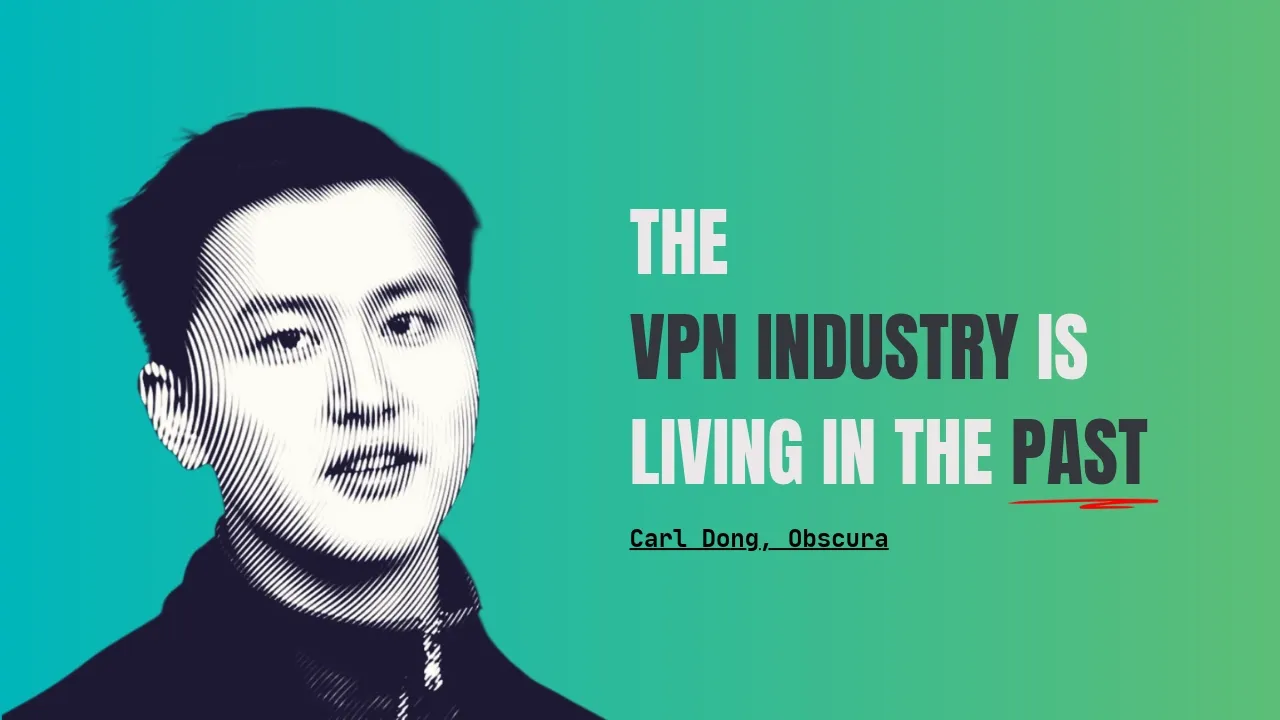
Obscura, spearheaded by former Bitcoin Core contributor Carl Dong, seeks to solve this by splitting the trust burden across two independent, geographically and operationally distinct entities.
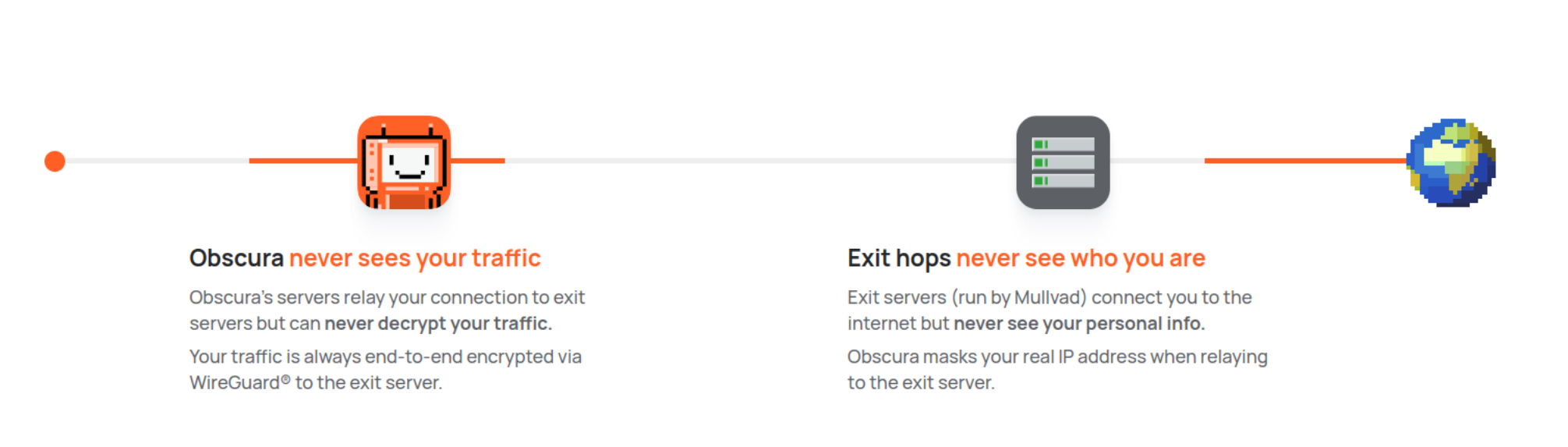
The mechanism is elegant in its simplicity:
- The First Hop: Traffic is routed through Obscura’s own infrastructure.
- The Exit Hop: Traffic is passed to Mullvad, a Swedish VPN provider renowned for its stringent, verifiable privacy practices.
Because the traffic is end-to-end encrypted using keys managed exclusively by Mullvad, Obscura’s own servers never gain visibility into the actual content of the user’s traffic. Conversely, because Mullvad receives the traffic only after it has been scrubbed of origin metadata by Obscura, the exit node never sees the user’s true identity or payment information. This "split-trust" model ensures that even if one party were compromised or coerced, the attacker would only hold a fragmented piece of the puzzle—rendering the data essentially useless for correlation.
Chronology: From Bitcoin Core to Privacy Infrastructure
Carl Dong’s transition from one of the most rigorous open-source projects in existence—Bitcoin Core—to the VPN space provides context for Obscura’s design philosophy. Dong, who jokingly refers to himself as the "head-janitor" at Obscura, spent years operating under the cypherpunk mantra: "Don’t Trust, Verify."
The development of Obscura was not born from a desire to improve existing VPNs, but from a recognition that the model was fundamentally broken. During the mid-2020s, as Apple’s iCloud Private Relay began demonstrating the feasibility of multi-hop architectures to the mass market, Dong saw an opening to bring that level of security to the broader internet.
By 2026, the project had moved from a conceptual framework to a functional service. The development timeline prioritized "verifiability" over "marketing fluff." Unlike many VPNs that spend millions on influencer marketing and media "payola" schemes, Obscura focused its early efforts on open-sourcing the client software and implementing reproducible builds. This ensures that the code running on a user’s machine is bit-for-bit identical to the source code available on GitHub, mitigating the risk of backdoors in the software layer.
The Technical Edge: Why QUIC Matters
While the relay architecture handles the privacy aspect, Obscura’s technical implementation tackles the usability and censorship hurdles. The company’s "stealth" protocol is built on QUIC, the transport layer protocol that powers HTTP/3.
The choice of QUIC is strategic for two reasons:
- TCP-over-TCP Meltdown: Traditional VPNs often struggle with performance degradation when running TCP traffic over a TCP-based VPN tunnel. By utilizing QUIC’s Unreliable Datagram extensions, Obscura bypasses this bottleneck, resulting in higher throughput and lower latency.
- Censorship Circumvention: Modern Deep Packet Inspection (DPI) tools are exceptionally good at identifying standard OpenVPN or WireGuard traffic. QUIC, however, disguises VPN traffic as standard web browsing. Furthermore, because QUIC allows for fragmented and shuffled message delivery, censors would need to perform full packet reassembly—a computationally expensive process—to block the connection. As of late 2026, there are no widespread censorship systems capable of reassembling QUIC traffic at scale.
Official Responses and the "Cursed Knowledge" of the Internet
When asked about the skeptic’s view—that moving from one company to two simply doubles the potential for collusion—Dong remains steadfast. "No one entity should have the power to jeopardize your internet privacy," he argues. "With Obscura, as long as either Obscura or Mullvad isn’t compromised, your identity remains decoupled from your activity. This is objectively safer than trusting your ISP, who currently sees everything."
The company’s transparency extends to its "Cursed Knowledge" page, a repository of technical realities that are often hidden from the average user. One of the most glaring examples cited is the TLS SNI (Server Name Indication) extension. In a standard encrypted web connection, while the payload is hidden, the domain name you are visiting is sent in plaintext within the SNI field. This allows ISPs and state censors to track exactly which sites users are visiting, even when they believe they are fully encrypted. Obscura uses this insight to educate users on why traditional encryption is insufficient and why tunneling is still a necessary component of modern privacy.
The Economic Model: Sustainability Without Surveillance
Perhaps the most radical aspect of Obscura is its business model. While many VPNs monetize user data or operate as loss leaders for venture-backed data harvesting firms, Obscura maintains a flat $8/month fee.
"We don’t want your data, and we don’t have the machinery to store it," says Dong. The economics are kept lean by maintaining a small, remote-first team of six people. By avoiding the trap of "massive R&D" and high-cost marketing campaigns, the team avoids the VC-driven pressure to monetize user activity. They operate on the simple principle that revenue should exceed costs—a radical notion in the age of "growth at any cost."
Implications: The Future of Privacy
The implications of Obscura’s model are significant. If this "split-trust" architecture gains traction, it could force the rest of the VPN industry to justify their centralized models. Consumers are becoming increasingly aware of the dangers of trading privacy for convenience, as evidenced by the growing backlash against data brokers and pervasive tracking.
However, the path forward is not without challenges. Privacy remains a trade-off. While Obscura can protect the content of a user’s traffic and mask their identity from the exit node, it cannot hide the user’s connection from their local ISP. As Dong admits, "We can still see the user’s connecting IP address. That will not change unless humanity completely rethinks the OSI stack."
Ultimately, Obscura is not trying to be a silver bullet for total anonymity—a goal that is often a pipe dream in the modern, hardware-tracked internet. Instead, it offers a pragmatic, verifiable step toward mitigating the power of individual entities. By decentralizing trust, Obscura allows users to minimize their exposure, ensuring that no single company holds the keys to their digital existence.
For the privacy-conscious, the choice is now clearer than it has been in years: continue to trust the "pinky-promise" of a single provider, or move toward a system where you no longer have to rely on a company’s word—because you can verify the math for yourself.








