Enhancing the itch.io Experience: A Deep Dive into the Latest App Updates
The itch.io desktop application, a staple for indie game enthusiasts and developers alike, has recently undergone a significant transformation. Through a series of rapid-fire updates—versions v26.15.0 and v26.17.0—the platform’s developers have addressed long-standing user requests, refined library management, and introduced powerful new customization options for power users. This comprehensive overhaul marks a shift toward a more robust, user-centric desktop experience, effectively bridging the gap between the sprawling nature of web-based collections and the efficiency of a native client.
Main Facts: The Core Improvements
The latest iterations of the itch.io app focus on four primary pillars of improvement: bundle integration, granular launch settings, cross-platform installation flexibility, and a streamlined search interface.
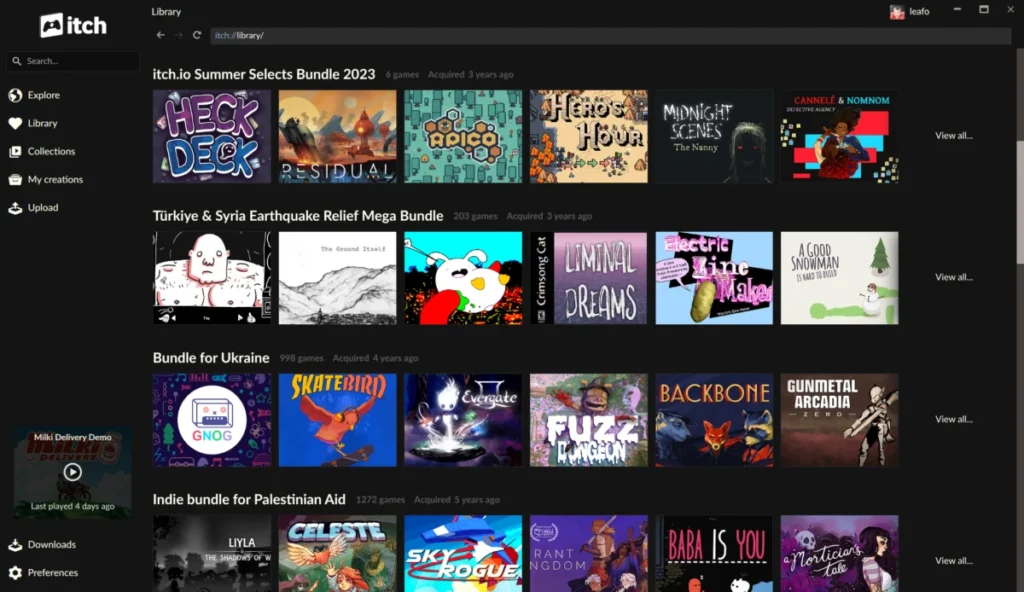
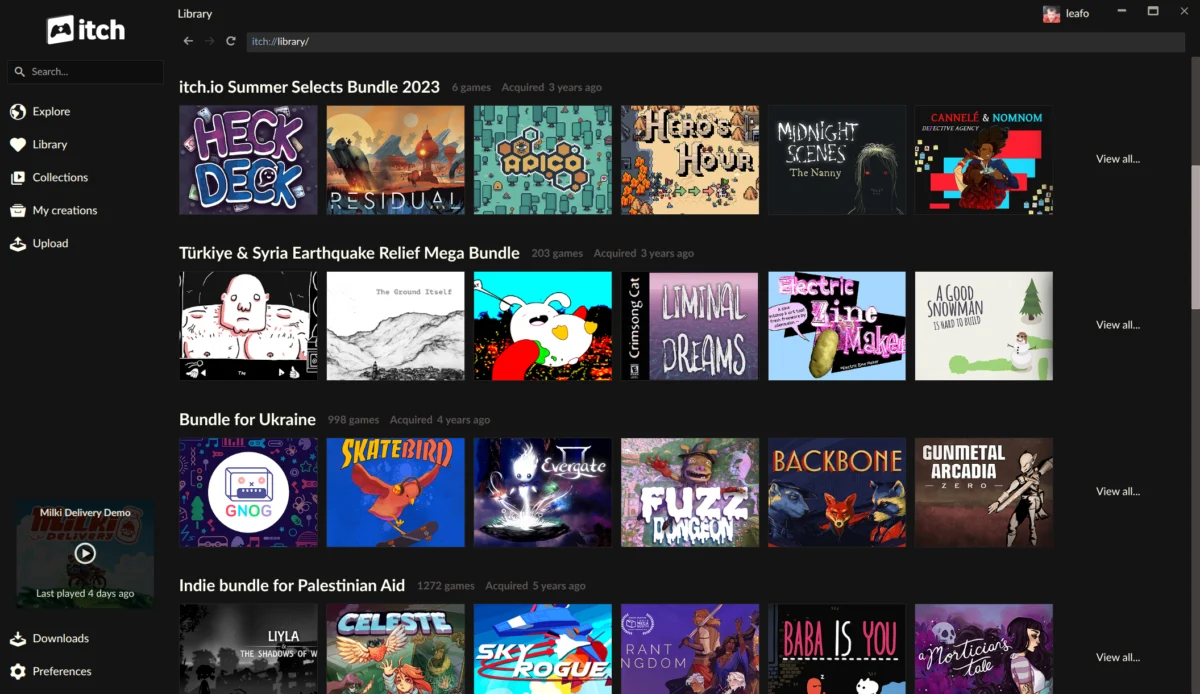
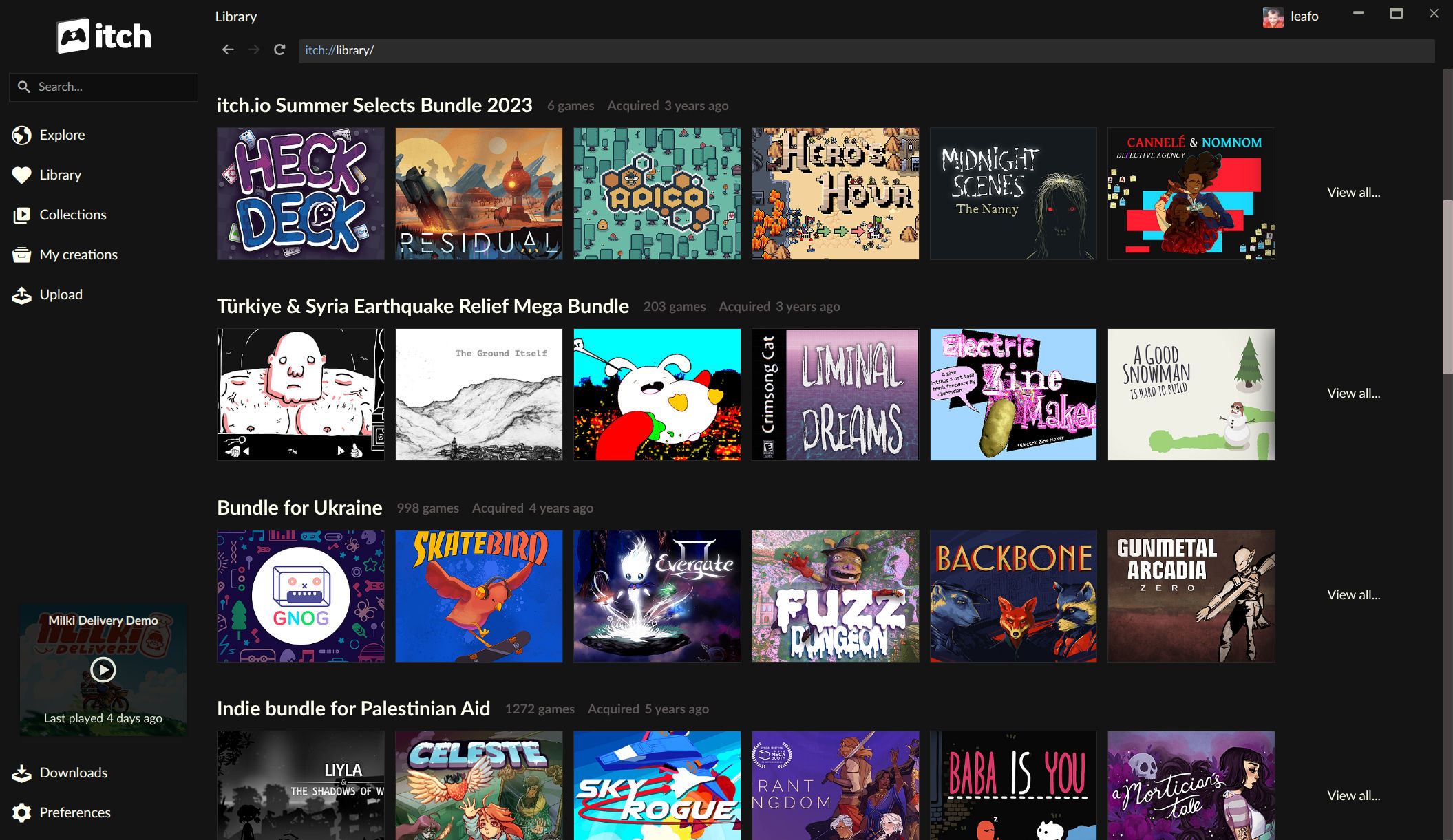
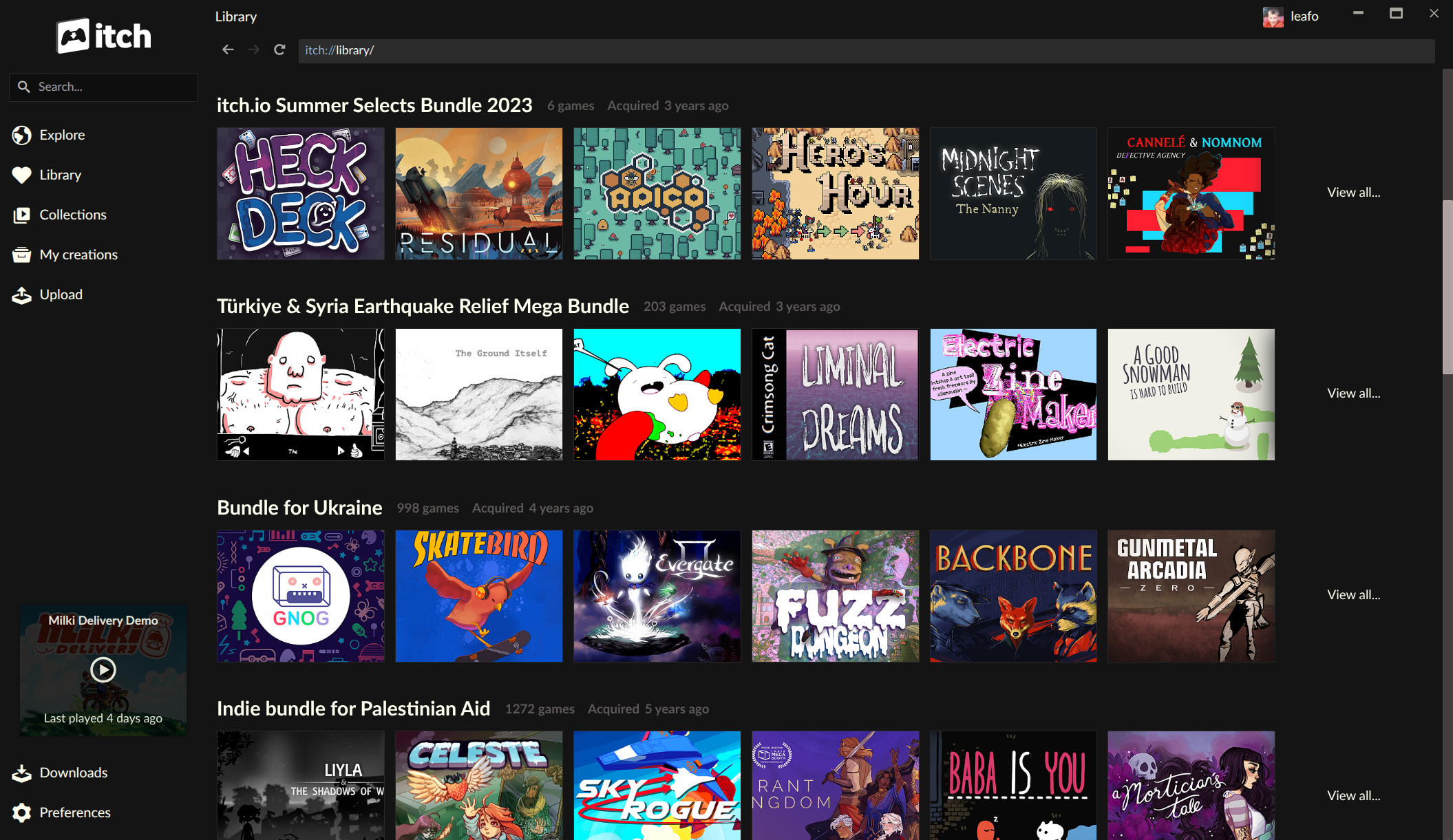
The most notable change is the native integration of bundles. Previously, itch.io bundles—which have become massive cultural phenomena on the platform—existed largely as web-exclusive entities. The app now recognizes bundle ownership natively, allowing users to browse, search, and install games directly from their acquired collections without the cumbersome process of manually claiming individual items through a browser.
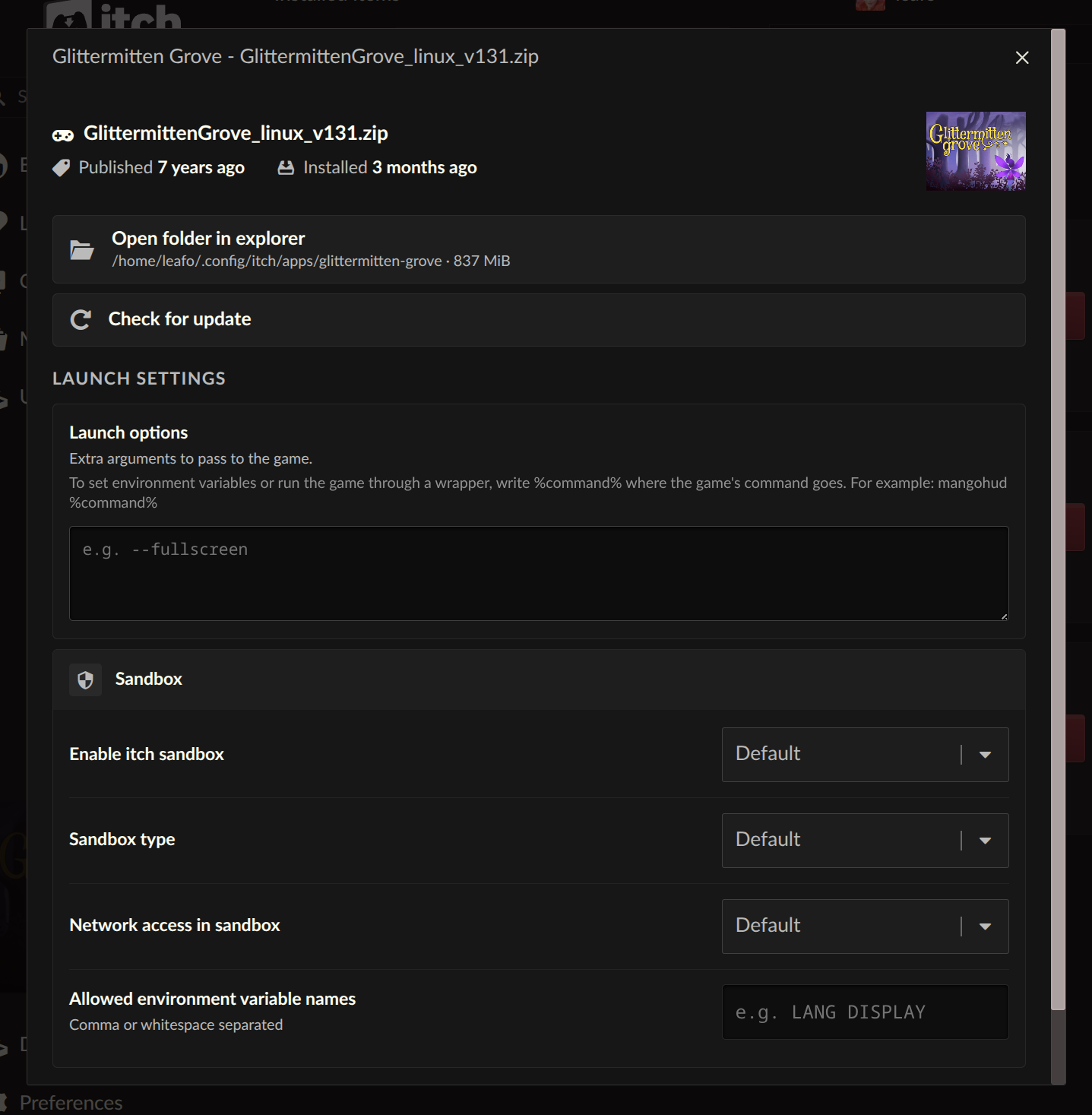
Furthermore, the app has introduced "Launch Settings," providing users with unprecedented control over how individual games execute. By navigating to the management dialog, users can now configure sandbox restrictions, network access, and environment variables. Most significantly, the inclusion of a %command% pattern allows for advanced users to append launch arguments or wrap game execution in compatibility layers—a feature heavily requested by the Linux gaming community.
Chronology of the Update Cycle
The deployment of these features followed a strategic, iterative approach. The team began by identifying high-traffic issues within their public GitHub issue tracker, focusing on usability friction points that hampered the overall experience.
- Initial Deployment (v26.15.0): This release laid the groundwork for the revamped library and initial bundle support, ensuring the backend could handle the massive database queries associated with users who own large-scale bundles.
- Feature Expansion (v26.17.0): Building on the initial success, this update introduced the more complex features, such as the per-game launch settings and the overhauled sidebar search functionality, which moved away from the confusing autocomplete model in favor of a more direct, intent-driven search.
- The Emergency Hotfix (v26.18.0): Following the deployment of v26.17.0, a critical issue was identified where macOS users experienced a persistent "crash loop." The development team responded rapidly, releasing v26.18.0 to stabilize the client. Users affected by the crash were advised to reinstall the application via the official setup program to restore full functionality.
Supporting Data: The Scale of itch.io Bundles
To understand the necessity of these updates, one must look at the sheer scale of the "Bundle" economy on itch.io. The platform has become famous for massive, charitable, and experimental collections that contain hundreds, sometimes thousands, of titles.
For instance, the Bundle for Racial Justice and Equality boasted an incredible 1,741 items and reached over 800,000 purchasers. Similarly, the Bundle for Ukraine saw nearly 1,000 items and over 400,000 buyers. From a technical standpoint, the database management for these bundles is staggering. If the platform had generated individual download keys for every single game in the Racial Justice bundle for every buyer, the database would have ballooned by over a billion rows.
By opting for a "just-in-time" generation of download keys—where ownership is recorded as a single bundle record until the user specifically interacts with an individual game—the platform kept its backend lean. However, this created a "blind spot" for the desktop app. The latest updates effectively bridge this gap, allowing the app to query the bundle records directly, rendering the distinction between "claimed" and "unclaimed" games virtually invisible to the end user.
Official Responses and Community Engagement
The itch.io team has maintained a transparent, open-dialogue approach with its user base throughout this process. By utilizing their official blog and active community threads, the developers have provided real-time updates and troubleshooting assistance.
When faced with the aforementioned macOS crash, the platform’s lead developer, known as leafo, was active in the comment sections, directing users to the hotfix and providing clear, actionable steps for recovery. This level of direct accountability is a hallmark of the itch.io community ethos.
Furthermore, the development team has been responsive to niche requests. For example, when users asked about using the new command-line features to bypass the built-in browser in favor of external, extension-heavy browsers for game tracking, the team acknowledged the utility of such workflows. This feedback loop is essential, as the app evolves from a simple installer into a sophisticated game-management suite.
Implications for the Future of Indie Gaming
The implications of these updates extend far beyond mere quality-of-life improvements. They represent a significant step in the professionalization of the itch.io ecosystem.
1. Enhanced Platform Interoperability
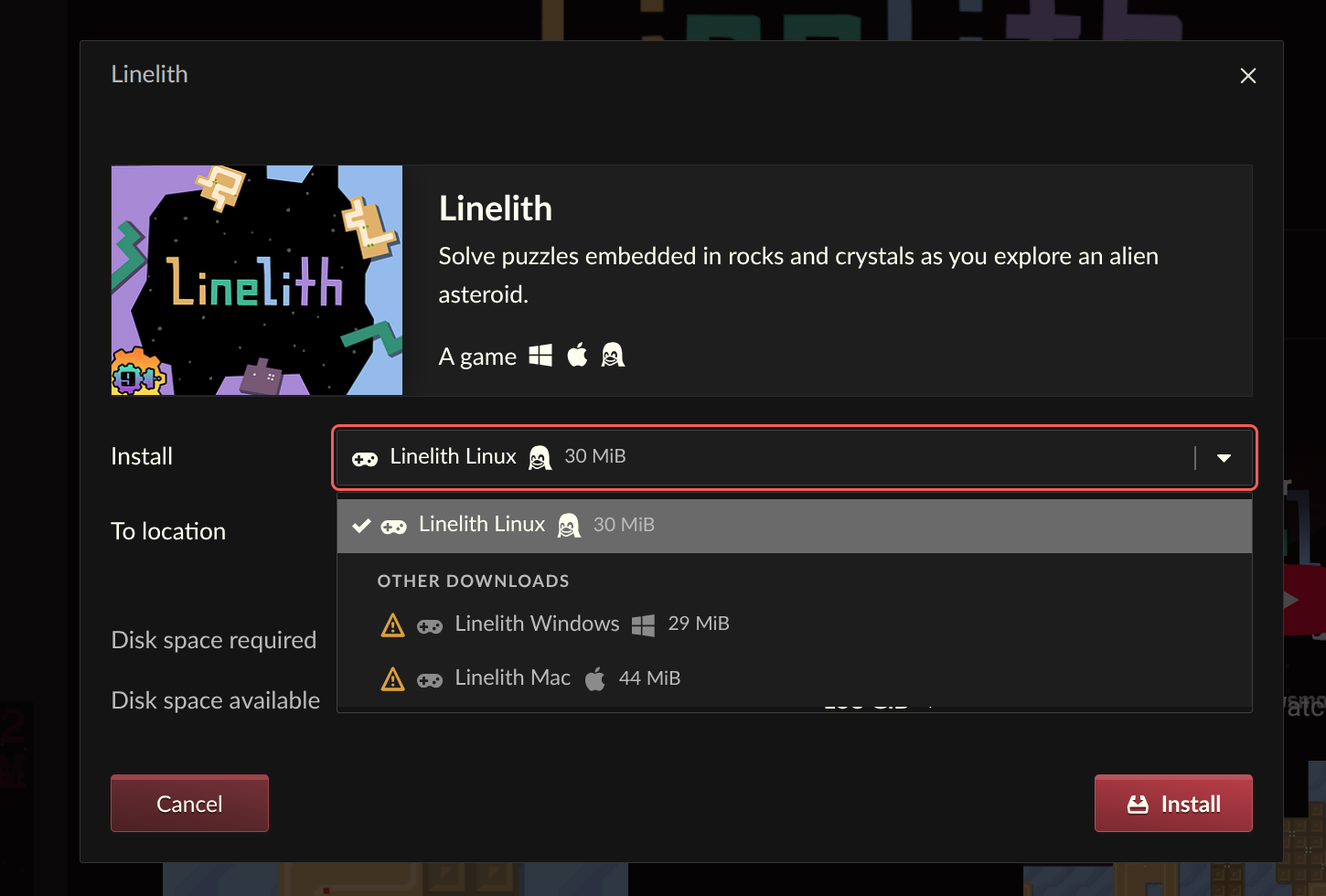
By allowing users to install downloads that are not officially tagged for their operating system, itch.io is acknowledging the sophisticated nature of its user base. Many users rely on compatibility layers like Wine, Proton, or other wrappers to run Windows-only indie games on Linux or macOS. By removing the "platform-tag" barrier, the app is now actively supporting these DIY gaming configurations, effectively lowering the barrier to entry for cross-platform play.
2. A Shift in Library Management
The revamped library search is a deliberate move away from the "search-as-you-type" model that was previously hindering users. By prioritizing a full-site search experience, the platform is acknowledging that the itch.io library is not just a small collection of titles, but an expansive archive that requires robust indexing. This shift suggests that the developers expect users to treat their itch.io collections as a primary game library, rather than a secondary one.
3. Empowerment of the Power User
The inclusion of environment variables and command-pattern support is a clear signal to the power-user demographic. It provides a level of control that was previously only achievable via manual terminal intervention. By moving these features into a GUI-based "Launch Settings" menu, itch.io is democratizing access to technical configurations, allowing developers to set up specific debugging environments or compatibility settings that the end user can toggle with a single click.
Conclusion: A More Robust Foundation
The latest updates to the itch.io app are a testament to the platform’s maturation. By resolving the technical debt associated with massive bundle management, providing granular control over game execution, and refining the user interface to handle large collections, the team has significantly improved the desktop experience.
While the brief period of instability for macOS users serves as a reminder of the inherent risks in rolling out complex updates to a diverse operating system landscape, the rapid response and transparent communication have mitigated long-term user dissatisfaction. As the platform continues to grow, these updates ensure that the desktop app remains a vital, highly functional tool for those who choose to support independent game development.
For the average user, the takeaway is clear: the library is easier to navigate, the games are easier to launch under custom configurations, and the barrier between the web-based store and the desktop client has effectively evaporated. As we look toward future iterations, it is evident that itch.io is committed to maintaining its position as the premier home for indie games, providing the necessary infrastructure to support both the creator and the consumer in an increasingly complex digital landscape.