The State of Open Source: October 2026 Industry Pulse
As the open-source landscape continues to evolve, October 2026 has emerged as a month of significant infrastructure shifts, controversial lobbying maneuvers, and technological breakthroughs. From the containerization of the Steam client to the ongoing debates surrounding European digital sovereignty, the community remains at the epicenter of modern computing trends.

Main Facts: The Evolving Linux Ecosystem
The Linux ecosystem is currently undergoing a period of architectural maturation. A primary focus this month is the transition of the Steam Linux client to a 64-bit, containerized architecture. By running the client within the same robust Steam Runtime containers that house its library of games, Valve aims to eliminate the fragmentation issues that have historically plagued Linux gaming across different distributions. This move represents a strategic commitment to consistency, ensuring that whether a user is on Arch, Fedora, or Ubuntu, the gaming experience remains seamless.

Concurrently, the desktop market continues to innovate. Ubuntu 26.10 has officially landed, marking a major milestone in the "rustification" of core system utilities—a move aimed at memory safety and performance. The inclusion of the Linux 7.3 kernel brings critical support for high-end hardware, specifically the Snapdragon X2 Elite, alongside refined GPU memory management that promises to enhance the experience for power users and gamers alike.

While Ubuntu strides forward, Fedora 45 has encountered a slight roadblock. Originally slated for an earlier release, the project has pushed its launch date to October 30th to ensure the stability of its upcoming feature set. Meanwhile, the resurrection of CutefishOS has captured the attention of the UI/UX community. By eschewing traditional Qt and GTK frameworks in favor of a bespoke graphics library and Wayland compositor—built using Anthropic’s Fable and Opus AI models—the project is positioning itself as a high-performance alternative for those seeking a modern, fast desktop environment.

Chronology of October 2026 Developments
- Early October: Steam announces the shift to a 64-bit containerized client, signaling a new era of stability for Linux gaming.
- October 20: The 22nd anniversary of the original Ubuntu release (Warty Warthog) is celebrated, highlighting the distro’s 22-year tenure in the space.
- October 21: Ubuntu 26.10 is released to the public, featuring the Linux 7.3 kernel and expanded PGP security via the Sequoia integration.
- October 23: The deadline for the Linux Foundation’s 40% discount on Kubernetes Security Certifications (CKS/KCSA), a key date for DevOps professionals looking to upskill.
- Late October: Fedora 45 is rescheduled for October 30th, reflecting the reality of complex open-source development lifecycles.
Supporting Data: The Cost of Cloud Sovereignty
One of the most contentious issues currently under scrutiny is the potential cost of Europe’s digital independence. A recent study cited a staggering €115 billion price tag for achieving cloud sovereignty. However, this figure has been met with significant skepticism.

The study, funded by a lobby group representing tech giants Amazon, Google, and Meta, argues that the financial burden of moving away from established, proprietary cloud providers would be catastrophic for the European economy. In stark contrast, the European Commission’s own internal estimates place the cost of digital autonomy at approximately €18 billion—a figure six times lower than the industry-funded projection. This discrepancy highlights the intensity of the lobbying efforts aimed at preventing the EU from passing regulations that would dilute the market power of major cloud providers.

Official Responses and Industry Implications
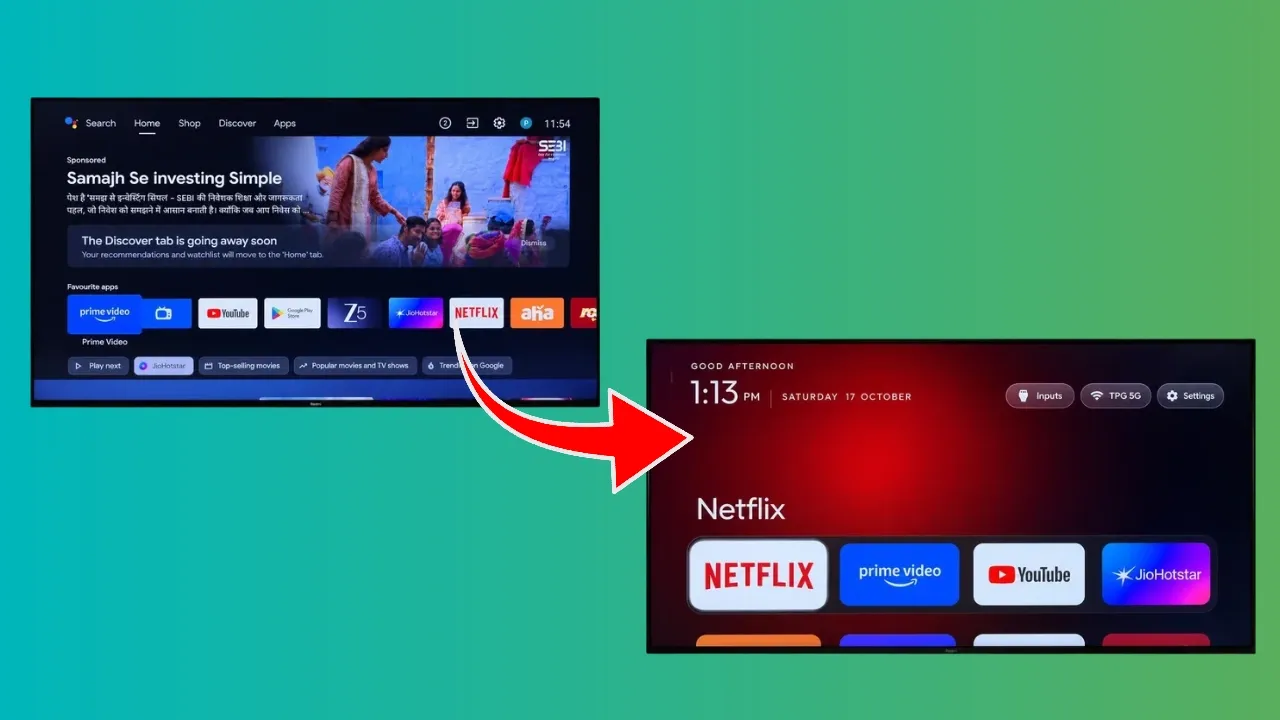
The implications of these developments extend far beyond mere software updates. The shift toward "de-googled" hardware, exemplified by new privacy-focused, four-inch smartphones with physical keyboards, indicates a growing market demand for hardware that respects user privacy. Similarly, the trend of using AI to strip bloatware and telemetry from smart TVs shows that end-users are increasingly taking agency over their hardware, even if it requires advanced workarounds via ADB and AI-assisted scripting.

In the DevOps sphere, the focus remains on security. The Linux Foundation’s aggressive promotion of its Kubernetes security suite underscores a shift in industry priorities. As organizations migrate toward containerized environments, the "security-first" approach is no longer optional. For the individual developer, the ability to obtain these certifications at a reduced cost is a strategic gateway to a career in a high-demand, high-security field.
The Future of the Linux Desktop and Beyond
Innovation in the desktop space is becoming increasingly experimental. The new iteration of CutefishOS, for example, represents a departure from the "tried and true" toolkit path. By building a desktop environment from the ground up without relying on the legacy of Qt or GTK, the developers are testing the limits of modern AI-assisted coding in creating efficient, performant user interfaces.

Furthermore, the diversity of the operating system landscape is expanding. Beyond the mainstream Linux distributions, projects like Haiku (continuing the legacy of BeOS), Redox (a pure-Rust microkernel OS), and ReactOS (aiming for binary compatibility with Windows) are proving that there is still significant room for non-Linux open-source experimentation. These projects serve as critical incubators for ideas that often eventually find their way into the mainstream kernel or desktop environments.
Conclusion: Community Engagement and Sustainability
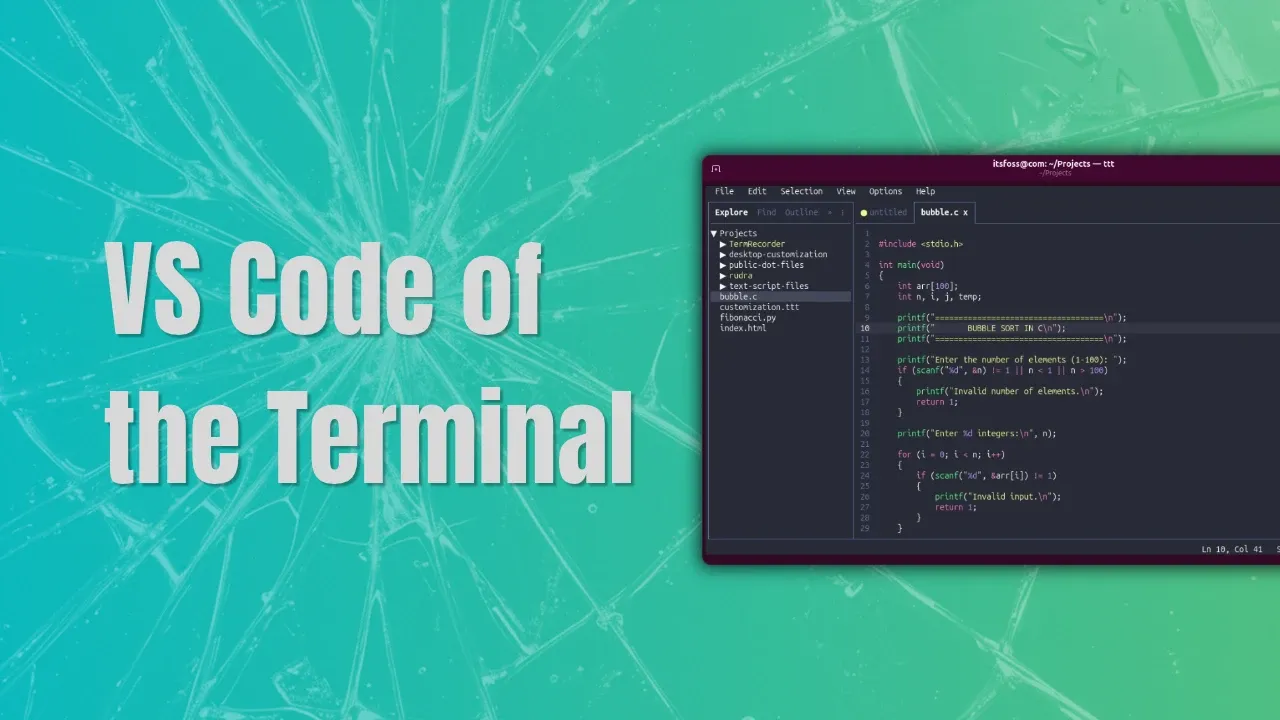
As we look toward the remainder of the year, the strength of the open-source community remains its most vital asset. Whether it is through the creation of advanced terminal text editors that rival GUI applications in functionality, or the collaborative effort to curate 15 active Linux-focused podcasts, the spirit of knowledge sharing is as strong as ever.

The challenges—ranging from the lobbying pressure of Big Tech to the inherent difficulty of maintaining cross-distro compatibility—are substantial. Yet, the persistent growth of the ecosystem, fueled by projects like Ubuntu, the continued refinement of gaming on Linux, and the rise of privacy-focused hardware, suggests a resilient path forward.
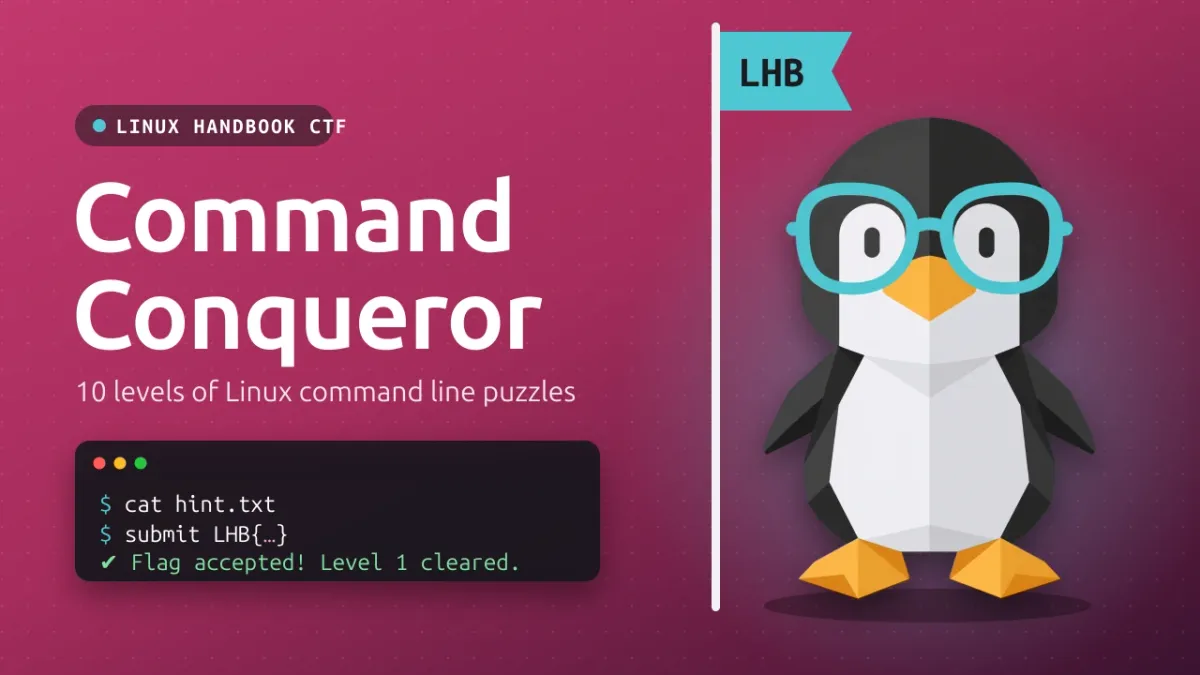
For the professional, the path forward is clear: continuous learning through certifications and hands-on engagement with new technologies. For the hobbyist, the landscape is richer than ever, offering everything from customizable Halloween themes for Hyprland to deep-dive CTF challenges that test one’s command-line mastery. As the ecosystem continues to mature, the focus on independence, security, and performance will remain the guiding principles for the years to come.
Note: For those interested in furthering their technical skills, the Linux Foundation’s current certification window closes on October 23. Engaging with these resources is not only a professional investment but a contribution to the broader goal of maintaining a secure and open digital infrastructure.