The Twilight of X11: How the Linux Community is Fighting to Keep the Legacy Alive
The Linux desktop ecosystem is undergoing its most significant architectural shift in decades. For nearly forty years, the X Window System (X11) has served as the backbone of graphical computing on Unix-like operating systems. However, as modern hardware demands evolve and security standards tighten, the industry is collectively pivoting toward Wayland—a modern, streamlined display protocol.
With major players like KDE Plasma confirming that version 6.7 will be the final release to support a native X11 session, and GNOME having already deprecated its X11 legacy, the "death" of X11 is no longer a theoretical debate—it is a scheduled event. Yet, the open-source community is nothing if not resilient. A vibrant, decentralized movement has emerged to preserve the X11 experience, ranging from incremental forks of the original X.Org Server to ambitious, ground-up rewrites in modern programming languages.

The Chronology of a Paradigm Shift
To understand the current urgency, one must look at the timeline of the display server evolution.
- The X11 Era (1984–2010s): Developed at MIT, X11 provided a network-transparent foundation for graphical interfaces. Its architecture, while revolutionary at the time, grew increasingly complex as it accrued decades of technical debt, security vulnerabilities, and "hacks" to accommodate modern GPU features.
- The Wayland Proposal (2008–Present): Kristian Høgsberg introduced Wayland as a way to simplify the display stack. By merging the roles of the display server, compositor, and window manager, Wayland eliminated the "middleman" that caused screen tearing and input latency.
- The Great Migration (2020–2026): Major distributions like Fedora and Ubuntu began defaulting to Wayland. By 2026, the transition moved from "experimental" to "mandatory" for major desktop environments.
- The Preservationist Resistance (2025–Present): As the deprecation notices hit, developers began building "lifeboats" for X11 enthusiasts, ensuring that legacy workflows and specialized applications remain functional in a post-Xorg world.
The Pillars of Preservation: Eight Projects Defying the Trend
The efforts to maintain X11 are not monolithic. They fall into three distinct categories: desktop environment forks, Wayland-compatible compatibility layers, and modern reimplementations of the X server protocol.

1. SonicDE: The KDE Fork
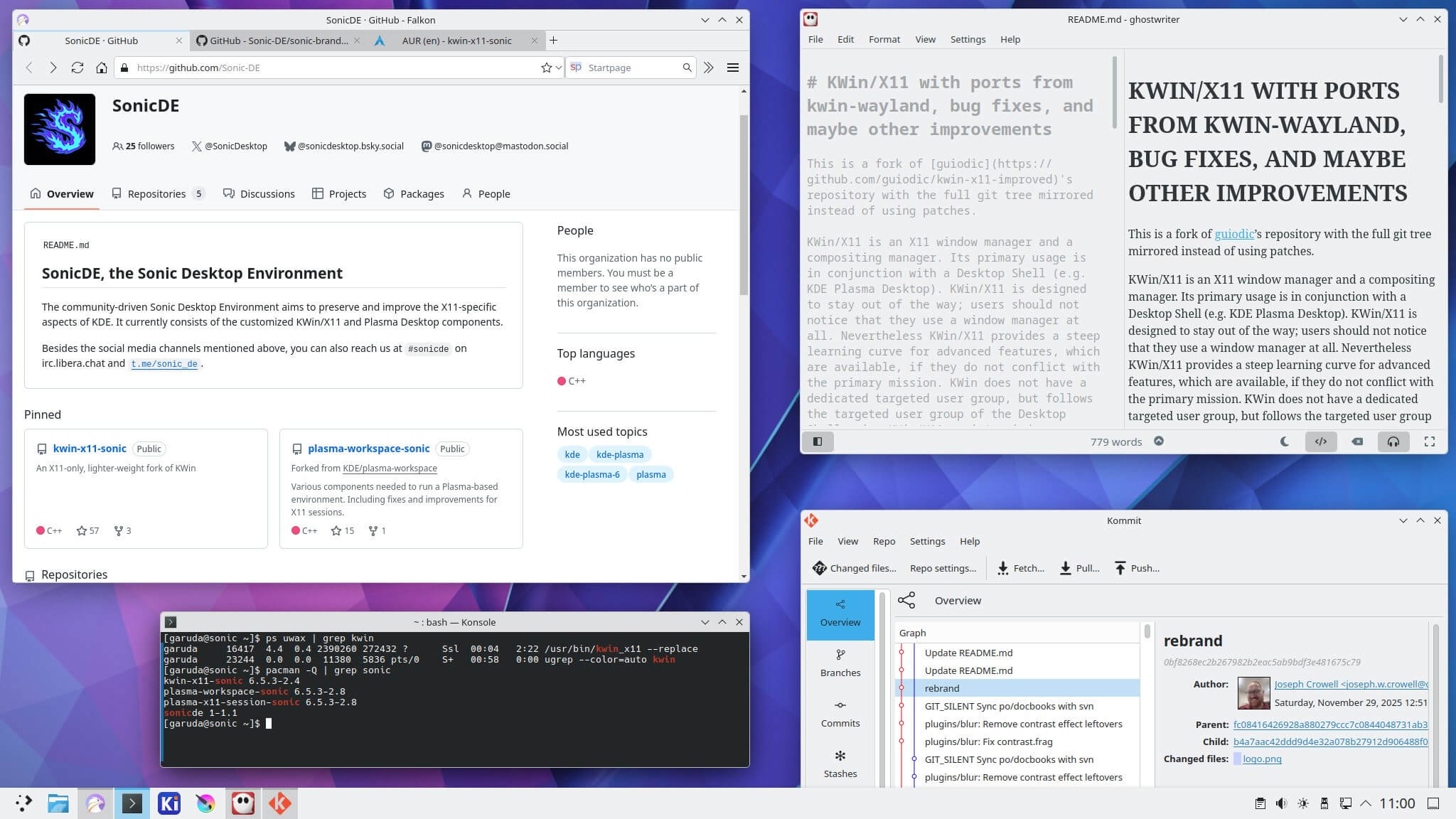
SonicDE represents the most direct attempt to keep the modern KDE Plasma experience on X11. Originating as a series of patches for KWin/X11, it has evolved into a dedicated desktop environment. By stripping out Wayland-only dependencies and maintaining a dedicated X11 compositor, the project ensures that users who rely on X11-specific features—such as certain remote desktop protocols or specialized OBS recording toggles—do not lose their workflow. Its support for a wide array of distributions, including Arch, Gentoo, and Slackware, makes it a primary hub for the X11 community.
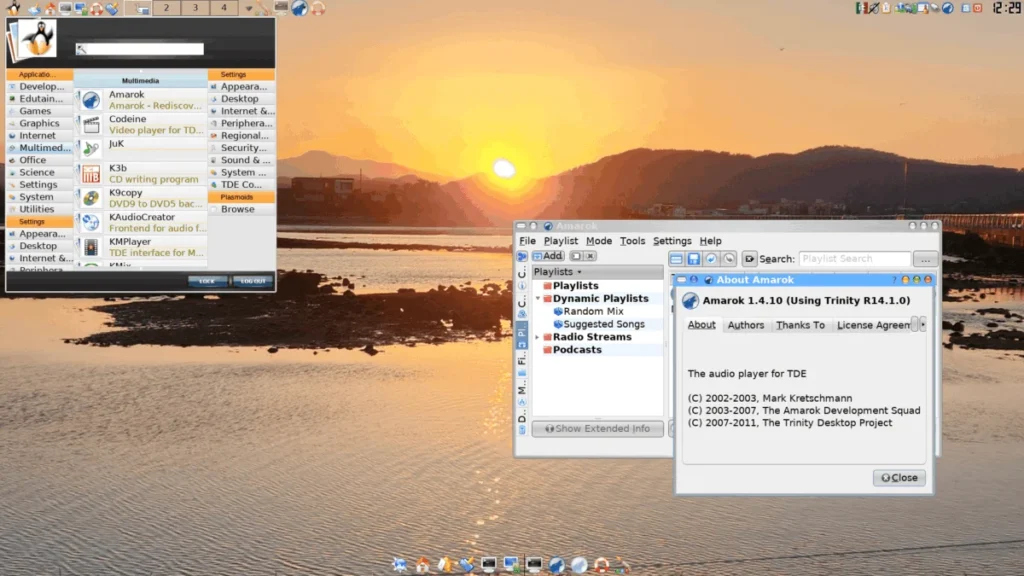
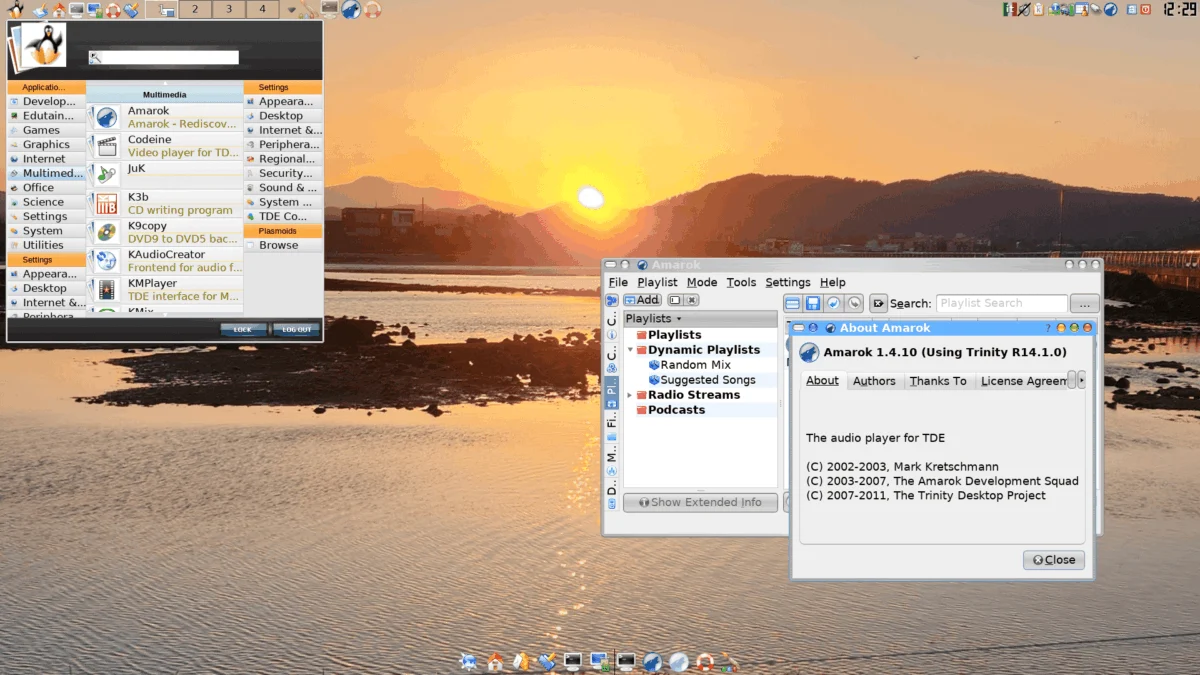
2. Trinity Desktop Environment (TDE)
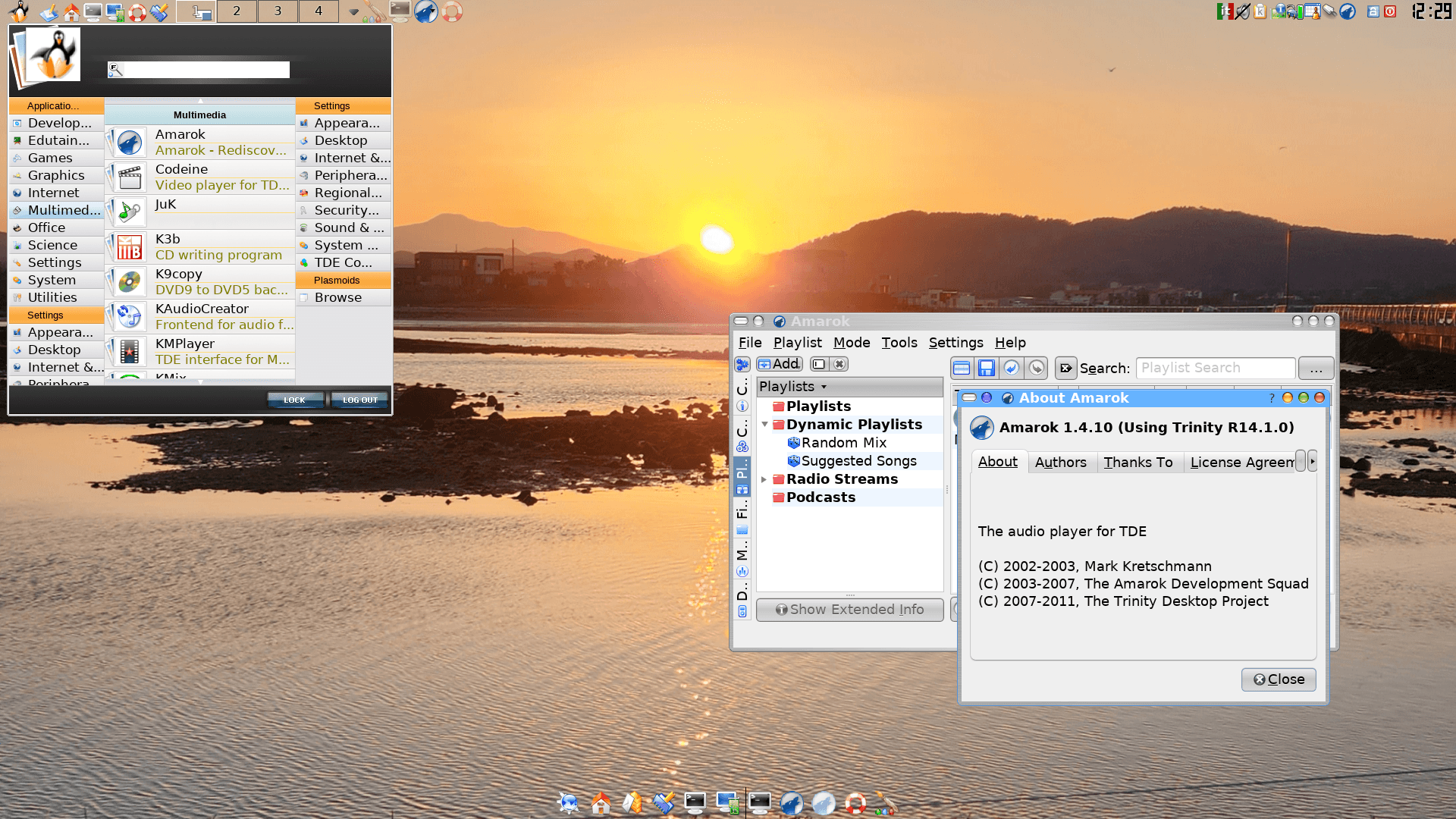
TDE is the veteran of the movement. By freezing the KDE 3.5 codebase and modernizing it, TDE provides a stable, lean, and purely X11-centric desktop. Unlike modern environments that use Xwayland, TDE remains native to the X protocol. Its recent R14.1.6 release demonstrates that the project is not just a museum piece; it is actively maintained with bug fixes, performance improvements, and UI enhancements that keep it competitive for users with modest hardware or specific aesthetic preferences.
3. Wayback: The "Bridge"
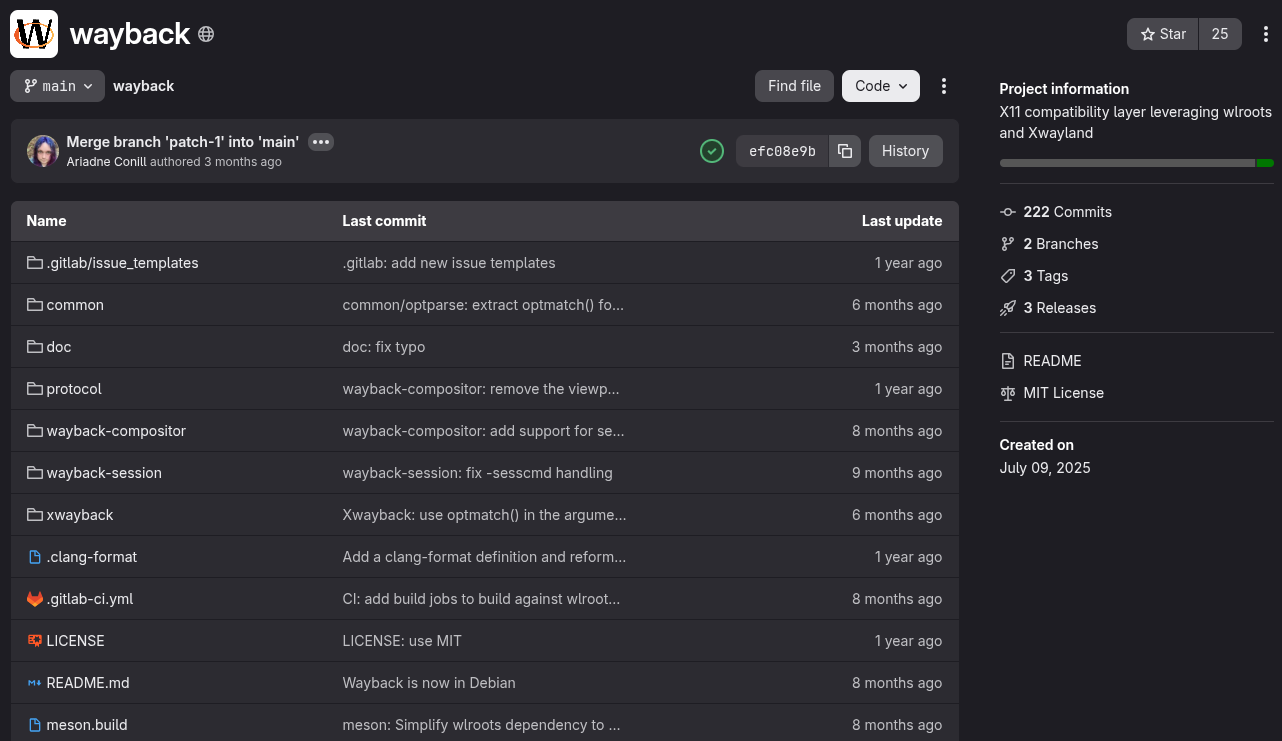
Ariadne Conill’s Wayback project takes a different approach. Rather than trying to keep Xorg alive, it acts as a lightweight Wayland compositor specifically designed to run a rootful Xwayland session. This allows an entire X11 desktop to exist within a Wayland environment, effectively "tricking" the desktop into thinking it is running on a standard X server. It is a pragmatic solution for Alpine Linux users who want to move to modern display management without abandoning their legacy X11 desktop environment.
4. XLibre: The Evolutionary Fork
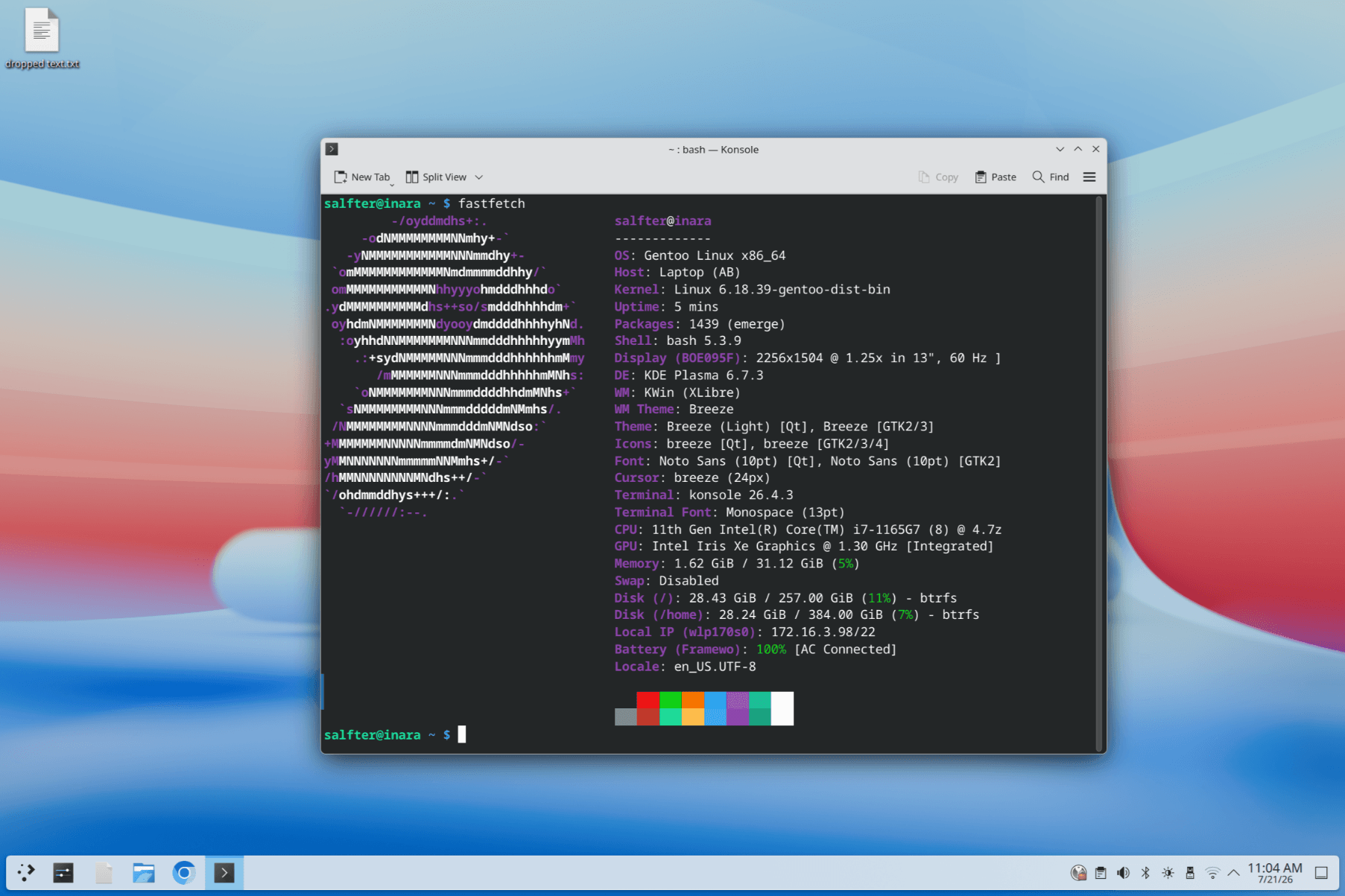
If Xorg is the "official" legacy, XLibre is the "community-maintained" future. This fork of the X.Org Server acts as a repository for features that were abandoned by the upstream project. By implementing TearFree modesetting by default and offering superior seat management (via seatd), XLibre has become the standard for distributions like PeppermintOS that are committed to avoiding Wayland dependencies.
5. Yserver: The Rust Revolution
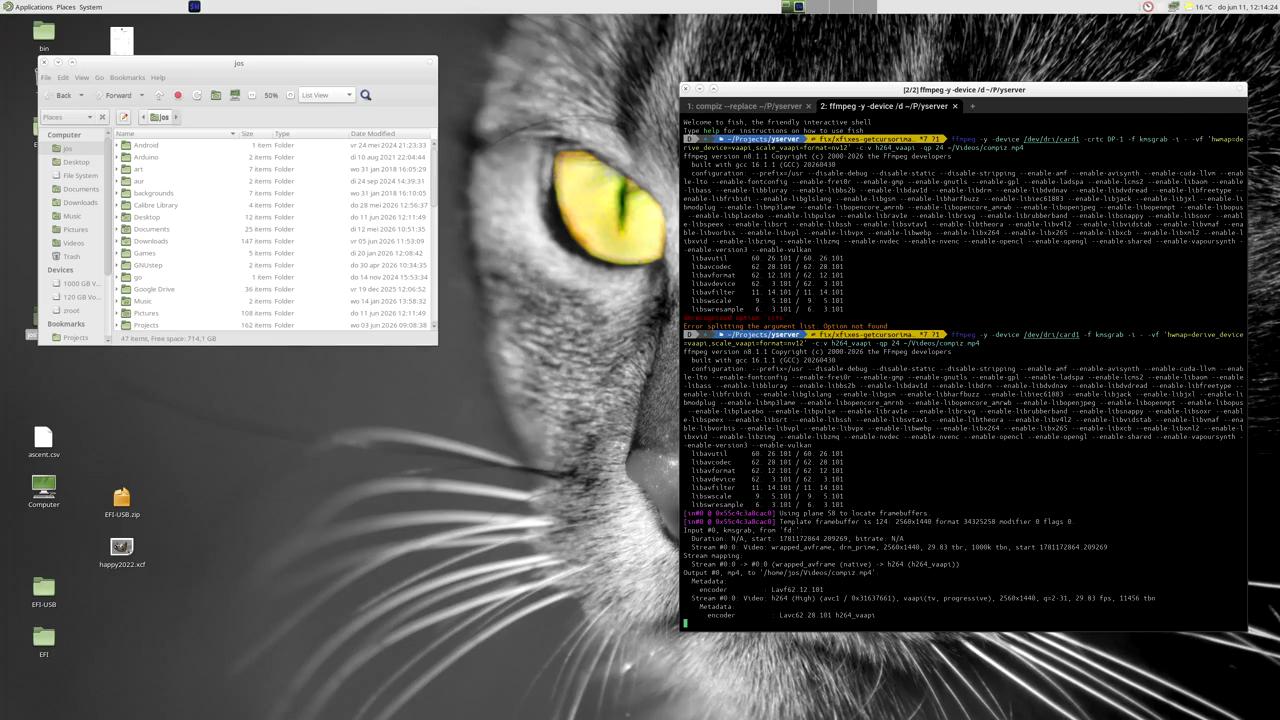
Written from the ground up in Rust, Yserver represents the modernization of the X protocol. Developer Jos Dehaes has focused on safety and performance, purposely stripping away rarely used features like indirect GLX and legacy byte-order swapping. While it is not a drop-in replacement for the monolithic Xorg server, its ability to run complex desktop environments like MATE, Xfce, and Cinnamon proves that the X11 protocol itself can be implemented efficiently with modern code.
6. XQuartz: The Cross-Platform Standard
XQuartz remains the essential link between the Unix-like world and macOS. By allowing X11 applications to render alongside native Cocoa applications on Apple Silicon, it serves a niche but vital role for researchers and developers. Its recent updates focusing on security vulnerabilities and Apple Silicon optimizations ensure that even in a world dominated by Wayland, the "network transparency" of X11 remains accessible to Mac users.
7. Phoenix: The Zig-Based Future
Phoenix is an experimental, high-performance X server built using the Zig programming language. Its design philosophy is strictly security-first: it aims to isolate applications from one another and restrict clipboard access by default. Although it is currently in an alpha state—running nested within existing sessions—it represents the "next generation" of the X protocol, proving that even a 40-year-old standard can benefit from modern security paradigms.
8. Frame: The Low-Level Marvel
Perhaps the most ambitious entry is Frame. Written in NASM assembly, it bypasses traditional dependencies like libc and Xlib entirely. By speaking the X11 protocol directly to the kernel via DRM/KMS, Frame achieves a level of performance and minimal resource usage that is impossible with higher-level implementations. It is a testament to the fact that the X11 protocol is essentially "hardware-agnostic" if the server implementation is sufficiently lean.
Implications for the Linux Desktop
The shift toward Wayland is driven by the legitimate need for better touch support, multi-monitor refresh rates, and security sandboxing. However, the "X11 Preservation Movement" highlights a critical tension in the open-source world: freedom of choice vs. technological progression.
The implications of these projects are far-reaching:
- Software Longevity: For enterprise environments and specialized industrial software that rely on legacy X11 behaviors, these projects provide a path forward that does not involve expensive, risky porting to new display protocols.
- Innovation in Protocol Implementation: Projects like yserver and Phoenix prove that the X11 protocol is not "broken"; rather, it was the aging implementation (Xorg) that was the bottleneck.
- Community Sovereignty: These projects prevent the "forced migration" of users. By maintaining these alternatives, the Linux community ensures that the desktop experience remains a personal choice, not a mandate issued by a few major corporate-backed projects.
Conclusion
The end of the X.Org Server era does not signify the end of X11. As seen with the emergence of projects like SonicDE, Yserver, and Frame, the community is actively deconstructing and reconstructing the X11 experience to fit a modern, secure, and performant landscape. Whether through the pragmatic approach of compatibility layers or the bold path of ground-up rewrites, the legacy of X11 is being woven into the fabric of the future. For the Linux user, this means the choice to remain on a traditional display system is not just a nostalgic preference—it is a viable, evolving, and technologically sound path forward.