The Currency of Creativity: Why Open-Source Hardware is Redefining Community Engineering
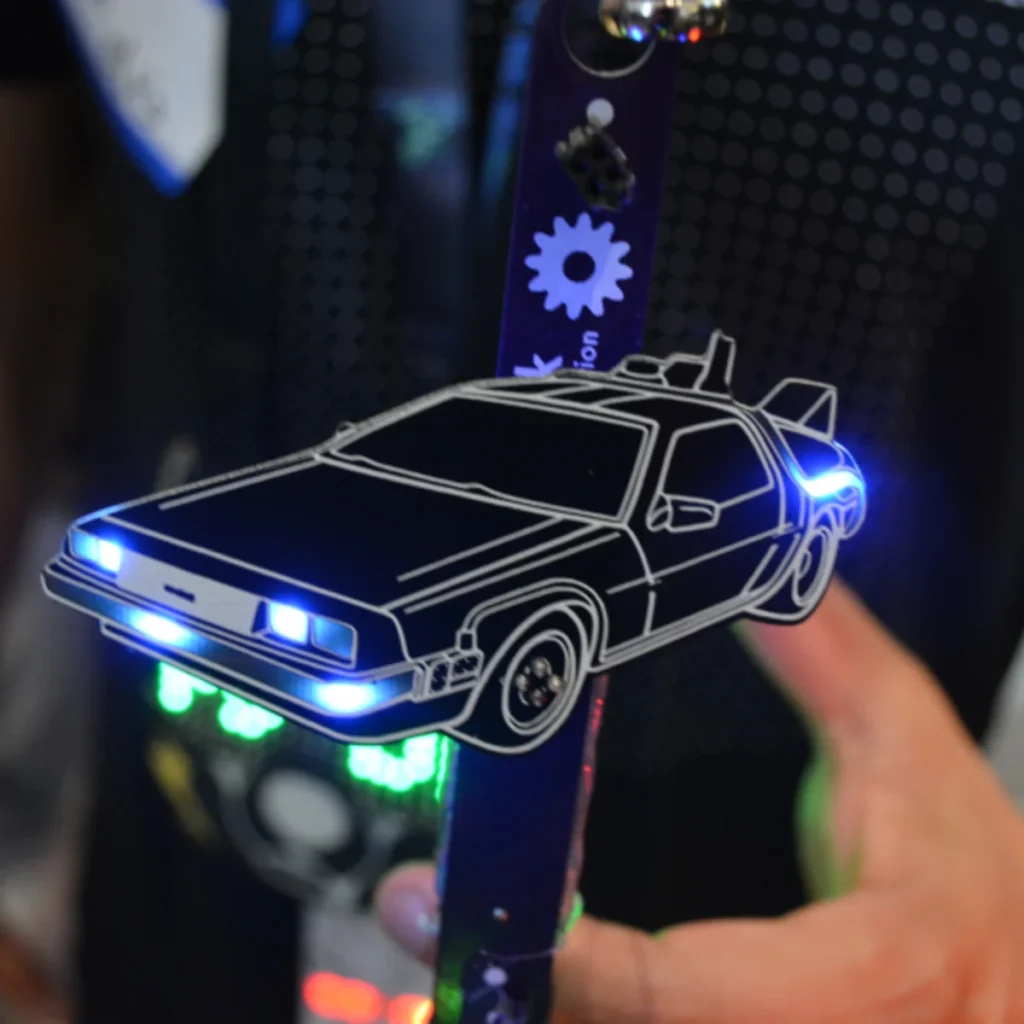
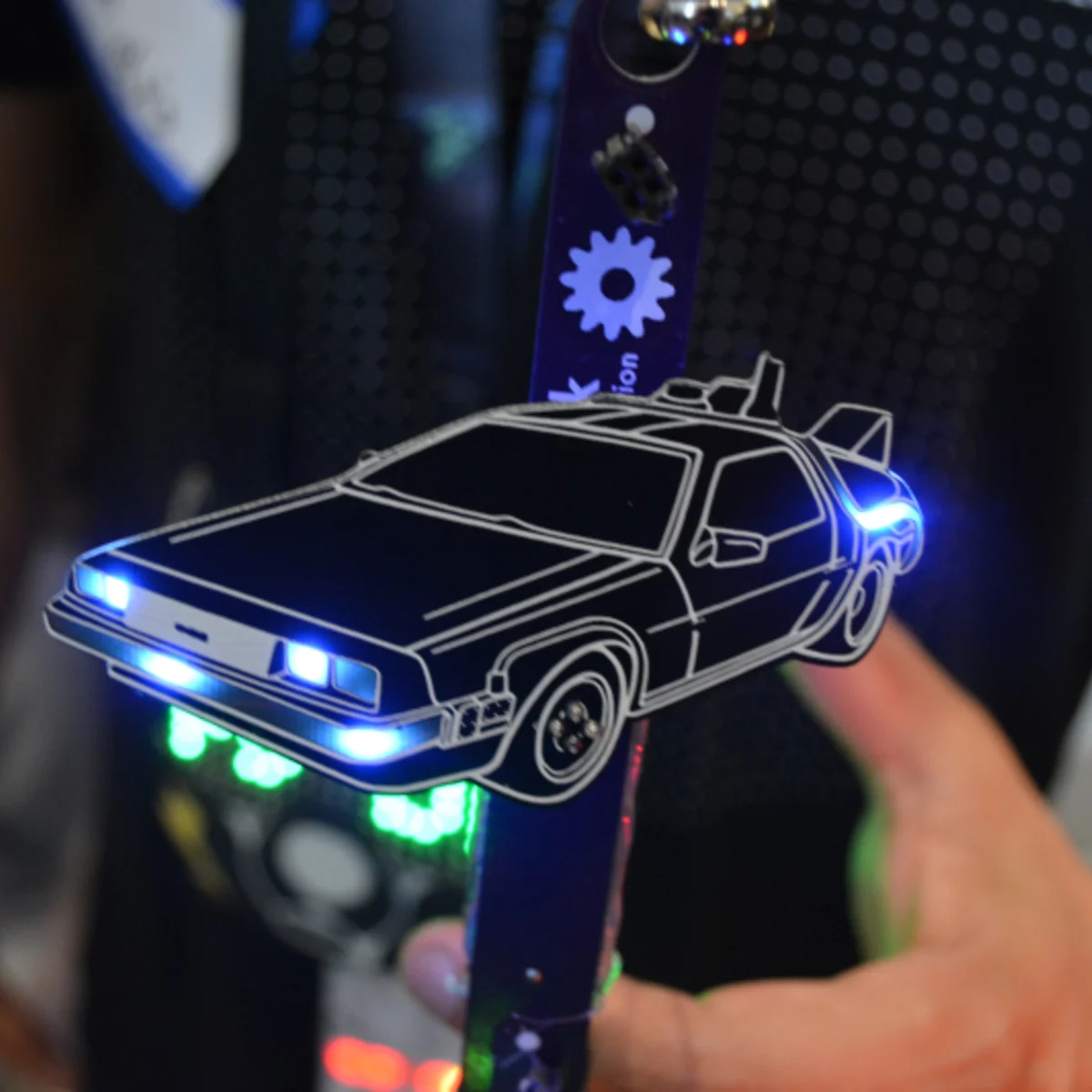
In the high-tech landscape of modern engineering, the value of a device is often measured in gigahertz, megabytes, or retail price tags. However, within the global community of hardware hackers—specifically those orbiting the Hackaday ecosystem—a different currency prevails. It is a currency defined by generosity, the thrill of shared discovery, and the profound, almost sentimental bond formed through open-source collaboration. As the countdown to the 2024 Hackaday Superconference (Supercon) reaches its final days, the workbench of a typical contributor serves as a microcosm of this culture: a collection of hand-soldered SAOs (Simple Add-Ons), bespoke development boards, and the crown jewel of the season, the new Supercon badge.
The Evolution of the Hardware Gift Economy
The phenomenon of "hacking for each other" has evolved from a niche hobbyist pursuit into a sophisticated, decentralized manufacturing movement. At the heart of this movement is the Simple Add-On (SAO). These small, often whimsical circuit boards serve as a digital "business card" for the modern engineer. They are small, inexpensive to produce, and offer a low-barrier entry into "full-stack" PCB design—teaching creators everything from schematic capture and layout to manufacturing logistics and surface-mount soldering.
The beauty of the SAO, as noted in the recent "Ode to the SAO," is that it functions as a bridge. It is an artifact of creativity that is cheap enough to give away freely, yet complex enough to command respect. It fosters a reciprocal cycle; as hackers share their work, they inevitably receive an influx of designs from peers, creating a living archive of community ingenuity. This isn’t just altruism; it is the construction of a social network mapped in solder and trace copper.
Chronology of a Community-Driven Movement
To understand how we reached the current peak of hardware sharing, one must look at the trajectory of the maker movement over the last decade:
- The Early 2010s (The DIY Awakening): The rise of platforms like GitHub and OSH Park made the once-prohibitive cost of custom PCB manufacturing accessible to the masses. This period saw the first wave of "open-source hardware" moving from concept to kitchen-table reality.
- The Mid-2010s (Standardization): The introduction of the SAO standard provided a common language for hardware add-ons. By standardizing the pinout and form factor, the community enabled interoperability, allowing a badge from one creator to be powered by a badge from another.
- The 2020s (The Professional-Amateur Hybrid): The emergence of high-quality, community-developed dev boards—such as the Hack Club’s Orpheus Pico or [CNLohr]’s ch32v003fun ecosystem—signaled a shift. These were no longer just prototypes; they were reliable, high-performance tools that developers began choosing over mass-produced, "bland" commercial alternatives.
- The Present (Supercon 2024): With the upcoming Supercon, the philosophy of "giving away" complex designs has reached its highest expression. This year, the organizers are producing 1,000 custom, high-end badges, backed by sponsorship, to ensure that the attendees—not just the elite, but every single participant—can engage with cutting-edge hardware.
Supporting Data: Why Custom Hardware Outperforms the Commodity
Why would a developer reach for a hand-soldered, community-made development board over a polished, mass-produced equivalent from a major manufacturer? The answer lies in the "Human Factor."
When a engineer uses a board designed by a peer—like the ch32v003fun programmer—there is an inherent trust. These boards are often designed with specific, idiosyncratic needs in mind that corporate engineering teams ignore. Furthermore, the documentation is often written by the person who spent all night debugging the hardware, making it far more "human-readable" than a 400-page datasheet from a faceless vendor.
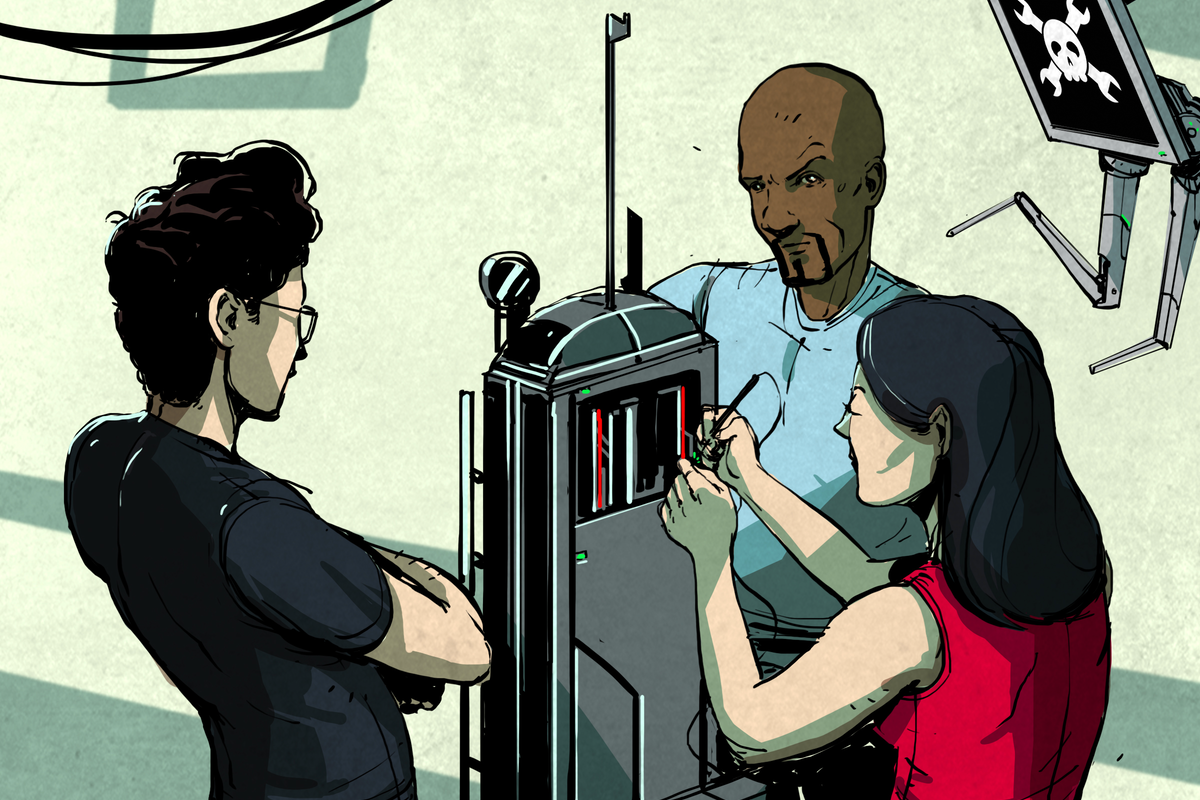
The scale of this production is also noteworthy. Producing 1,000 units of a custom badge is a logistical feat that requires a deep understanding of supply chain management, assembly, and quality control. By leveraging sponsorship, the Hackaday team has effectively democratized "pro-level" hardware production, proving that a non-commercial, community-focused initiative can produce devices that rival the build quality of industry leaders.
Official Perspectives: The Philosophy of the Badge
The development of the annual Supercon badge is not merely a task of engineering; it is a creative mission. The project leads emphasize that the "fortunate" nature of the badge—having the backing of sponsors—is what allows for the inclusion of premium features that would otherwise be budget-prohibitive.
"It has become a bit of a cliché to say it’s made with love," one lead engineer noted, "but that doesn’t make it any less true." The process involves months of iterative design, from initial breadboard prototyping to the final, production-ready aesthetic. The goal is to provide a piece of hardware that is as much an educational tool as it is a conversation piece. By giving these away to attendees, the organizers aren’t just distributing electronics; they are seeding the community with the tools for future innovation.
Implications for the Future of Tech
The implications of this culture of generosity are far-reaching. As we move toward a future where hardware is increasingly commodified and locked down by proprietary ecosystems, the Hackaday community acts as a vital counter-balance.
- Educational Impact: By encouraging "full-stack" production at the hobbyist level, the community is training the next generation of engineers who understand the entire manufacturing lifecycle, not just the code.
- Innovation Velocity: Because these designs are open-source, they can be iterated upon by others in real-time. If a developer finds a bug in a community-made board, a fix is often pushed to GitHub within hours, rather than months of waiting for a corporate firmware update.
- The Humanization of Technology: Perhaps most importantly, this movement restores the human element to engineering. In an era where tech is often criticized for being impersonal or exploitative, the act of giving a hand-designed piece of hardware to a fellow enthusiast reaffirms the social purpose of technology: to connect people and share knowledge.
Conclusion: A Call to the Community
As the community prepares for the upcoming Supercon, the message is clear: the hardware you build, the designs you share, and the boards you gift to friends are the lifeblood of this movement. Whether it is a tiny SAO or a sophisticated dev board, these objects hold value far beyond their physical components. They carry the intent, the effort, and the spirit of their creators.
To the veterans and the newcomers alike, the advice remains the same: keep building, keep sharing, and keep reaching for those community-made tools. If you are among the lucky thousand attending Supercon this year, take a moment to look at the badge in your hand. It is more than just a circuit board; it is a manifestation of a community that believes, firmly and fundamentally, that the best way to move technology forward is to share the journey with those standing right next to you.