The True Cost of Play: Navigating the Gaming Console Market in 2026
In an era defined by economic volatility, supply chain constraints, and the surging cost of high-end semiconductor components, the video game industry finds itself at a crossroads. For the casual gamer or the budget-conscious consumer, the hobby has transitioned from an accessible pastime to a significant financial commitment. As we navigate 2026, the question is no longer just "which console should I buy?" but rather "which system provides the best value over its entire lifecycle?"
The initial sticker price of a gaming console is often a deceptive metric. While a low upfront cost may appear enticing, the long-term expenditure—dictated by software pricing, subscription models, and hardware longevity—often tells a very different story.
The Landscape of 2026: Why Gaming Has Become a Premium Hobby
The gaming hardware market has been fundamentally altered by global macroeconomic factors. Import tariffs, a tightening of trade relations, and the persistent, upward pressure on memory prices have forced manufacturers to recalibrate their pricing strategies.
The most glaring example of this inflation is the PlayStation 5 Pro. Debuting in 2024 with a $700 MSRP, the console has seen its market value balloon. Today, the standard retail price has climbed to $900, with secondary market volatility pushing prices from resellers like GameStop to upwards of $1,400. For those seeking the bleeding edge of performance—such as the high-fidelity demands of Grand Theft Auto VI—the barrier to entry is no longer just a few hundred dollars; it is a significant investment that rivals the cost of a high-end workstation.
Chronology of Price Escalation
- 2023: Early indicators of memory price volatility begin to impact mid-tier gaming hardware.
- 2024: Launch of the PS5 Pro at $700; initial market reception is lukewarm due to the price tag.
- 2025: Supply chain bottlenecks and increased tariffs lead to widespread MSRP adjustments across major manufacturers.
- 2026: Market stabilization at higher price points; the "budget" segment of the market begins to diverge from the "premium" segment.
Evaluating the "Cheapest" Upfront Options
If your priority is keeping your initial expenditure to a minimum, the traditional market giants offer a sobering reality. Sony and Microsoft have pivoted heavily toward digital-first ecosystems, which removes the consumer’s ability to offset costs through the secondary market of used physical discs.
The Digital Paradox
The PlayStation 5 Digital Edition now sits at $600, while the Xbox Series S—previously considered the "entry-level" gateway—has seen its price climb to $500. While these consoles serve as entry points to their respective ecosystems, they are effectively "walled gardens." Without a disc drive, you are entirely beholden to the digital storefronts of Sony and Microsoft.
While subscription services like Xbox Game Pass or PlayStation Plus offer a curated library, the monthly cost of $10 to $23 creates a "subscription fatigue" that can negate the perceived savings of a cheaper console within a single year of ownership.
The Case for the Nintendo Switch Lite
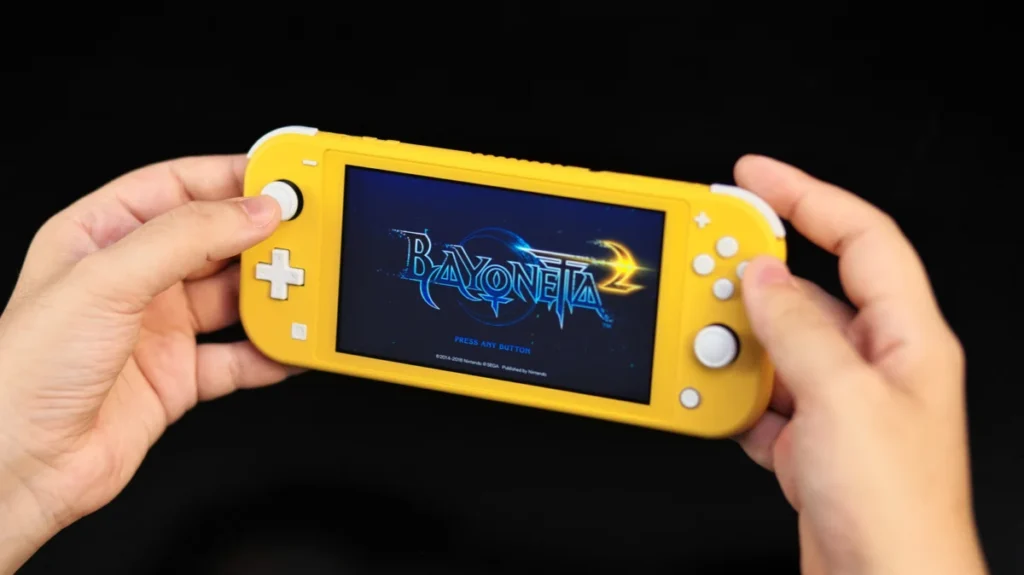
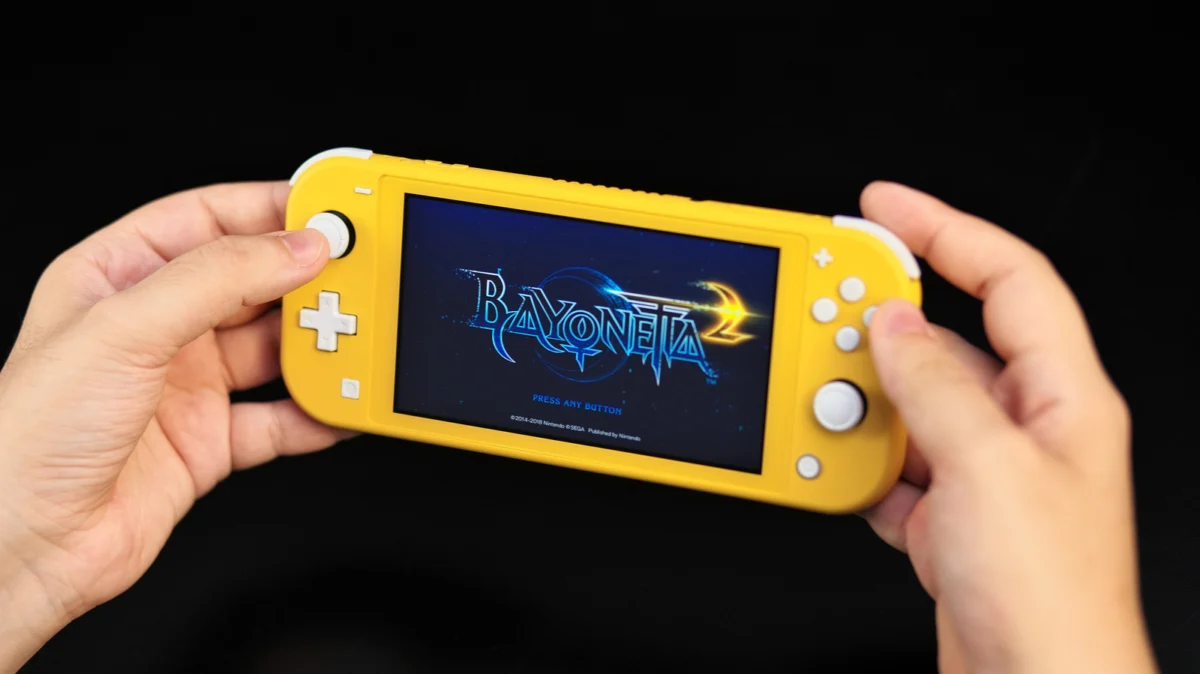
For the absolute lowest point of entry, Nintendo remains the primary contender. The Switch Lite, at $230, represents the most accessible piece of modern gaming hardware on the market. However, there is a clear trade-off: this device is a relic of the 2017 architecture. It cannot run the latest software optimized for the newer Nintendo Switch 2, and it lacks the hybrid functionality that allows for TV-docked play.
Yet, for the player interested in an expansive back-catalog—ranging from Super Mario Odyssey to third-party indie masterpieces like Hades or Undertale—the Switch Lite remains the undisputed champion of low-cost hardware.
The Handheld PC Alternative: A Long-Term Strategy
While the upfront cost of a handheld PC—such as the Valve Steam Deck OLED ($789) or the ASUS ROG Ally X ($1,000)—is significantly higher than a standard console, it introduces a critical factor in the value equation: software affordability.
The Economics of the PC Ecosystem
The primary advantage of the PC platform is the aggressive, competitive nature of its storefronts. Platforms like Steam, GOG, and the Epic Games Store operate in a global, open market. Unlike Nintendo, which rarely offers deep discounts on its first-party titles regardless of age, PC games undergo frequent, deep price cuts. A game that holds its value at $60 on a console may be available for $5 or $10 on a PC storefront within a year of its release.
For a gamer who plans to build a large library of titles, the price gap between a $230 Switch Lite and an $800 Steam Deck can disappear within 24 to 36 months simply by purchasing games at PC-market prices rather than console-market prices.
Supporting Data: The Cost of Ownership
- Nintendo Ecosystem: High hardware accessibility, high software cost, limited secondary market (physical only).
- Sony/Microsoft Digital: Moderate hardware cost, high software cost, no secondary market.
- Handheld PC: High hardware cost, low software cost, massive library access.
Official Responses and Industry Implications
Major industry stakeholders have responded to these trends by emphasizing "service-led" growth. Sony’s official statements regarding their pricing structure point to the necessity of maintaining "premium experiences" in an era of rising development costs. Similarly, Microsoft has leaned heavily into the Game Pass model, arguing that it lowers the "effective cost" of gaming by providing access to hundreds of titles for a flat fee.
However, consumer advocacy groups and analysts have raised concerns about the lack of options for low-income gamers. As the industry moves away from physical media and affordable hardware, the "digital divide" in gaming is widening. The reliance on digital-only consoles prevents the circulation of used games, which has historically been the primary mechanism for budget-conscious gamers to participate in the medium.
Strategic Considerations for the Consumer
When choosing a console in 2026, the decision should be dictated by your usage pattern:
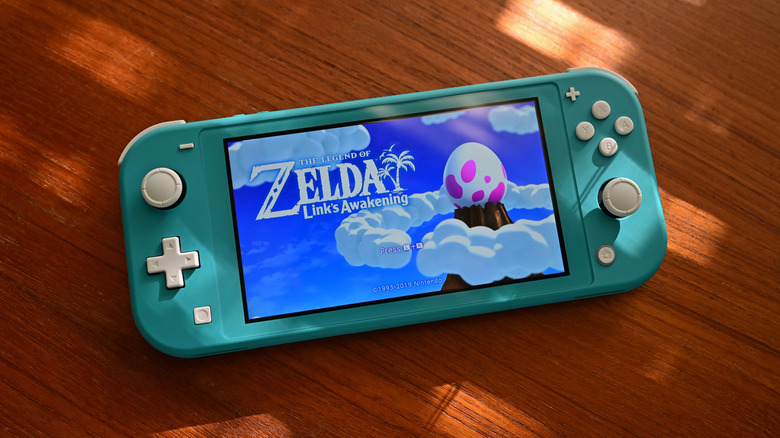
- The Occasional Gamer: If you play only a few titles per year, the Switch Lite or a used console remains the most sensible path. The upfront savings outweigh the long-term software costs because you aren’t purchasing enough games for the "PC discount effect" to matter.
- The Collector: If your goal is to build a massive library of games, the handheld PC is the superior financial choice. The ability to access decades of PC software, combined with the frequency of deep sales, makes the higher hardware cost a prudent long-term investment.
- The Performance Enthusiast: If you are chasing the latest releases, you are essentially locked into the current console ecosystem. You must accept that your expenditure will involve not just the console, but likely a recurring subscription fee and premium prices for new software.
The Hidden Utility of PCs
Beyond gaming, the handheld PC serves as a functional computer. The ability to run productivity software, manage files, and browse the web provides a "utility value" that consoles lack. In a household where technology must serve multiple roles, this adds a layer of value that further justifies the higher initial cost.
Conclusion
As we look toward the remainder of 2026 and beyond, the gaming industry is clearly shifting toward a model where hardware is merely the key to an ongoing service relationship. The cheapest console is no longer the one with the lowest price tag at the checkout counter; it is the one that best aligns with your gaming habits. By looking past the initial cost and calculating the total cost of ownership—hardware, software, and subscriptions combined—consumers can navigate this high-priced era without sacrificing their financial stability.
While the industry continues to prioritize high-fidelity, high-cost experiences, the enduring popularity of the Nintendo Switch Lite and the rise of the handheld PC demonstrate that there is still a robust demand for alternatives that balance performance, portability, and, above all, affordability.