The AI Revolutionaries Return: People of AI Podcast Launches Season 2 with a Focus on Generative AI and Industry-Shifting Innovation
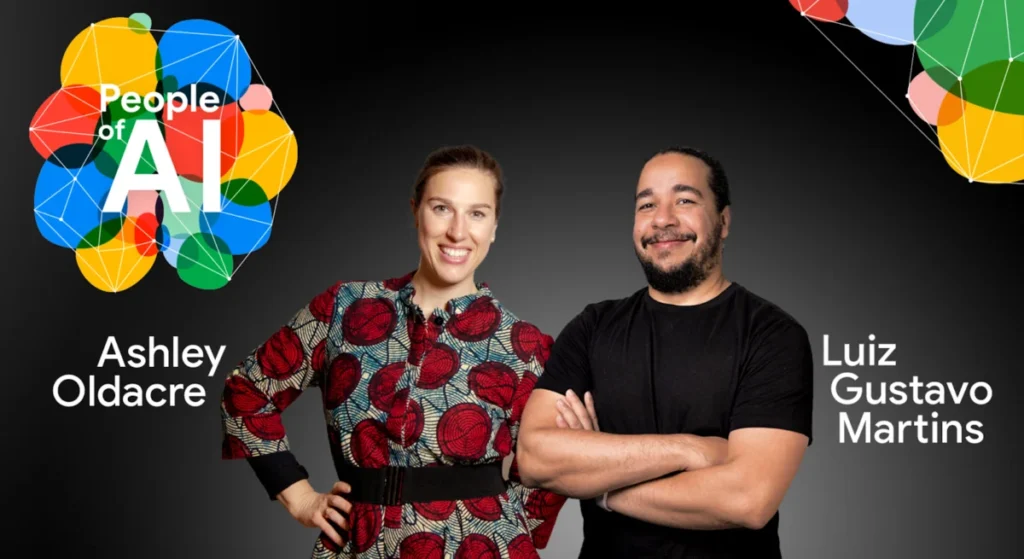
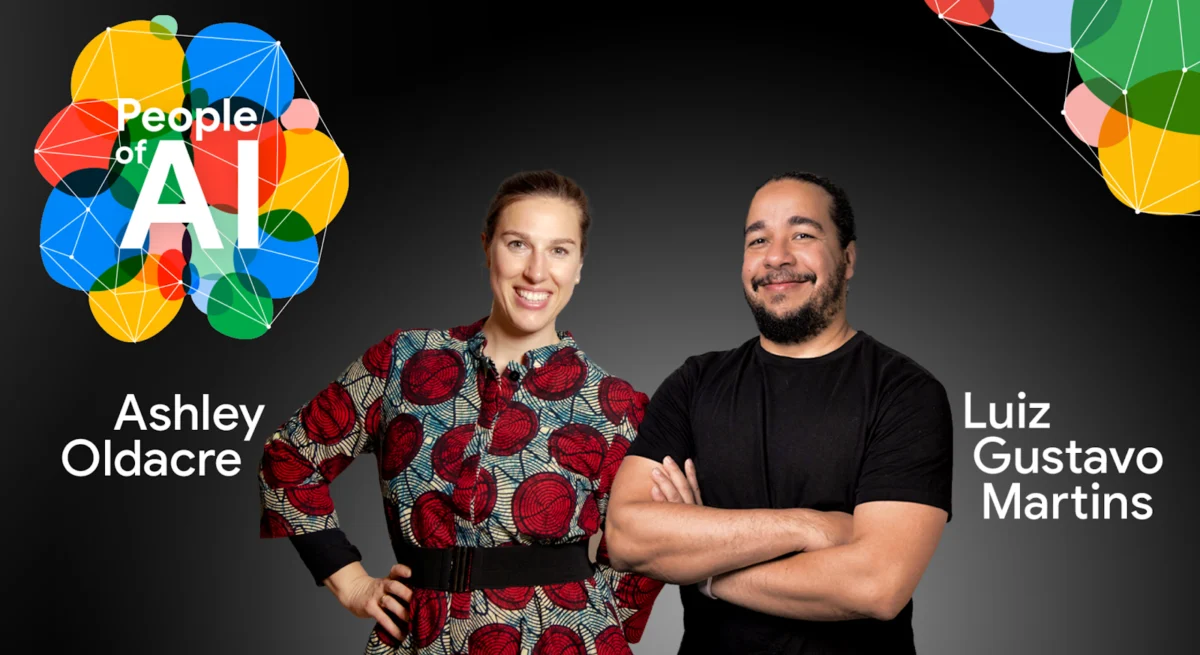
SAN FRANCISCO — The intersection of artificial intelligence and human ambition takes center stage once again as the acclaimed podcast People of AI officially returns for its second season. Spearheaded by host and creator Ashley Oldacre, the Google-sponsored podcast is back with a revamped format, a new co-host, and a dedicated mission to decode the rapid, paradigm-shifting advancements sweeping the tech landscape.
For listeners tuning in for the first time, Season 1 laid a robust foundation. Featuring eight deeply personal and engaging episodes, the inaugural season explored the diverse, winding career trajectories of professionals working within artificial intelligence and machine learning (ML). By spotlighting unconventional backgrounds, Season 1 delivered a powerful message: the AI ecosystem is not reserved solely for computer science traditionalists. Whether coming from the arts, humanities, or unexpected enterprise sectors, there is a seat at the table for anyone driven by curiosity.
Now, building upon that momentum, Season 2 pivots its primary lens toward the seismic wave of Generative AI, aiming to demystify the technology that has fundamentally altered how society creates, communicates, and works.
Main Facts: What to Expect from Season 2
The launch of People of AI Season 2 arrives at a critical inflection point in technology history. Generative AI tools—capable of producing sophisticated text, imagery, code, and multimedia in seconds—have transitioned from experimental novelties to essential enterprise drivers.
- The New Co-Host: Ashley Oldacre is joined this season by Luiz Gustavo Martins, bringing a fresh dynamic, deeper technical insights, and global perspectives to the interview chair.
- The Core Theme: While Season 1 focused heavily on career accessibility and breaking down barriers to entry, Season 2 centers on the explosive growth of Generative AI, exploring its capacity to drive economic growth, maximize productivity, and unlock unprecedented creative potential.
- Human-Centric Storytelling: Despite the heavy focus on technological capability, the podcast remains rooted in the human element. Guests will share their personal origin stories, detailing how they discovered their passion for tech, overcame professional hurdles, and navigated the modern AI gold rush.
- Format Expansion: In a major upgrade for fans of the show, producers have announced that the latter half of Season 2 will premiere the podcast’s first-ever video episodes, offering a richer, face-to-face viewing experience alongside traditional audio feeds.
- Release Schedule: New episodes will drop weekly, available immediately on the official People of AI Libsyn platform and across all major podcast streaming services.
Chronology: The Evolution of People of AI
To understand the significance of Season 2, it is helpful to trace the trajectory of the podcast and the broader technological landscape it reflects.
Pre-Season 1: Identifying the AI Skills Gap
Long before the widespread public awakening sparked by modern large language models, creators recognized a persistent narrative gap in the tech industry: AI was often discussed as an abstract, intimidating monolith rather than a collection of human-driven endeavors. The concept for People of AI was born out of a desire to humanize machine learning, making the field approachable to students, career-switchers, and seasoned professionals alike.
Season 1: Demystifying Entry Barriers
The inaugural season rolled out eight foundational episodes. Throughout these conversations, guests emphasized that machine learning tools were becoming increasingly democratized. Developers no longer needed to build neural networks from scratch; instead, robust cloud platforms, accessible APIs, and pre-trained models allowed builders to focus on application and impact. Crucially, Season 1 established an ethical framework, dedicating significant airtime to the responsibilities of building AI products safely, transparently, and inclusively.
The Generative AI Boom (2023–Present)
Between the conclusion of Season 1 and the premiere of Season 2, the global technology sector underwent a generational shift. The release of advanced generative models compressed decades of anticipated progress into a matter of months. Recognizing that this tectonic shift required a new vocabulary and a deeper exploration of productivity tools, the production team went back to the drawing board to shape Season 2 around this hyper-acceleration.
Launch Day (Present)
Today marks the official debut of Season 2. With the introduction of Luiz Gustavo Martins as co-host and a slate of industry innovators lined up for the coming weeks, the podcast opens its second chapter with an episode exploring the bleeding edge of machine intelligence.
Supporting Data & Industry Context: The Generative AI Landscape
The thematic pivot of People of AI Season 2 aligns with macroeconomic data underscoring the rapid adoption and economic footprint of Generative AI across global markets.
According to recent industry analyses from leading market research firms:
- Productivity Gains: Studies evaluating knowledge workers utilizing generative tools report productivity increases ranging from 20% to 40% in routine tasks such as coding, document drafting, and data synthesis.
- Investment Surge: Venture capital and corporate enterprise spending on generative AI infrastructure, applications, and talent acquisition have shattered historical records, signaling that this is not a transient tech trend but a fundamental re-architecture of digital infrastructure.
- Accessibility Metrics: As highlighted in Season 1 of the podcast, the barrier to entry for utilizing AI has plummeted. Cloud-based developer platforms and low-code/no-code generative interfaces have enabled millions of non-technical domain experts to build custom AI workflows without writing complex algorithms.
Despite these staggering metrics, a persistent challenge remains: the talent shortage. As companies race to integrate AI into their workflows, the demand for cross-disciplinary thinkers—people who understand both the technical capabilities and the ethical implications of these systems—has never been higher. This exact workforce dynamic serves as the primary backdrop for the conversations featured in People of AI Season 2.

Official Perspectives and Behind-the-Scenes Insights
The production team behind People of AI has consistently emphasized that the podcast is designed to be an open forum for honest, unfiltered dialogue.
In welcoming Luiz Gustavo Martins to the co-hosting seat, Ashley Oldacre noted that Martins brings a vital perspective on how global engineering communities are adapting to the generative era. Martins’ background in technology and his passion for community-building mirror the podcast’s ethos of inclusivity and continuous learning.
While sponsored by Google—providing crucial support for the production, distribution, and expansion of the series—the creators maintain editorial independence. As noted in the podcast’s official disclaimer, any remarks, opinions, and insights shared by the guest speakers are entirely their own and do not necessarily represent official endorsements or policies by Google. This independence ensures that guests are free to speak candidly about their trials, failures, breakthroughs, and visions for the future of technology.
Implications: Why Season 2 Matters for the Future of Work
The launch of People of AI Season 2 is more than just a media event; it serves as a psychological and educational anchor for a workforce navigating massive uncertainty.
As automation and generative systems redefine job roles across every imaginable sector—from creative arts and software engineering to healthcare, law, and finance—workers are naturally grappling with questions of job security, ethics, and relevance. By focusing Season 2 on personal career journeys alongside cutting-edge technical applications, the podcast addresses these anxieties head-on.
1. Re-skilling and Continuous Education
The guests featured on Season 2 demonstrate that the modern professional must adopt a mindset of continuous adaptation. By breaking down how experts mastered these complex tools, the show provides listeners with actionable blueprints for their own professional development.
2. Championing Responsible Innovation
Building upon the ethical dialogues established in Season 1, the new episodes interrogate the boundaries of Generative AI. Discussions regularly touch on how creators can harness incredible computational power while actively mitigating risks related to bias, data privacy, misinformation, and intellectual property.
3. Fostering a Global Community
By expanding into video formats later this season and capturing diverse international voices, People of AI is actively cultivating a global community of practice. It bridges the gap between theoretical computer science and practical, everyday human application.
How to Listen
Listeners can dive into the opening episode of Season 2 starting today. The complete Season 1 catalog, along with the newly released Season 2 premiere, is available for binge-listening on the official People of AI Libsyn site, or across all major podcast directories, including Apple Podcasts, Spotify, and Google Podcasts.
Fans are encouraged to subscribe and stay tuned for upcoming weekly drops, as well as the upcoming rollout of the show’s landmark video podcast episodes later this season.
Whether you are an experienced machine learning engineer, a curious business leader, or a professional wondering how generative tools will impact your career tomorrow, People of AI offers an essential listening experience to help navigate the future of human-machine collaboration.