Entertainment on the Go: Android Games Officially Shift from Beta to General Availability for Vehicles
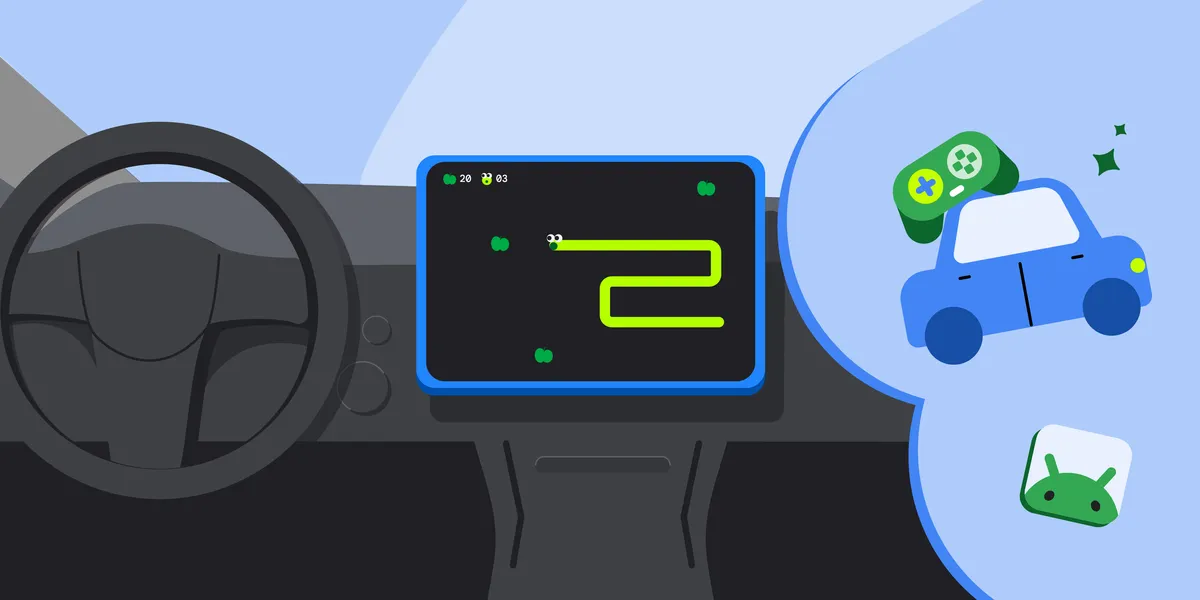
The landscape of in-car entertainment is undergoing a tectonic shift. For years, the dashboard was reserved strictly for navigation, communication, and music streaming. Today, Google has officially announced that the games category for Android Auto and cars powered by Android Automotive OS (with Google built-in) has graduated from its beta testing phase to full general availability.
This milestone marks a significant expansion in the capabilities of the modern connected vehicle. By opening the doors for developers to publish games to the open testing and production tracks on the Google Play Store, Google is transforming the vehicle from a mere mode of transportation into a multi-purpose leisure space. Whether it is a quick session while waiting for a curbside pickup or a longer gaming break during an electric vehicle (EV) charging stop, the "parked-only" gaming experience is set to become a standard feature of the automotive software ecosystem.
The Chronology: From Concept to Cockpit
The journey to this announcement has been one of rigorous development and safety-first iteration.
- Early Development: Recognizing the growing downtime associated with vehicle ownership—particularly the time spent waiting at charging stations—Google began exploring how to bring interactive entertainment to the car.
- The Beta Phase: Google initiated a beta program that allowed early access partners to test games within the "parked-only" framework. This phase was critical for establishing the safety parameters that ensure games are strictly inaccessible while the vehicle is in motion.
- Refinement of UX Guidelines: Throughout the beta period, Google worked closely with developers to refine how mobile-first games translate to the unique screen aspect ratios and input methods (touch and controller) found in modern vehicles.
- The Official Launch: Today’s announcement signifies the conclusion of that testing period. Developers are now empowered to push their titles to the global market, provided they meet the newly established technical and safety criteria.
Supporting Data and Technical Requirements
The transition to general availability is not a "plug-and-play" scenario for developers. To maintain the integrity of the vehicle’s operating system and ensure user safety, Google has outlined a stringent technical framework that developers must implement.
Manifest Configuration
The foundation of a car-ready game lies in the app manifest. Developers must explicitly declare their application as a game using the android:appCategory="game" attribute. This categorization is essential for Google Play to correctly index the app for vehicle-specific storefronts.
For Android Auto, support is restricted to devices running Android 15 and higher. Developers must include the android.intent.category.CAR_LAUNCHER within their activity’s intent filter to ensure the game appears in the car’s launcher interface.
For Android Automotive OS, developers must declare their hardware support using the <uses-feature android:name="android.hardware.type.automotive" /> element. Depending on whether the developer chooses to release on the "mobile track" or the "dedicated automotive track," the android:required attribute must be carefully managed to ensure the app is only available on compatible hardware.
Safety Protocols: The "Parked-Only" Mandate
The most critical aspect of this rollout is the strict adherence to the "parked state." Android Auto and Android Automotive OS are hard-coded to disable non-essential applications when a vehicle is in motion or when UX restrictions are triggered.
Developers are strictly forbidden from including the distractionOptimized metadata element in their manifests. Furthermore, games must be architected to immediately halt all audio and gameplay output when a vehicle begins to move. If a user relaunches the app, the game is expected to restore the state precisely where it was left, ensuring a seamless experience that respects the vehicle’s operational status.
Hardware and Controller Integration
While many car interfaces rely on touch, the tactile experience of a dedicated controller is often superior. Google is encouraging developers to implement controller support by declaring the android.hardware.gamepad feature in their manifest. This designation allows the Play Store to boost the visibility of the app for users actively searching for controller-compatible experiences, further bridging the gap between console-style gaming and the automotive dashboard.
Implications for the Developer Ecosystem
The implications of this move are profound for the mobile gaming industry. Developers are no longer confined to the smartphone or the living room; the car represents an entirely new, untapped "third screen."
Expanding the User Base
This expansion allows developers to reach users in a "naturally occurring" state of downtime. As the world transitions toward electric vehicles, the duration of "charging stops" creates a predictable window of time where users are likely to seek entertainment. By optimizing their titles for the car, developers can capture this audience in a non-intrusive, high-engagement environment.
The Challenge of Adaptivity
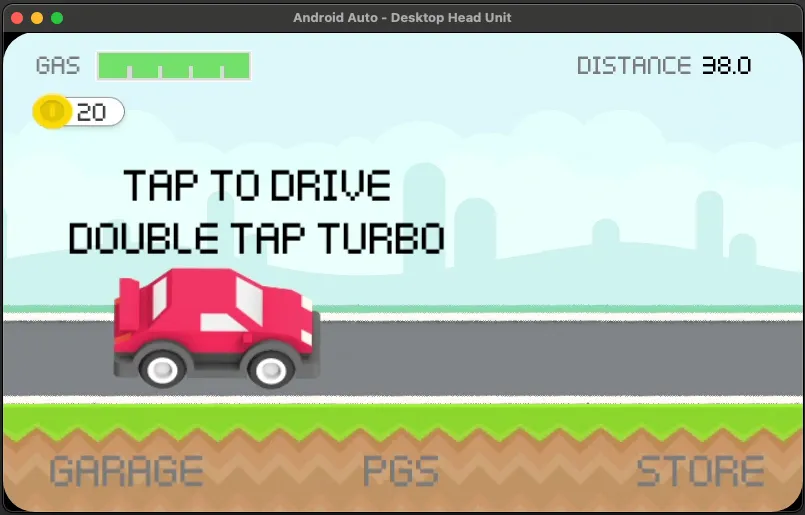
The primary hurdle for developers remains the diversity of hardware. Car displays vary wildly in size, shape, and aspect ratio. Unlike the relatively standardized screen sizes of smartphones, a game built for a car must be inherently adaptive to avoid the pitfalls of letterboxing or pillarboxing. Google’s recommendation is to utilize the provided Desktop Head Unit (for Android Auto) and the Android Automotive OS emulator (for Automotive OS) to test these variations before deployment.
Quality Control and Review
Google is maintaining a high bar for entry. Every submission will be vetted against the official "Car App Quality Guidelines." This ensures that only titles that are stable, responsive, and—above all—safe for the automotive environment make it to the user. This curation is vital for maintaining the reputation of the Android brand in the automotive sector, where driver trust is paramount.
Official Responses and Industry Outlook
Industry analysts suggest that this move is a strategic play by Google to solidify its dominance in the automotive software market. By providing a robust, standardized environment for gaming, Google is making its platform more attractive to both car manufacturers and consumers.
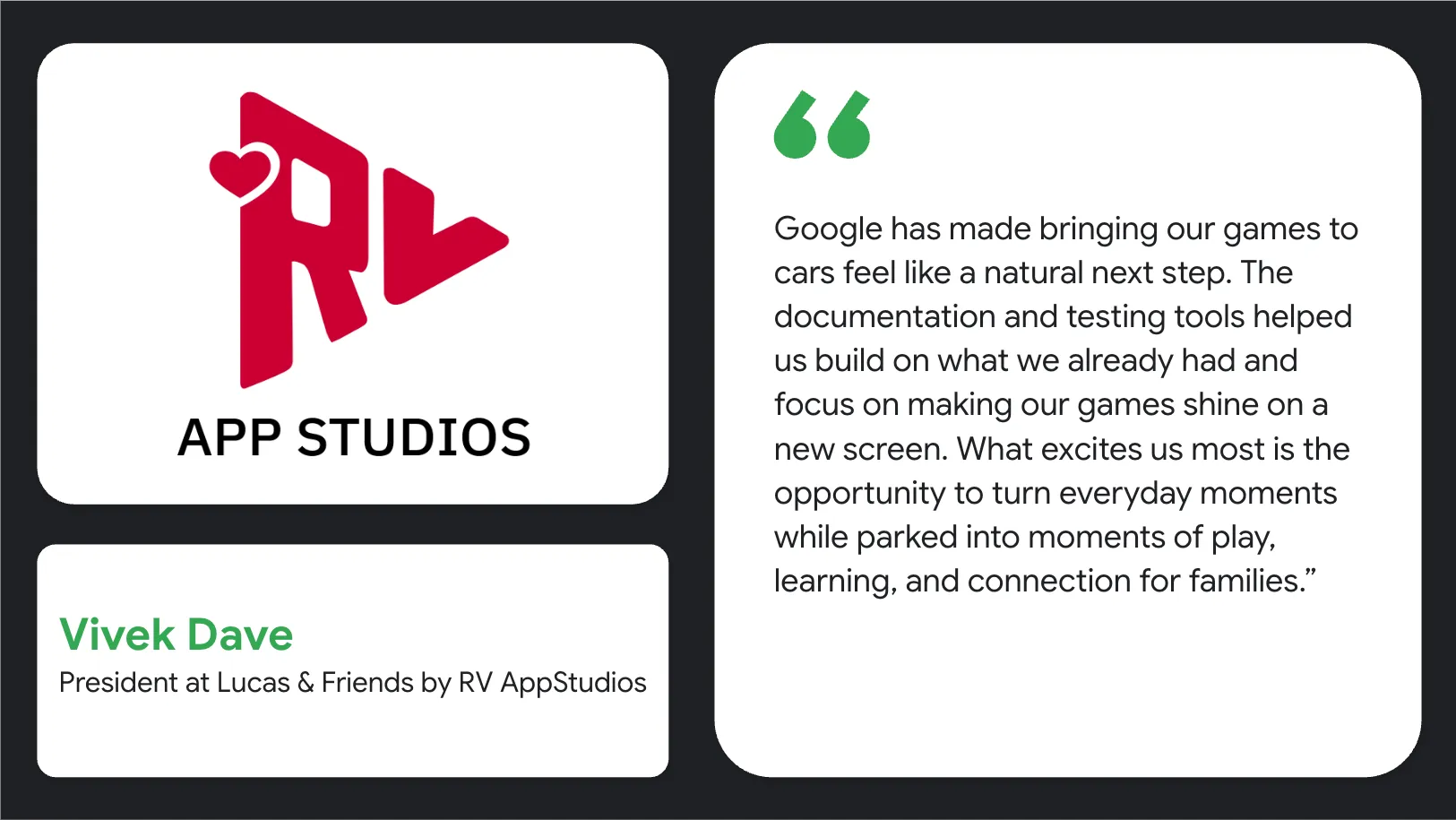
"We are entering an era where the vehicle is an extension of our digital life," says one industry expert. "By standardizing the gaming experience, Google is ensuring that the transition from a smartphone experience to a vehicle experience is frictionless. For the average consumer, this means the car is no longer just a vessel to get from point A to point B; it is a hub for productivity and leisure."
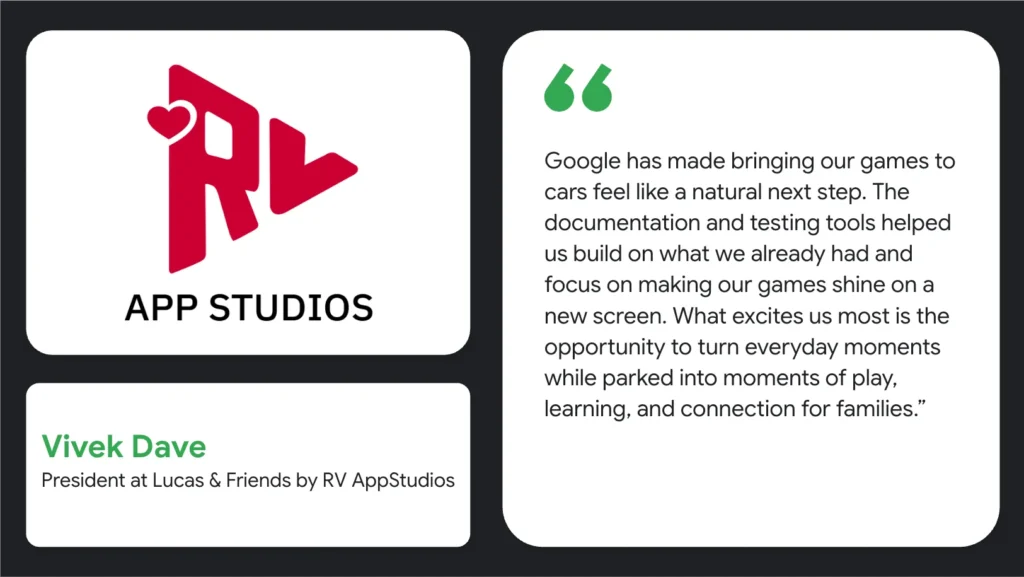
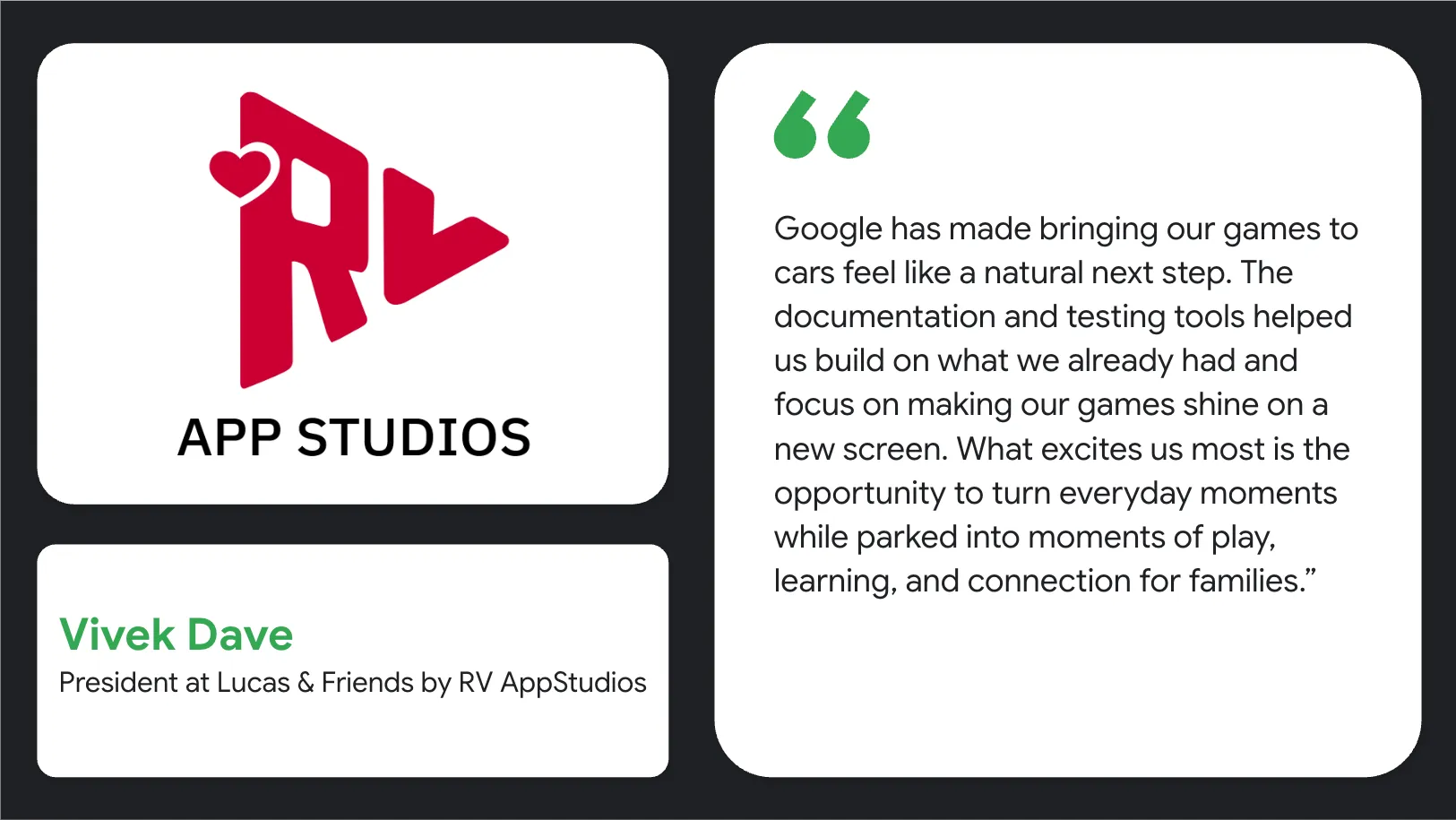
Google’s own messaging emphasizes the importance of these "in-between" moments. By moving from beta to general availability, the company is signaling that the technology is mature enough for mass-market adoption. They are inviting the developer community to lean into this space, promising that the tools and documentation provided—such as the "Build games for cars" documentation—will continue to evolve to meet the needs of creators.
Conclusion: The Road Ahead
The graduation of the games category to general availability is more than just a software update; it is a fundamental shift in how we interact with our vehicles. As cars become more autonomous and electrification mandates shorter "fill-up" times, the ability to engage in high-quality, safe, and immersive gaming will become a standard expectation for car buyers.
For the developer, the message is clear: the dashboard is open for business. By following the technical requirements, respecting the safety-critical constraints of the vehicle, and leaning into adaptive design, developers can find a new, eager audience. As we look to the future, it is clear that the next great gaming platform might not be in your pocket or on your desk—it might just be in your driveway.
For those ready to start, the Google Play Console is now open for submissions, and the documentation provided by Google serves as the essential roadmap for bringing your titles to the open road. The race to define in-car entertainment has officially begun.