The Evolution of Agentic Coding: Android Studio Unveils "Bring Your Own Agent" (BYOA) Architecture
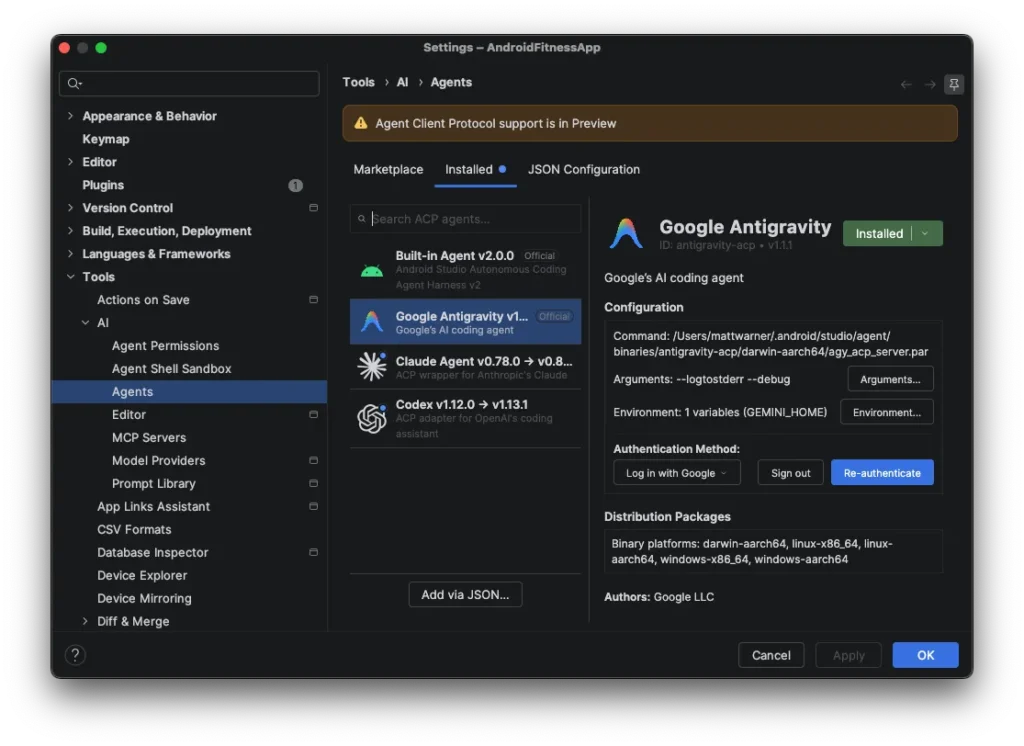
The landscape of software development is undergoing a seismic shift. No longer confined to simple autocomplete or boilerplate generation, AI has evolved into "agentic" systems—autonomous entities capable of reasoning, planning, and executing complex, multi-step technical workflows. In a major move to solidify its position at the center of the mobile development ecosystem, Google has announced a groundbreaking update to Android Studio: the "Bring Your Own Agent" (BYOA) feature.
This strategic pivot marks a departure from closed-system development, offering engineers the flexibility to integrate industry-leading coding agents directly into their IDE. By marrying the power of third-party AI with Android Studio’s specialized, high-fidelity infrastructure, Google is effectively positioning its flagship IDE as the universal workbench for the next generation of AI-assisted mobile engineering.
The New Frontier: What is BYOA?
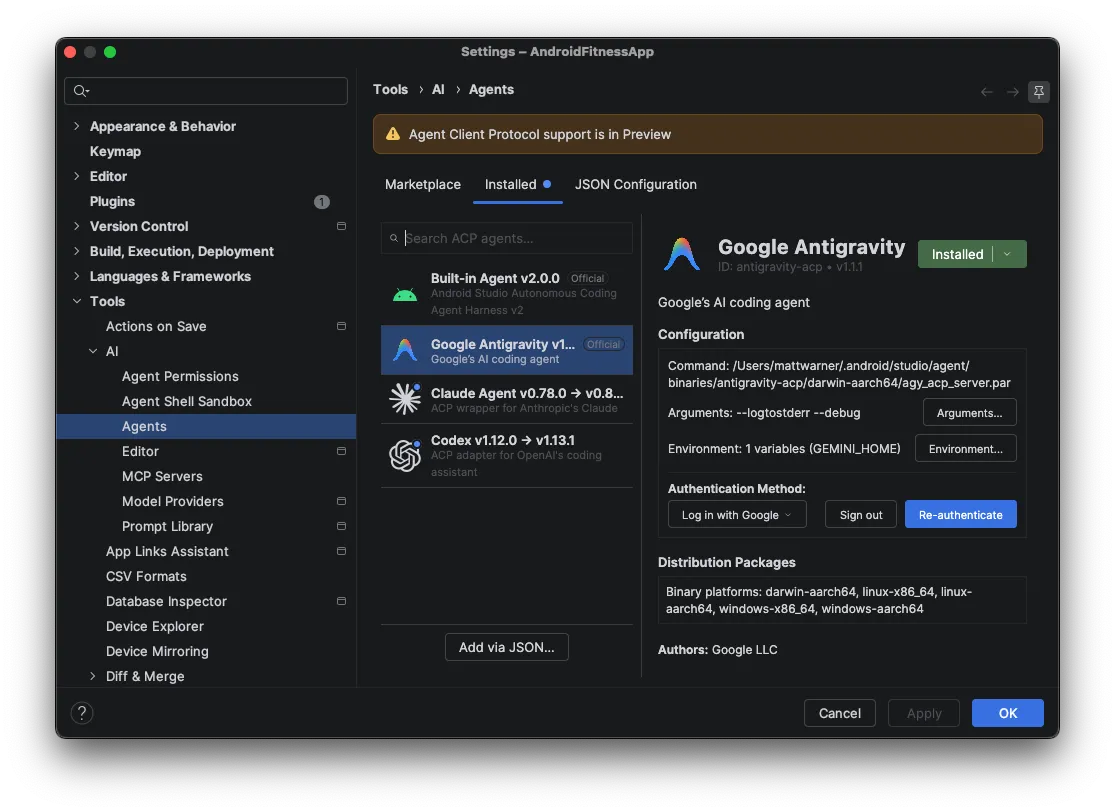
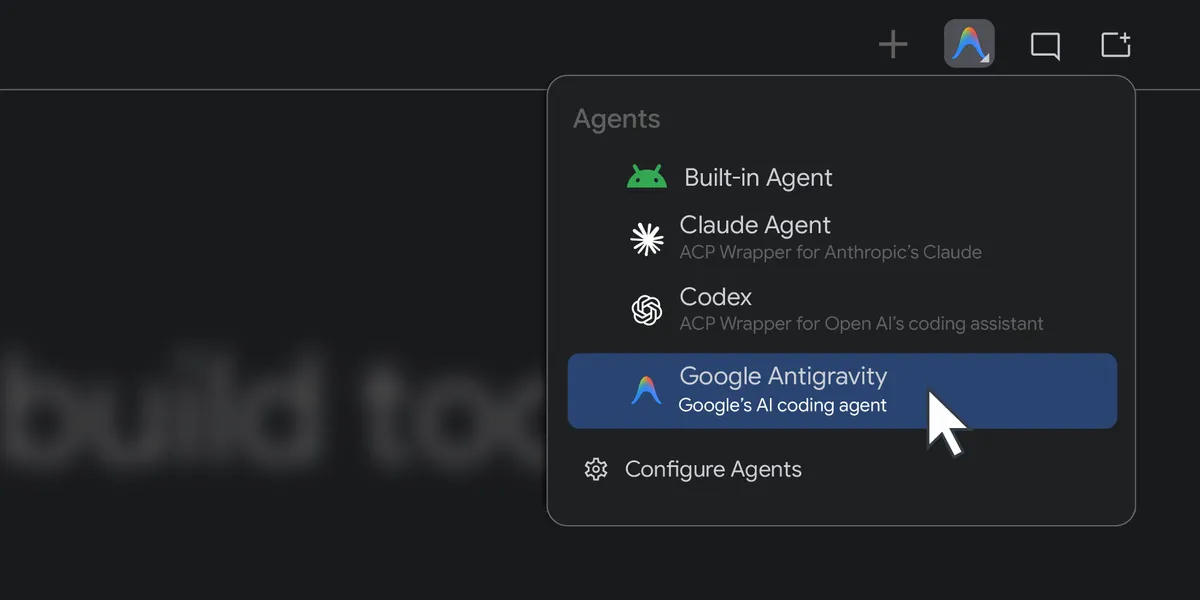
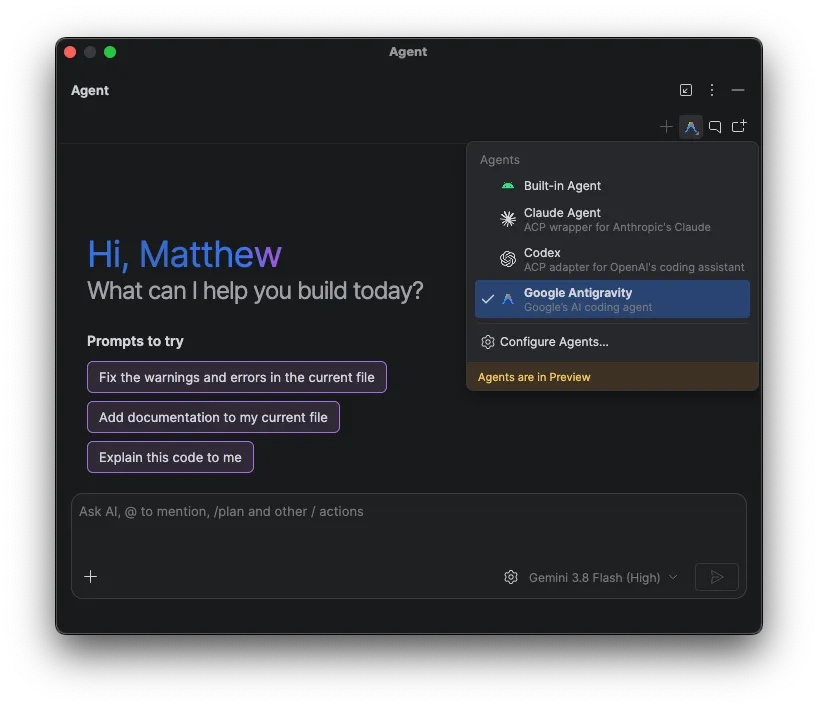
At its core, the Bring Your Own Agent (BYOA) feature allows developers to bypass the "one-size-fits-all" AI approach. Instead, it provides a seamless API-based bridge that enables developers to import their preferred coding agents—such as Anthropic’s Claude Agent, OpenAI’s Codex, or Google’s proprietary Antigravity agent—directly into the Android Studio environment.
The objective is clear: productivity. By integrating these agents into the IDE, Google is providing an "AI-optimized infrastructure." This means that an agent, while operating in its native logic, can simultaneously leverage Android Studio’s deep understanding of the Android framework, build systems, and local debugging tools. The result is a hybrid environment where the intelligence of external LLMs is grounded in the reality of the Android codebase.
A Chronology of AI Integration in Android Studio
The trajectory toward this announcement has been rapid, reflecting the accelerated pace of AI development over the past two years.
- Mid-2025: The Emergence of Integrated AI. Google began integrating foundational models into Android Studio, allowing developers to query codebases and generate simple functions. However, these tools remained largely tethered to Google’s own internal models.
- Late 2025: The "Any Model" Breakthrough. Responding to developer demand for greater architectural freedom, Android Studio introduced the ability to connect to remote models via API. This was the first major step away from a walled garden.
- Early 2026: The Rise of Agentic Workflows. As "agentic" capabilities became the industry standard, developers began demanding tools that could not just write snippets, but plan entire refactors or troubleshoot complex dependency issues.
- September 2026: The Launch of Android Bench 2. With the release of updated benchmarks for long-horizon tasks, Google established a technical baseline for how AI agents should interact with mobile code, setting the stage for the current BYOA rollout.
- Today: The BYOA Era. With the launch of the Android Studio Rabbit 2 canary release, the platform officially transitions from a tool-centric model to an agent-centric platform, supporting a diverse ecosystem of AI collaborators.
Supporting Data: Why Agentic Development Matters
The transition to agentic coding is not merely a trend; it is a response to the increasing complexity of modern mobile apps. According to recent developer productivity studies, engineers spend nearly 40% of their time on "non-coding" tasks—dependency management, architectural planning, and environment configuration.
Agents are designed to reclaim this time. By utilizing the "Android Knowledge Base," these agents possess a contextual awareness of current best practices, such as the latest Jetpack Compose patterns, migration strategies for Kotlin Multiplatform, and optimized resource management.
Furthermore, early testing with the Google Antigravity agent suggests significant improvements in "Long-Horizon Task Completion." When agents are provided with direct IDE access—allowing them to read build logs, inspect manifest files, and run local linting—the rate of successful code deployment increases by a factor of three compared to standard LLM chat interfaces.
Official Stances: Flexibility and Enterprise Security
Google’s messaging surrounding this release is twofold: individual developer autonomy and enterprise-grade reliability.
The Developer Experience
For the individual, the choice is now absolute. Whether a developer prefers the logical reasoning of Claude, the breadth of Codex, or the native integration of Antigravity (which powers features like Gemini Flash 3.8), the workflow remains consistent. Users can authenticate through their preferred channels, including Google AI Pro/Ultra plans or standard API keys, ensuring that personal preferences don’t sacrifice professional efficiency.
The Enterprise Mandate
For corporate teams, the narrative focuses on the "Gemini Enterprise" integration. Google has emphasized that despite the "Bring Your Own" nature of the new feature, the security architecture remains robust. When using the built-in or Antigravity agents within a corporate environment, data remains protected under the umbrella of Google Cloud’s security protocols. This ensures that even when companies allow developers to "pick their agent," the proprietary source code of the enterprise remains siloed and secure.
Implications for the Future of Mobile Engineering
The implications of the BYOA architecture are far-reaching, signaling a fundamental shift in how applications will be built over the next decade.
1. The Death of the "Generic" Coding Assistant
We are moving toward a world where developers will have a "stack" of agents. One agent might be specialized in UI/UX design and accessibility, while another manages network layer security, and a third handles testing and CI/CD pipelines. Android Studio, by hosting these agents, is becoming an "Operating System for AI."
2. The Standardization of "Android Skills"
By providing agents with access to the Android Knowledge Base, Google is essentially setting a standard for how AI should understand the Android ecosystem. This creates a feedback loop: as the Android framework evolves, the agents evolve with it, ensuring that no developer is left behind using deprecated practices.
3. Lowering the Barrier to Entry
The ability to use these agents via standard API keys means that even small, independent studios can access high-level engineering support that was previously reserved for massive tech companies. This could spark a new wave of innovation, as the barrier to building complex, feature-rich Android apps is significantly lowered by AI partners that handle the "grunt work" of software architecture.
4. Competitive Pressure on Other IDEs
This move puts immense pressure on other IDE platforms to open their architectures. If Android Studio becomes the most "AI-friendly" environment, developers who value agentic workflows will naturally gravitate toward it. We can expect a scramble among competitors to offer similar "BYOA" hooks in the coming months.
Getting Started: A New Workflow
To begin utilizing this feature, developers must transition to the Android Studio Rabbit 2 canary build. The setup process is designed to be frictionless:
- Select Your Agent: Open the Agent Registry within the IDE settings.
- Authenticate: Link your preferred service provider (Claude, Codex, or Google Antigravity).
- Define the Scope: Specify which parts of the project the agent is permitted to touch (e.g., UI code only, or full refactoring access).
- Execute: Utilize the new agent-specific terminal commands or voice-assisted prompts to trigger workflows.
As Google continues to refine this experience, they are heavily soliciting feedback through their bug reporting channels. The "Rabbit 2" release is just the starting point; the goal is to refine the latency and accuracy of these agents until they become indistinguishable from a senior lead developer on the team.
Conclusion: The Horizon of AI-Augmented Development
The introduction of BYOA in Android Studio is a clear admission that the future of coding is not in replacing the engineer, but in augmenting them. By allowing developers to choose their AI partner, Google is fostering an ecosystem that values quality, speed, and, most importantly, developer agency.
We are currently witnessing the transition from "code-writing" to "code-orchestrating." As agents become more capable of navigating the complex, multi-layered architecture of the Android OS, the role of the developer will shift toward high-level design and decision-making. With Android Studio Rabbit 2, the stage is set for a new era where the only limit to a developer’s output is their imagination—and their choice of AI agent.