The Twilight of X11: How the Linux Ecosystem is Preserving the Legacy Display Server

For decades, the X Window System (X11) has served as the backbone of the Linux graphical user interface. From the early days of desktop computing to the complex, high-resolution environments of the 2020s, X11 has been the universal language between hardware, window managers, and applications. However, the Linux desktop landscape is undergoing a tectonic shift. As modern desktop environments like KDE Plasma and GNOME pivot toward Wayland—a more secure, efficient, and streamlined display protocol—the classic X11 session is being retired.
This transition marks the end of an era, but for many enthusiasts, developers, and legacy systems, the story of X11 is far from over. A robust movement has emerged to ensure that the X11 experience remains viable, secure, and functional long after the mainstream distribution of the X.Org Server ceases.
The Paradigm Shift: Why the Industry is Moving to Wayland
To understand the current tension, one must first understand the fundamental differences between X11 and Wayland. X11, designed in the 1980s, operates on a "client-server" architecture that is remarkably flexible but inherently insecure by modern standards. In an X11 environment, every application can potentially see or modify the input and output of every other application, creating significant security and privacy concerns.

Wayland, conversely, is a modern display protocol that simplifies the stack. In a Wayland session, the compositor serves as both the display server and the window manager. It handles input and output directly, eliminating the "middleman" overhead of the X.Org server. This results in smoother animations, better handling of high-DPI displays, and significantly improved security.
However, the transition has not been without friction. Many specialized applications, older window managers, and specific professional workflows rely on X11-specific features—such as global input hooking or legacy network transparency—that are not natively supported in Wayland. While the Xwayland compatibility layer allows most X11 apps to run under Wayland, it is not a perfect solution for everyone.
Chronology: The Decline of X11 and the Rise of Alternatives
The "deprecation" of X11 did not happen overnight. It has been a decade-long migration, marked by several critical milestones:

- 2013–2018: The early development phase of Wayland saw limited adoption, primarily restricted to specific GNOME and KDE test sessions.
- 2021–2023: Major distributions, including Fedora and Ubuntu, began defaulting to Wayland for GNOME sessions, signaling a clear shift in industry priority.
- 2025: KDE Plasma 6.x series signaled the beginning of the end for native X11 support, with the project confirming that version 6.7 would be the final release to feature a native X11 session.
- 2026: GNOME officially removed its native X11 session, further accelerating the need for alternative projects that could keep the X11 ecosystem alive.
In response to this rapid phasing out, the community began to fracture into two camps: those embracing the Wayland future and a dedicated subset of developers working to maintain, fork, or rewrite the X11 server from scratch to preserve the classic desktop experience.
The Champions of X11: Eight Projects Keeping the Legacy Alive
The following projects represent the most significant efforts to maintain X11 functionality in an increasingly Wayland-centric world.
1. SonicDE: The KDE Fork
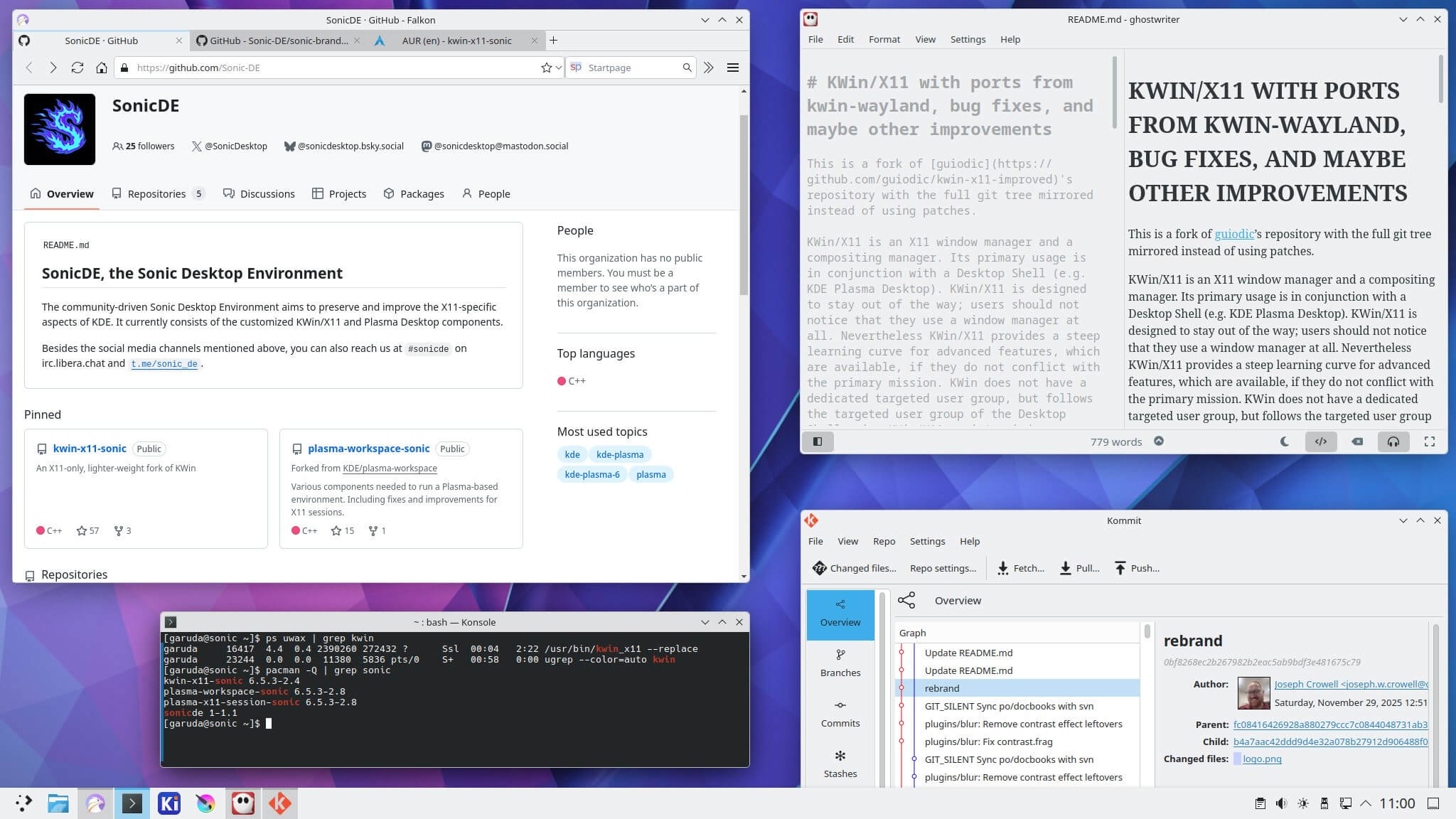
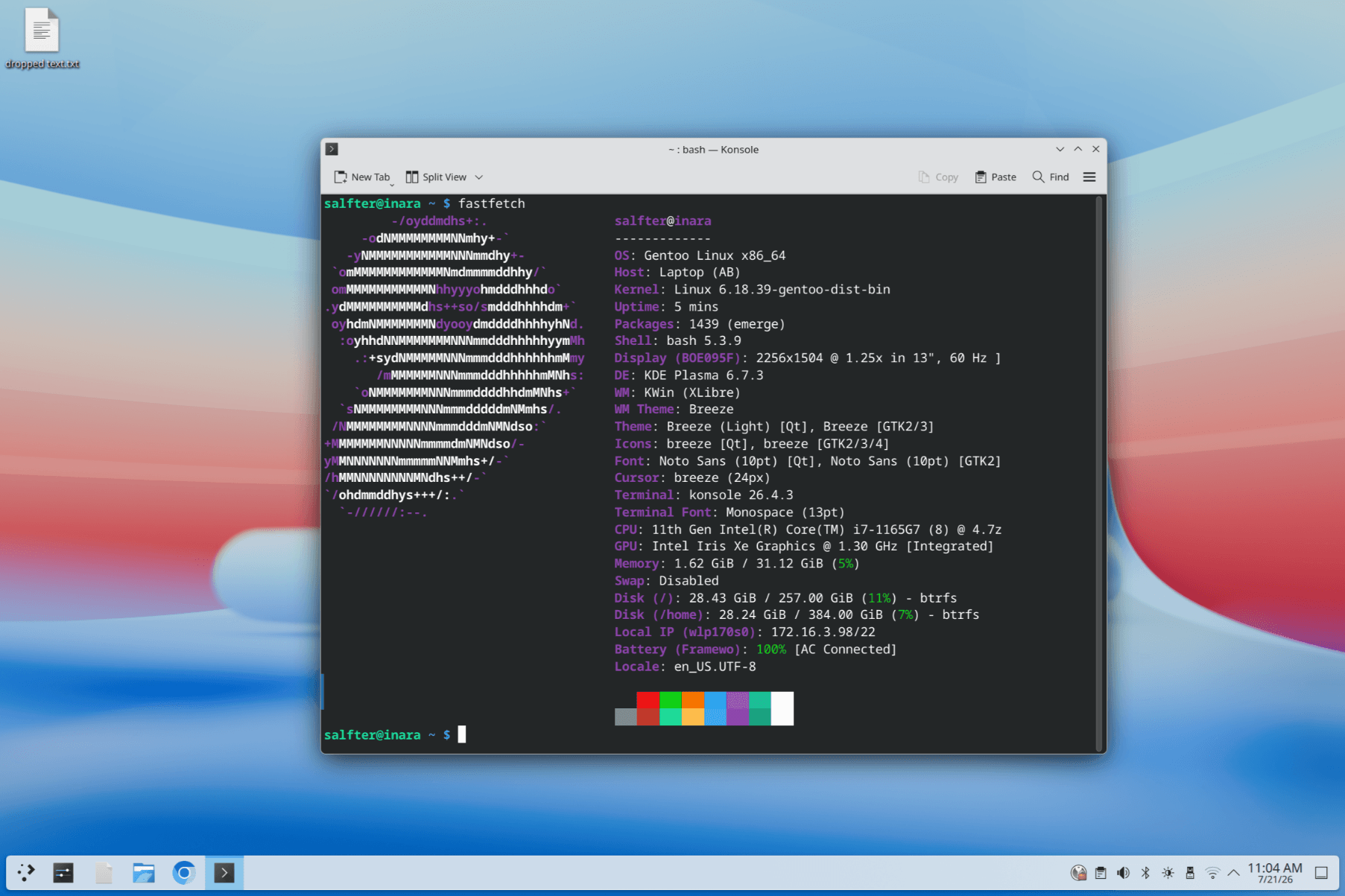
SonicDE is perhaps the most ambitious project for those who are not ready to abandon the familiar KDE Plasma workflow. Originating in 2025 as a patched version of KWin/X11, the project evolved into a standalone desktop environment. By stripping away Wayland-specific code from the KDE codebase and implementing its own Vulkan-based backend, SonicDE provides a native X11 environment that feels like the classic KDE experience but with modern performance patches. It is currently supported on distributions like Gentoo, Artix, and Slackware.
2. Trinity Desktop Environment (TDE)
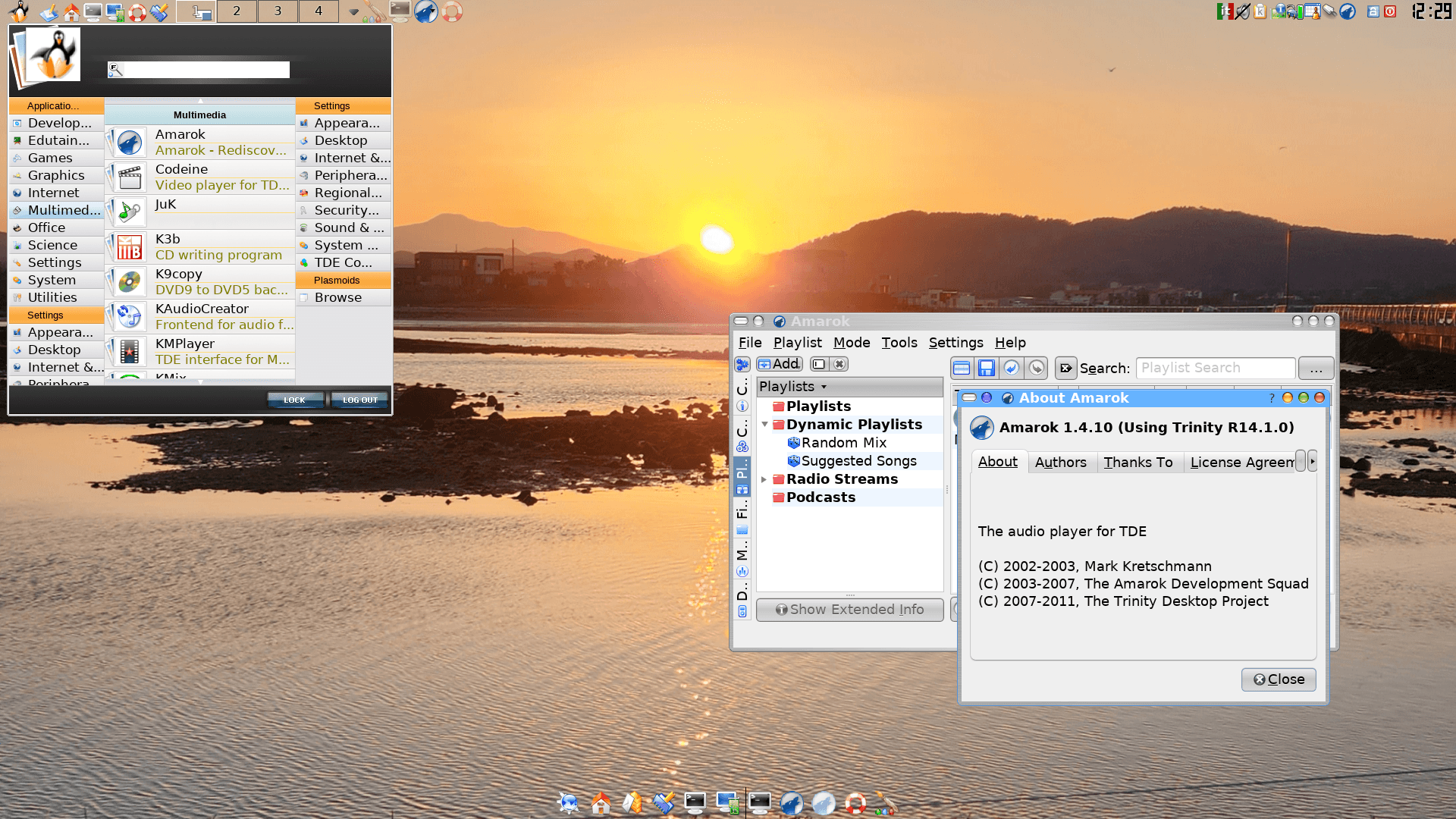
TDE is the ultimate "time capsule" project. It preserves the look, feel, and functionality of KDE 3.5. Unlike its modern counterparts, TDE has no intention of moving to Wayland. It maintains its own X11 compositor and continues to release updates, such as the R14.1.6 maintenance cycle, which fixed legacy tiling issues and improved panel functionality. It remains the go-to for users who prefer a traditional, lightweight, and stable desktop environment.
3. Wayback: Bridging the Gap
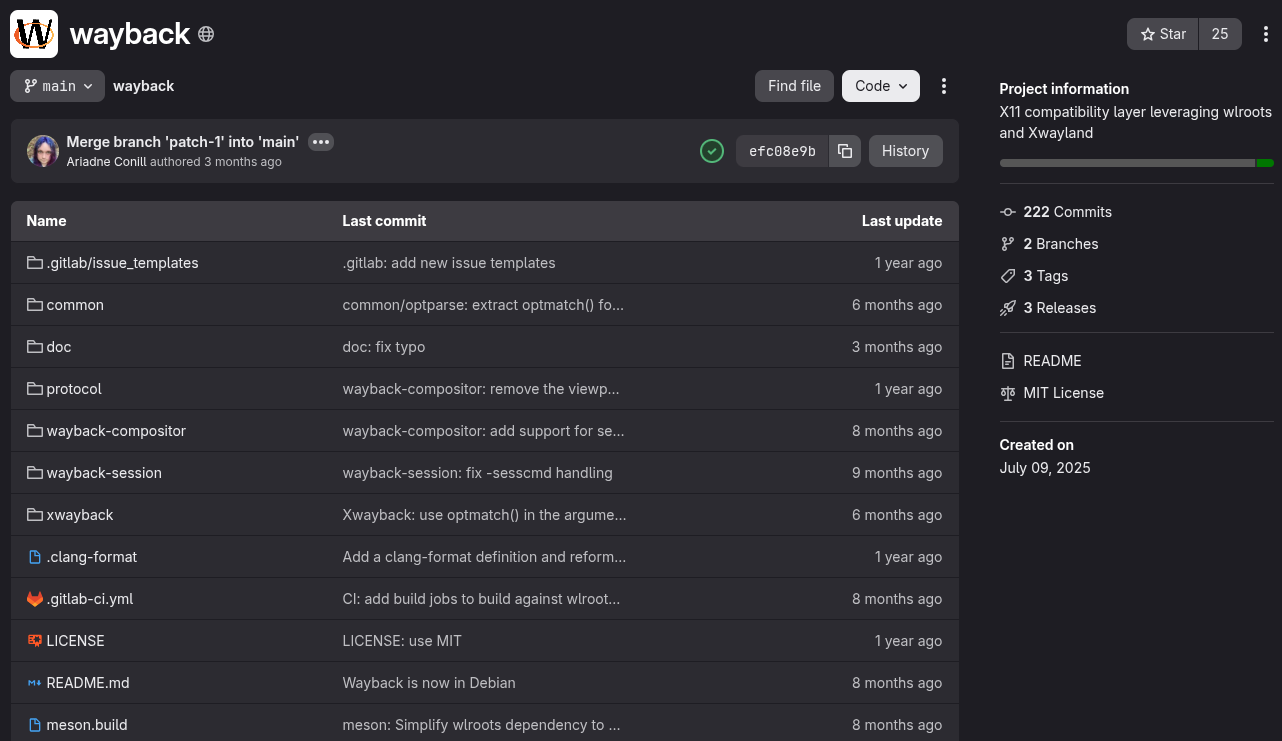
Wayback represents a unique approach: rather than replacing X11, it replaces the underlying architecture. It is a minimalist Wayland compositor built with wlroots. Its sole purpose is to run Xwayland in "rootful" mode, effectively encapsulating an entire X11 desktop environment within a Wayland container. This allows users to keep their X11 workflow while running on a modern Wayland-based host, particularly useful for Alpine Linux users.
4. XLibre: The Community-Maintained Xorg
XLibre is the most direct successor to the X.Org Server. It is a community-maintained fork that aims to continue the development of the existing Xorg codebase. XLibre incorporates modern improvements—such as "TearFree" modesetting and seatd integration—that the upstream Xorg project had stalled on. Distributions like PeppermintOS have already begun the transition to XLibre to maintain a seamless, non-Wayland desktop experience for their users.
5. Yserver: A Rust-Based Rewrite
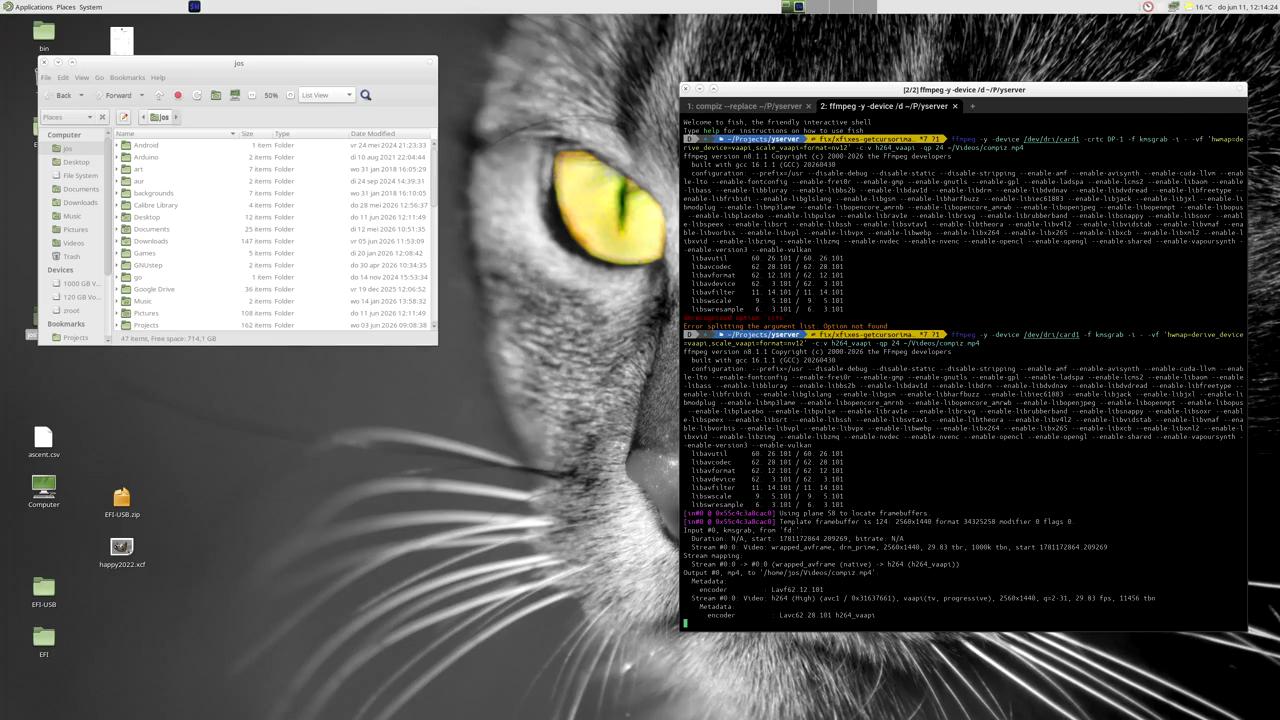
For developers, the future of X11 may lie in modern languages like Rust. Yserver is a ground-up rewrite of an X server. While it does not aim to be a 1:1 clone of Xorg (it intentionally omits legacy features like Indirect GLX), it successfully runs complex environments like MATE, Xfce, and Cinnamon. It serves as a proof-of-concept that the X11 protocol can be implemented securely and efficiently using modern memory-safe languages.
6. XQuartz: The macOS Connection
While primarily focused on macOS, XQuartz remains a vital project for professionals who require cross-platform X11 compatibility. By allowing X11 applications to render alongside native Apple Silicon-accelerated windows, XQuartz ensures that the X11 ecosystem remains accessible even to users who are not running Linux as their primary OS.
7. Phoenix: The Zig-Based Modern Server
Phoenix is a project for the purists. Written in Zig, it aims to create a simpler, more secure X server by supporting only a modern subset of the X11 protocol. It focuses on hardware acceleration, HDR support, and application isolation. While it is currently in a "nested" development phase, its goal of extending the X11 protocol to support modern graphics features is one of the most forward-looking approaches to the problem.
8. Frame: The Assembly Language Masterpiece
Perhaps the most extreme project on the list, Frame is an X server written entirely in NASM assembly. By bypassing libc and Xlib, Frame communicates directly with the Linux kernel via DRM/KMS. It is a testament to the persistence of the X11 community, proving that the protocol can be stripped down to its bare metal essentials while still being highly performant.
Implications for the Linux Desktop
The decline of X11 and the subsequent rise of these projects carry significant implications for the future of desktop Linux.
For System Administrators: The fragmentation of the display server landscape introduces complexity. Managing enterprise fleets that rely on legacy X11-based specialized software will require choosing between the "compatibility layer" approach (Wayland + Xwayland) or the "preservation" approach (XLibre or custom X servers).
For Developers: The message is clear: the industry is moving away from the X11 protocol. While niche projects are keeping the technology alive, new software development should prioritize Wayland-native toolkits (like GTK4 or Qt6) to ensure long-term viability.
For the Community: The surge in development for projects like SonicDE and Yserver shows that the Linux community is fiercely protective of choice. The death of the "official" X11 server has not signaled the death of the X11 experience; instead, it has spurred a wave of innovation that is arguably more interesting than the status quo of the last decade.
Conclusion
As we look toward the end of 2026 and beyond, the X Window System finds itself in a strange, paradoxical state. It is officially legacy technology, yet it remains the foundation for millions of users worldwide. Through the efforts of projects like XLibre, SonicDE, and Phoenix, the legacy of X11 is being refactored, modernized, and protected.
While Wayland is undeniably the future of the Linux desktop, the existence of these eight projects ensures that the transition will be one of evolution rather than abandonment. For those who value the flexibility and history of the X11 display protocol, the future is surprisingly bright—even if it exists only in the shadows of the Wayland revolution.