Empowering the Subscription Economy: Google Play’s Strategic Overhaul for Developers
The digital economy is undergoing a profound transformation. As generative AI (GenAI) integration accelerates and app-based services become increasingly complex, the traditional "one-size-fits-all" subscription model is proving insufficient. Developers are now tasked with managing intricate pricing tiers, variable computing costs, and the delicate balance of user acquisition versus long-term retention.
In response to this shifting landscape, Google Play has announced a comprehensive suite of new capabilities designed to provide developers with the flexibility, monetization power, and retention tools required to thrive in a high-stakes, recurring-revenue ecosystem. This update represents a strategic pivot toward modular, intelligent, and highly customizable billing solutions.
Main Facts: The New Frontier of Google Play Monetization
The core of Google Play’s recent announcement centers on modularity. By moving away from rigid subscription structures, the platform is enabling developers to tailor their business models to the specific needs of their applications.
Key among these new features is Multi-Quantity Subscription Purchase, a solution for B2B, EdTech, and team-oriented GenAI tools. This allows users to purchase multiple seats or subscription licenses in a single transaction. Furthermore, the introduction of Usage-Based Billing acknowledges the reality of modern tech: services with variable computational costs—such as AI generation tools—can now implement prepaid metered billing, where user accounts automatically top up when balances dip, ensuring uninterrupted service.
Beyond these flexible billing models, Google has overhauled the checkout experience. Mixed Carts now allow developers to bundle auto-renewing subscriptions with one-time products (OTPs) in a single API call, reducing friction and increasing average order value. Complementing this is Cross-Developer Bundling, which allows developers to partner with other services to offer "hard bundles" of subscriptions, creating value-add ecosystems that drive acquisition through shared audiences.
Chronology: A Roadmap of Platform Evolution
The evolution of Google Play’s billing infrastructure has been a multi-year effort, moving from basic in-app purchases to the sophisticated revenue-management engine seen today.
- Foundation Phase: Google established the bedrock of recurring billing, focusing on stability and standardized subscription cycles (monthly/annually).
- Expansion Phase: Recognizing the churn issue, Google introduced automated grace periods and account hold states, shifting the focus from simple acquisition to life-cycle management.
- Optimization Phase: The recent introduction of the In-App Messaging API marked a transition toward context-aware communication, allowing developers to handle payment failures within the app’s own UI rather than relying on external system notifications.
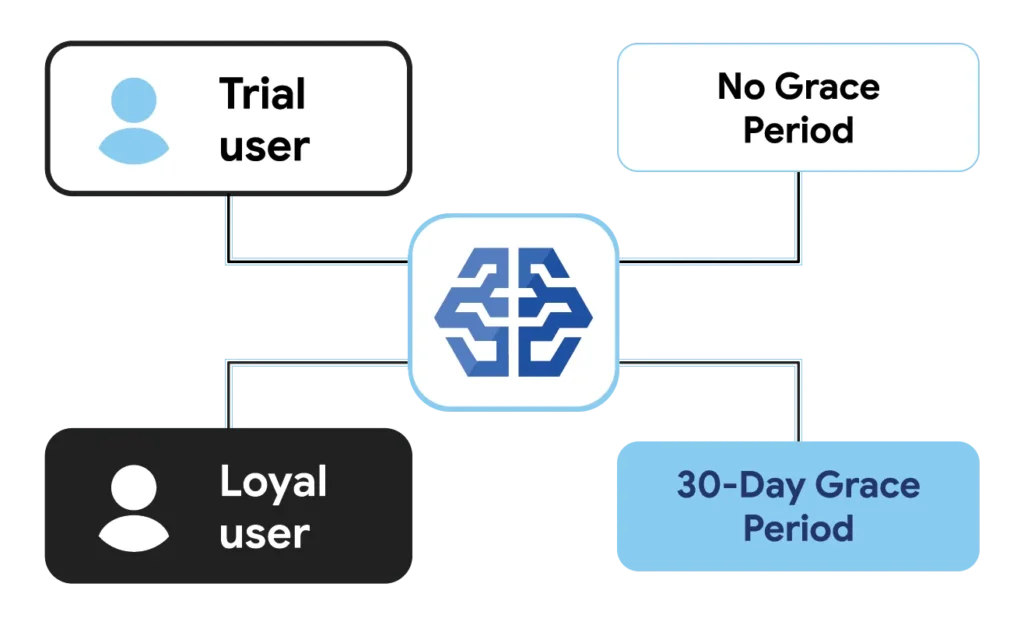
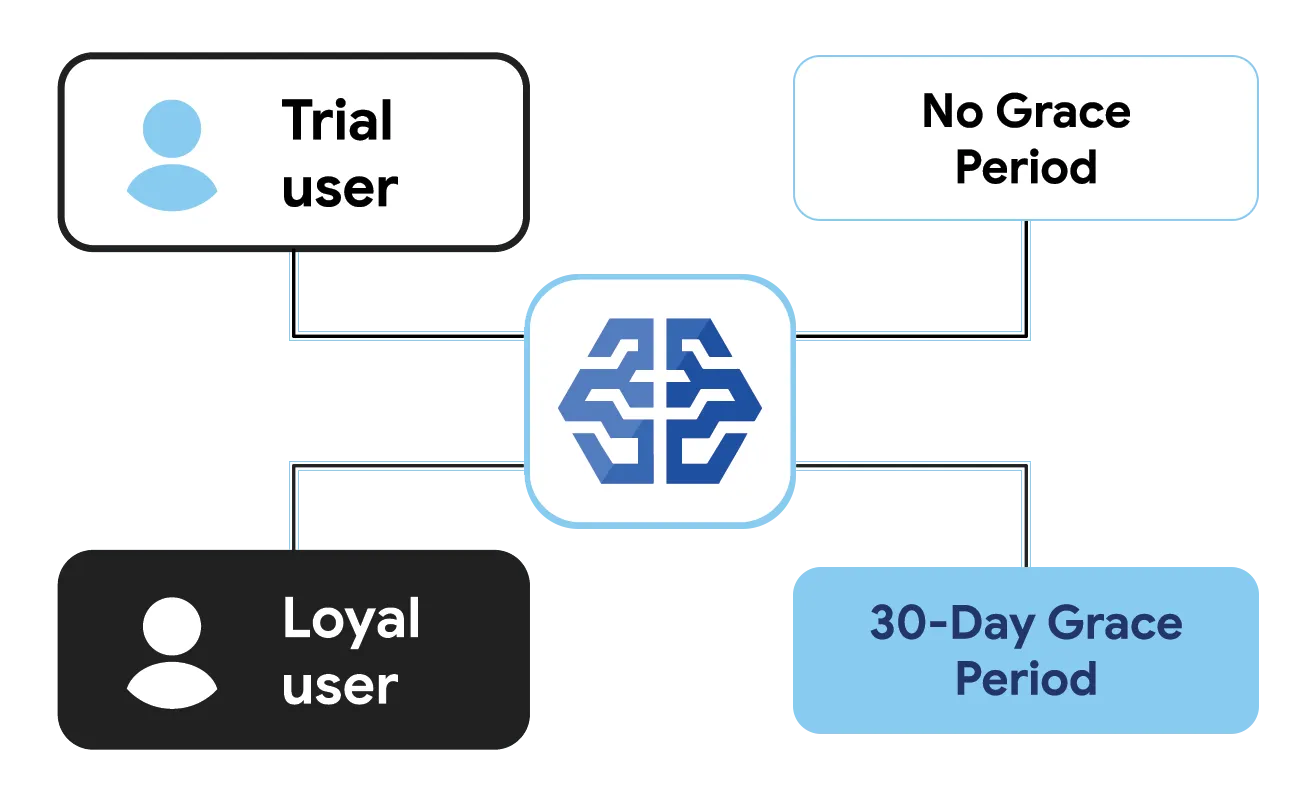
- The Modern Era: The current roll-out represents the transition to "intelligent" billing. Through machine learning-driven dynamic grace periods and native winback offers, the platform is moving toward a self-optimizing revenue model that minimizes human intervention.
Supporting Data: Why Flexibility Matters
The necessity for these changes is backed by the current economic realities of mobile app development. Industry data consistently highlights two major pain points: Involuntary Churn and Acquisition Cost (CAC).
Involuntary churn—caused by expired credit cards or temporary insufficient funds—accounts for a significant percentage of subscription cancellations. Historically, developers relied on static grace periods, which often forced a binary choice: either cut off service immediately (damaging user experience) or provide unlimited access (leading to revenue leakage). Google’s internal testing of Dynamic Grace Period technology suggests that by utilizing machine learning to predict a user’s likelihood of payment recovery, developers can extend the "grace" window only when it is mathematically likely to result in a successful charge. This optimizes the balance between service delivery costs and recovery rates.
Furthermore, the introduction of Retention Offers and Native Winback Offers addresses the high CAC. When a user initiates a cancellation, the cost of re-acquiring them through traditional advertising can be 5 to 10 times higher than the cost of a discounted retention offer. By surfacing these incentives directly within the Google Play Store environment, developers can leverage existing brand affinity to prevent churn before it happens.
Official Responses and Developer Integration
Google’s strategic vision is clear: to provide a "revenue shield" that requires zero developer maintenance. According to spokespeople from the Google Play engineering team, the goal is to offload the burden of billing logistics from the developer, allowing them to focus exclusively on product innovation.
"Developers building GenAI tools and collaborative platforms need more than just a monthly billing cycle," noted a representative during the rollout briefing. "They need infrastructure that mirrors the complexity of their products. By handling smart payment retries, backup payment method cycling, and fraud prevention at the platform level, we are essentially acting as an extension of the developer’s own growth team."
Many of these features are currently being deployed through an Early Access Program. This phase allows Google to collect granular data on how different app categories—from high-compute AI apps to educational platforms—utilize these new APIs, ensuring that the final, global roll-out is robust and scalable.
Implications: The Future of the Subscription Economy
The implications of these updates for the broader Android ecosystem are far-reaching.
1. The Rise of the "App Ecosystem"
Cross-Developer Bundling is perhaps the most disruptive feature. By allowing developers to package their services with partners, Google is fostering an environment where apps are no longer isolated silos. We can expect to see an increase in "Power Bundles," where a fitness app, a meal-planning app, and a meditation app might offer a single, discounted subscription price, creating a holistic wellness package.
2. Democratizing AI Monetization
Usage-Based Billing is the "missing link" for the AI revolution. As AI models become more expensive to run, developers have struggled to offer a fixed monthly price without risking bankruptcy. Metered, prepaid billing allows for a sustainable economic model where the user pays for the compute power they consume, effectively mirroring cloud-computing pricing models for the end consumer.
3. The End of Manual Churn Mitigation
The shift toward automated, machine-learning-driven recovery processes means that "billing engineering" is becoming a commodity provided by the platform. Smaller development studios, which previously lacked the resources to build complex retention models, can now access the same enterprise-grade infrastructure as large-scale gaming or streaming corporations.
4. A Frictionless Future
The move toward "Mixed Carts" and in-app messaging signifies a broader trend toward a frictionless user journey. By keeping the user within the app’s ecosystem for both subscription management and itemized purchases, developers can create a more cohesive brand experience. The "checkout" is no longer just a transaction; it is a critical touchpoint for upsell and engagement.
Conclusion: A New Standard for Success
As the subscription landscape matures, the bar for developer success has been raised. It is no longer enough to build a great app; one must also manage a complex financial engine. With this new suite of tools, Google Play is signaling that it intends to be a partner in that management.
For developers, the mandate is clear: start exploring the integration of these APIs today. Whether through implementing the In-App Messaging API to handle churn, or testing Usage-Based Billing for compute-heavy features, the tools provided by Google are designed to convert the modern subscription challenge into a competitive advantage. The future of mobile monetization is not just about selling subscriptions—it is about managing the entire subscriber lifecycle with intelligence, flexibility, and foresight.