A Pixelated Farewell: The Rise and Fall of itch.io’s “Ameyega Mode”
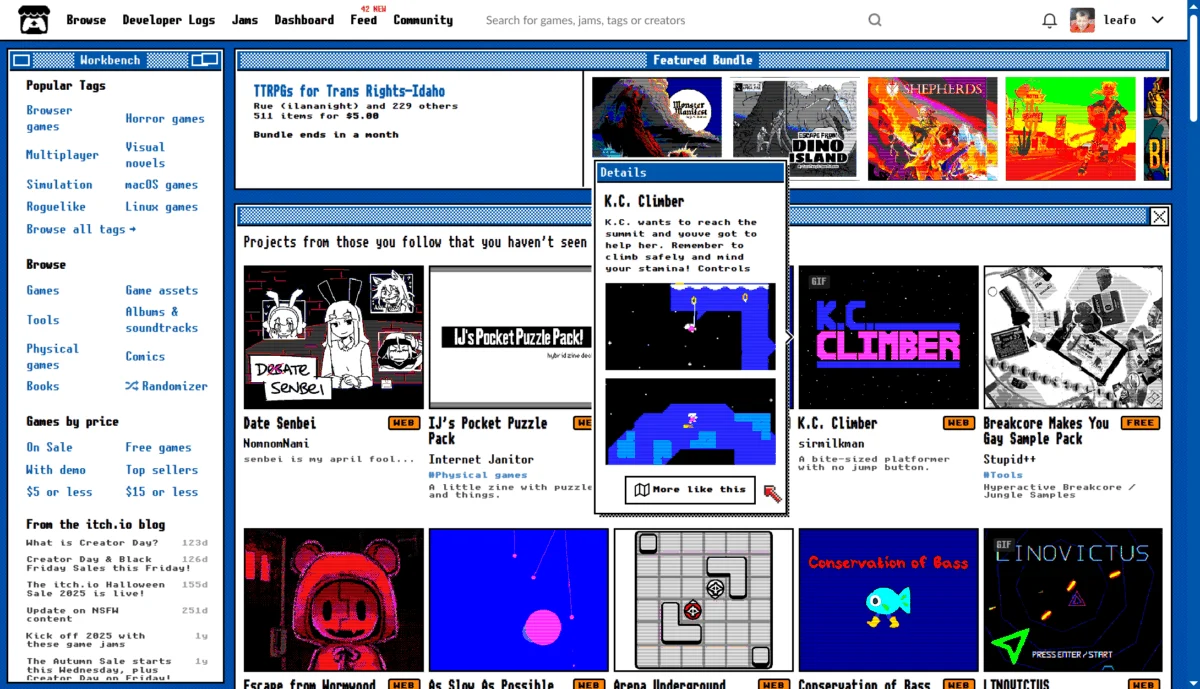
The internet has a long-standing tradition of April Fools’ Day hijinks, ranging from the harmless to the profoundly disruptive. This year, the independent game storefront itch.io participated in the ritual with a distinctive flair, unveiling “Ameyega Mode.” What began as a brief, lighthearted aesthetic shift quickly spiraled into a multifaceted debate about web accessibility, user interface design, and the evolving relationship between digital platforms and their communities. While the mode has officially concluded, the conversation it sparked regarding the platform’s future continues to reverberate through its forums.
The Genesis of Ameyega Mode
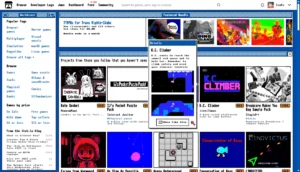
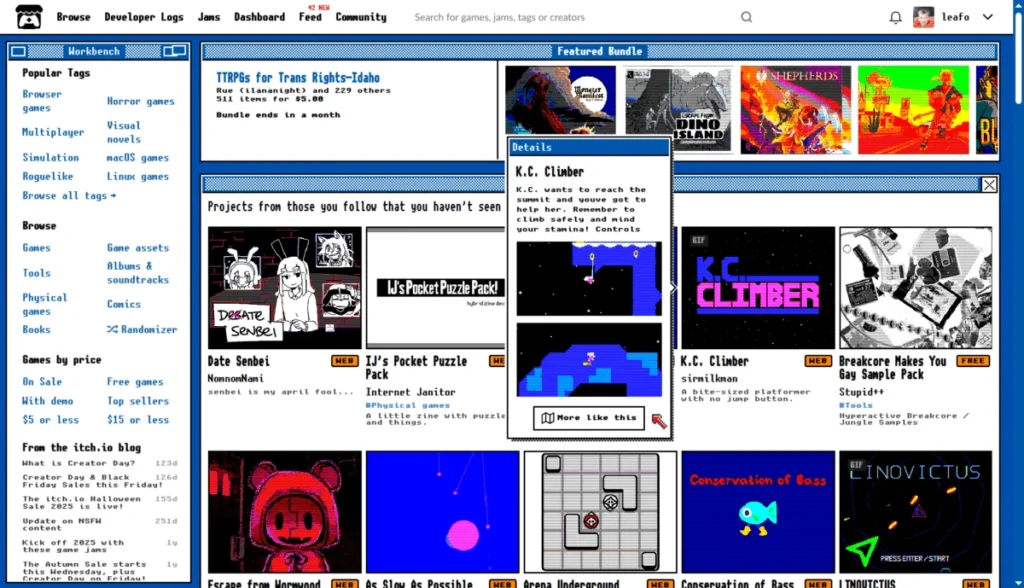
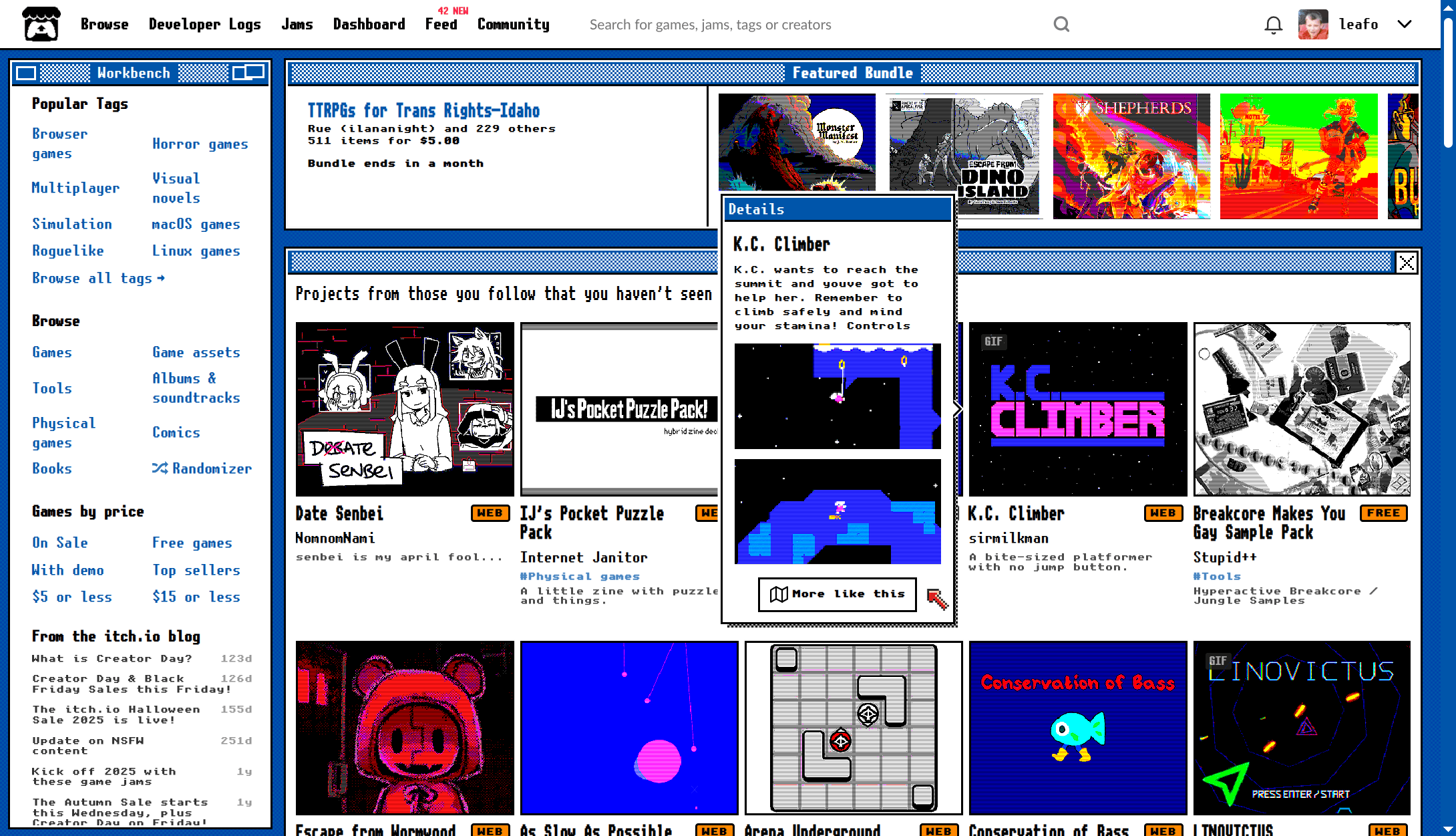
On April 1st, visitors to the itch.io homepage were greeted by a radical departure from the site’s standard, clean-cut, and responsive design. In its place was “Ameyega Mode,” a retro-inspired, ASCII-heavy interface that utilized fonts developed by the Finnish programmer and digital artist Viznut (notably the Unscii font collection).
The transformation was absolute. The modern grid-based layout, characterized by high-resolution thumbnails and sleek navigation, was replaced by a monochromatic, terminal-like aesthetic. The move was clearly intended as a nostalgic nod to the early days of computing and the BBS (Bulletin Board System) era, a theme that resonates deeply with the indie game development community. Because the rollout was delayed, the itch.io team opted to keep the experimental mode active for several days beyond April 1st, citing a desire to ensure users had enough time to experience the whimsical transition.
Chronology of the Experiment
- April 1st: Ameyega Mode is deployed as a surprise, replacing the standard itch.io homepage interface.
- April 2nd–3rd: The community reaction begins to fracture. While some users praise the “retro charm,” others report significant accessibility hurdles, including difficulty reading the text and navigation issues.
- April 4th: A secondary issue arises as some users report that the experiment caused glitches with the site’s standard Dark Mode, leading to display inconsistencies on the homepage.
- April 5th: The itch.io development team formally announces the end of Ameyega Mode, though they provide a "backdoor" URL (itch.io/?ameyega) for users to view the aesthetic for as long as it remains technically feasible.
- Post-Conclusion: Discussions shift from the prank itself to broader grievances regarding site functionality, including complaints about locked comment sections and lingering UI bugs.
Supporting Data and User Sentiment
The community response was a study in extremes. To understand the impact, one must look at the polarized feedback left in the wake of the change.
Proponents of the design, such as user windflash, noted that the ASCII-based approach provided a “delightful throwback” that made browsing feel “nostalgic and charming.” Others, including katt-kirsch, even petitioned the developers to keep the mode as an optional theme, citing improved readability for their specific visual needs.
However, the opposition was vocal and technically grounded. Users with visual impairments or those reliant on screen readers found the non-standard formatting particularly challenging. User ulysseandcharybde expressed frustration, stating, “I’m disabled and I can’t watch this!” This highlights a critical tension in web development: the balance between creative, thematic expression and universal design accessibility. Furthermore, technical issues—such as the disruption of Dark Mode settings—prompted a wave of support tickets and forum complaints. Even after the mode was reverted, some users noted lingering CSS conflicts, proving that even temporary UI overhauls can leave technical "scars" on a codebase.
Official Responses and Technical Maintenance
The itch.io team maintained a transparent, albeit brief, communication style throughout the event. In their official post, they acknowledged the delay in the launch and thanked the community for their patience. By providing the dedicated URL for the mode, they demonstrated a commitment to "preserving" the experiment as an artifact for those who enjoyed it.
However, the team’s silence on the more serious allegations—specifically the reports of users being locked out of comment sections—was noted by the community. While the developers successfully patched the Dark Mode bugs within hours of the initial reports, the underlying frustration regarding the site’s moderation tools and community engagement features remained largely unaddressed by the platform’s leadership during the Ameyega period.
The Implications for Platform Identity
The Ameyega incident is more than just a forgotten April Fools’ joke; it serves as a case study for the risks of implementing "disruptive" UI changes on a platform that functions as a professional workspace for thousands of independent developers.
The Professional vs. The Playful
For many, itch.io is not just a game store; it is a professional storefront where their livelihoods are hosted. When a platform changes its primary interface without an immediate "opt-out" mechanism, it creates an atmosphere of uncertainty. While the site’s charm is rooted in its indie ethos, there is a fine line between a "fun" brand identity and a functional, professional tool. The feedback received—ranging from those who found it "hard to navigate" to those who viewed it as "unprofessional"—suggests that the community values stability over novelty when it comes to their primary business interface.
Accessibility as a Priority
The loudest criticism of Ameyega Mode centered on accessibility. In the modern era of web development, accessibility (A11y) is not merely a feature—it is a requirement. The experiment highlighted that even well-intentioned creative projects can alienate significant portions of a user base if they ignore Web Content Accessibility Guidelines (WCAG). Moving forward, the backlash serves as a reminder that any future aesthetic overhauls must undergo rigorous accessibility testing before being pushed to the public.
Community Engagement and Trust
Perhaps the most significant takeaway is the emergence of secondary complaints. The Ameyega thread became a lightning rod for unrelated grievances, such as the inability to post on certain game pages. This suggests a "pressure cooker" effect: when a community feels that their primary platform is not listening to long-standing issues (like comment restrictions), they are more likely to lash out at minor, temporary irritations like an April Fools’ joke.
Looking Ahead
The "Ameyega Mode" experiment has concluded, and for the vast majority of the site, the standard interface has returned. The itch.io team has stated that they intend to keep the mode accessible via the legacy URL until the next "substantial changes" to the homepage occur. This is a clever compromise, effectively archiving the experiment without burdening the live site.
Ultimately, the event provides a roadmap for the future of digital community management. A platform’s identity is built on trust, and while innovation is necessary, it must be tempered by the needs of the users who rely on that platform for their day-to-day operations. Whether the developers will take these lessons to heart—particularly regarding the need for robust accessibility and more open communication channels—remains to be seen. For now, the ASCII fonts are dormant, the terminal screens have closed, and the itch.io community returns to the business of building, playing, and sharing the future of indie gaming.