Apple’s Strategic Pivot: Why Beats Could Become the Face of Apple Gaming
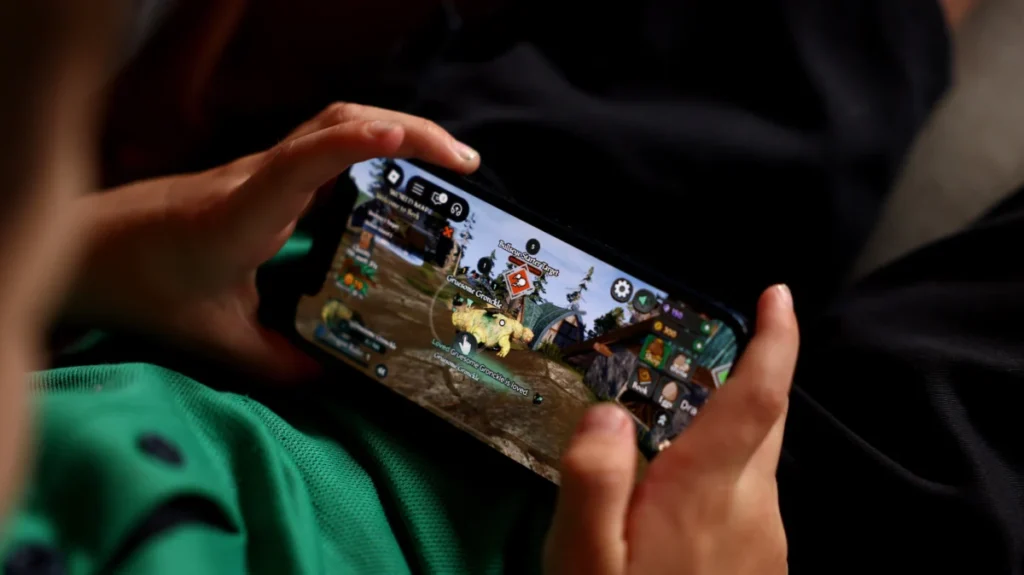
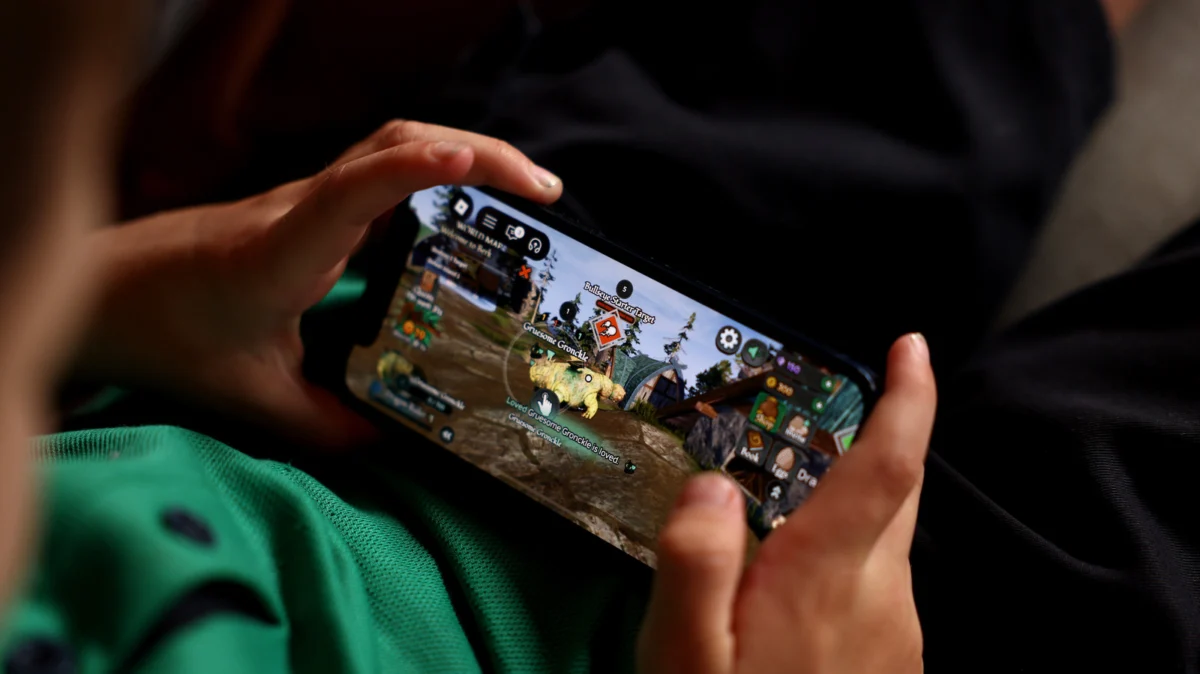
Apple is poised to make a significant entry into the hardware gaming market. According to recent reports from Bloomberg’s Mark Gurman, the Cupertino-based tech giant has been quietly developing proprietary gaming controllers for the iPhone for over a year. However, in a move that signals a calculated shift in branding strategy, these devices may not launch under the Apple logo, but rather under the Beats by Dre umbrella.
This potential expansion represents a departure from Apple’s traditional approach to accessories, suggesting a desire to capture a younger, more lifestyle-oriented demographic while mitigating the risks associated with the high-end "Apple" brand identity.
The Core Facts: A New Hardware Frontier
The speculation surrounding Apple’s entry into the gaming peripheral market was ignited by the discovery of specific code within a recent macOS release candidate. Sharp-eyed observers at MacRumors identified references to two distinct hardware devices, currently codenamed T6502 and T1057.
Technical documentation buried within the software suggests these devices are full-featured gaming controllers. The code references standard input mechanisms synonymous with modern gaming, including:
- Dual Thumbsticks: Essential for 3D navigation in titles like Genshin Impact or Call of Duty: Mobile.
- Shoulder Buttons (L1/R1/L2/R2): Indicative of a controller designed for console-quality gaming experiences.
- D-Pads: Necessary for precision inputs in platformers and retro-style indie games.
While Apple has long acted as a retailer for third-party gaming peripherals—famously stocking the Backbone One and various SteelSeries controllers in its physical and online Apple Stores—the development of internal hardware marks a shift from curator to competitor.
A Chronology of Development
The journey toward an Apple-branded gaming controller has been subtle, characterized by internal research and development that dates back more than 12 months.
Early 2025: Internal Concept Phase
Sources indicate that while Apple has been exploring the gaming sector for years, the specific push for a hardware controller began in earnest during the first half of 2025. The goal was to solve a recurring friction point: the fragmentation of mobile gaming hardware. By creating a unified, first-party accessory, Apple aims to ensure that its "Apple Arcade" and App Store gaming ecosystem feels as robust as a dedicated handheld console.
September 2026: The Leak
The project moved from internal secrecy to public discourse in early September 2026. A reader of the MacRumors community forums identified the T6502 and T1057 codenames within a macOS software build. This was the first concrete evidence that the hardware had moved past the prototype stage and into the software-integration phase, which usually precedes a formal product announcement by several months.
Present Day: The Beats Pivot
Following the leak, industry analysts began questioning why Apple would risk its premium brand image on a gaming peripheral. The revelation that these devices are being engineered by Beats executives—rather than Apple’s core hardware team—clarifies the company’s intent: to use Beats as a "skunkworks" division for experimental categories.
The Strategic Role of the Beats Brand
The decision to leverage Beats for this project is arguably the most interesting aspect of the rumor. For years, Apple has used Beats as a bridge to a different consumer base—one that values urban aesthetics, streetwear culture, and athletic performance over the minimalist, industrial design of Apple’s primary product lines.
Cultural Alignment
Beats has a long-standing history of marketing its products to gamers, athletes, and music enthusiasts. By launching a gaming controller under the Beats brand, Apple can tap into existing marketing channels that resonate with the gaming community. The "Beats" aesthetic—characterized by bolder colors, more aggressive design choices, and a focus on "lifestyle" integration—is a better fit for the gaming market than the sterile, white-box aesthetic typically found in an Apple Store.
Price Point Flexibility
Apple’s own brand is synonymous with premium pricing. When Apple launches a product, it is expected to be a top-tier, luxury-leaning device. By utilizing the Beats brand, Apple gains "pricing elasticity." The company can introduce a competitive, mid-range controller that doesn’t necessarily need to feature the aerospace-grade materials or the premium mark-up associated with an "Apple-branded" peripheral. This allows them to undercut competitors like Backbone while still maintaining healthy profit margins.
Implications for the Gaming Ecosystem
The implications of this move are significant for both the hardware market and the broader mobile gaming landscape.
1. Pressure on Third-Party Manufacturers
Companies like Backbone, Razer, and SteelSeries have thrived by filling the "controller gap" left by Apple. If Apple releases a first-party controller that offers seamless, native integration with iOS (such as instant haptic feedback, deep battery monitoring in the Control Center, and automatic firmware updates), third-party manufacturers will face immense pressure. They will have to innovate rapidly to justify their existence alongside an Apple-backed product.
2. Standardization of Mobile Gaming
One of the primary challenges for mobile developers is the lack of a standardized control scheme. While many games support touch controls, the experience varies wildly. An Apple/Beats controller provides a "gold standard" for developers to optimize their games for. This could encourage more high-fidelity console ports to come to the iPhone, as developers can finally count on their users having access to a reliable, consistent controller.
3. The "Console-in-a-Pocket" Strategy
Apple has been inching toward making the iPhone a legitimate competitor to the Nintendo Switch and the Steam Deck. With the A-series chips (and now M-series chips in newer iPads), the raw power is there. The missing piece of the puzzle has always been the physical interface. By providing a first-party, high-quality controller, Apple is effectively turning every iPhone into a premium portable gaming console.
Official Responses and Industry Skepticism
As of this writing, Apple has not issued an official statement regarding the T6502 or T1057 devices. The company maintains a strict policy of not commenting on unannounced products or rumors.
However, industry analysts have been quick to weigh in. Many point out that Apple’s entry into this market is a "natural evolution." With Apple Arcade subscriptions needing a more compelling value proposition, a physical controller is the logical next step. Conversely, some skeptics argue that the market for mobile controllers is already saturated and that Apple may struggle to differentiate its offering from the highly acclaimed products already on the market.
"If it’s just another piece of plastic, it won’t move the needle," says one industry analyst. "But if Apple integrates it into the iOS ecosystem in a way that makes the user experience frictionless—like the way AirPods pair with an iPhone—then they could dominate the market overnight."
Future Outlook: What to Expect Next
While there is no confirmed release date, the inclusion of the device code in recent software builds suggests that the hardware is nearing a mature state. Many industry insiders anticipate a quiet announcement in the coming months, possibly alongside a refreshed iPad or a special event focused on gaming and services.
Whether these controllers will be sold as a bundle with new iPhones or as standalone accessories remains to be seen. What is clear, however, is that Apple is no longer content to sit on the sidelines of the gaming industry. By utilizing the Beats brand, they are positioning themselves to capture a market that has long been underserved by the "walled garden" approach.
For the mobile gamer, the future looks bright. The prospect of an Apple-engineered controller—one that marries the company’s legendary attention to hardware detail with the cultural relevance of the Beats brand—could be the catalyst that finally makes the iPhone a primary gaming device for millions. As the lines between mobile, console, and PC gaming continue to blur, Apple’s calculated entry into the controller space may prove to be one of the most significant hardware moves of the decade.