AWS Redefines Application Management: Introducing Elastic Beanstalk Cluster Mode Powered by Amazon EKS
SEATTLE — Fifteen years after its initial debut fundamentally simplified how developers deploy full-stack applications in the cloud, Amazon Web Services (AWS) is once again transforming its flagship application management service. AWS has officially announced the general availability of AWS Elastic Beanstalk Cluster Mode, a powerful new architectural paradigm that marries the hands-off simplicity of Elastic Beanstalk with the enterprise-grade orchestration power of Amazon Elastic Kubernetes Service (Amazon EKS).
This major release marks a transformative milestone for the service. Over the past decade and a half, millions of developers have relied on Elastic Beanstalk to handle the heavy lifting of infrastructure provisioning, allowing engineering teams to keep their primary focus squarely on business logic and application code. Today’s announcement builds upon that foundational trust, introducing an operational engine designed to support multi-application portfolios, slash operational overhead, and lower per-application infrastructure costs without sacrificing simplicity.
Main Facts: What is Elastic Beanstalk Cluster Mode?
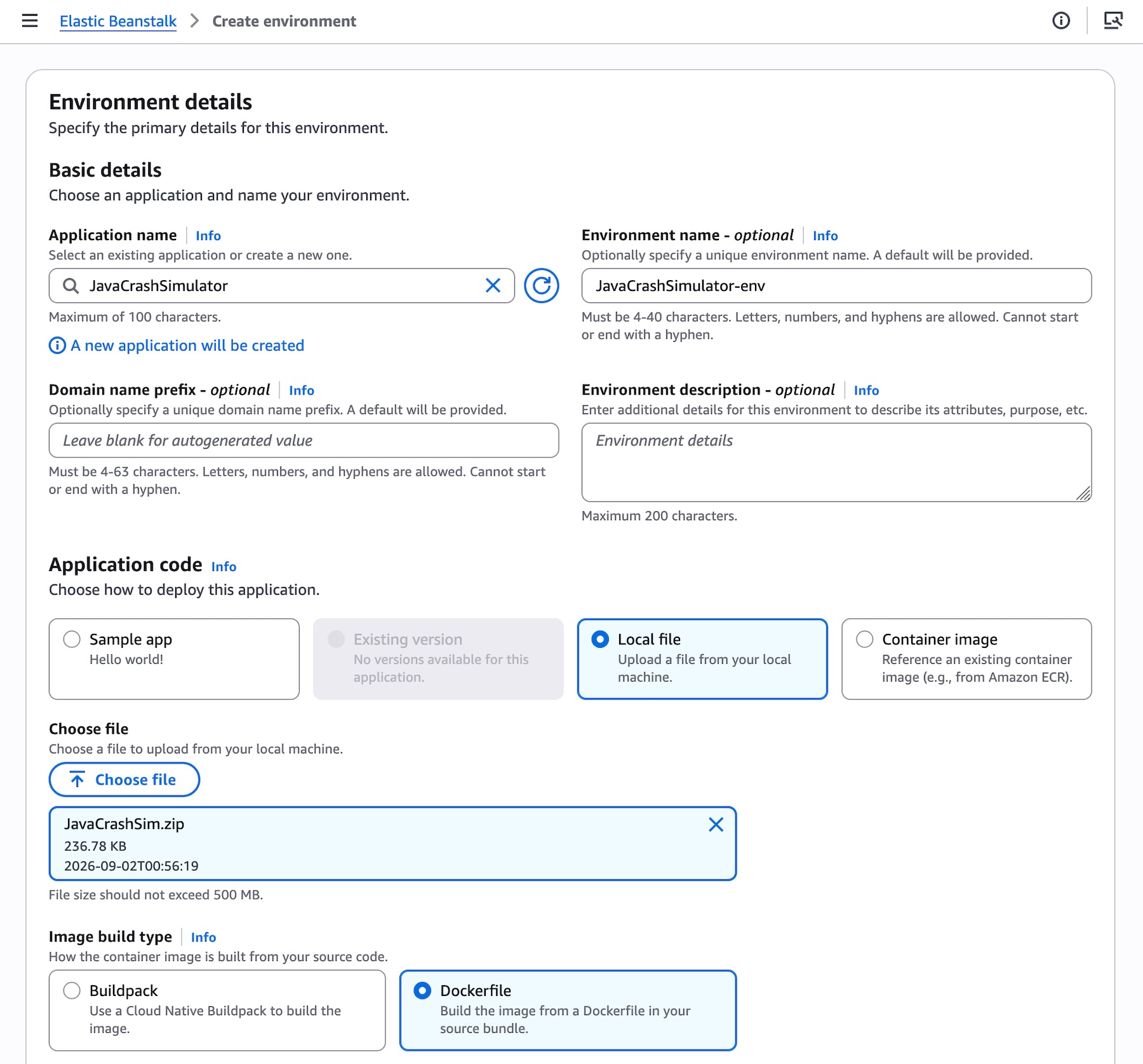
At its core, Elastic Beanstalk Cluster Mode is a fully managed deployment engine that takes absolute operational responsibility for production workloads over their entire lifecycle. Whether teams deploy raw source code, Dockerfiles, or pre-built container images, Elastic Beanstalk abstracts away the underlying infrastructure while AWS continuously manages deployment, scaling, patching, monitoring, and upgrades.
Unlike traditional deployment models where each application runs in isolation on dedicated compute instances, Cluster Mode is specifically engineered for organizations managing a diverse portfolio of microservices and applications. By leveraging a shared infrastructure baseline powered by Amazon EKS, multiple applications can securely co-exist within the same cluster ecosystem.
- Portfolio-Level Efficiency: Running multiple workloads on a shared EKS backbone drives down per-application infrastructure costs as the portfolio grows, eliminating the resource fragmentation common in traditional siloed deployments.
- Unified Management: Engineering teams can oversee anywhere from ten to a hundred distinct applications through a single, cohesive administrative interface, maintaining identical operational guarantees across every stack.
- Modern Operational Foundation: Cluster Mode arrives equipped with a modernized backend featuring OpenTelemetry-based observability, traffic-splitting deployments with automated rollbacks, event-driven autoscaling, native secrets management via AWS Secrets Manager, and HTTPS enabled by default through AWS Certificate Manager.
- AI-Driven Diagnostics: The service integrates seamlessly with AWS’s recently introduced AI-powered environment analysis, which automatically diagnoses health anomalies and recommends targeted remediation steps.
- Seamless CI/CD Integration: Teams can leverage a dedicated official GitHub Action to deploy straight from existing continuous integration and deployment pipelines using a straightforward YAML configuration.
Chronology: Fifteen Years of Continuous Evolution
To understand the magnitude of the Cluster Mode release, it is helpful to trace the trajectory of AWS Elastic Beanstalk and the modern tooling ecosystem that paved the way for this release:
- 2011 — The Inception: AWS launches Elastic Beanstalk, giving developers using Java, .NET, Python, Node.js, PHP, Ruby, and Go a streamlined path to deploy full-stack applications without manually managing underlying servers, load balancers, or auto-scaling groups.
- Early 2026 — Modernizing the Engine: AWS rolls out foundational updates to the Elastic Beanstalk operational core, introducing AI-powered environment diagnostics in April 2026, followed by the release of an official GitHub Action for streamlined CI/CD workflows in February 2026.
- September 2026 — The Cluster Mode Era: AWS officially announces and deploys Elastic Beanstalk Cluster Mode to general availability across all commercial regions where Elastic Beanstalk operates, unlocking native Amazon EKS-backed orchestration for containerized workloads.
Supporting Data & Technical Implementation
AWS has designed Cluster Mode to be accessible through multiple interfaces, including the AWS Management Console, the AWS Command Line Interface (CLI), the dedicated EB CLI, and standard AWS SDKs.

Console and CLI Workflows
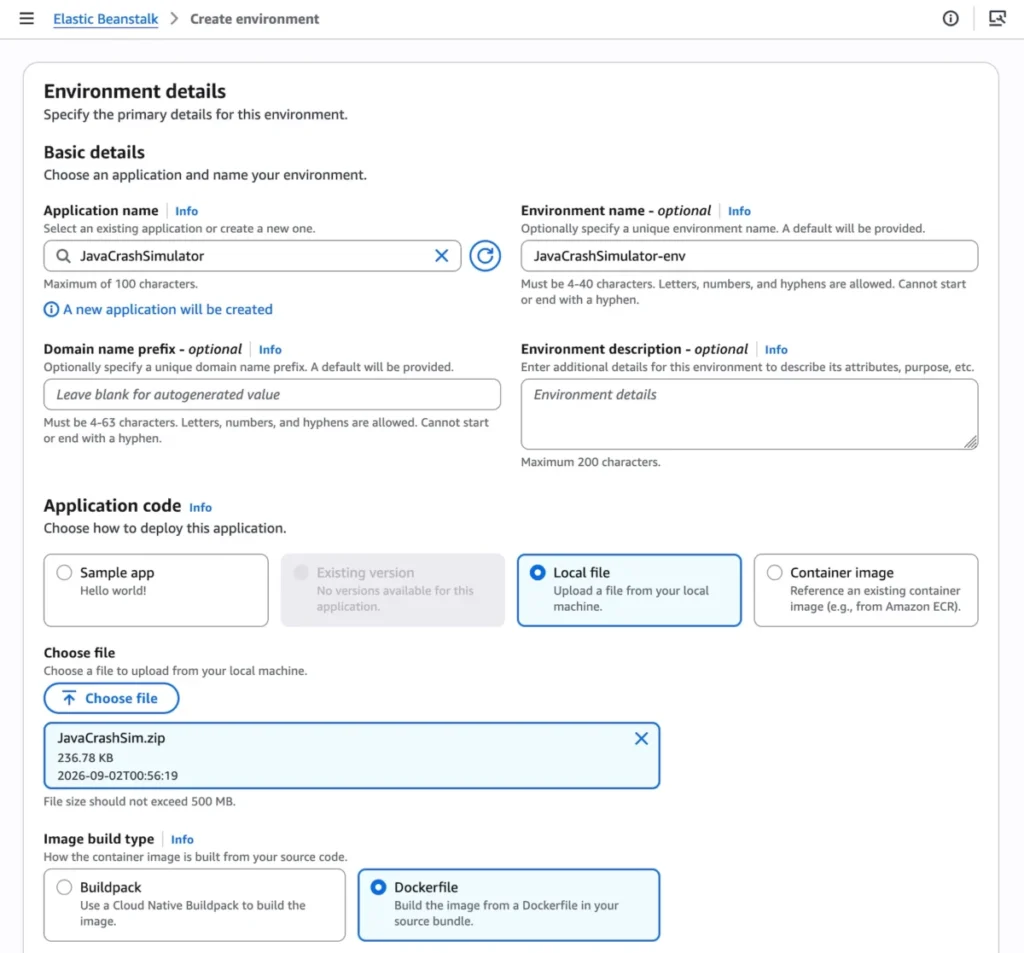
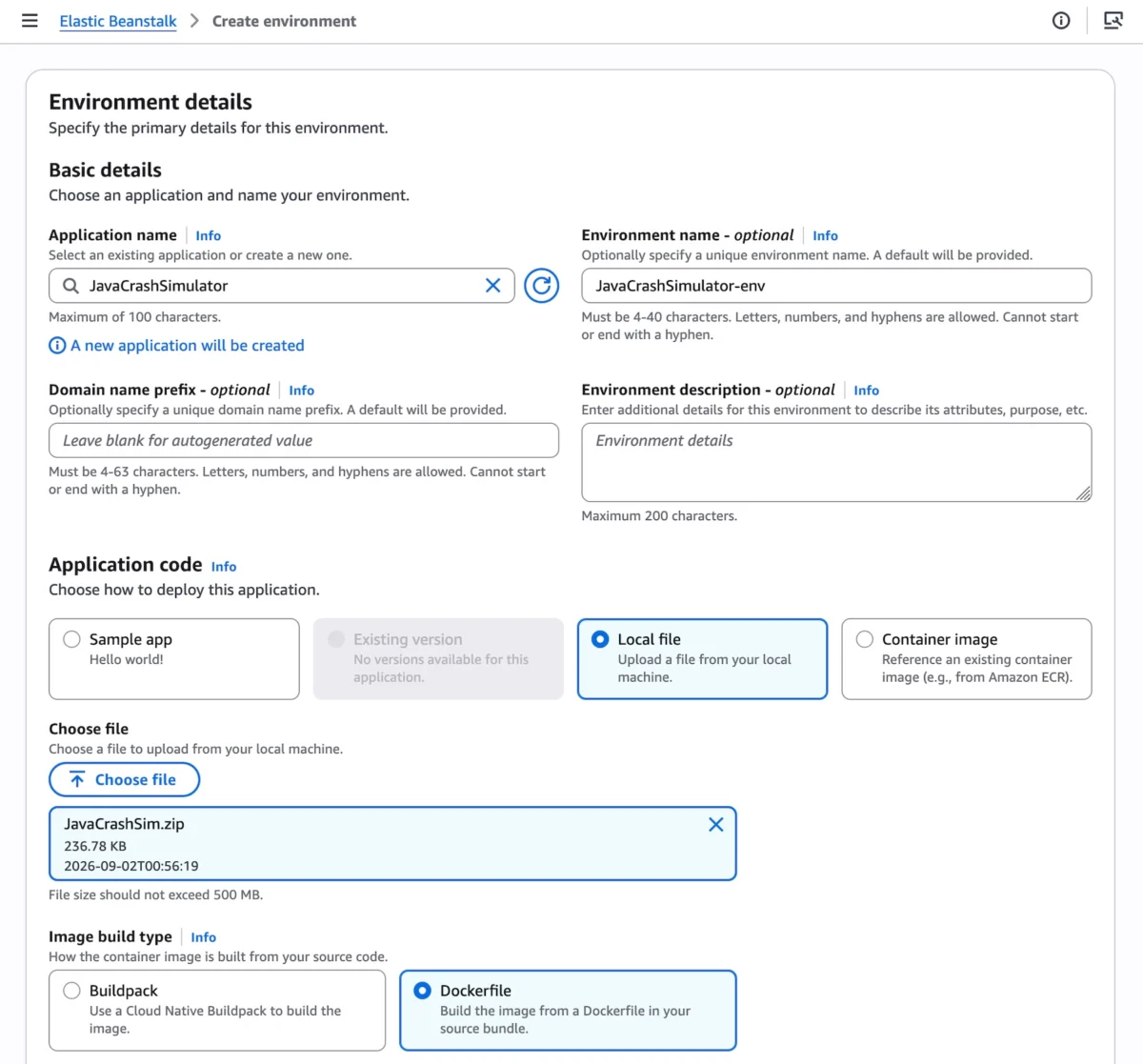
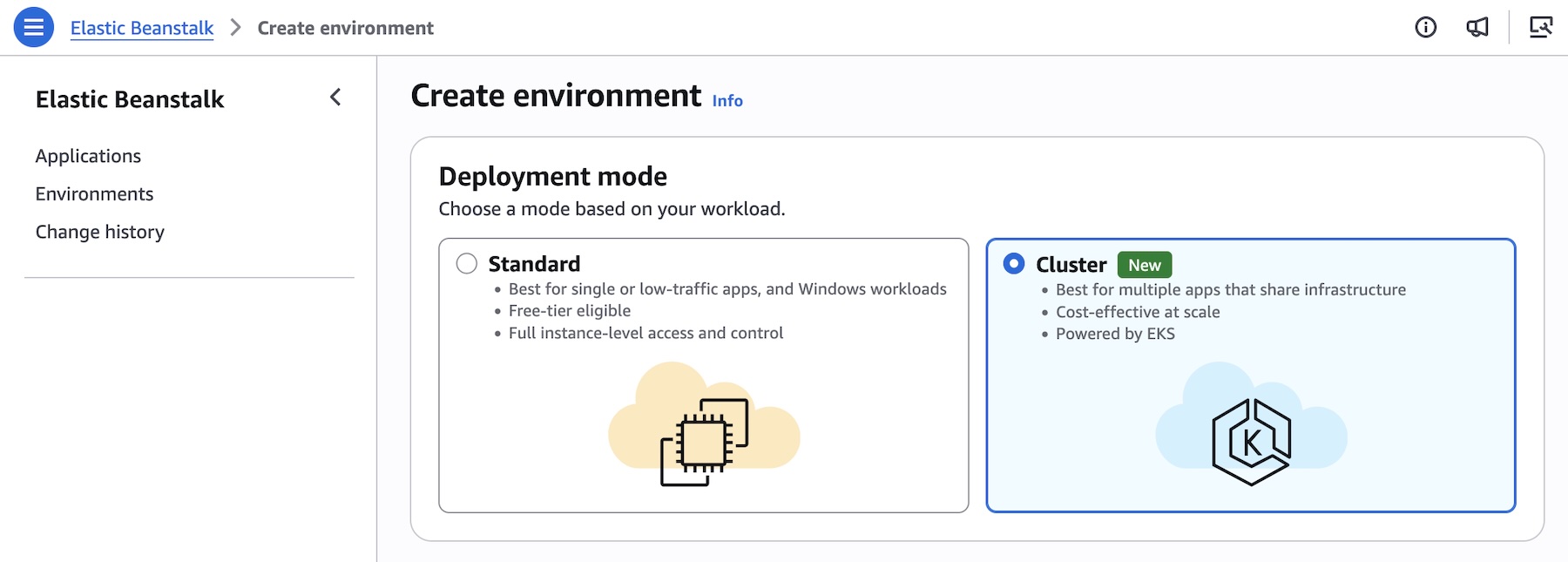
Getting started via the AWS Management Console requires navigating to Elastic Beanstalk, creating a new environment, and selecting Cluster under the Deployment type parameter. When deploying a new set of subnets, the system automatically initializes an underlying EKS cluster—a provisioning step that takes approximately ten minutes. Subsequent deployments execute significantly faster by recycling the pre-existing cluster.
For teams leveraging automation scripts or the AWS CLI, multi-service architectures can be orchestrated cleanly. For instance, registering container images hosted in Amazon Elastic Container Registry (Amazon ECR) is handled via iterative application version creation:
IMAGES=(
    "frontend-v1|public.ecr.aws/my-microservices/frontend:v1"
    "cartservice-v1|public.ecr.aws/my-microservices/cart:v1"
    "paymentservice-v1|public.ecr.aws/my-microservices/payment:v1"
    "shippingservice-v1|public.ecr.aws/my-microservices/shippings:v1"
)

for entry in "$IMAGES[@]"; do
    IFS='|' read -r label uri <<< "$entry"
    aws elasticbeanstalk create-application-version
        --application-name "$APP_NAME"
        --version-label "$label"
        --image-configuration Source="Uri=$uri"
        --region "us-west-2"
    echo "Registered: $label"
done
Configurations such as public-facing Application Load Balancers (ALBs), health check endpoints, CPU/memory allocations, and autoscaling boundaries are defined via JSON namespaces and deployed seamlessly with standard creation commands:
aws elasticbeanstalk create-environment
    --application-name my-microservice
    --environment-name frontend
    --version-label frontend-v1
    --tier Name=Cluster,Type=EKS
    --option-settings file:///tmp/frontend-options.json
Official Responses and Strategic Positioning
AWS leadership emphasizes that the introduction of Cluster Mode does not spell the end for traditional deployment paradigms. Elastic Beanstalk Standard Mode, powered by Amazon Elastic Compute Cloud (EC2), remains fully supported and continues to be an optimal choice for monolithic or traditional applications that do not require container orchestration.
Importantly, Standard Mode and Cluster Mode environments can run side-by-side within the exact same Elastic Beanstalk application structure. This architectural flexibility allows development organizations to migrate individual workloads to Kubernetes-backed clusters at their own pace. Automated pre-migration validation checks ensure compatibility before modifications take place, guaranteeing that no engineering team is forced into a disruptive migration timeline.
Furthermore, AWS has ensured that the pricing model for Cluster Mode remains transparent and friction-free. There are no additional licensing or software fees charged directly by Elastic Beanstalk Cluster Mode. Customers pay strictly for the underlying AWS resources consumed by their applications—including the EKS control plane fee, EKS Auto Mode compute resources, Amazon ECR storage, and Amazon CloudWatch telemetry. Note that Cluster Mode is not eligible for the AWS Free Tier.
Implications for the Enterprise and Developer Ecosystem
The arrival of Elastic Beanstalk Cluster Mode has profound implications for software engineering organizations of all sizes:
- Democratizing Kubernetes: Many small-to-midsize development teams possess microservices architectures that could benefit from Kubernetes (EKS), but lack the dedicated platform engineering staff required to configure, secure, and maintain raw Kubernetes control planes. Cluster Mode bridges this gap by abstracting the operational complexity of EKS entirely.
- Streamlined AI and Automation Integration: By bundling OpenTelemetry observability, automated traffic-splitting rollbacks, and AI-driven health troubleshooting directly into the deployment lifecycle, AWS is raising the baseline expectation for what a Platform-as-a-Service (PaaS) should deliver.
- Developer Velocity: By unifying diverse application stacks under a single management pane of glass, organizations can reduce cognitive load, enforce standardized security postures (such as HTTPS-by-default and centralized secrets management), and accelerate time-to-market for new product features.
Getting Started
AWS Elastic Beanstalk Cluster Mode is generally available today across all AWS Regions that support Elastic Beanstalk. Developers and system architects can begin experimenting with the feature immediately via the AWS Elastic Beanstalk Console.
For deep dives into configuration options, API references, and migration strategies, developers can consult the official Elastic Beanstalk Cluster Mode Documentation, or leverage the AWS MCP Server to query documentation and regional capabilities directly through AI-assisted tooling workflows. Feedback and community discussions can be directed to the AWS re:Post Elastic Beanstalk Community Forum.