AWS Weekly Roundup: Global Community Engagement, One-Click Coding Agents, and Resolving Billing Inaccuracies
Main Facts
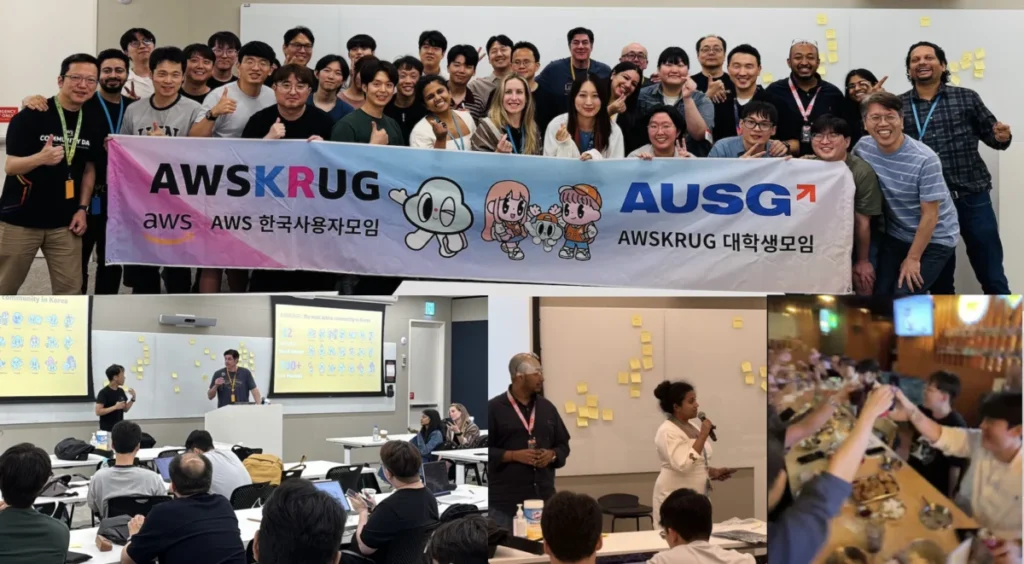
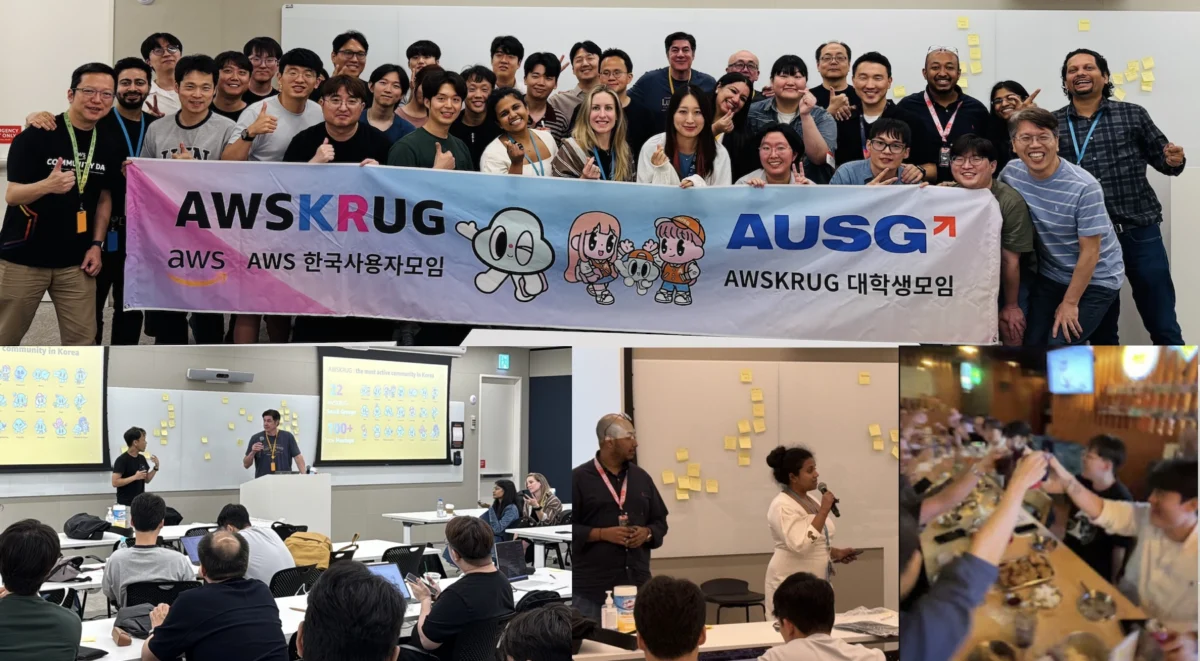
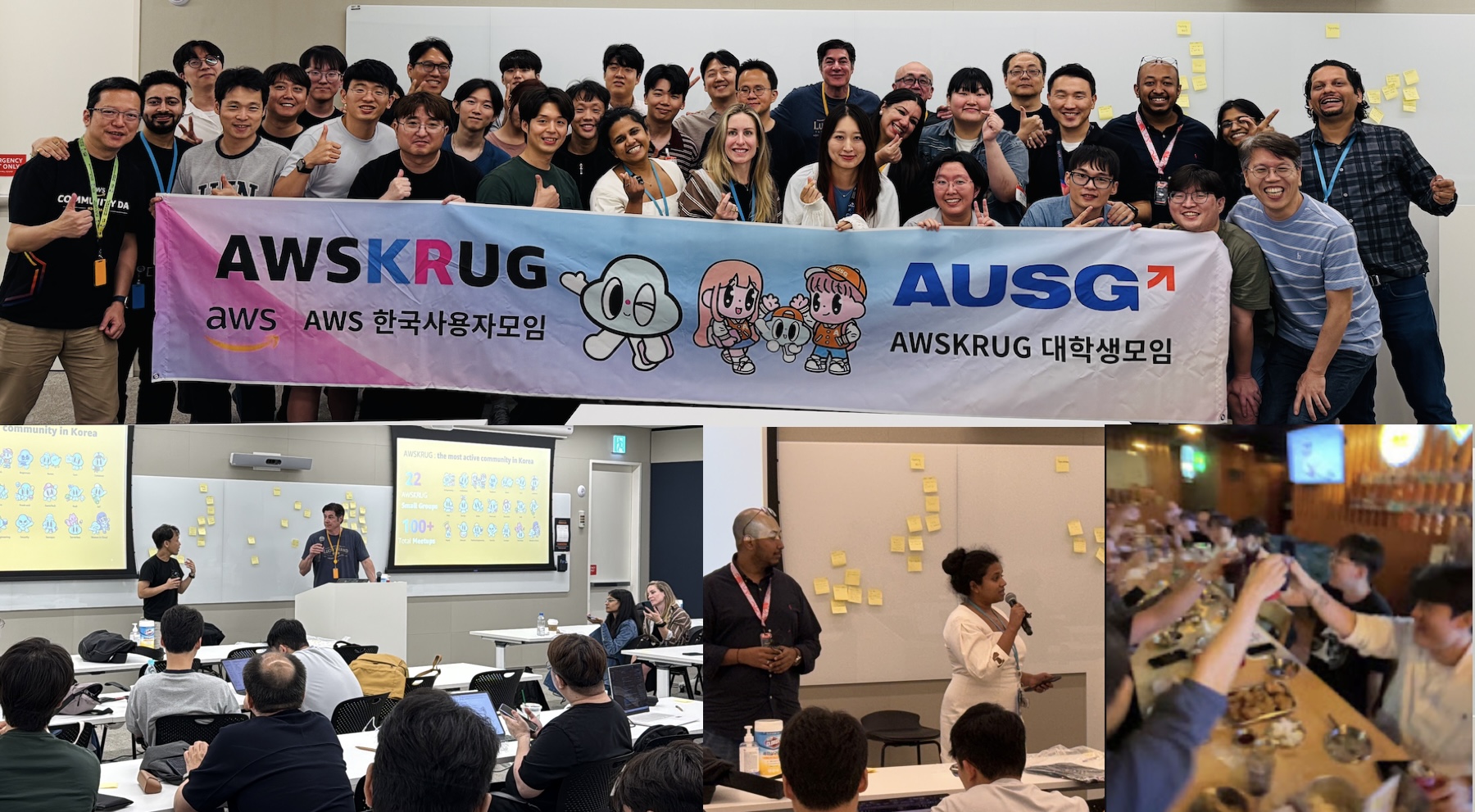
The global cloud computing landscape continues to evolve at a relentless pace, driven by deeper integrations between artificial intelligence and foundational infrastructure. In the latest weekly review from Amazon Web Services (AWS), community outreach took center stage as the AWS Developer Experience team traveled to Seoul to meet with leaders of the AWS Korea User Group (AWSKRUG).
Beyond community engagement, the standout technical announcement of the week is the introduction of a one-click AWS Lambda setup prompt designed specifically for AI coding agents. This new feature empowers developers to seamlessly configure AI assistants with advanced serverless skills and the Serverless Model Context Protocol (MCP) server. By embedding serverless best practices directly into the initialization phase, AWS is streamlining how developers build cloud-native applications alongside modern AI companions.
However, technology operations are never without friction. Last week also saw a notable operational hiccup involving AWS Cost Explorer, which displayed inaccurate estimated billing data to a subset of customers over the weekend. This glitch triggered erroneous budget and cost anomaly detection alerts, leading to temporary confusion regarding usage spikes. AWS has since resolved the issue, confirmed normal operations across all regions, and initiated a comprehensive internal review to prevent future billing transparency errors.
Chronology of the Week’s Events
To understand how these developments unfolded, a chronological view highlights the rhythm of AWS community interactions, product disclosures, and incident management:
- Mid-Week: The AWS Developer Experience team arrived in Seoul to conduct strategic alignment and feedback sessions with the leadership council of AWSKRUG—Korea’s largest cloud developer network comprising over 20 distinct topic- and area-focused meetup groups hosting upwards of 100 annual events. Discussions covered first-half performance reviews, ongoing community bottlenecks, and direct feature requests for AWS developer tools.
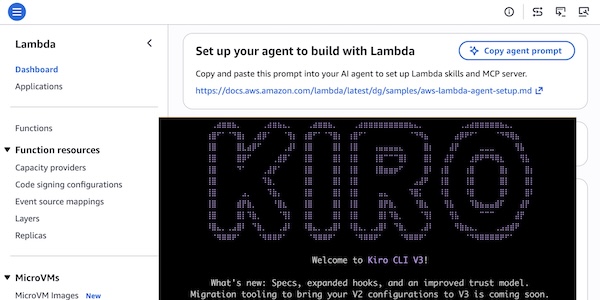
- Late Week: AWS officially rolled out the one-click Lambda setup prompt for coding agents. Accessible directly from the AWS Lambda console or via a dedicated documentation markdown file, the tool instantly bridges the gap between AI code generation and secure serverless architecture.
- Over the Weekend: Certain AWS users experienced distorted and inflated estimated billing data through the Cost Explorer dashboard. The anomaly caused cascading automated alerts regarding budget limits and cost spikes, prompting immediate investigative triage by engineering teams.
- Early This Week: AWS successfully isolated and fixed the Cost Explorer reporting bug. Normal metrics were restored to the AWS Health Dashboard, accompanied by an official apology and a commitment to retrospective transparency.
Supporting Data and Technical Architecture
The technical highlight of the week—the integration of AI coding agents with AWS Lambda—represents a significant shift in developer ergonomics. Developing serverless applications historically required navigating complex IAM permissions, event-driven triggers, and optimization constraints manually.
The One-Click Lambda Setup for AI Agents
The new setup prompt is engineered to bake AWS serverless expertise directly into popular coding environments. By utilizing the Serverless Model Context Protocol (MCP) server, developers can instruct their AI assistants to adhere to established architectural patterns from their very first line of code.
- Supported Platforms: The accompanying Lambda agent setup guide provides direct installation and integration commands for a wide array of modern AI developer tools, including:
- Claude Code
- Kiro
- Cursor
- GitHub Copilot
- Codex
- Devin Desktop
- OpenCode
- Execution Method: Developers can activate the workflow by navigating to the Lambda console and selecting the Copy agent prompt button, or by pulling the configuration file directly via command line:
fetch https://docs.aws.amazon.com/lambda/latest/dg/samples/aws-lambda-agent-setup.md - Agent Toolkit for AWS: To further augment AI capabilities, teams can leverage the Agent Toolkit for AWS to grant coding assistants real-time contextual awareness of current AWS services and safe, restricted resource access. The MCP Server setup can be pulled via:
fetch https://raw.githubusercontent.com/aws/agent-toolkit-for-aws/refs/heads/main/setup-instructions/setup.md
Community Scale: AWSKRUG Metrics
The visit to Seoul highlighted the sheer scale of localized developer ecosystems in the Asia-Pacific region. Key metrics for the AWS Korea User Group include:
- Community Size: Recognized as the largest cloud developer community in South Korea.
- Sub-Groups: 20 distinct meetup groups organized by specific geographic areas and technological domains.
- Event Volume: Collectively hosting more than 100 events per year, heavily anchored in the Seoul metropolitan area.
Official Responses and Incident Analysis
The unexpected reporting behavior within AWS Cost Explorer over the weekend prompted immediate attention from cloud operations and customer support leadership.
The Billing Dashboard Incident
Customers reported that Cost Explorer was displaying inflated estimated billing figures, which subsequently triggered false-positive alarms across automated budget thresholds and cost anomaly detection systems.
Official AWS Statement & Remediation:

"Some customers experienced an issue with Cost Explorer displaying inaccurate estimated billing data last weekend. They may have received erroneous budget and cost anomaly detection alerts, and observed inflated estimated cost and usage data. The issue has been resolved, and all AWS services are operating normally. We apologize for the concern this incident caused our customers and are conducting a thorough retrospective to prevent events like this from reoccurring, as well as improving our response when billing incidents occur."
According to updates logged on the AWS Health Dashboard, the underlying metrics issue (referenced under event identifier arn:aws:health:global::event/BILLING/AWS_BILLING_OPERATIONAL_ISSUE/AWS_BILLING_OPERATIONAL_ISSUE_47B68_BACBD91434F) has been completely mitigated. Engineers are currently drafting a post-incident review to fortify telemetry pipelines against similar reporting discrepancies in future updates.
Implications for Developers and Enterprises
The convergence of these events paints a clear picture of where the cloud industry is heading: deep automation, empowered localized communities, and a heightened focus on trust and transparency.
1. Accelerated AI-Driven Development
The rollout of the one-click Lambda agent prompt marks a maturation in how AI interacts with infrastructure-as-code and serverless design. By standardizing how coding assistants understand serverless best practices, AWS is lowering the cognitive load for developers. Teams can experiment, prototype, and deploy microservices faster, knowing that their AI tools are guided by officially sanctioned architecture guardrails rather than generic or outdated training data.
2. The Vital Importance of Global Developer Communities
The interactions between AWS teams and community leaders in Seoul—celebrated appropriately over traditional Chimaek (chicken and beer)—underscore the strategic value of grassroots feedback loops. Global user groups like AWSKRUG serve as the primary litmus test for new developer experiences, tooling friction points, and feature requests. Direct lines of communication ensure that enterprise roadmaps remain grounded in the daily realities of software engineers worldwide.
3. Restoring Trust Through Operational Transparency
While the Cost Explorer glitch did not affect actual underlying cloud resource consumption or production workloads, it highlighted the psychological and operational impact of telemetry inaccuracies. In enterprise environments, financial observability is just as critical as system uptime. Swift remediation by AWS, coupled with promises of transparent retrospectives, emphasizes the company’s recognition that financial tooling must maintain the same high-availability standards as core infrastructure services like compute and storage.
As the industry moves forward, developers are encouraged to leverage upcoming AWS-led virtual and in-person events, startup showcases, regional AWS Summits, and the newly established AWS Builder Center to connect, collaborate, and stay ahead of rapid platform advancements. Stay tuned to next week’s roundup for the latest updates across the AWS ecosystem.