Beyond the Router: The New Frontier of Raspberry Pi Remote Connectivity
Main Facts: Breaking the 100-Meter Barrier
For over a decade, the Raspberry Pi has served as the backbone of the "Maker Movement," empowering hobbyists and industrial engineers alike to deploy localized computing power. However, a persistent bottleneck has historically limited these projects: the tether of connectivity. Standard Wi-Fi signals rarely penetrate beyond the perimeter of a residential garden, and even high-grade Ethernet cables face a hard physical limit of 100 meters without active amplification.
To address the growing demand for "Edge Computing"—deploying sensors and controllers in remote, off-grid, or geographically dispersed locations—a new ecosystem of hardware has emerged. This ecosystem is primarily divided into two technological camps: LoRa (Long Range) and Cellular LTE (4G).
LoRa technology has revolutionized the Internet of Things (IoT) by enabling small packets of data to be transmitted over distances of up to 15 kilometers in rural environments, all while consuming milliwatts of power. Conversely, 4G cellular solutions provide the high-bandwidth "heavy lifting" required for video streaming and real-time telemetry, albeit at a higher power and subscription cost.
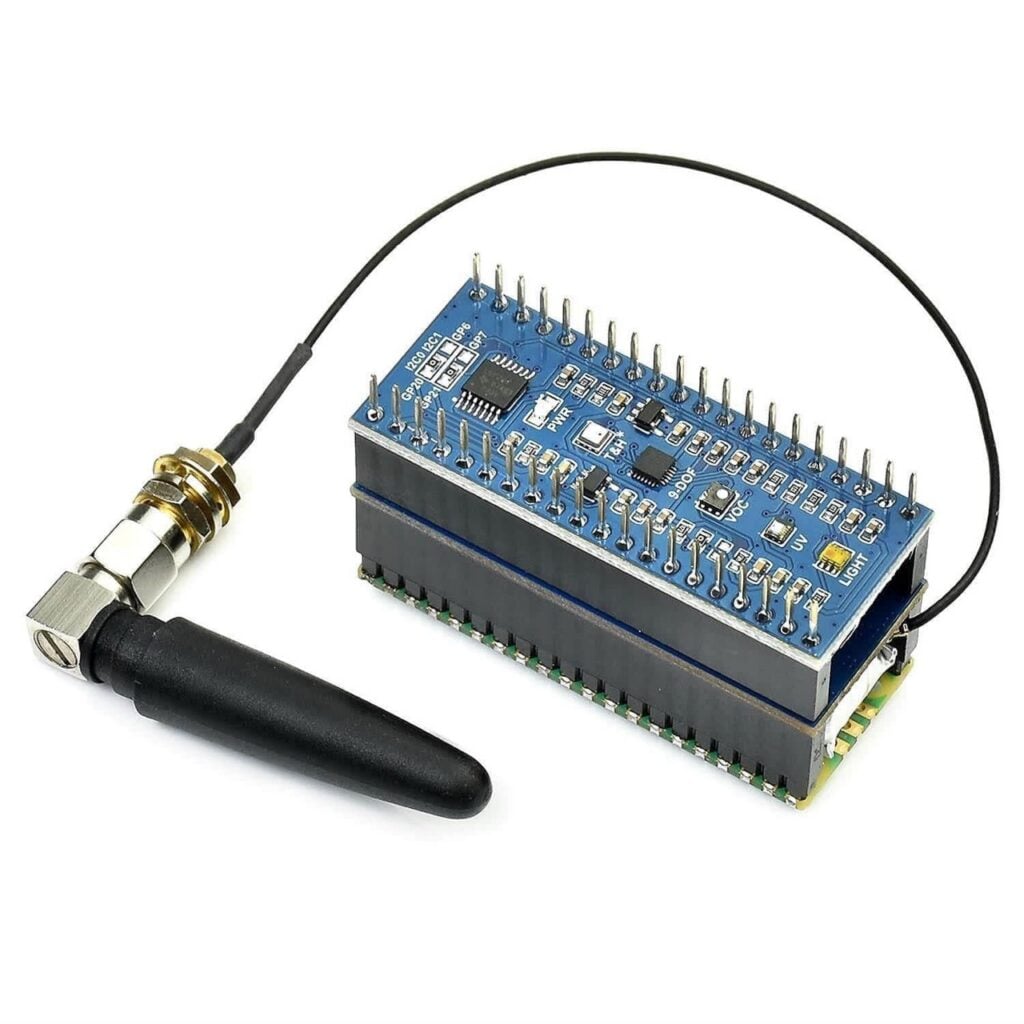
As of late 2024, the hardware market for these solutions has matured significantly. New modules based on the Raspberry Pi RP2350 microcontroller and high-efficiency transceivers like the SX1262 are providing developers with unprecedented reliability. This report explores the current landscape of long-range Raspberry Pi connectivity, evaluating the latest hardware that allows the "Pi" to escape the home network.
Chronology: The Evolution of Pi-Based Telemetry
The journey from simple desktop experimentation to remote industrial deployment has followed a distinct chronological path:
- The Early Era (2012–2015): Early Raspberry Pi models relied almost exclusively on USB Wi-Fi dongles and Ethernet. Remote projects were often "blind," logging data to SD cards for manual retrieval, or relied on expensive, bulky industrial cellular modems that were difficult to interface with Linux-based systems.
- The Rise of LPWAN (2016–2019): Low-Power Wide-Area Networks (LPWAN), specifically LoRaWAN, began to gain traction. The introduction of the SX1276 chip allowed the first wave of "Bonnets" and "HATs" to provide long-range, low-bitrate communication. This era saw the birth of "The Things Network" (TTN), a global, crowdsourced IoT data network.
- The High-Bandwidth Transition (2020–2022): As 2G and 3G networks began their global sunset, the maker community shifted toward 4G LTE. Modules became smaller and more integrated, moving from serial-only communication to high-speed USB interfaces capable of handling megabit-per-second throughput.
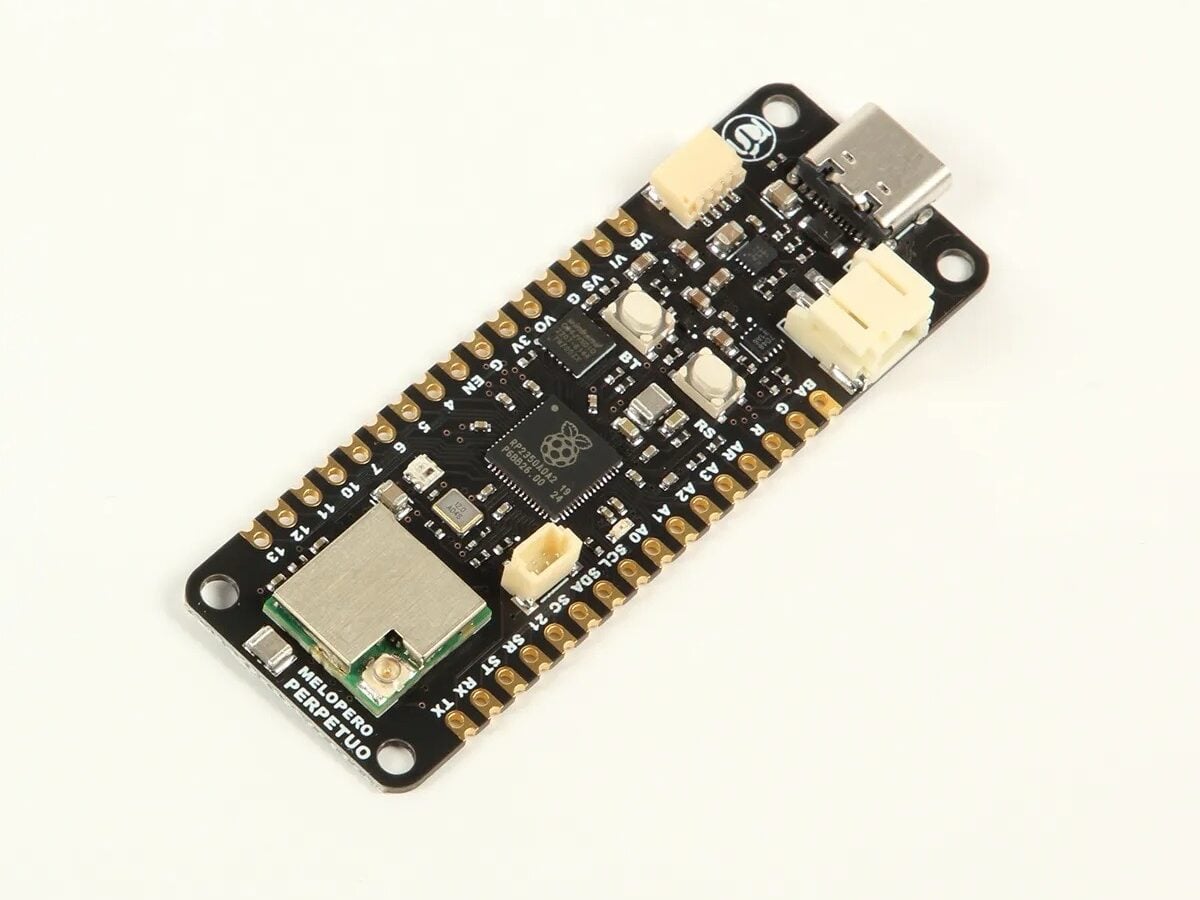
- The Integration Age (2023–Present): We are currently in a phase of "System-on-Module" integration. Instead of a Pi connected to a radio, we are seeing boards like the Perpetuo LoRa, which integrate the microcontroller (RP2350) and the radio on a single PCB, optimized for solar power and extreme battery longevity.
Supporting Data: A Technical Analysis of Long-Range Solutions
To understand which hardware suits a specific deployment, one must analyze the trade-offs between range, power consumption, and data throughput.
1. LoRa Solutions: The Power of the "Chirp"
LoRa (Long Range) uses Chirp Spread Spectrum modulation. It is resilient to interference and can operate below the noise floor.
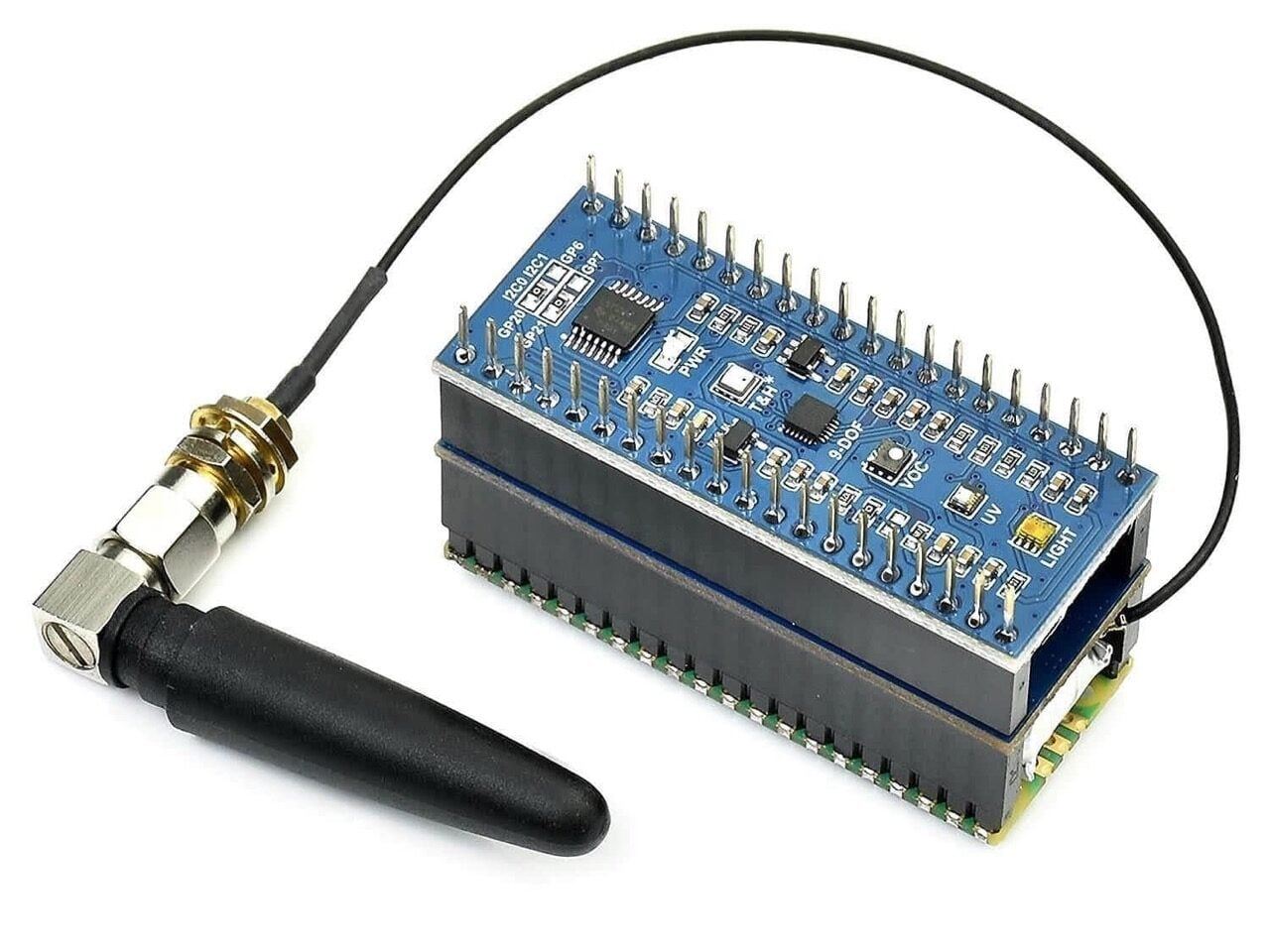
- Waveshare SX1262 LoRa Node for Pico:
This module represents the modern standard for LoRa nodes. Priced at approximately £14 ($19), it utilizes the SX1262 transceiver. Data shows that the SX1262 offers roughly a 15% improvement in power efficiency and a slight sensitivity gain over the older SX1276. Crucially, this module includes a 600mAh LiPo battery and an onboard charging IC, making it a "drop-in" solution for remote sensor pods. - Perpetuo LoRa (RP2350 Powered):
Utilizing the cutting-edge RP2350 chip, this board is designed for longevity. It features a Qwiic/STEMMA QT connector, allowing for "no-solder" sensor integration. Its primary advantage is the "deep sleep" capability of the RP2350, which, when paired with an external solar regulator, allows for indefinite operation in environmental monitoring roles. - Adafruit LoRa Radio Bonnet:
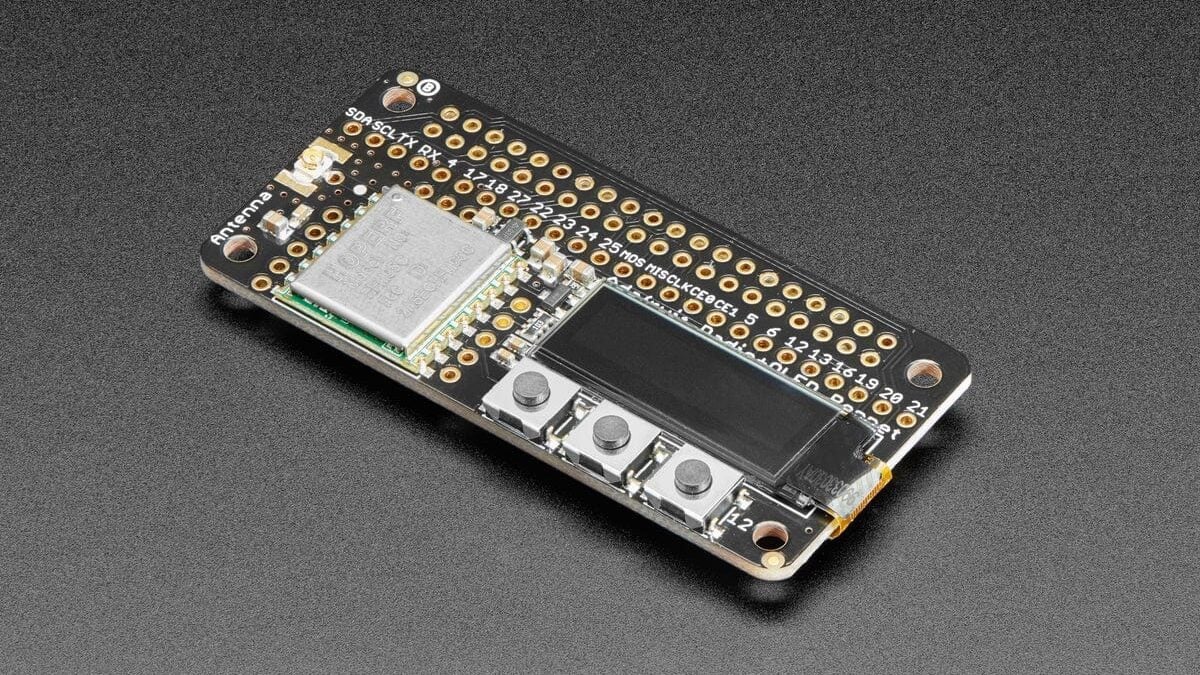
A mainstay for the standard 40-pin Raspberry Pi (such as the Pi 4 or Pi 5). While it uses the older SX1276 (RFM95W), its integration of a 128×32 OLED display provides immediate diagnostic data—a critical feature for field technicians troubleshooting a gateway connection.
2. Cellular 4G LTE: High Bandwidth for the Edge
When LoRa’s 50kbps limit is insufficient, 4G cellular modules bridge the gap.
- Clipper HAT Mini:
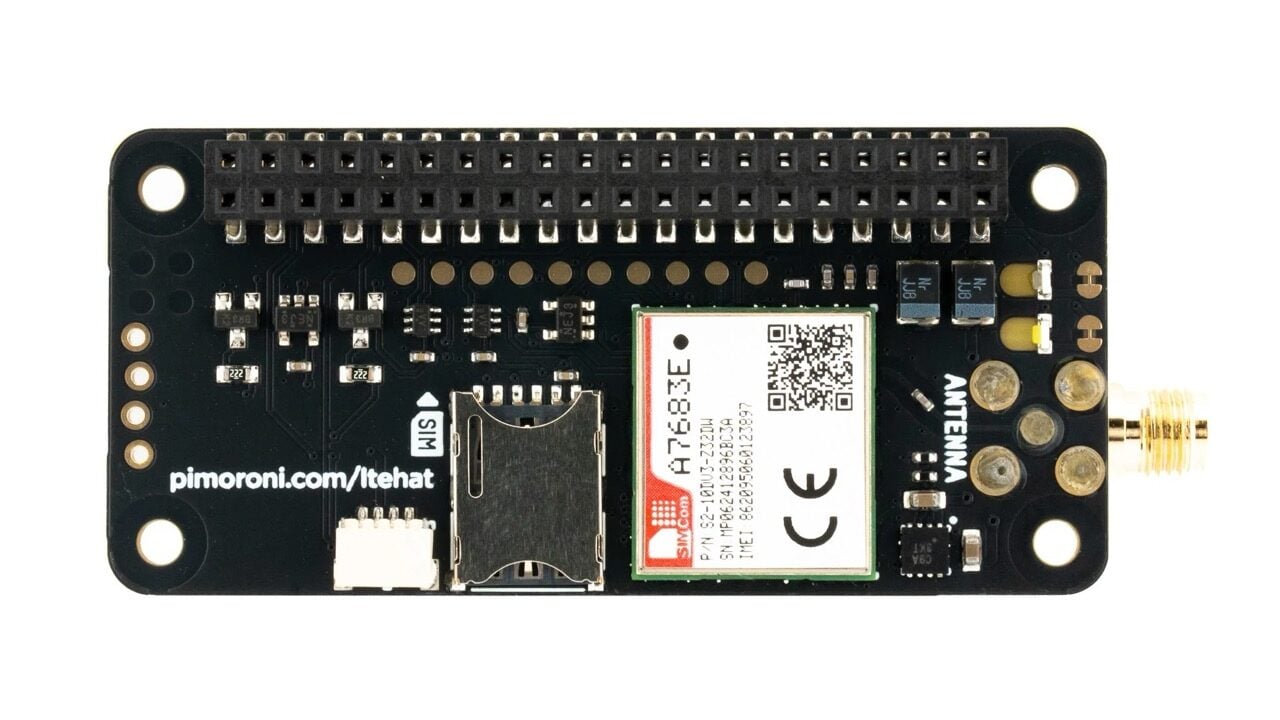
Designed for the Raspberry Pi Zero form factor, this HAT uses the SIMCom A7683E module. It is a "Cat 1bis" device, optimized for lower power consumption than high-speed modems while still offering 5Mbps upload speeds. This is sufficient for low-resolution security images or complex telemetry. - SIM7600G-H 4G HAT:
The "G" designation denotes global compatibility, supporting a vast array of LTE bands across North America, Europe, and Asia. As an LTE Cat 4 device, it can achieve 50Mbps upload and 150Mbps download. Technical testing indicates this is the preferred module for mobile hotspots or remote video streaming via a Pi Camera.
3. Positioning and Timing: The PA1010D GPS
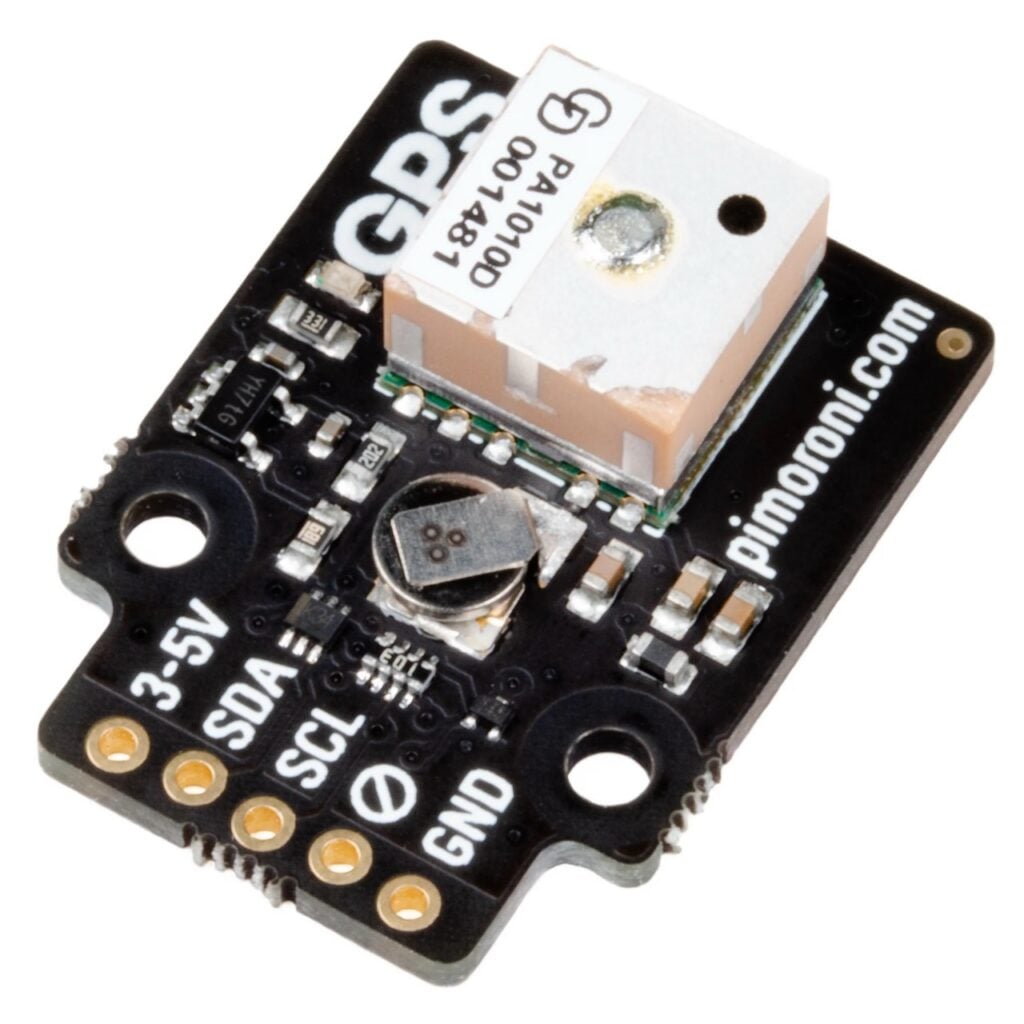
Connectivity is often useless without context. The PA1010D GPS breakout has become the preferred choice for the Pi ecosystem due to its support for 99 search channels and 33 simultaneous tracking channels. Beyond location, the PA1010D provides an ultra-accurate PPS (Pulse Per Second) signal, allowing a Raspberry Pi to act as a Stratum 1 NTP time server in locations where internet-based time sync is unavailable.
Official Responses and Expert Perspectives
The shift toward these technologies has prompted responses from both regulatory bodies and hardware manufacturers.
Regulatory Compliance:
Legal experts and regulators like Ofcom (UK) and the FCC (USA) maintain strict guidelines on the ISM (Industrial, Scientific, and Medical) bands used by LoRa. Official documentation emphasizes that while these bands are "license-free," they are not "regulation-free." Users must adhere to "Duty Cycle" limitations—typically 1% in Europe—meaning a device can only transmit for 36 seconds per hour to prevent frequency congestion.
The Manufacturer’s Stance:
Waveshare and Pimoroni, two of the leading hardware providers mentioned in this report, have pivoted toward "Plug-and-Play" ecosystems. By adopting the Qwiic/STEMMA QT standard, they are lowering the barrier to entry for non-engineers. A spokesperson for the maker community noted, "The transition from the SX1276 to the SX1262 isn’t just about range; it’s about making IoT sustainable. We are seeing projects that can run for five years on a single battery because of these hardware refinements."
Software Support:
The community response to these modules has been bolstered by the "CircuitPython" movement. While traditional C/C++ libraries exist, the availability of high-level Python libraries for the PA1010D and the RFM95W has reduced development time from weeks to hours, allowing rapid prototyping of remote systems.
Implications: The Future of Decentralized Infrastructure
The democratization of long-range connectivity for the Raspberry Pi has profound implications for several sectors:
1. Precision Agriculture:
Farmers are no longer limited to monitoring only the areas near the farmhouse. With LoRa-based Pi nodes, soil moisture, temperature, and livestock movement can be tracked across thousands of acres for the cost of a few hundred dollars in hardware. This data allows for "Variable Rate Application" of water and fertilizer, significantly reducing environmental waste.
2. Environmental Conservation:
Wildlife researchers are utilizing the 4G HATs (like the SIM7600G-H) to create "Smart Camera Traps." Instead of waiting months to retrieve an SD card, researchers receive real-time alerts and images when an endangered species is spotted, allowing for immediate anti-poaching responses.
3. The "Shadow" Infrastructure:
The ability for individuals to build their own LoRaWAN gateways (using boards like the iC880A-SPI) is creating a decentralized, community-owned internet. This "Shadow Infrastructure" provides a fallback for emergency communications during natural disasters when traditional cellular towers may be incapacitated.
4. Urban Planning and "Smart Cities":
As cities look to monitor air quality and traffic patterns, the Raspberry Pi offers a cost-effective alternative to proprietary industrial sensors. The integration of GPS and 4G allows these sensors to be moved dynamically across a city to respond to emerging hotspots of pollution or congestion.
Final Verdict on Hardware Selection
- For Low-Power Sensing: The Waveshare SX1262 or Perpetuo LoRa are the clear winners, offering the best balance of cost and energy efficiency.
- For Data-Intensive Tasks: The SIM7600G-H remains the gold standard for global 4G connectivity, despite its higher price point.
- For Beginners: The Adafruit LoRa Radio Bonnet with its onboard screen provides the most user-friendly entry point into the world of radio telemetry.
In conclusion, the Raspberry Pi has successfully "left the building." Through the strategic application of LoRa, 4G, and GPS technologies, the limit of a project is no longer the length of an Ethernet cable, but the reach of the radio waves themselves.