Bridging the Gap: How the New Volcano Plugin Transforms Kubernetes Batch Scheduling Visibility
By Mahmoud Magdy | Thursday, June 25, 2026
In the rapidly evolving ecosystem of cloud-native computing, Kubernetes has established itself as the undisputed orchestrator for long-running services. However, the rise of Artificial Intelligence (AI), Machine Learning (ML), and High-Performance Computing (HPC) has exposed a fundamental tension: Kubernetes was architected for services that remain available over time, whereas modern batch workloads require dynamic, high-concurrency resource management.
To solve this, the industry turned to Volcano, the CNCF-graduated batch scheduler. While powerful, Volcano’s complexity often leaves operators struggling with "CLI fatigue"—the constant context-switching between Jobs, Queues, and PodGroups. Today, that friction is being significantly reduced with the release of the new Volcano plugin for Headlamp, an extensible Kubernetes web UI. This development marks a pivotal shift in how engineering teams observe, debug, and manage complex batch workloads.
Main Facts: A New Interface for Complex Scheduling
The Volcano plugin for Headlamp is designed to act as a centralized control plane for batch operations. By integrating Volcano’s custom resource definitions (CRDs) directly into the Headlamp dashboard, the plugin provides a visual, interactive layer over the raw YAML-heavy environment of standard Kubernetes tooling.
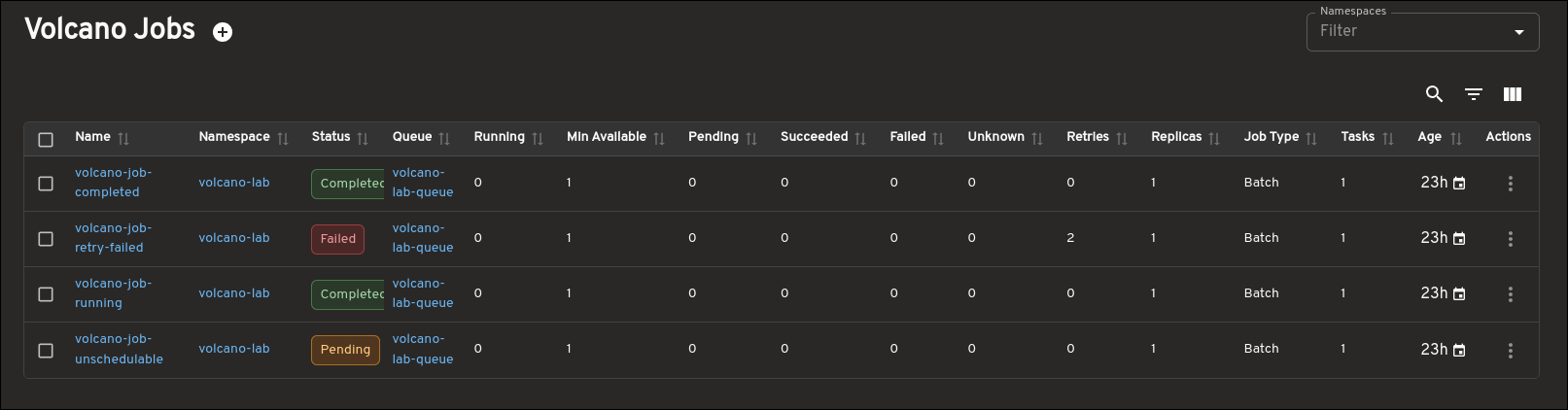
At its core, the plugin surfaces three critical Volcano abstractions:
- Jobs: The primary unit of work, defining the batch tasks and their specific resource footprints.
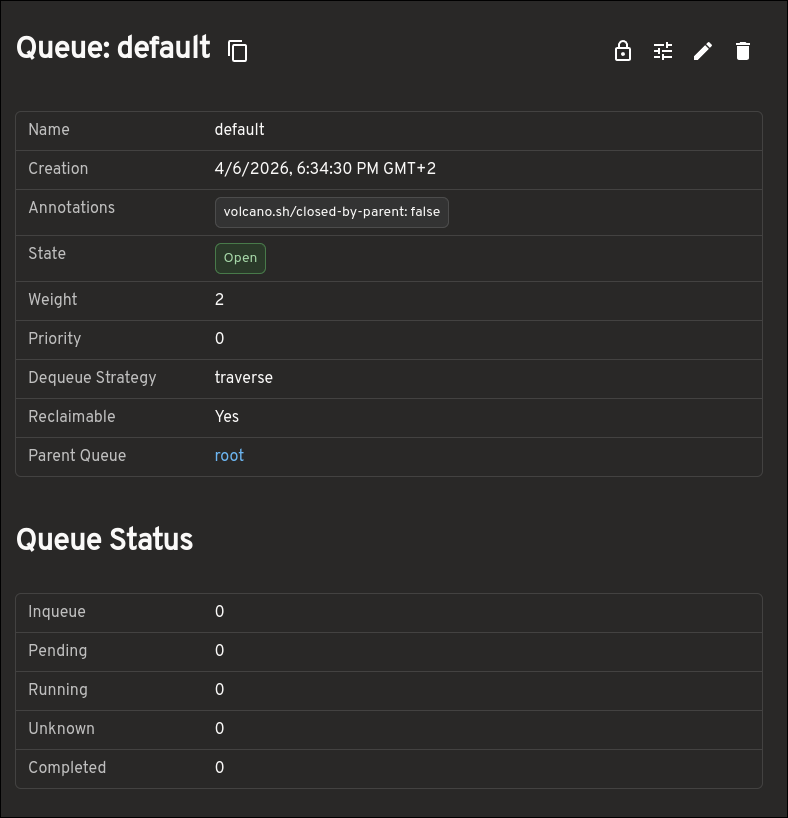
- Queues: The logical containers that enforce resource quotas and priorities across different teams or projects.
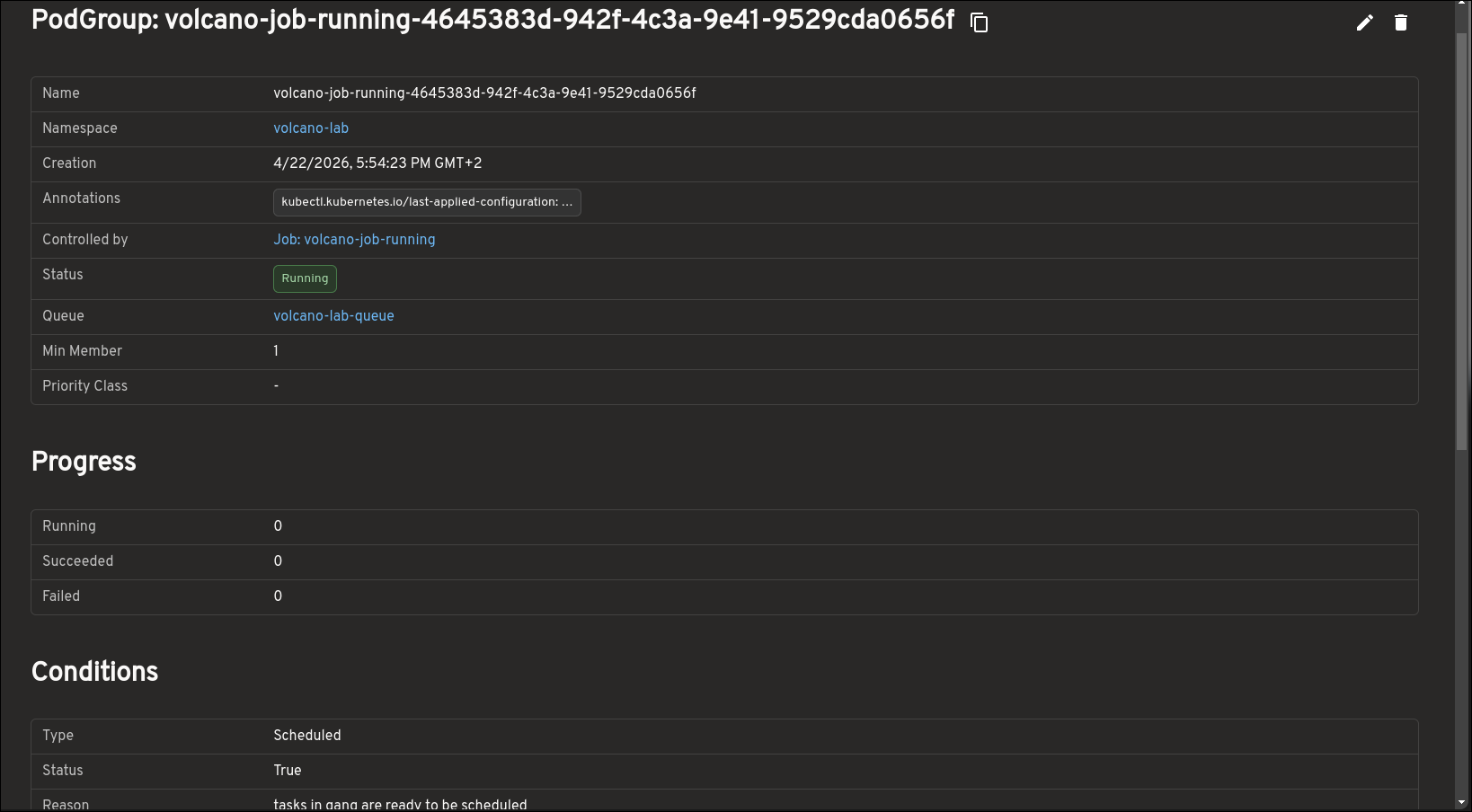
- PodGroups: The mechanism for "gang scheduling," ensuring that a cluster of pods starts simultaneously to prevent partial-execution deadlocks.
By unifying these resources into a single web-based interface, developers no longer need to manually correlate kubectl outputs to understand why a specific AI training job is stalled or failing.
Chronology: The Evolution of Batch Visibility
The path to this integration reflects the broader maturing of the Kubernetes batch ecosystem.
- Early 2020s: Kubernetes adoption for AI/ML began to skyrocket. Engineers quickly realized that the native default scheduler was insufficient for gang scheduling—a requirement where all nodes in a distributed training job must be ready before the job starts.
- 2023–2025: Volcano gained widespread industry adoption. As organizations scaled their clusters to thousands of nodes, the lack of visual tools became a bottleneck. "Observability" was limited to text-heavy logs or fragmented dashboards.
- Early 2026: The Headlamp community, recognizing the need for better extensibility, prioritized a plugin system that allowed third-party tools to inject their own resource views into the UI.
- June 25, 2026: The official release of the Volcano plugin. This launch represents the culmination of months of development aimed at synthesizing complex scheduling logic into actionable visual insights.
Supporting Data: Why Visual Context Matters
The necessity for this plugin is backed by the operational realities of modern clusters. In a typical production environment, a single batch job might trigger hundreds of pods. When a "gang" fails to schedule, debugging via CLI requires a tedious chain of commands:
- Query the Job to find the failing status.
- Identify the associated PodGroup.
- Check the Queue to see if quotas are being exceeded.
- Inspect individual Pods to identify node-level resource contention.
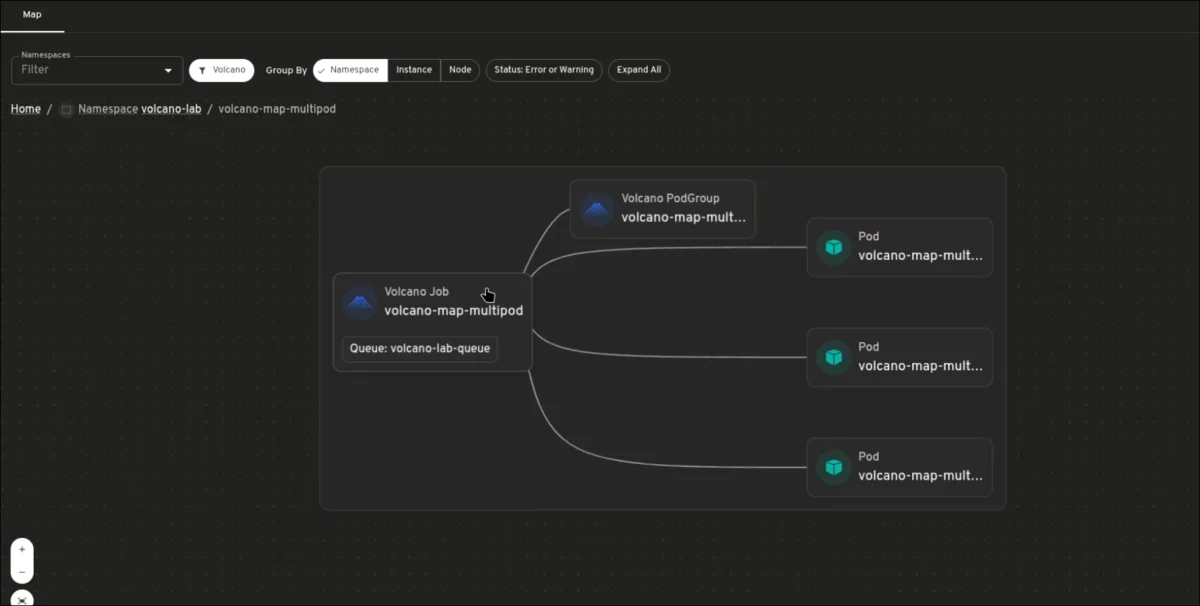
Data from the Headlamp development team suggests that engineers spend upwards of 60% of their troubleshooting time simply navigating between these related resources. The Volcano plugin eliminates this by providing a "Map View," which visually links these objects. When a job is in a "Pending" state, the map highlights the specific blocker—whether it is a resource quota limit in the Queue or an unsatisfied scheduling requirement in the PodGroup—reducing the "Time to Resolution" (TTR) by an estimated 40–50% for complex scheduling failures.
Official Perspective: Simplifying the Workflow
The development of this plugin was driven by a core philosophy: Context is king. According to the maintainers, the plugin is not intended to replace kubectl or the native Volcano CLI, both of which remain essential for automation and scripting. Rather, it serves as the "interactive lens" through which operators understand the state of the cluster.
"Our goal was to bridge the gap between high-level scheduling policy and low-level runtime status," says Mahmoud Magdy, the lead developer of the plugin. "When you have a batch job waiting for resources, you shouldn’t have to mentally reconstruct the relationship between the Queue, the PodGroup, and the pods. The UI should do that for you."
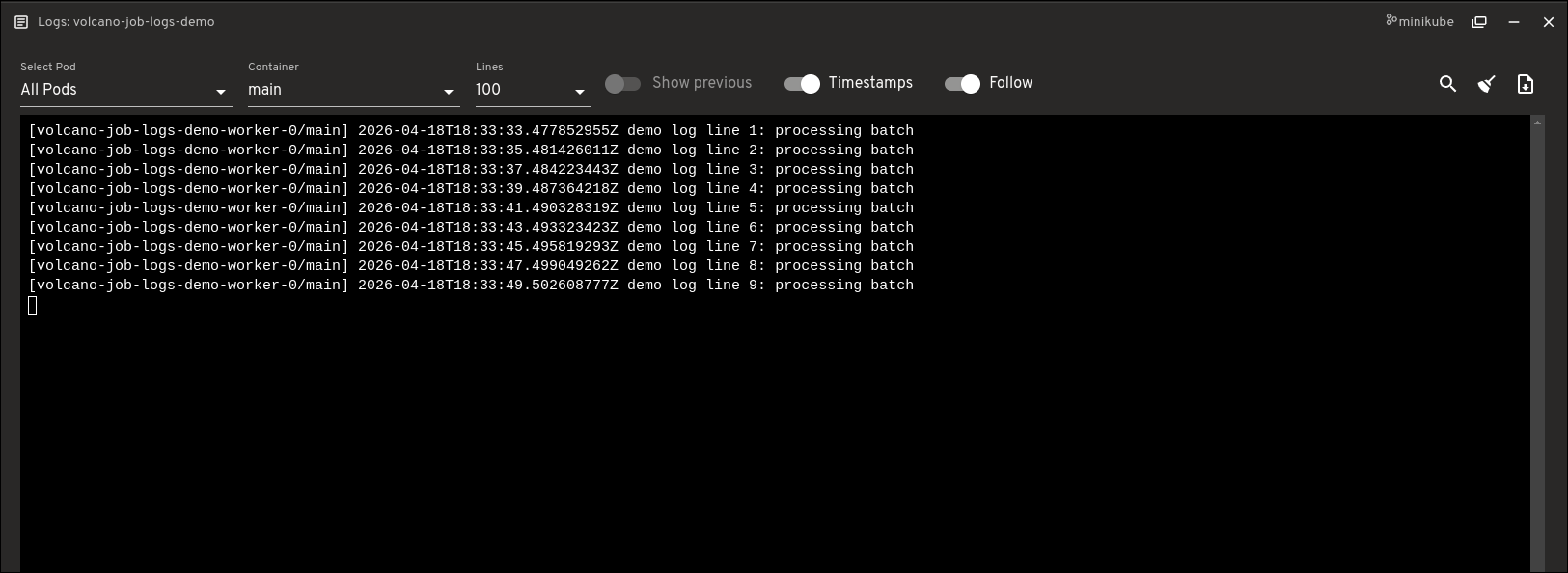
By allowing users to suspend and resume jobs directly from the interface, and by providing a dedicated log viewer that supports container selection across multiple pods, the plugin elevates Headlamp from a generic dashboard to a domain-specific tool for HPC and AI/ML engineers.
Implications: The Future of Batch Operations
The release of the Volcano plugin carries significant implications for the cloud-native industry:
1. Democratization of Batch Scheduling
Previously, managing Volcano required a deep, specialized knowledge of its CRDs. With this visual interface, junior engineers or data scientists—who may be more comfortable with a GUI than a CLI—can now manage their own training jobs. This reduces the burden on SRE and Platform Engineering teams, who often find themselves acting as "human bridges" between AI developers and cluster resources.
2. Enhanced Resource Efficiency
Queues are the heartbeat of multi-tenant clusters. By providing a detailed view of "deserved" versus "allocated" resources, the plugin allows platform admins to see exactly where capacity is being wasted. This transparency encourages better resource planning, as teams can clearly see the impact of their priority settings on the rest of the organization.
3. A Blueprint for Future Extensions
The success of this plugin demonstrates the strength of the Headlamp ecosystem. It sets a precedent for other CNCF projects to develop "Headlamp-first" plugins. If other schedulers or workload-specific tools follow suit, we may soon see a standard, unified UI for the entire cloud-native stack.
Looking Ahead: What’s Next for Volcano and Headlamp
While the current version covers the essentials of Jobs, Queues, and PodGroups, the roadmap is ambitious. Potential future enhancements include:
- Prometheus Integration: Embedding historical metrics (CPU/Memory usage over time) directly into the Job detail page to help identify under-provisioned resources.
- Advanced Scheduling Insights: A "Why is this pending?" feature that provides human-readable explanations for scheduling delays (e.g., "Node affinity mismatch" or "Insufficient GPU quota").
- Workflow-Oriented Visibility: Enabling the tracking of multi-stage pipelines where one Job triggers another, providing an end-to-end view of data processing workflows.
For organizations already using Volcano, the plugin is a transformative addition that turns a complex, invisible scheduling process into a transparent, manageable one. As AI and batch workloads continue to dominate the Kubernetes landscape, these visual tools will become the standard for maintaining cluster health.
Getting Started:
Developers interested in testing the plugin can find it in the Headlamp Plugin Catalog. Users are encouraged to participate in the ongoing development by submitting feature requests or reporting bugs through the Headlamp plugins repository on GitHub. Your feedback is the primary driver for the next iteration of batch visibility.