California’s Life Sciences Sector: Resilience Amidst a Protracted "Biotech Winter"
Executive Summary: A Powerhouse at a Crossroads
California remains the undisputed global epicenter for biotechnology and life sciences innovation, yet the sector is currently navigating its most challenging period in recent memory. According to the latest comprehensive data released by BIOCOM California, the industry generated an staggering $394 billion in economic output in 2025. Despite this immense fiscal footprint, the state’s top-tier biopharma clusters—San Francisco, San Diego, and the Los Angeles/Orange County region—all recorded net losses in employment over the past year.
As industry leaders and policymakers gather at the BIO International Convention, the consensus is clear: while the foundational infrastructure of California’s life sciences ecosystem remains robust, the "biotech winter"—a combination of post-pandemic correction, federal policy instability, and shifting global geopolitical tensions—is forcing a period of painful but necessary recalibration.
Chronology of the Decline: From Pandemic Surge to Market Correction
To understand the current state of the industry, one must look at the meteoric rise and subsequent cooling of the sector. The early 2020s saw an unprecedented influx of capital and a hiring frenzy that defied traditional economic cycles, fueled by the global imperative to combat the COVID-19 pandemic.
However, by 2022 and 2023, the market began a significant correction. The "run-up" in real estate development, lab construction, and aggressive recruitment resulted in an overextended landscape that was ill-prepared for the tightening of interest rates and the cooling of venture capital markets.
- 2020–2021: Unprecedented capital inflow and rapid expansion of laboratory footprints.
- 2022–2023: Initial market correction; hiring plateaus.
- 2024: A year of structural adjustment; the beginning of the "biotech winter" as federal policy instability begins to weigh on investor sentiment.
- 2025: A year of consolidation. While economic output remains high, job losses hit all three major California hubs, signaling that the industry is still digesting the excesses of the pandemic era.
Supporting Data: The Anatomy of Job Losses
BIOCOM California’s data paints a granular picture of where the sector is hurting. Collectively, the San Francisco Bay Area and San Diego accounted for 88% of the state’s life science job losses last year.
The Regional Breakdown
- San Francisco Bay Area: Long the crown jewel of global biotech, the region saw its workforce contract by 2.7%, ending the year with 137,779 jobs. The decline was largely driven by a reduction in scientific research tools, biotechnology, and traditional biopharma roles.
- San Diego: Once a bastion of consistent growth, San Diego slipped to sixth place in national biopharma rankings. It shed 2.55% of its workforce, finishing at 61,866 jobs. The losses were concentrated in R&D within the physical and life sciences, as well as in the manufacturing of electrotherapeutic apparatus.
- Los Angeles & Orange County: The greater LA area saw a modest 0.5% contraction, totaling 143,153 jobs, with significant dips in drug wholesaling. Orange County, similarly, saw a 0.5% decline to 57,213 jobs, though it notably bucked the trend with growth in specific biotechnology and research testing sub-sectors.
Manufacturing: The Future Engine
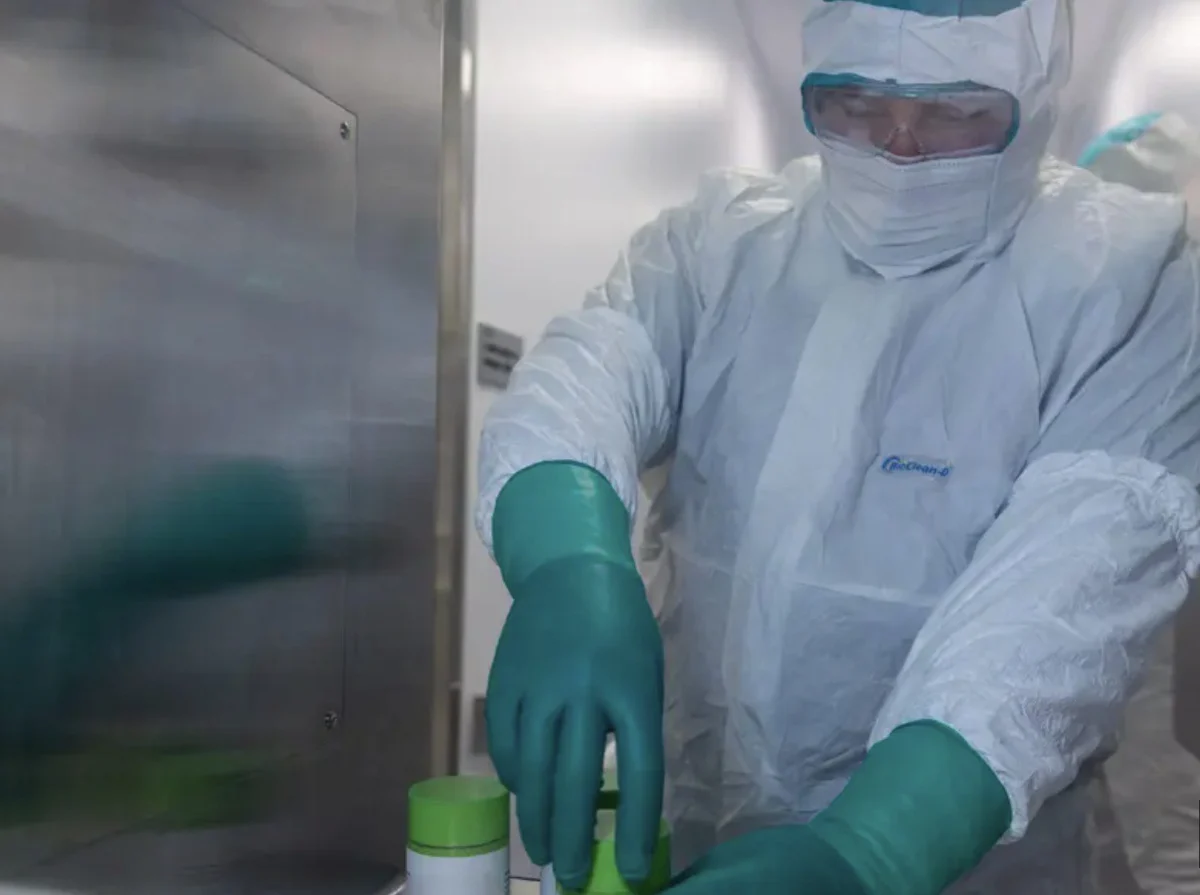
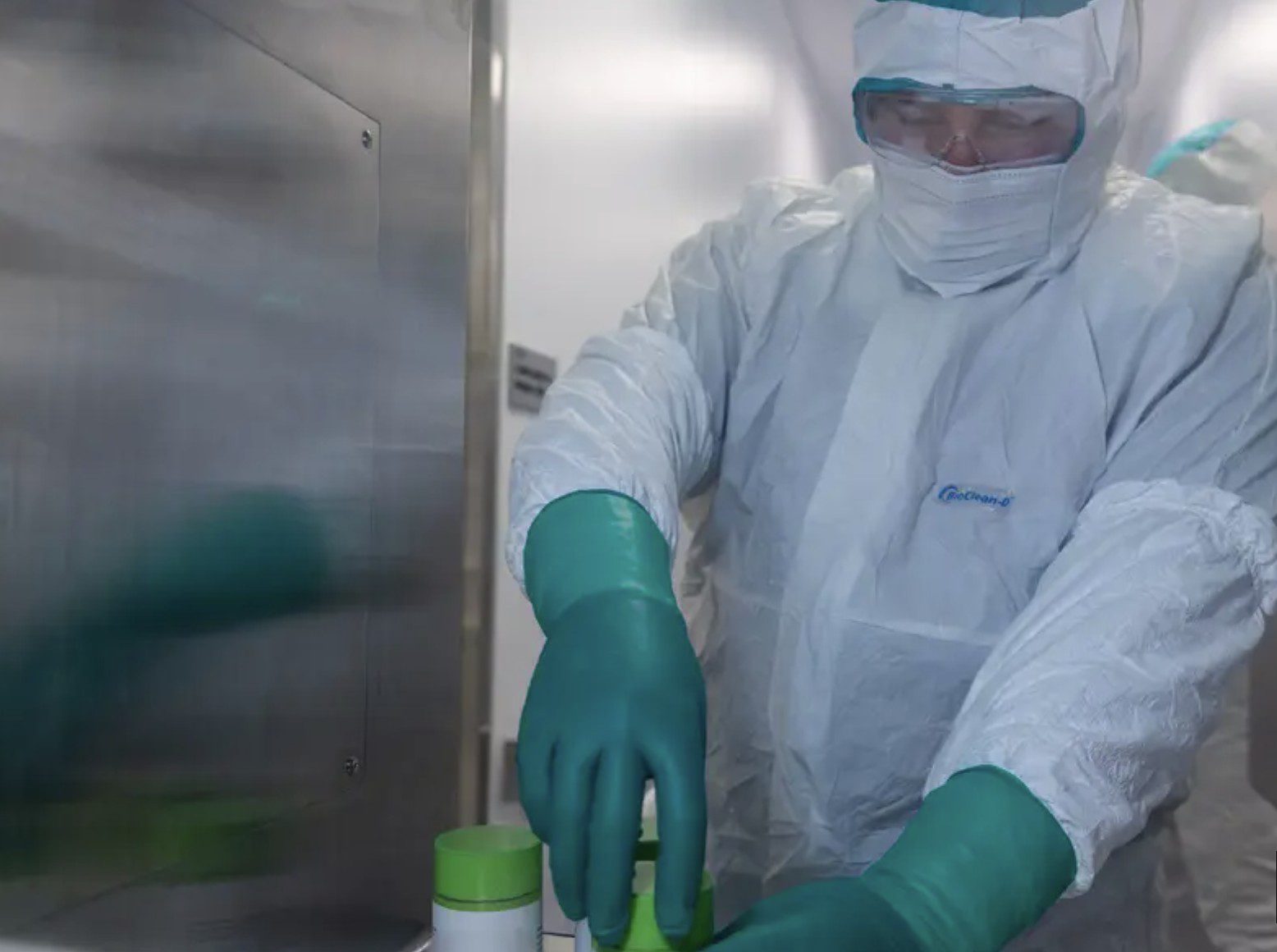
Despite the contraction, life science manufacturing remains a critical pillar, accounting for 35.3% of all industry jobs. While sector employment fell by 2.1% overall, there is a clear trend toward "reshoring." Companies like Gilead Sciences are investing billions into new, large-scale domestic facilities, and Novartis recently inaugurated a 10,000-square-foot radioligand therapy (RLT) facility in Carlsbad. These projects represent long-term bets on California’s manufacturing future, even if current hiring levels have yet to reflect the capital expenditure.
Official Perspectives: Navigating the "Biotech Winter"
Tim Scott, President and CEO of BIOCOM California, offered a candid assessment of the current environment during the BIO International Convention.
"California, like the rest of the nation, is still processing the aftermath of the pandemic," Scott explained. "We saw a massive run-up in investment and space, followed by a significant drop-off. Now, we are contending with a ‘biotech winter’ that is being exacerbated by instability at the federal level."
Scott specifically pointed to a "policy cocktail" that has caused investors to press the pause button:
- NIH Funding Stagnation: While total funding remained flat at $5.23 billion, the actual number of NIH awards plummeted by 8.5%, indicating that fewer, larger grants are being issued at the expense of smaller, emerging research projects.
- SBIR/STTR Delays: The hesitation in re-authorizing crucial seed funding programs has starved early-stage companies of the oxygen they need to survive the "valley of death" between bench research and clinical trials.
- Drug Pricing Frameworks: The "most favored nation" pricing model, while intended to lower consumer costs, has created an environment of uncertainty for long-term R&D investment.
Implications: Geopolitics and State Policy
The life sciences industry is now staring down two major legislative threats that could fundamentally alter the attractiveness of California as a global hub.
The Federal Front: The China Nexus
The introduction of the Biotech Investment National Security Act (BINSA) marks a significant shift in how Washington views the industry. The proposed legislation seeks to subject pharmaceutical licensing deals and joint ventures with Chinese entities to rigorous Treasury Department scrutiny.
The industry is caught in a delicate balance. As Scott noted, "We are trying to find the equilibrium between protecting American intellectual property and maintaining the global collaboration necessary for scientific breakthroughs." For a California entrepreneur, the ability to source resources globally is paramount; for a Washington legislator, national security and supply chain independence are the priorities. This tension could lead to a decoupling of U.S.-China biotech ties, creating significant logistical and financial hurdles for companies currently integrated into that ecosystem.
The Sacramento Front: The R&D Tax Credit Crisis
Perhaps the most immediate domestic threat is Governor Gavin Newsom’s proposal to permanently cap business tax credits. The proposal, which would limit corporate taxpayers to claiming $5 million or 50% of their pre-credit tax liability, is intended to raise revenue—estimated at up to $1.8 billion annually by 2030.
However, industry analysts warn that this would disproportionately harm the life sciences sector. Because R&D tax credits are the primary mechanism through which biopharma companies offset the extreme costs of clinical development, capping these credits acts as a direct tax on innovation.
"The R&D tax credit has been a foundational tool for engaging pharma and encouraging investment in California," Scott asserted. "Without it, the state becomes a less competitive environment for companies that are already choosing between global locations."
Conclusion: A Resilient Ecosystem
Despite the negative employment data and the clouds of legislative uncertainty, California remains the world’s most potent engine of medical discovery. With $394 billion in economic output, the sector remains the state’s second-largest industry. The transition from a "growth-at-all-costs" model to a more sustainable, manufacturing-heavy, and policy-resilient model will likely define the next half-decade.
The industry is clearly in a period of transition. While the "biotech winter" has forced the shedding of excess labor and capital, the investments in infrastructure—such as the new manufacturing facilities in Carlsbad and the ongoing efforts in the Bay Area—suggest that the core mission of the industry is as strong as ever. Whether California can maintain its competitive edge will depend on how successfully it navigates the delicate interplay between federal security concerns and the need for a business-friendly environment that rewards, rather than penalizes, the high-risk, high-reward nature of modern medicine.