
From Post-Market to Nura: The Evolution of a Linux Mobile Pioneer
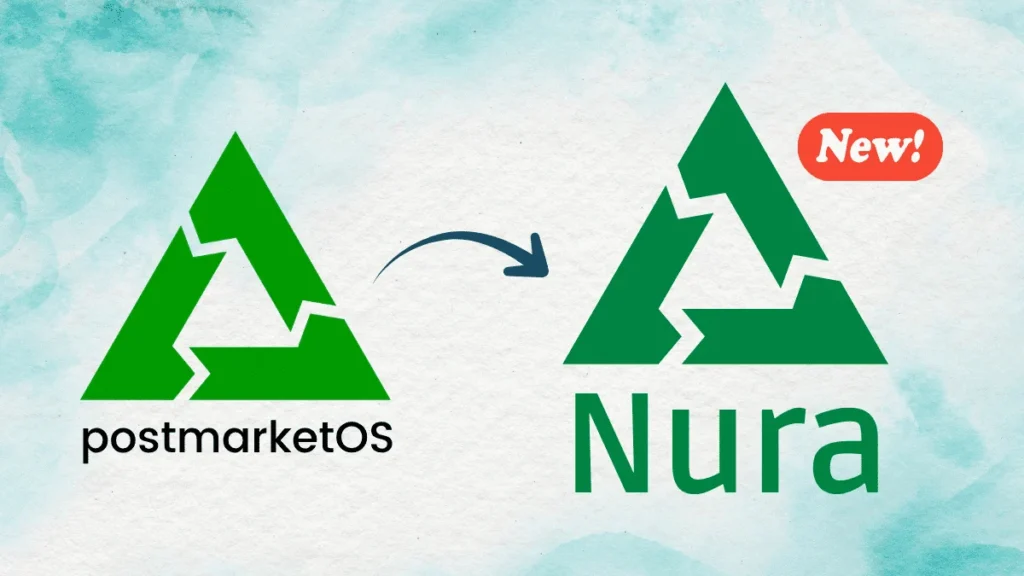
In the rapidly shifting landscape of mobile computing, few projects have captured the imagination of the open-source community as effectively as the Linux-based operating system once known as postmarketOS. For years, it served as the go-to solution for enthusiasts looking to breathe new life into aging smartphones, effectively fighting planned obsolescence one handset at a time. However, as the project matured from a niche hobbyist tool into a serious contender in the Linux mobile ecosystem, it outgrew its original identity.
In a landmark announcement at the project’s recent conference, the community revealed its official rebranding: the operating system is now known as Nura. This transition marks the conclusion of an exhaustive, year-long process to redefine the project’s identity, secure its legal future, and align its name with a broader, more sustainable vision for the future of mobile hardware.
The Genesis of a New Identity: A Chronology
The seeds for this transition were sown long before the formal announcement. The rebranding effort was not a sudden decision, but a deliberate response to the challenges of scaling an open-source project.
- March 2025: The project leadership initiated a public call for submissions to find a new name, acknowledging that the term "postmarketOS" was becoming a hurdle to professional growth.
- Spring/Summer 2025: A community-wide brainstorming phase saw over 300 unique names submitted by enthusiasts, developers, and long-term users.
- Late 2025 – Early 2026: A specialized selection committee—comprising Pablo C. Gómez, Pan Ortiz, Ranny Bergamotte, and Sriram Ramkrishna—was formed to filter the candidates. The process involved rigorous linguistic vetting to ensure the name was not only memorable but culturally neutral and free of offensive connotations across global languages.
- September 2026: After narrowing the field to four finalists, the team reached a consensus. The name "Nura" was selected, and the rebranding was officially ratified and unveiled to the public.
Why "postmarketOS" Had to Go
To understand the necessity of this shift, one must analyze the inherent limitations of the previous name. While "postmarketOS" perfectly described the initial mission—reviving devices that had reached the end of their official manufacturer support—it became a liability as the project evolved.
Linguistic and Technical Friction
The original name was notoriously difficult to brand. It was long, clunky, and suffered from inconsistent casing. Whether it was written as "PostmarketOS," "postmarketos," or "post-market OS," the lack of a standardized, intuitive format created confusion for new users and hindered the project’s professional appearance.
The Problem of Scope and Trademarking
Perhaps the most significant driver for the change was legal scalability. "Postmarket" is a descriptive term, making it nearly impossible to trademark effectively. As hardware manufacturers like PINE64 began shipping devices with the OS pre-installed, the project required a distinct, protectable brand identity. Without a unique trademark, the team lacked the legal standing to prevent third parties from misrepresenting the software or creating brand confusion. By moving to "Nura," the team has already initiated a robust trademark filing process, signaling to the industry that this is a mature, professional-grade project.

Defining Nura: Symbolism and Longevity
The name "Nura" is a derivative of "Nuraghe," the iconic, ancient granite structures found throughout Sardinia, Italy. Dating back as far as 3000 BC, these dry-stone monuments have withstood the test of time, remaining standing long after the civilization that built them has faded into history.
For the development team, this is more than just an aesthetic choice; it is a philosophy. The project’s goal is to ensure that mobile devices remain functional, secure, and useful for a decade or more. Just as the Nuraghe have survived for millennia, the software ecosystem aims to combat the "throw-away" culture of modern tech, where a two-year-old phone is often treated as obsolete.
Furthermore, the choice of the .eco domain is a strategic commitment. By opting for this domain extension, the project aligns itself with organizations dedicated to positive environmental change. Unlike standard domains, .eco comes with strict, enforceable policies against greenwashing, requiring registrants to prove their commitment to sustainability.
Supporting Data and Technical Status
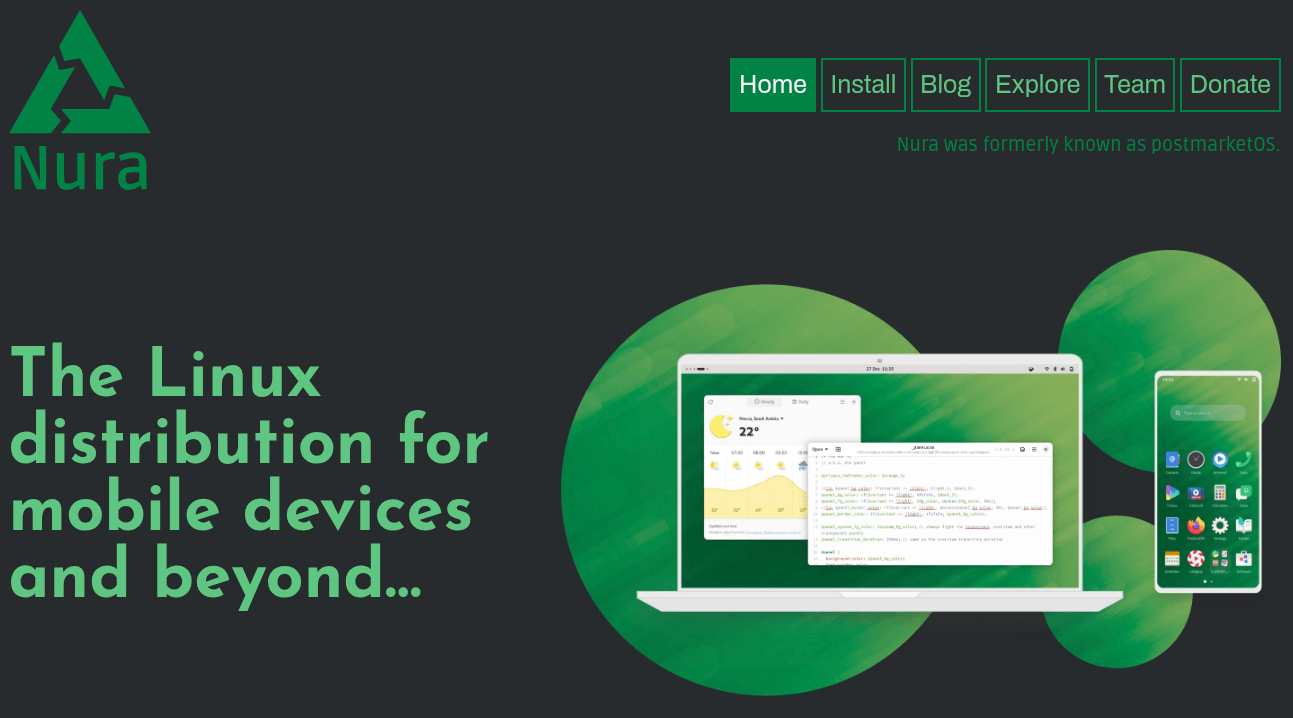
Nura enters this new era with a refined focus. The project’s current release, v26.06, serves as a testament to the stability and progress made by the developers. The project maintains a highly transparent, community-driven development model, where contributions in the form of testing, documentation, and code are the primary drivers of growth.
Target Hardware and Entry Points
For those looking to transition into the Linux-on-mobile ecosystem, the project continues to emphasize the importance of choosing the right hardware. Currently, the most accessible entry points include:
- Snapdragon 845 Devices: Widely considered the "gold standard" for Linux mobile development due to the relative ease of porting and kernel support.
- Snapdragon 410/412 Platforms: Excellent for entry-level experimentation.
- Flagship Linux Hardware: The Fairphone 4, PINE64 PinePhone and PinePhone Pro, and the Purism Librem 5 remain the pillars of the supported device list, offering users a more native, integrated experience.
The official Nura portal provides a real-time status tracker, offering a blunt, honest assessment of what works and what is currently in development. This "no-nonsense" approach to documentation is intended to attract contributors who are willing to learn the intricacies of the platform rather than those expecting a "plug-and-play" consumer experience.

Implications for the Linux Mobile Ecosystem
The shift from postmarketOS to Nura is a bellwether for the Linux mobile movement. It suggests that these projects are no longer just experiments for hobbyists; they are becoming serious, sustainable alternatives to the Android and iOS duopoly.
Professionalization of Open Source
By securing a trademark and adopting a cleaner, more professional brand identity, Nura is positioning itself to collaborate more effectively with hardware partners. Manufacturers are more likely to support a platform with a clear, defensible identity than a loosely defined community project. This could lead to better driver support, more official device partnerships, and a larger footprint in the market.
Sustainability as a Product Feature
As the global tech industry faces increasing pressure to address electronic waste, Nura’s commitment to "long-term viability" positions it at the forefront of the right-to-repair movement. By proving that a modern, secure, and usable smartphone experience can be maintained on hardware that would otherwise be discarded, Nura provides a blueprint for a more circular economy in consumer electronics.
Final Thoughts: The Path Forward
The transition to Nura is a bold step, but it is one that was necessary for the project to survive and thrive. It acknowledges that to change the world of mobile computing, the project must itself be willing to adapt.
As the project moves into the latter half of the decade, the community is focused on lowering the barrier to entry, improving power management, and expanding the library of available applications. While the name on the box may have changed, the spirit of the project—empowering users to take control of their hardware and reject planned obsolescence—remains as steadfast as the ancient Nuraghe that inspired its new name.
For the thousands of users who have relied on the project over the last several years, the change serves as a reminder that the most powerful tool in the fight for digital freedom is the willingness to evolve, to learn, and to build for the long term. Whether you are a developer looking to push the boundaries of mobile Linux or an everyday user trying to keep your OnePlus 6 running for another five years, Nura is now the banner under which the movement continues.








