High-Tech Laser Fault Injection and the Ongoing Battle to Secure the Raspberry Pi RP2350 Microcontroller
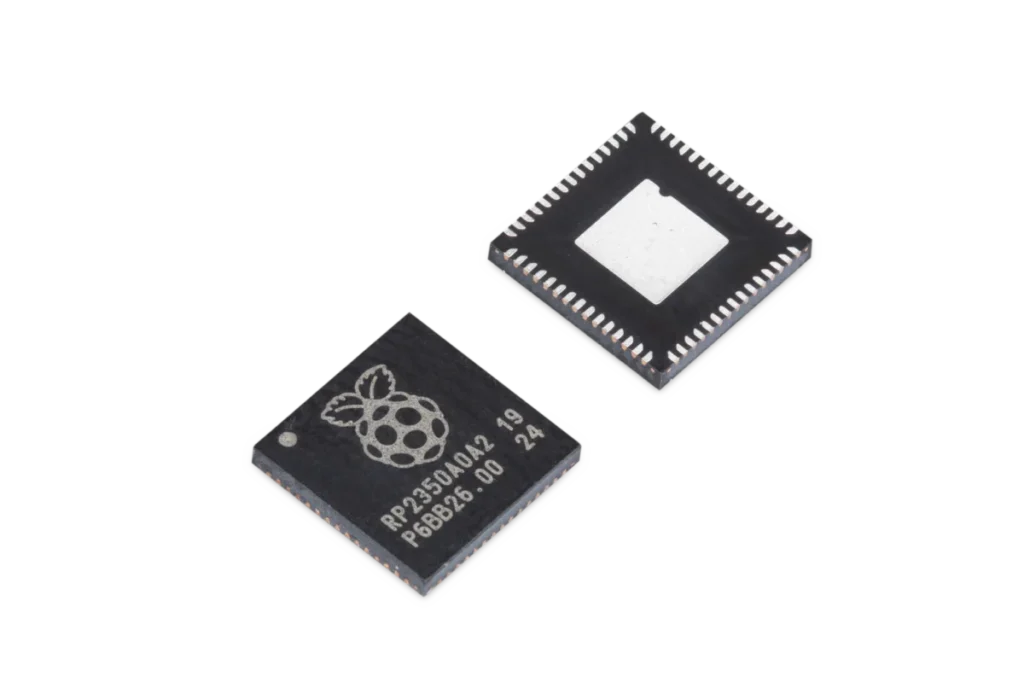
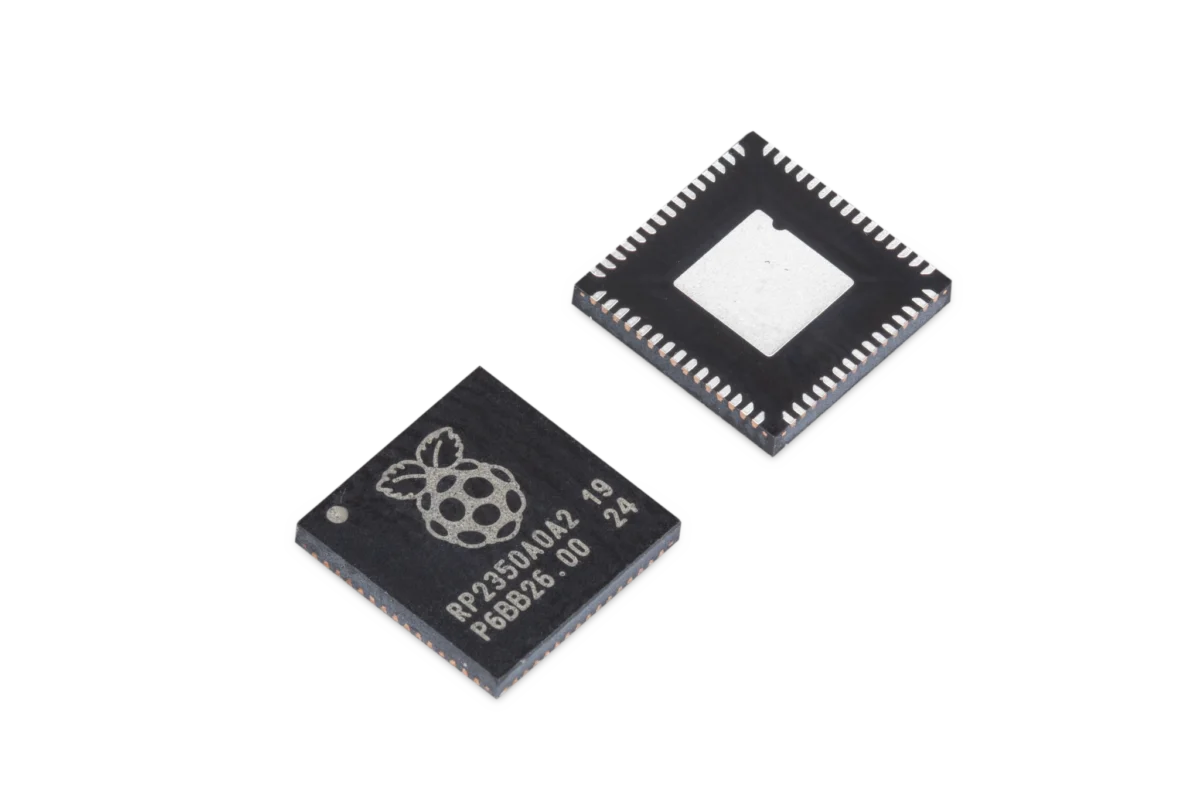
In the fast-evolving landscape of modern silicon design, hardware security is no longer an afterthought—it is a foundational pillar. When Raspberry Pi introduced the RP2350 secure microcontroller in August 2024, the organization took an unusually transparent and bold approach to proving its defensive capabilities. Instead of relying purely on internal audits, the company launched a series of high-profile public Hacking Challenges, inviting the global security research community to try and break the chip’s robust security architecture.
What followed was a fascinating cat-and-mouse game between elite hardware hackers and Raspberry Pi’s engineering teams. The initiative yielded invaluable insights, drove crucial hardware and software revisions, and recently culminated in a sophisticated, professionally coordinated disclosure by Ledger Donjon. This latest research underscores the immense challenges, staggering costs, and remarkable ingenuity required to bypass physical silicon protections in modern microcontrollers.
Main Facts
The core narrative centers on a recently disclosed security vulnerability discovered by Ledger Donjon—the specialized security evaluation laboratory of hardware wallet manufacturer Ledger. Through advanced laser fault injection (LFI) techniques, the research team successfully bypassed the security measures of the RP2350-A4 chip, re-enabling the locked debug interface and permitting the reading of One-Time Programmable (OTP) memory.
However, executing this exploit is far from trivial. Replicating the attack requires a heavily equipped laboratory featuring specialized microscopy and high-precision infrared laser equipment valued at approximately $250,000. By utilizing a highly focused infrared laser beam, the researchers induced localized photoelectric effects within precise regions of the silicon die, altering specific register contents to unlock restricted debug access.
Despite the elegance and effectiveness of the attack, Raspberry Pi has confirmed that these findings do not warrant a costly physical redesign (respin) of the chip. This decision separates the theoretical vulnerability from a practical, widespread threat vector, given the extreme financial and technical barriers required to execute the exploit.
Chronology of Events
To fully understand how the RP2350’s security has evolved, it is necessary to trace the timeline of its development, release, and subsequent security evaluations:
- August 2024: Raspberry Pi officially launches the RP2350 secure microcontroller. Alongside the product launch, the company initiates its first Hacking Challenge, offering substantial bounties to researchers who can successfully defeat the chip’s built-in security features.
- Late 2024: The first Hacking Challenge sees multiple successful breaks by independent security researchers. Among them is a hacker known as "Courk," who successfully employs a homebrew infrared laser setup to glitch the earlier A2 stepping of the RP2350.
- Post-Challenge Respin: Armed with data from the initial hacking challenge, Raspberry Pi respin the RP2350 silicon to patch the vulnerabilities discovered during the event. Additionally, they implement a revised boot ROM designed to mitigate faults like the one demonstrated by Courk, leading to the current A4 die revision.
- Early 2025 (Disclosure Window): The security researchers at Ledger Donjon complete an independent research project targeting the RP2350-A4. Utilizing professional-grade fault injection equipment, they discover a new pathway to re-enable the debug interface and contact Raspberry Pi with their findings through responsible disclosure channels.
- Current Phase: Raspberry Pi reviews the Ledger Donjon findings, publicly praises the team’s professionalism, and concludes that no new silicon respin is required. Meanwhile, Raspberry Pi’s second Hacking Challenge—focusing on side-channel analysis (SCA)—nears its final stretch after multiple deadline extensions.
Supporting Data and Technical Breakdown
The breakthrough achieved by Ledger Donjon relies on a technique known as Laser Fault Injection (LFI), a sophisticated form of active physical attack. Unlike software exploits that manipulate logic flaws remotely, LFI requires physical access to the silicon die and an extraordinary level of precision.
The Anatomy of a Laser Fault
When an integrated circuit operates, transistors switch states by moving electrons. By targeting a localized area of the silicon substrate with an infrared laser pulse, researchers can transiently alter the electrical characteristics of specific transistors or logic gates. This can cause a targeted flip in register values, effectively corrupting data mid-computation or bypassing security checks.
In the case of the RP2350, the Ledger Donjon team mapped out the specific architectural components governing the secure boot and debug locks. By shining a finely tuned infrared laser onto these exact coordinates at a precise millisecond during execution, they induced a fault that tricked the microcontroller into lowering its defenses, thereby exposing the debug interface and allowing access to OTP memory areas that are normally sealed.
The Cost of Entry
It is important to contextualize the severity of this vulnerability based on the resources required. While a homebrew researcher like Courk managed to build a rudimentary laser setup during the first hacking challenge to target the earlier A2 stepping, achieving the precision necessary to defeat the hardened A4 stepping required an estimated $250,000 in specialized microscopy and laser hardware.

This financial and technical threshold means that while the vulnerability is academically fascinating and technically impressive, it poses little risk to consumer deployments where an attacker would need millions of dollars in laboratory gear to compromise a single device.
Official Responses and Industry Implications
The response from Raspberry Pi to the Ledger Donjon disclosure has been widely praised within the embedded systems community as a masterclass in handling vulnerability reports. Rather than growing defensive or attempting to downplay the research, Raspberry Pi publicly lauded the Donjon team for their "hard work, professionalism, and responsible disclosure."
Why No Respin?
When vulnerabilities are discovered in silicon, manufacturers must weigh the severity of the threat against the immense cost and timeline of a hardware respin. A silicon respin requires redesigning the integrated circuit, manufacturing new photomasks, running extensive validation tests, and delaying supply chains.
Because Ledger Donjon’s attack vector requires quarter-million-dollar laboratory equipment and physical decapsulation of the chip, Raspberry Pi determined that the real-world risk to end-users does not justify a hardware redesign. The security measures built into the RP2350-A4 remain more than adequate for the vast majority of commercial, industrial, and hobbyist applications.
The Precedent Set by "Courk"
This incident also highlights the iterative nature of semiconductor security. The vulnerabilities found in the initial A2 stepping by independent researcher Courk—who utilized a custom-built IR laser setup—were successfully patched in the current A4 die revision via updates to the boot ROM.
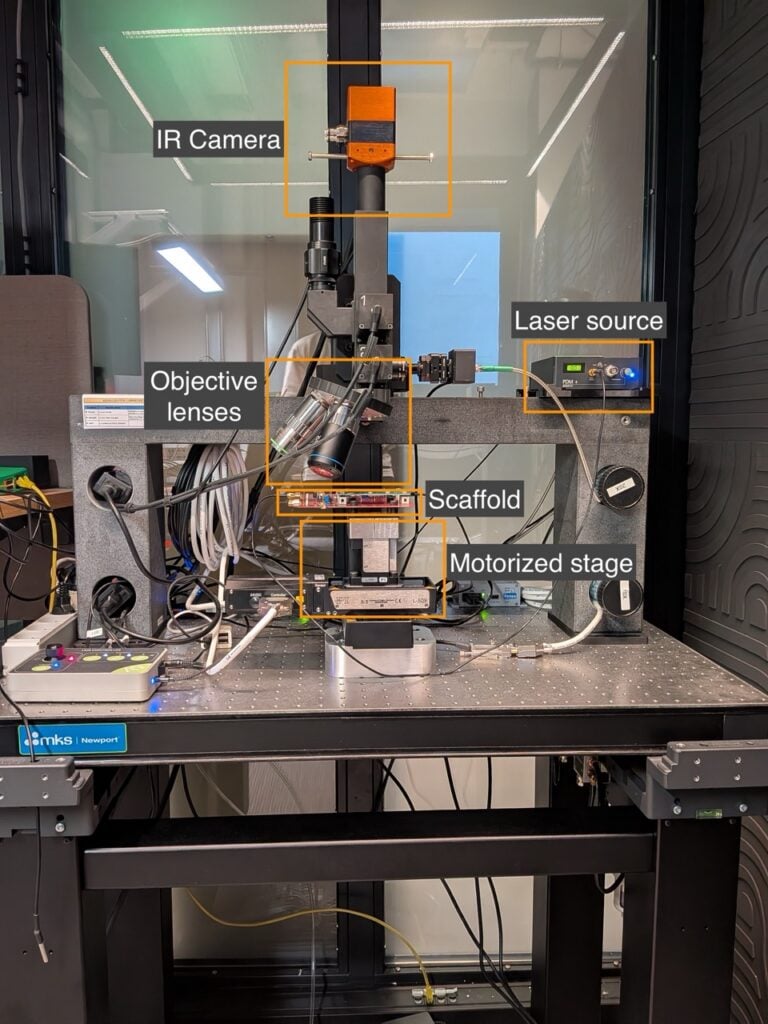
The fact that Ledger Donjon required a vastly more sophisticated and expensive setup to breach the newer A4 stepping proves that Raspberry Pi’s defensive hardening efforts are working. Each iteration of the chip raises the bar higher, forcing attackers to employ increasingly expensive and complex methodologies.
What’s Next: The Second Hacking Challenge
While the physical fault injection chapter of the RP2350’s security lifecycle continues to yield fascinating academic research, attention is now turning toward a completely different vector of attack.
Raspberry Pi’s second Hacking Challenge, hosted on GitHub, shifts focus entirely to Side-Channel Analysis (SCA). Unlike laser fault injection—which actively forces a chip to misbehave—SCA is a passive attack method. It involves monitoring a device’s power consumption, electromagnetic emissions, or acoustic output during cryptographic operations to mathematically deduce sensitive data, such as secret keys.
This second challenge has been running for an extended period, having undergone a couple of deadline extensions as elite security teams struggle to crack the chip’s side-channel protections. As of now, the challenge remains officially unbeaten, though industry whispers suggest that a few persistent research groups are getting remarkably close to a breakthrough.
With the deadline for the second challenge approaching at the end of next month, the security community eagerly awaits the final results. Whatever the outcome, Raspberry Pi’s strategy of open crowdsourced security testing has undoubtedly positioned the RP2350 as one of the most thoroughly vetted and resilient microcontrollers in its class.