Nostalgia in Four Shades: A Retrospective on the GB Pixel Art Jam 2024
The digital landscape is often defined by the relentless pursuit of graphical fidelity—higher resolutions, ray-traced lighting, and hyper-realistic physics. Yet, beneath this veneer of modern excess lies a vibrant, enduring subculture dedicated to the limitations of the past. Nowhere is this more evident than in the recent conclusion of the GB Pixel Art Jam 2024, a community-driven event hosted on itch.io that challenged artists to channel the spirit of Nintendo’s legendary 8-bit handheld.
By forcing creators to adhere to the strict technical constraints of the original Game Boy—specifically its limited 160×144 resolution and its iconic four-shade monochromatic palette—the jam served as a masterclass in creative ingenuity. As the event closes its doors, it leaves behind a treasure trove of artistic achievement, proving that creativity thrives best when the sandbox is small.
The Genesis of Constraints: Main Facts and Event Overview
The GB Pixel Art Jam 2024 was designed as a creative exercise rather than a traditional game development competition. While many itch.io jams focus on coding mechanics or narrative design, this event narrowed its scope to the foundational element of classic gaming: the pixel.
Participants were tasked with creating a single visual piece—be it a character portrait, an environment, or a diorama—that could theoretically exist on a Nintendo Game Boy cartridge. The technical specifications were rigid:
- Resolution: 160×144 pixels.
- Palette: Limited to the classic "pea soup" green or modern grayscale interpretations, utilizing only four distinct shades of luminosity.
- Theme: Open, allowing for diverse interpretations ranging from cozy slice-of-life scenes to dark, atmospheric fantasy.
With 378 unique submissions, the event was a massive success, highlighting a growing appetite for retro-aesthetic preservation in modern digital art. The jam functioned as a testament to the versatility of the Game Boy’s aesthetic, which, despite being over 35 years old, remains a visually compelling medium for contemporary illustrators.
A Timeline of the Jam: From Pixel to ROM
The event followed a structured progression that encouraged both rapid iteration and refined craftsmanship.
Phase 1: The Call to Arms
The jam launched with the goal of bringing together artists who harbor a nostalgic affinity for the 1989 handheld. By utilizing the itch.io Jam infrastructure, organizers provided a centralized hub for creators to upload their work, discuss the technical challenges of working within a four-color limit, and showcase their progress in real-time.
Phase 2: The Creation Period
Over the course of the submission window, the community saw a surge of activity. Artists shared "work-in-progress" shots, exchanging tips on dithering—a technique used to create the illusion of depth or shading with a limited color count—and character design. This collaborative spirit was the heartbeat of the jam, transforming a solitary art project into a communal experience.
Phase 3: The Conclusion and Archive
Following the submission deadline, the organizers announced a final, exciting initiative: the creation of a "compiled ROM." This digital artifact will act as a gallery, allowing users to load the entire collection of 378 submissions onto original Game Boy hardware or modern emulators. This bridge between digital art and physical hardware serves to validate the effort of every participant, cementing their work as part of a tangible, playable library.
Supporting Data: Examining the Artistic Spectrum
The diversity of the 378 submissions provides a compelling look at the contemporary pixel art scene. By analyzing the selections, we can categorize the creative output into distinct artistic archetypes:
1. The Cozy Aesthetic
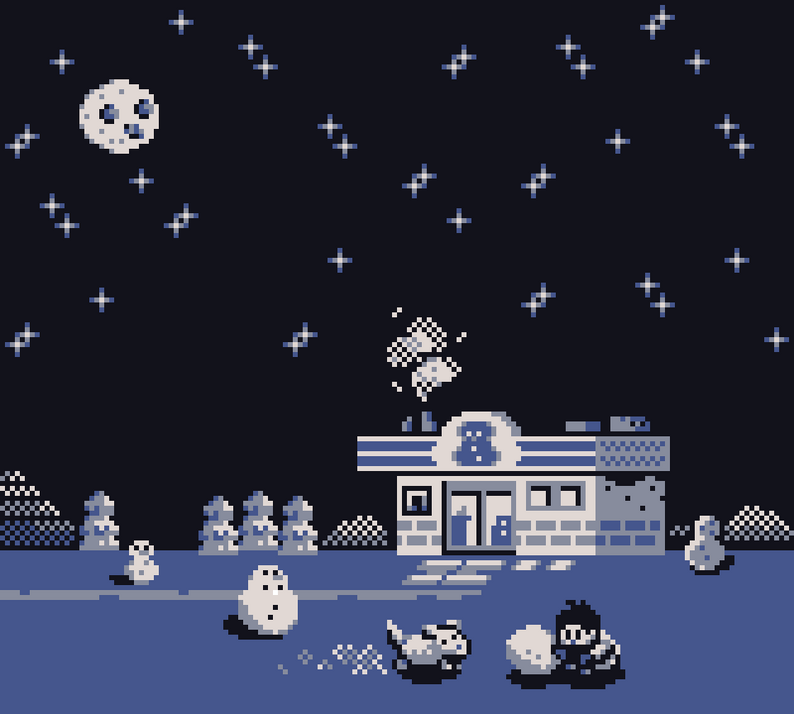
Submissions like Night time at Snowball Conbini by howdy riceball emphasize the "cozy" side of the Game Boy palette. These pieces often focus on domestic scenes or quiet moments, proving that even with limited pixels, artists can convey warmth and personality.
2. The Atmospheric/Narrative Piece
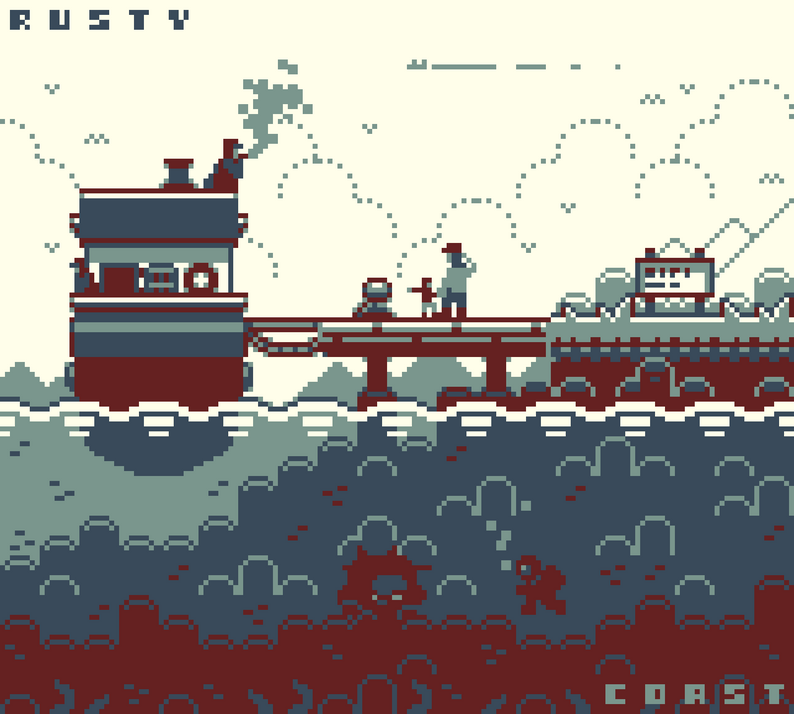
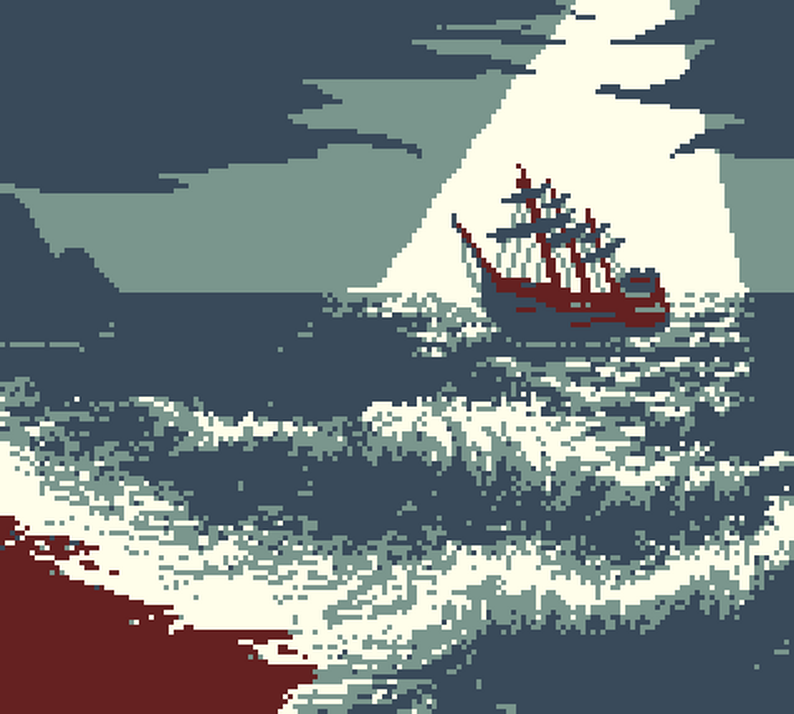
Works such as A Lament for Forgotten Souls by Annagmo and Rusty Coast by Birds Probably lean into the haunting, high-contrast nature of the console. These artists leveraged the limited palette to create high-drama silhouettes and textures that feel like lost scenes from an unreleased horror RPG.
3. Character-Centric Design
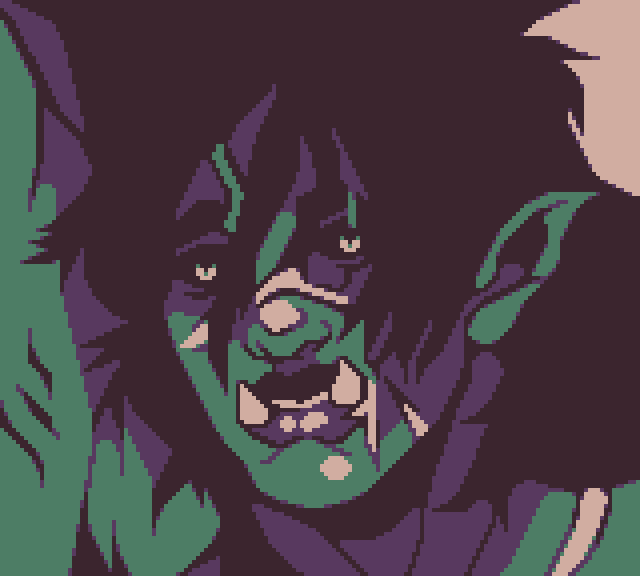
Aren, Orc Warrioress by Rohezk serves as a prime example of effective character design. By focusing on the silhouette and strong line work, the artist highlights how Game Boy-style art relies on readability over detail. In this medium, the "read" of the character—the instant recognition of their shape and role—is paramount.
4. Surrealism and Experimentalism
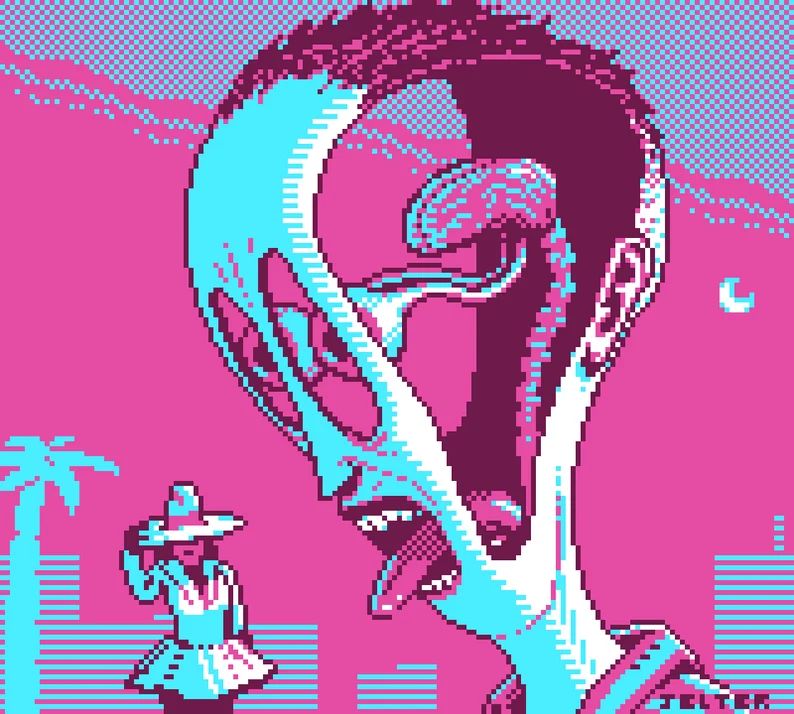
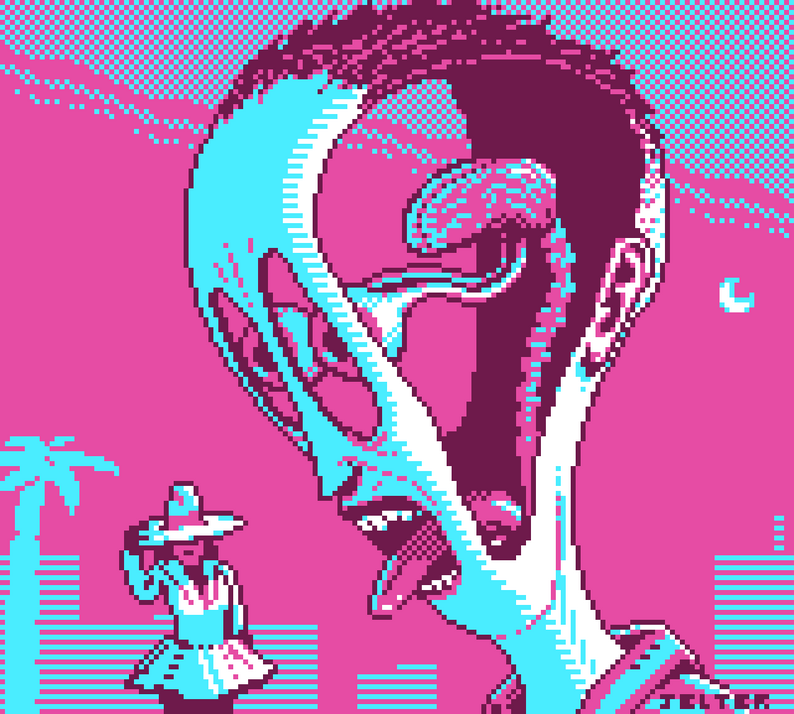
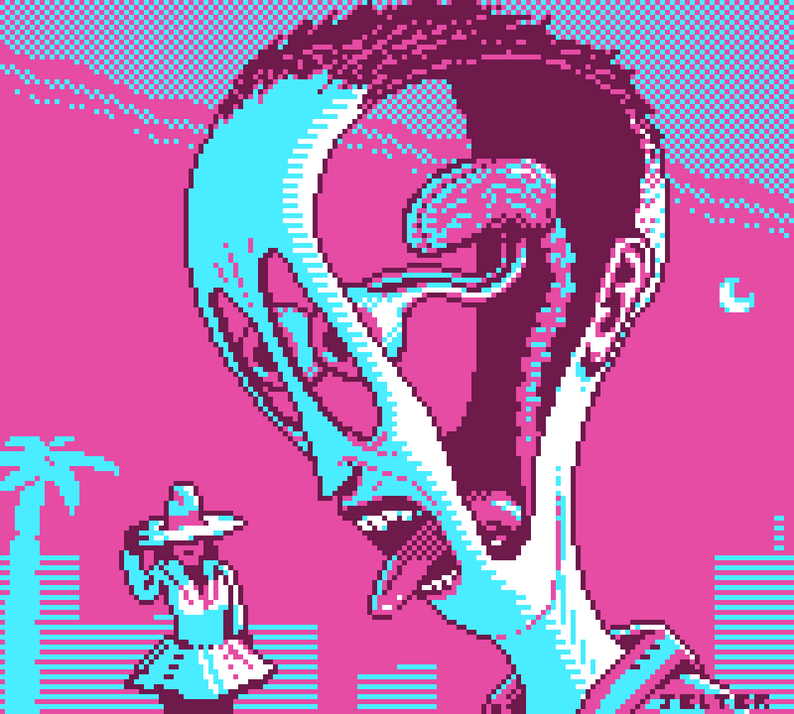
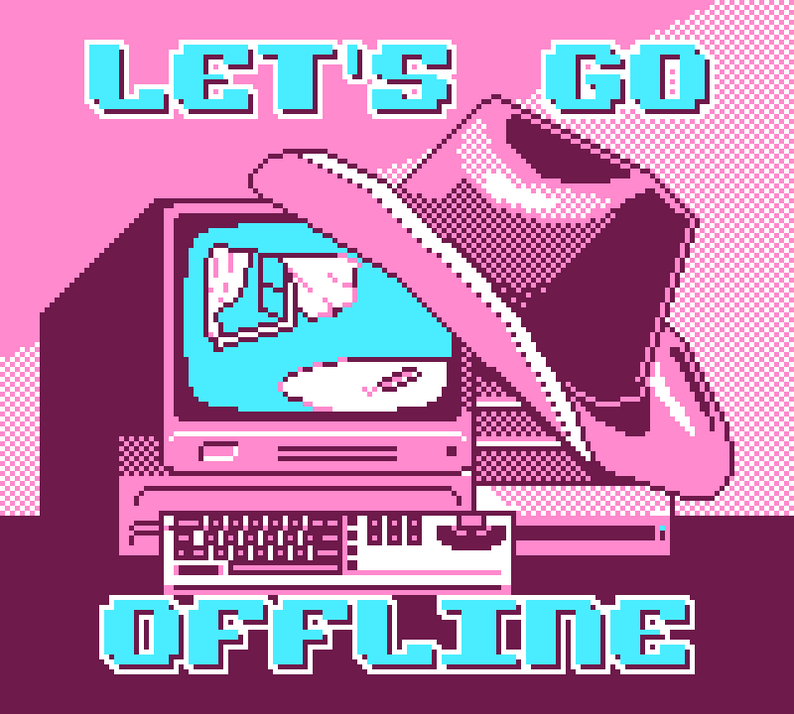
Malibu Dream by BenJelter and Let’s Go Offline by Robert Doman push the boundaries of what is expected from the hardware. These pieces often play with perspective and framing, using the "Game Boy" aesthetic as a stylistic filter for modern concepts rather than a simple act of imitation.
Official Responses and Community Impact
The organizers of the GB Pixel Art Jam 2024 have been vocal about the importance of these events for community building. On the event’s community board, the consensus is clear: the jam is not just about the art, but about the democratization of game development aesthetics.
"We’re always impressed with the wide range of events people have used our Jams feature for," a spokesperson noted during the wrap-up. "But there is something uniquely satisfying about seeing the Game Boy aesthetic flourish. It reminds us that technology changes, but the fundamental principles of art—composition, light, and shape—are timeless."
The community response has been equally enthusiastic. The forums are filled with discussions regarding the technical nuances of the "DMG" (Dot Matrix Game) style, with veterans offering advice to newcomers on how to manage the "shimmer" of pixel clusters. The high level of engagement (378 entries) suggests that the "jam" format on itch.io is becoming the primary driver for retro-art exploration.
Implications: The Future of "Retro" Art
The success of the GB Pixel Art Jam 2024 has several implications for the digital art community at large.
The Normalization of Limitation
In an era where "more is more," the popularity of this jam suggests a counter-movement. Artists are increasingly finding solace in self-imposed constraints. When the canvas is limited to 160×144 pixels, the artist is forced to make every single dot count. This discipline is not just a stylistic choice; it is a rigorous training method that improves overall artistic intuition.
Preservation and Hardware-Agnosticism
The initiative to release a compiled ROM is a significant step toward digital preservation. By making art "playable" on original hardware, the community is honoring the history of the platform while simultaneously extending its lifespan. It invites a new generation of artists to engage with 35-year-old hardware, ensuring that the visual language of the Game Boy continues to evolve rather than fade into obscurity.
The Itch.io Jam Ecosystem
The itch.io Jam feature has proven itself to be more than a contest organizer—it is a facilitator of cultural history. By providing a platform for niche interests to find a global audience, itch.io has successfully fostered a digital space where retro-fetishism meets modern creativity. The scalability of these events, from 10 participants to nearly 400, demonstrates the platform’s resilience and its role as a bedrock for indie development.
Conclusion: A Living Legacy
The GB Pixel Art Jam 2024 has concluded, but its influence will likely persist through the ROM archive and the newfound connections between the 378 participating artists. As we look at the pixelated faces of orcs, the quiet glow of convenience stores, and the haunting silhouettes of forgotten souls, we are reminded that art is not defined by its complexity, but by its capacity to communicate.
For those who missed the submission window, the archive of entries remains open for viewing. It stands as a digital museum of a bygone era, viewed through the eyes of a modern generation. Whether you are a professional pixel artist or someone who simply appreciates the charm of a 4-shade screen, the results of this jam are a must-see.
The challenge now is to look forward: what will the next generation of jammers do with their constraints? If the quality of the 2024 entries is any indication, the future of pixel art—no matter how restricted the palette—is incredibly bright.