Protecting the Most Vulnerable: How Early-Life Microbiota Unlock a Critical Immune Shield
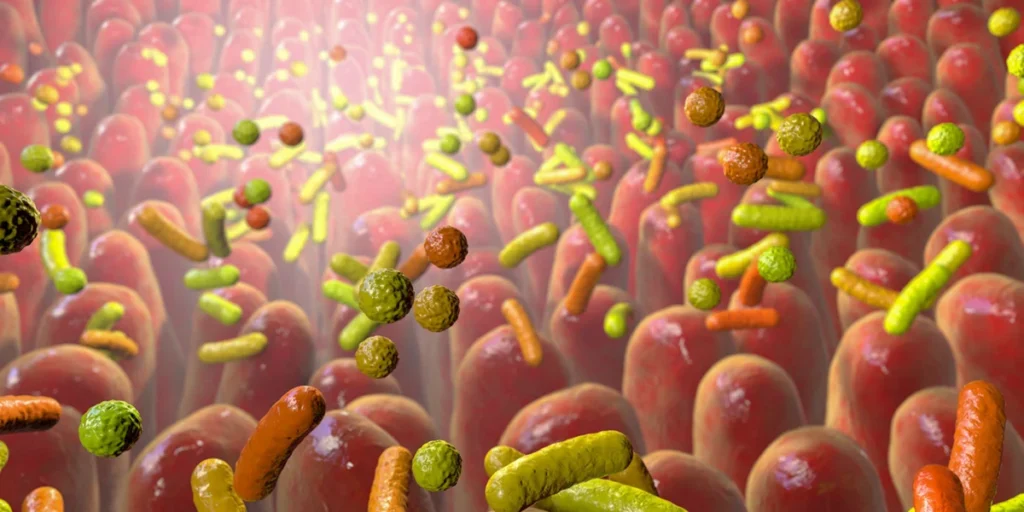
In the delicate window immediately following birth, a newborn’s immune system operates in a state of profound transition. Unlike the robust, adaptive defenses of an adult, the neonatal immune system is largely unprimed, leaving infants exceptionally susceptible to invasive pathogens. For decades, the mechanisms governing this early-life immunity have remained one of the most significant "black boxes" in developmental immunology. However, groundbreaking new research published in Science Translational Medicine has identified a critical molecular bridge between the infant gut and the immune system: the antimicrobial protein calprotectin.
The study, titled "Early-life microbiota direct an epithelial S100 program required for neonatal immunity," reveals that the colonization of the gut by beneficial bacteria—the microbiota—serves as a primary "on-switch" for producing this essential defense protein. This discovery not only clarifies why newborns are so vulnerable to sepsis but also offers a potential roadmap for new prophylactic therapies designed to fortify the neonatal gut.
The Biological Paradox: Why Newborns Are at Risk
Infection remains a leading cause of neonatal morbidity and mortality worldwide. The neonatal immune system is fundamentally different from that of an adult; it must balance the need for protection against pathogens with the need to tolerate the sudden, massive influx of harmless commensal bacteria during birth.
Because the adaptive immune system—the part of the body that "remembers" specific germs—is not yet fully functional, infants rely heavily on innate, first-line defenses. Historically, researchers have understood that the gut microbiota plays a role in training the immune system, but the specific molecular pathways that link the arrival of these microbes to the activation of host defense mechanisms have been poorly characterized.
The Discovery: Calprotectin as an Early Shield
The researchers focused on the S100 calcium-binding protein A8/A9 heterodimer, commonly known as calprotectin. While calprotectin is well-known for its role in adult inflammation, this study demonstrates that it plays a surprisingly different, high-priority role in newborns.
The Mechanism of Action
Through a series of experiments using mouse models, the team observed that healthy neonatal mice express exceptionally high concentrations of calprotectin in their intestinal lining. Crucially, this expression is not innate or "pre-programmed" in the same way adult defenses are; it is an inducible response. When the infant gut is first exposed to commensal bacteria, these microbes send signals to the intestinal epithelial cells (IECs), triggering them to ramp up production of calprotectin.
When the researchers tested pups with impaired calprotectin expression or those lacking a healthy, diverse microbiota, the results were stark. These vulnerable mice were significantly more susceptible to sepsis and death when exposed to pathogens such as Staphylococcus aureus, Listeria monocytogenes, and Streptococcus pneumoniae.
In a compelling validation of the theory, the scientists were able to "rescue" the microbiota-depleted pups from lethal infections simply by administering exogenous calprotectin. This confirmed that the protein was the primary functional component of the immune defense mechanism.
Chronology of the Immune "Handshake"
The study provides a timeline for how the gut establishes this shield:
- Birth and Colonization: As the infant passes through the birth canal and interacts with the environment, the gut is colonized by commensal microbes.
- The Metabolite Trigger: The study identified that specific commensal microbes, most notably Lactobacillus, produce a metabolite called indole-3-lactic acid (ILA).
- Epithelial Activation: ILA acts as a signaling molecule, interacting with the intestinal epithelial cells of the neonate.
- Protein Expression: In response to ILA, the IECs begin to synthesize S100A9, which pairs with S100A8 to form the calprotectin heterodimer.
- Pathogen Defense: Once secreted into the gut lumen, the calprotectin acts as a chemical barrier, inhibiting the growth and virulence of invading pathogens that would otherwise cause systemic sepsis.
Supporting Data: From Mice to Human Organoids
To ensure the findings were not merely a quirk of murine biology, the researchers extended their investigations into human systems. Utilizing human intestinal organoids—miniature, lab-grown versions of the human gut lining—the team replicated the mechanism. They found that, just as in mice, the introduction of Lactobacillus-derived ILA prompted the human cells to increase calprotectin production.
Furthermore, when the researchers analyzed clinical samples, they found that calprotectin was present in the guts of human newborns less than two days old. Intriguingly, this expression pattern vanished as the children aged, with levels being virtually non-existent in seven-year-old subjects. This suggests that calprotectin serves as a specialized, "age-restricted" immune strategy designed specifically for the high-risk, immediate postpartum period.
Implications for Clinical Practice
The implications of this research are far-reaching, particularly for the development of neonatal clinical care. If the microbiota is the key to "programming" the neonatal immune system, then disruptions to the early microbiome—such as those caused by preterm birth, antibiotic use, or C-section delivery—may leave infants with a "silent" deficiency in their primary immune defense.
Towards Probiotic Interventions
The findings open the door to "precision probiotics." Rather than simply administering generic "good bacteria," clinicians might one day be able to supplement infants with strains specifically chosen for their ability to produce ILA or other metabolites that stimulate epithelial calprotectin.
By focusing on the epithelial cells as the primary target for immune reinforcement, researchers could develop non-invasive, prophylactic strategies to prevent sepsis in premature or immune-compromised infants. This represents a paradigm shift from treating infections after they take hold to proactively building the gut’s chemical defenses during the critical first hours of life.
Future Directions and Research Frontiers
While the current findings are robust, the scientific community is already looking toward the next phase of investigation. Future research will likely focus on:
- Human Clinical Trials: Moving from organoids and observational data to controlled studies to determine if probiotic interventions can safely increase calprotectin levels in high-risk human infants.
- The Microbiome "Library": Identifying other commensal species, beyond Lactobacillus, that might contribute to this epithelial signaling program.
- Long-term Consequences: Investigating whether early-life "calprotectin deficiency" has long-term impacts on the immune system’s maturation or susceptibility to inflammatory diseases later in life.
"These findings suggest that microbiota-epithelial dynamics at birth can help program early-life immunity," the authors noted in their discussion. By understanding this, the medical community is one step closer to bridging the gap in neonatal care, potentially saving countless lives by reinforcing the very first line of defense a human being possesses.
Conclusion
The discovery that calprotectin acts as a vital, microbiota-dependent shield in the neonatal gut is a milestone in immunology. It transforms our understanding of the newborn from a passive recipient of maternal immunity to an active, biological system that "boots up" its own defenses through its first interactions with the bacterial world.
As we continue to peel back the layers of the early-life microbiome, we are discovering that the health of an infant is inextricably linked to the microscopic life that colonizes their body in the first hours of existence. Protecting that colonization process, and understanding the molecular signals it triggers, will undoubtedly be the next great frontier in neonatal medicine.