Silicon Valley’s Next Big Leap: Anticipation Mounts for Microsoft’s 2026 Windows and Surface Showcase
The tech world is turning its eyes toward San Francisco today as Microsoft prepares to host its most critical hardware and software event of the decade. With the convergence of high-performance computing, specialized AI architecture, and a renewed push for a cohesive PC ecosystem, the stakes could not be higher. As the clock ticks down to the 10:00 AM PT kickoff, the industry is buzzing with anticipation regarding the official unveiling of the Surface Laptop Ultra and the highly anticipated NVIDIA RTX Spark integration.
Main Facts: A New Era for the PC
Microsoft has confirmed that today’s keynote will feature a "triad of innovation," focusing on the next evolution of the Windows operating system, the hardware capabilities of the Surface line, and a deep-dive collaboration with NVIDIA.
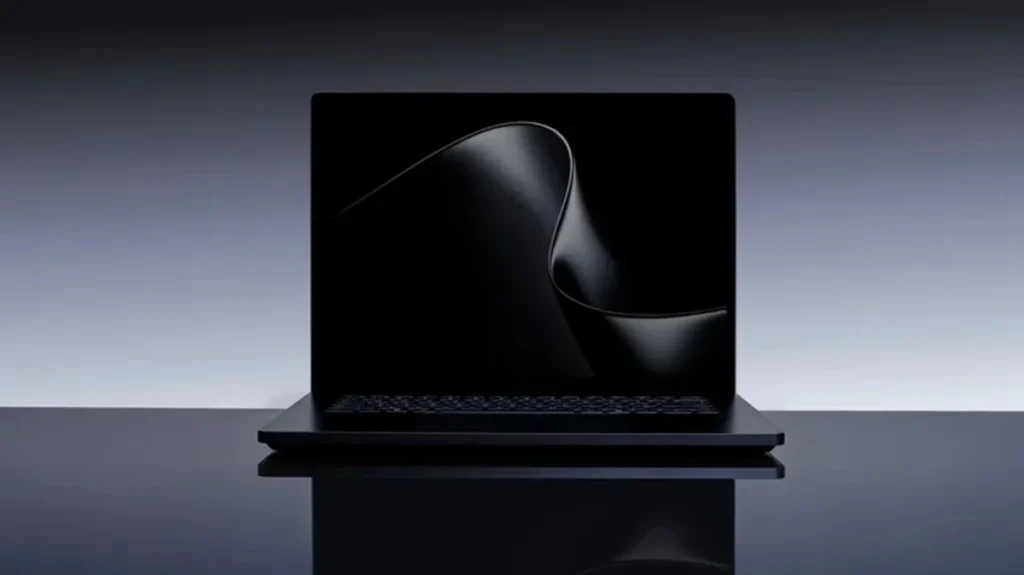
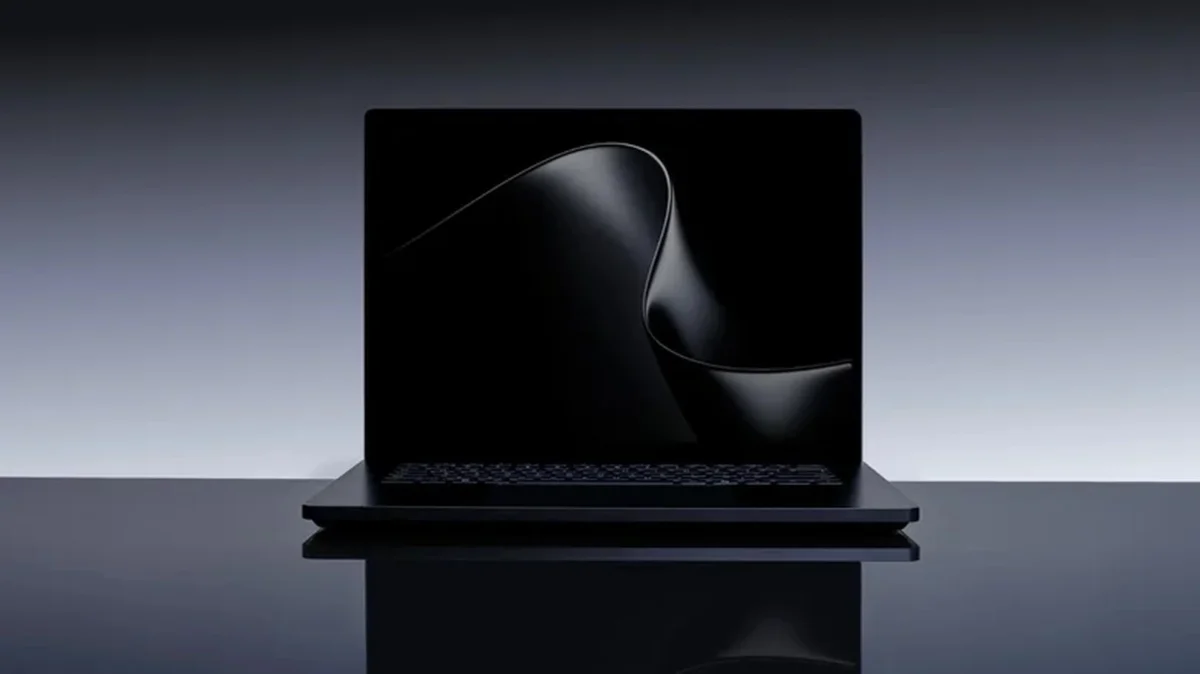
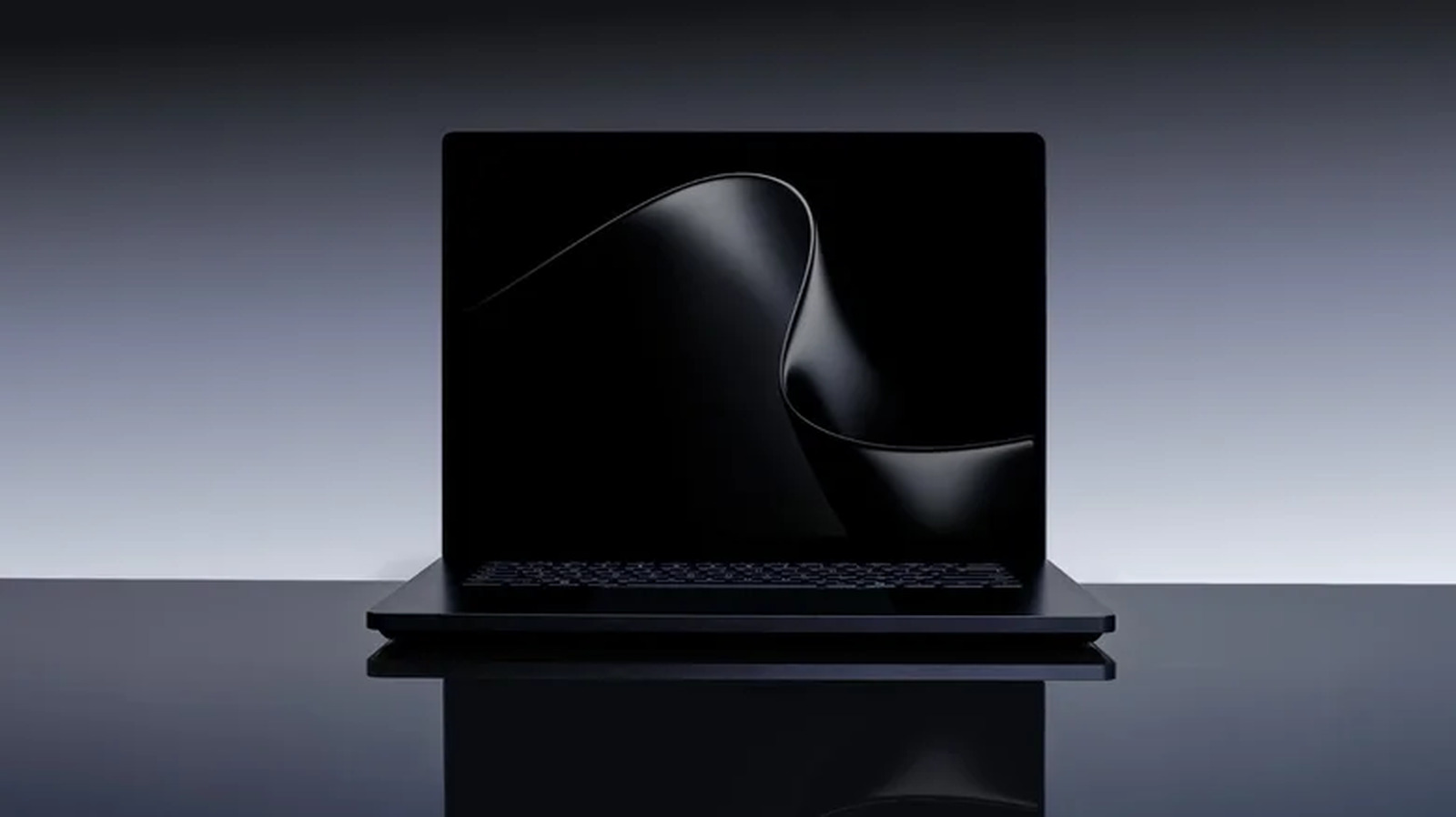
The centerpiece of the event is undoubtedly the Surface Laptop Ultra. First teased during the 2026 Build developer conference, this machine is positioned to be the most powerful device ever to bear the Surface branding. The hardware is built around the "NVIDIA RTX Spark" superchip, a piece of silicon that represents a significant departure from standard mobile processing, promising workstation-grade performance in a laptop chassis.
Key confirmed specifications for the Surface Laptop Ultra include:
- Display: A 15-inch mini-LED panel capable of reaching an industry-leading 2,000 nits of peak brightness.
- Design: A redesigned chassis featuring the largest haptic trackpad in Surface history.
- Connectivity: A surprisingly robust I/O suite, including legacy USB-A, modern USB-C, and a full-sized SD card reader, signaling a clear pivot toward creative professionals who require dongle-free workflows.
Chronology of the 2026 Shift
To understand why today’s event is being treated as a "make-or-break" moment, one must look at the trajectory of Microsoft’s hardware strategy over the last 18 months.
- Q2 2026 (Build Conference): Microsoft provided the first, brief glimpse of the Surface Laptop Ultra. While the internal specifications were kept under wraps, the industry took note of the collaboration with NVIDIA, signaling a shift away from exclusive reliance on traditional x86-based mobile chips.
- Q3 2026 (The Copilot+ Pivot): Following the cooling reception of the initial Copilot+ PC rollout, which faced criticism regarding software maturity and privacy concerns, Microsoft underwent a quiet internal reorganization. The focus shifted from "AI as a gimmick" to "AI as a foundational utility."
- October 6, 2026: The official announcement via social media confirmed that Satya Nadella, Pavan Davuluri, and NVIDIA CEO Jensen Huang would share the stage—a rare and significant alignment of leadership that underscores the importance of the partnership.
- October 7, 2026: The official launch day. Today’s event is expected to cover pricing, global availability, and the integration of new Agentic AI features into the Windows 11/12 ecosystem.
Supporting Data: The RTX Spark Advantage
The "NVIDIA RTX Spark" is the engine behind the hype. Unlike traditional integrated graphics, the Spark is rumored to utilize a unified memory architecture that bridges the gap between CPU and GPU tasks, specifically optimized for large-scale generative AI workflows.
Analysts suggest that by moving the heavy lifting of local AI inference to the Spark superchip, Microsoft intends to bypass the latency issues that plagued cloud-based Copilot features in earlier iterations. If the performance benchmarks match the early marketing teases, the Surface Laptop Ultra could effectively replace high-end mobile workstations, positioning Microsoft to reclaim market share from the Apple MacBook Pro and high-end Windows gaming laptops simultaneously.
Official Responses and Executive Strategy
The presence of Jensen Huang on the Microsoft stage is a strategic signal. It suggests that NVIDIA is not merely a component supplier but a co-architect of the next Windows experience.
Pavan Davuluri, the current head of Windows and Devices, has been instrumental in refining the Surface roadmap to ensure that software features are not just "bolted on." Internal sources indicate that Davuluri has been pushing for a "fluid OS" experience, where the operating system adapts to the user’s workflow rather than forcing the user to navigate rigid menus.
"We aren’t just launching hardware," a source close to the project noted. "We are launching a symbiotic environment where the chip, the OS, and the user’s intent exist in real-time."
Implications for the Broader Ecosystem
The broader implications of today’s event are vast. Microsoft is currently navigating a period of uncertainty. The "Copilot+ PC" initiative, while technically impressive, suffered from a lack of third-party developer buy-in and a general perception that the software was "beta-grade."
The AI Challenge
Today, Microsoft faces a critical hurdle: proving that "Agentic AI"—the next generation of AI that can perform multi-step tasks across apps on behalf of the user—is reliable and secure. If Microsoft demonstrates that the Surface Laptop Ultra can autonomously manage complex files, code bases, or creative projects without crashing or leaking data, it could re-establish Windows as the premier platform for the professional class.
Competitive Pressure
Competitors are watching closely. With the Surface Laptop Ultra, Microsoft is moving into a premium price bracket where Apple has dominated for years. If the pricing is aggressive, it could pressure the entire PC market to upgrade their hardware standards. However, if the device is priced too high, it may remain a niche product for enthusiasts, further alienating the mainstream consumer base that the company struggled to capture with its previous, lower-cost efforts.
What to Expect in the Coming Hours
As our senior reporters, Karissa Bell and Devindra Hardawar, prepare to go live from San Francisco, the focus will remain on three specific areas:
- Software Integration: How will the new Windows interface handle the presence of Agentic AI? Is it a background process or an intrusive overlay?
- Thermal Management: Given the power requirements of the RTX Spark, how has Microsoft solved the cooling issues that usually plague thin-and-light laptops?
- The "One More Thing": Rumors persist about a new form factor—possibly a refreshed Surface Pro—that utilizes the same architecture as the Laptop Ultra.
The era of the "standard PC" is arguably over. Today’s presentation will define whether Microsoft is leading the charge into a new era of intelligence-first computing or if it is merely iterating on a legacy that is slowly losing its grip on the creative and professional market.
Stay tuned to our live coverage throughout the day as we analyze the keynote, dissect the specs of the Surface Laptop Ultra, and provide real-time updates on what this means for your next computer upgrade.