The Dawn of Googlebook: Elevating the Android Ecosystem to Desktop-Class Performance

In a landmark shift for mobile computing, Google has officially unveiled Googlebook, a new category of premium laptops powered by a shared Android foundation. This move represents the most significant expansion of the Android ecosystem in a decade, bridging the gap between the portability of mobile devices and the high-performance requirements of desktop computing. By leveraging partnerships with industry giants like HP, Dell, Lenovo, Acer, and Asus, Google is not merely introducing a new device; it is creating a unified, seamless computing environment that promises to redefine how users interact with their applications.
Main Facts: The Anatomy of the Googlebook Experience
Googlebook is engineered to provide a sophisticated, desktop-grade experience while retaining the inherent connectivity of the Android platform. These devices are characterized by high-resolution OLED touchscreens, specialized keyboards, precision trackpads, and all-day battery life. At the heart of the experience is OS-level Gemini Intelligence, which serves to automate tasks and streamline workflows across the device.

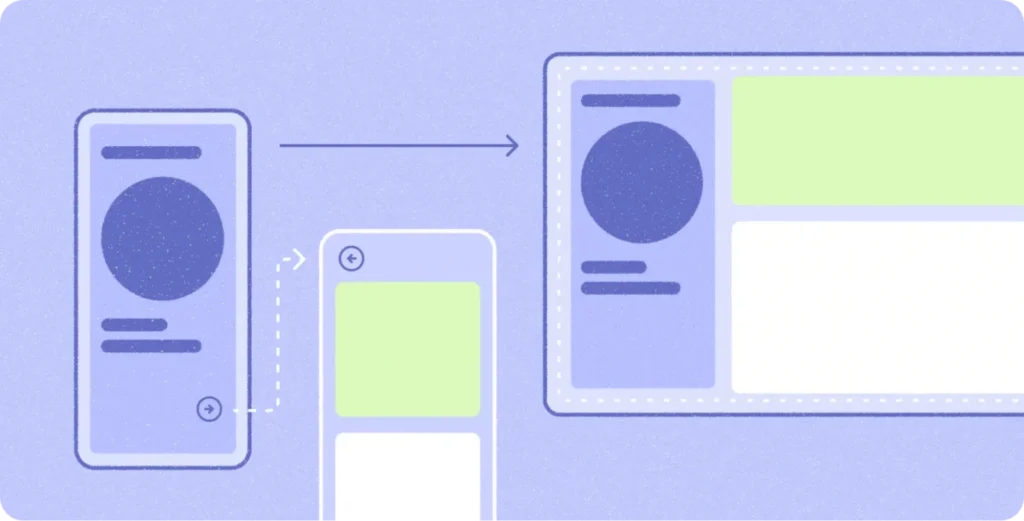
For developers, the primary value proposition is the "adaptive-first" philosophy. Google is emphasizing that there is no need to build a separate application for this platform. Instead, developers are encouraged to utilize their existing Android codebase, applying adaptive layouts and window size classes to ensure their apps scale fluidly across various form factors. When a user initializes their new Googlebook using their Android phone, optimized applications are automatically highlighted and transferred, granting developers "day-one" presence on the user’s new machine.
Chronology: A Trajectory Toward Convergence
The emergence of Googlebook is the culmination of years of iterative development within the Android framework.

- 2020-2022: The Tablet and Foldable Push: Google began prioritizing large-screen optimizations, introducing window size classes and multi-window support to address the fragmented experience on tablets and foldable devices.
- 2023: Jetpack Compose Maturation: The widespread adoption of Jetpack Compose provided the necessary UI toolkit to handle complex, responsive layouts with minimal overhead.
- Early 2024: Desktop Foundations: The release of Navigation 3, featuring advanced scene strategies like
ListDetailSceneStrategyandSupportingPaneSceneStrategy, laid the technical groundwork for desktop-style navigation rails and multi-pane architectures. - Late 2024: Official Launch: The official unveiling of the Googlebook platform marks the transition from "mobile-optimized" to "desktop-ready," with partners releasing hardware that bridges the gap between phone and laptop.
Supporting Data: Why Adaptive Development Matters
The transition to Googlebook is supported by significant market and technical data. According to Android developer metrics, applications that employ adaptive design see a 30% increase in user retention across large-screen devices.
The technical requirements for these devices focus on three pillars:

- Window Size Classes: Applications must respond to the actual window frame size, not the screen resolution, allowing for dynamic resizing that users expect from a desktop environment.
- Input Versatility: With the integration of pointer-based inputs and physical keyboards, apps must support hover states, right-click context menus, and keyboard shortcuts—all of which are now native in the latest Jetpack Compose libraries.
- Multi-Instance Support: Google’s internal testing shows that power users frequently run two or more instances of the same application side-by-side. Enabling multi-instance support is now a key factor in achieving "Desktop Optimized" badging on the Google Play Store.
Official Responses and Developer Integration
Fahd Imtiaz, Senior Product Manager, and Loryn Hairston, Product Marketing Manager at Android, have spearheaded this rollout, emphasizing that the barrier to entry for developers is remarkably low.
"We had already been targeting first-class experiences for tablets and foldables," explains Ryan Shea, Android Engineering Manager at Notability. "So by the time Googlebook came along, scaling Notability up to a laptop-class experience was mostly turning a dial we had already built."

This sentiment is echoed by the Google developer team, who have provided a suite of new tools to assist in this transition. These include:
- Android Studio Canary: Now features a virtual desktop emulator, allowing developers to test free-form window resizing and mouse/keyboard interactions without physical hardware.
- AI-Assisted Refactoring: The new "Adaptive Skill" for AI agents allows developers to automatically refactor legacy XML or static Compose layouts into responsive, container-based designs.
- The Apps Experience Program: A new program rate card designed to reward developers who meet these high-quality standards, providing financial incentives that mirror the increased engagement seen on larger screens.
Implications: The Future of the Android Ecosystem
The arrival of Googlebook has profound implications for the software industry. It signals a move away from the "mobile-only" identity of Android and toward a "platform-agnostic" future.

1. Unified Workflows
The "Continue On" feature—a bidirectional handoff protocol—means that the boundary between a user’s phone and their laptop is becoming porous. A user can start an email or a document on their phone during their commute and, upon opening their Googlebook, pick up exactly where they left off. This reduces friction and increases the value of the entire Android ecosystem.
2. The Death of the "Stretched" App
For years, the critique of large-screen Android apps was that they were merely "stretched" phone apps. Googlebook’s strict design guidelines effectively mandate the end of this practice. By requiring developers to follow desktop fundamentals—such as utilizing multi-pane architectures and explicit click targets—Google is ensuring that the user experience on a 14-inch laptop feels purposeful, not accidental.

3. Business Growth for Developers
The Google Play Store’s commitment to "optimized titles" through dedicated badging and curated homepages acts as a powerful marketing engine. By surfacing these high-quality apps to users who have just purchased a new Googlebook, Google is creating a "new device momentum" that developers can tap into. This is not just a technical update; it is a business strategy designed to drive higher engagement and monetization through the Apps Experience Program.
4. Ergonomics and Accessibility
Desktop design necessitates a shift in focus toward long-term usage. Unlike a phone, which is used for short, rapid interactions, a laptop is a productivity tool. Google’s emphasis on type scaling for comfortable viewing at greater distances and the use of contextual cursors shows that the company is taking the ergonomic health of its users seriously, setting a new benchmark for mobile OS design.

Conclusion: A New Chapter for Android
The Googlebook platform represents the maturation of Android into a truly versatile OS capable of handling the most demanding professional and creative tasks. By focusing on adaptive development, Google has provided a clear roadmap for developers to expand their reach without the burden of maintaining disparate codebases.
As the Googlebook hardware continues to roll out through partnerships with major OEMs, the ecosystem is poised for a period of rapid innovation. Developers who lean into these adaptive patterns—using the latest Navigation 3 libraries, embracing the desktop-class input support, and participating in the Apps Experience Program—are well-positioned to lead the next generation of computing. The era of the "mobile-first" developer is evolving into the era of the "multi-platform" architect, and Googlebook is the canvas upon which this new reality is being painted.