
The Fragility Crisis: Why Your Premium Headset is Designed to Fail and How Engineers Are Fighting Back
In the modern era of remote work, global commuting, and digital connectivity, the headset has become as essential as a laptop or a smartphone. Yet, for many power users, these devices represent a frustrating cycle of planned obsolescence. Recently, while navigating the outskirts of London on a high-speed commuter train, a familiar sound—the sharp, sickening snap of plastic—signaled the end of yet another expensive piece of audio equipment.
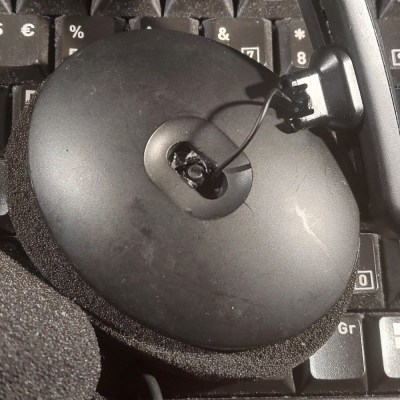
The headset in question, a premium unit from EPOS, had suffered a catastrophic failure at the ball joint. This was not the result of misuse or accidental drops; it was a structural failure of a component that was clearly under-engineered for the rigors of daily use. This incident serves as a microcosm of a larger, systemic issue in consumer electronics: the prioritization of sleek, lightweight aesthetics over mechanical durability.
The Chronology of Mechanical Failure
The author’s experience is not an isolated phenomenon but rather a recurring pattern observed by tech enthusiasts and hardware hackers worldwide. Over the past several years, a series of high-end headsets have succumbed to similar fates, highlighting a trend where the electronic components—which remain functional—are housed in chassis that are doomed to fail.
- The JVC Failure: A set of JVC headphones failed due to the fatigue of a rotating joint designed to allow the earpiece to contour to the user’s head. The failure point was a thin plastic stalk, which, after months of normal tension, simply snapped.
- The Logitech Deterioration: A high-end Logitech model, praised for its audio fidelity, experienced a dual failure: the ear sponges disintegrated due to low-grade materials, and the USB cable’s internal wiring suffered from poor strain relief, eventually leading to a complete loss of connectivity.
- The EPOS Snap: Most recently, the EPOS headset failed at the ball joint. The design relied on a single, thin plastic stalk to bear the weight and tension of the earpiece, proving that even "premium" pricing is no guarantee of structural integrity.
In each instance, the electronic drivers, microphones, and digital signal processors (DSPs) remained perfectly operational. The equipment was effectively "junked" because of a failure in a small, non-load-bearing piece of plastic.
The Engineering Paradox: Comfort vs. Durability
The core challenge in headset design lies in the anthropometry of the human head. A human skull is not a uniform geometric shape; it is a complex, varied surface. To achieve comfort, a headset must provide "give"—the ability for the earpieces to pivot on multiple axes.
The Anatomy of the Weak Point
Most manufacturers achieve this articulation through ball joints, stirrups, or circular hinges. While these mechanisms provide excellent ergonomics, they are frequently implemented using injection-molded plastics with thin cross-sections.
From an engineering perspective, this is a classic case of failing to design for fatigue. In a professional environment, or during the vibrations of a commute, these joints are under constant, minute levels of stress. When the load-bearing area is restricted to a few square millimeters of plastic, the material reaches its limit, leading to brittle fractures. While the manufacturers claim these designs are "lightweight" and "sleek," they are, in reality, creating a dependency on fragile components that necessitate repeat purchases.
Supporting Data: The Rise of the "Repairability Movement"
The frustration with proprietary, fragile hardware has fueled a surge in the Right-to-Repair movement and the DIY engineering community. Data from consumer advocacy groups suggests that the average lifespan of a mid-to-high-end headset has decreased by approximately 30% over the last decade, even as prices have steadily climbed.
The rise of platforms like Hackaday and the proliferation of low-cost 3D printing have empowered users to take control of their hardware destiny. Instead of accepting the "disposable" nature of modern peripherals, engineers are turning to OpenSCAD, a script-based 3D modeling tool, to design bespoke, robust replacements for failed components. By shifting from injection-molded parts with hidden stress points to additive manufacturing (3D printing) using durable materials like PETG or Nylon, users are effectively "up-armoring" their devices.
Industry Perspectives: The Silence of the Brands
When contacted regarding the recurring structural failures of their flagship headsets, major audio manufacturers often point to their warranty policies rather than their design methodologies. Official responses typically follow a script: "We design our products for optimal comfort and performance, and we regret any instances where the product does not meet the user’s expectations."
However, industry analysts suggest that there is little incentive for companies to move toward "military-grade" durability. In a market saturated with competition, the focus remains on the "out-of-box" experience—how the product feels in a store or how it looks in an advertisement. Long-term mechanical resilience is often viewed as a "hidden" attribute that does not directly correlate with initial sales volume. For the consumer, this translates to a market where the only truly durable alternatives—such as industrial-grade aviation headsets—are often prohibitively expensive or lack the modern features (such as high-fidelity USB audio or Bluetooth connectivity) that the average consumer requires.
Implications: A Call for Modular Engineering
The implication of this trend is clear: we are entering an era of "disposable premium" goods. If a consumer pays $200 for a headset, they have a reasonable expectation that it will last for several years of standard use. When that product fails in six months due to a three-cent plastic part, the environmental and economic costs are significant.
The Shift Toward Modular Solutions
The solution, as proposed by independent engineers, lies in modularity. A truly sustainable headset design would feature:
- Replaceable Joints: Designing the pivot points as distinct, easily swappable modules rather than integrated parts of the chassis.
- Standardized Interfaces: Using universal mounting points that allow users to repair or upgrade their headset without needing to replace the entire electronic assembly.
- Print-in-Place Elasticity: Utilizing advanced 3D printing techniques to create flexible, spring-like structures that distribute stress across a larger surface area, eliminating the "stalk" failure point entirely.
The Path Forward: Designing Your Own Solution
For those tired of the cycle of failure, the path forward is one of individual agency. By leveraging open-source repositories and 3D printing, it is possible to recycle the high-quality drivers and microphones from a "dead" headset and integrate them into a custom-designed, robust frame.
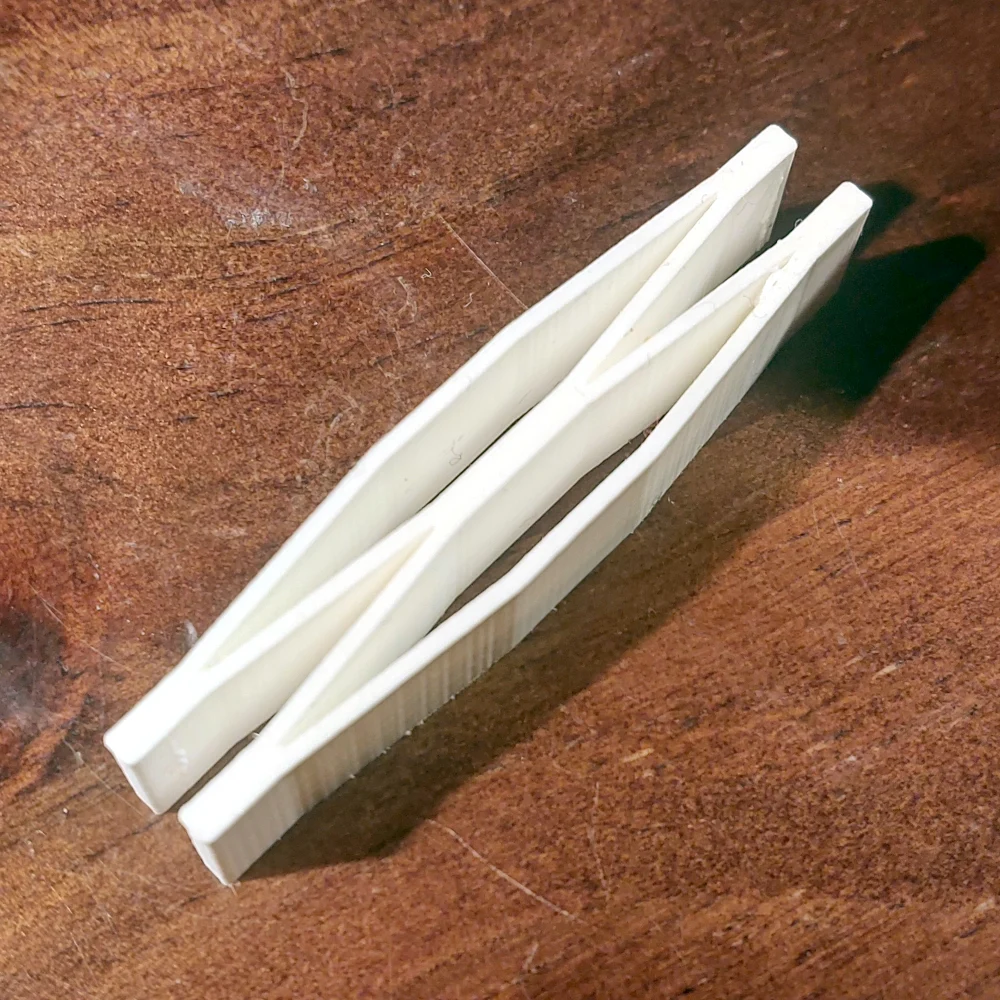
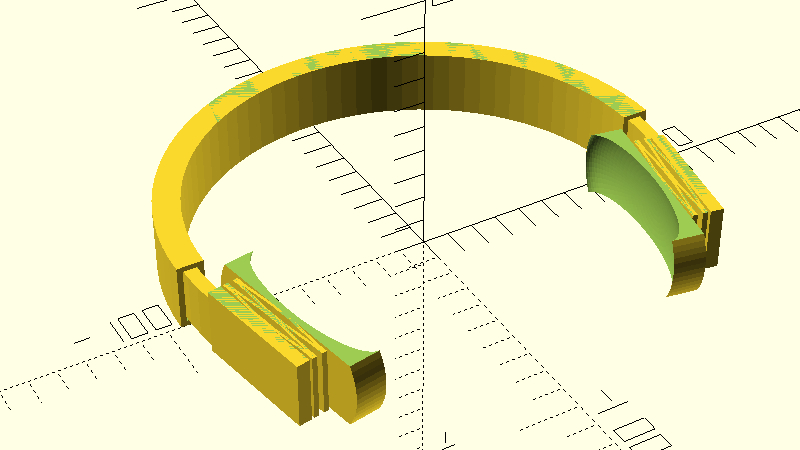
The author’s current project—a spring-loaded, print-in-place headband designed in OpenSCAD—demonstrates this potential. By replacing the traditional ball joint with a zig-zag leaf spring, the design achieves both the necessary range of motion and the structural resilience required for daily travel. The spring distributes the load across the entire geometry of the earpiece mount, significantly reducing the risk of localized fatigue.
The project, hosted on GitHub, serves as a blueprint for others to reclaim their hardware. While the 3D printer may not be as fast as a mass-production injection molding machine, the resulting component is repairable, modifiable, and, most importantly, under the user’s control.
Ultimately, the battle against planned obsolescence is not just about saving money; it is about reclaiming the right to own and maintain our tools. If the manufacturers will not build for longevity, the engineering community will do it for them. As the adage goes: "If you can’t fix it, you don’t really own it." By designing for durability, we move toward a future where our technology serves us, rather than a future where we serve the replacement cycle of our technology.







