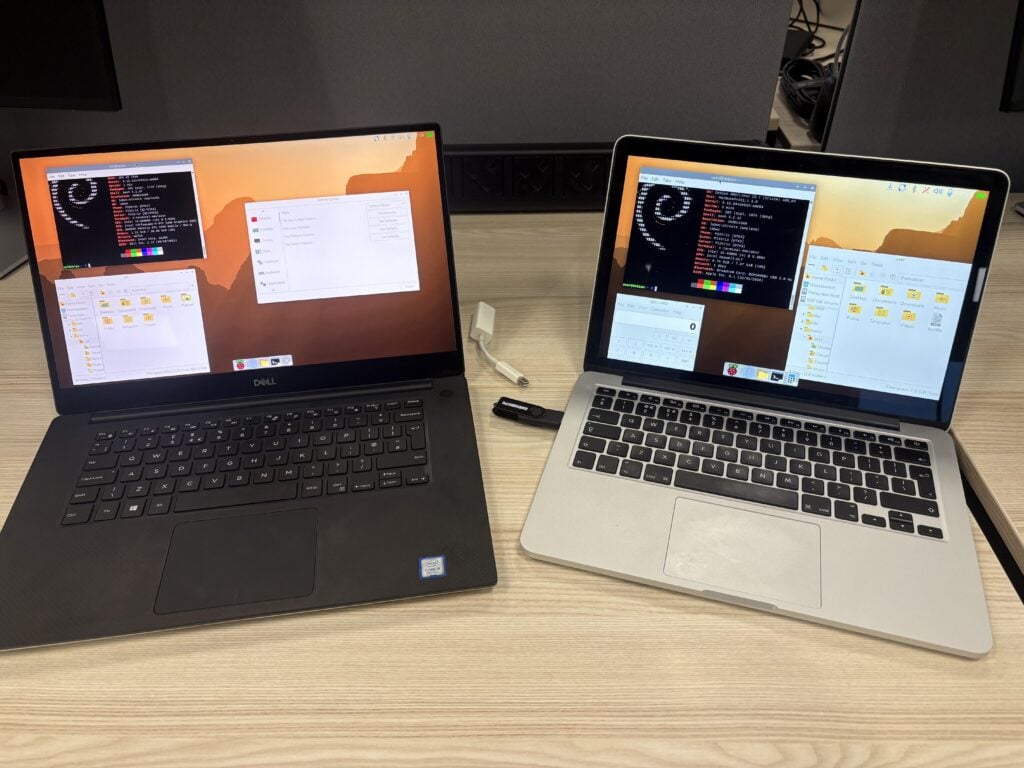
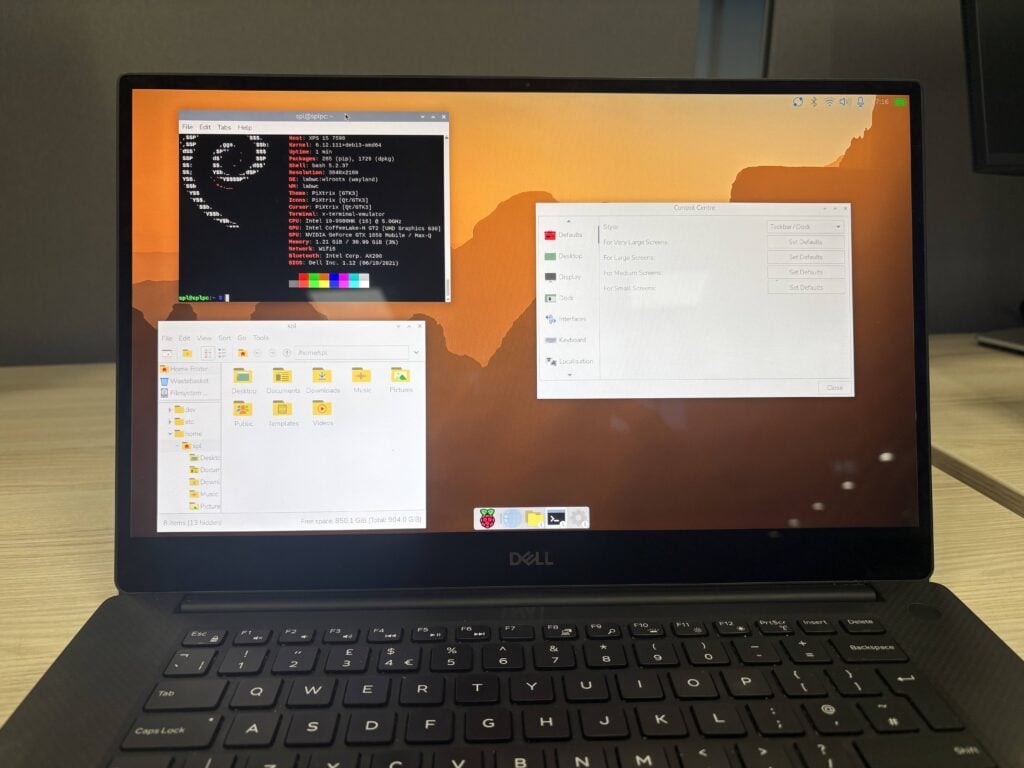
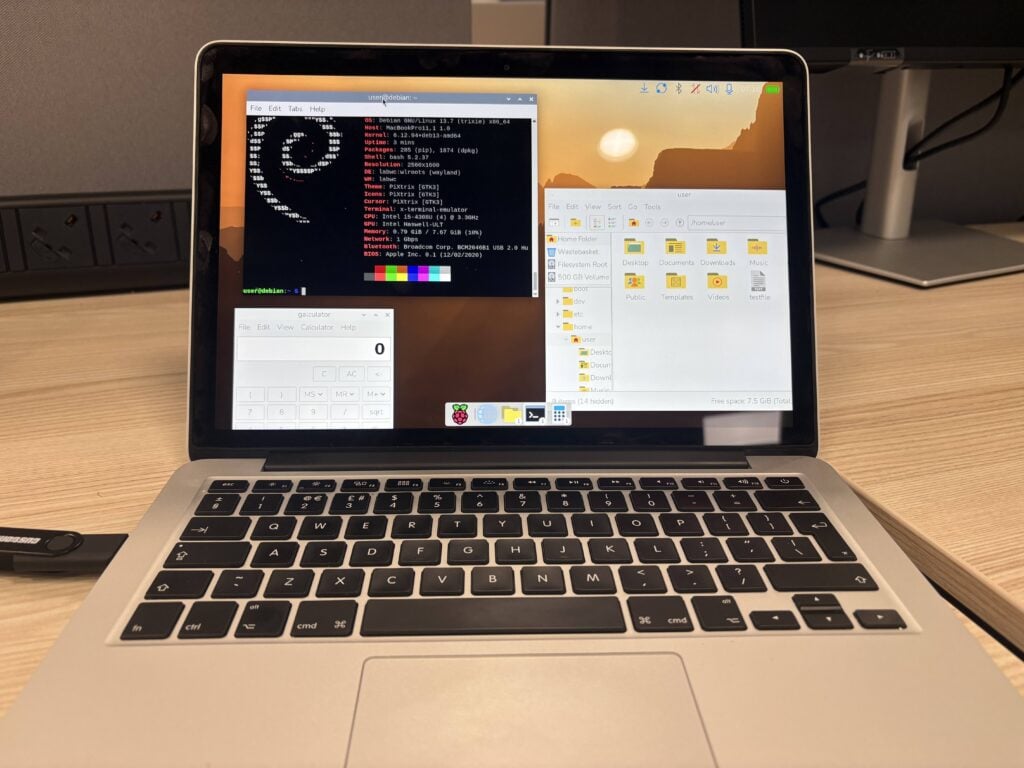
After a prolonged hiatus that left enthusiasts wondering about the future of the project, the Raspberry Pi Foundation has officially released a fully updated version of its popular operating system environment tailored for standard x86-based personal computers and Intel Macs. Dubbed DebianTrixie with Raspberry Pi Desktop for PC and Mac, the newly minted release bridges the gap between traditional desktop computing and the lightweight, highly optimized user experience traditionally reserved for Raspberry Pi single-board computers.
Available for download immediately via the official Raspberry Pi website, this new iteration introduces a modernized visual interface, transitions entirely to a 64-bit architecture, and integrates native support for Raspberry Pi Connect, allowing users to seamlessly fold legacy laptops and desktop towers into an existing Raspberry Pi remote ecosystem.
Main Facts: What’s New in Debian Trixie
The arrival of the Trixie-based PC and Mac desktop image marks a major milestone for a project that has long enjoyed a dedicated cult following. The core specifications and updates included in this release address several modern computing standards:
Pure 64-Bit Architecture (amd64): Responding to upstream changes by Debian, which has officially sunsetted 32-bit PC architectures, this release drops legacy 32-bit support. It is engineered specifically for modern 64-bit x86 PCs and Intel-based Apple Macintosh computers.
Modernized UI: The release incorporates all the recent desktop refinements developed for native Raspberry Pi OS, most notably the unified Control Centre and the streamlined dock layout.
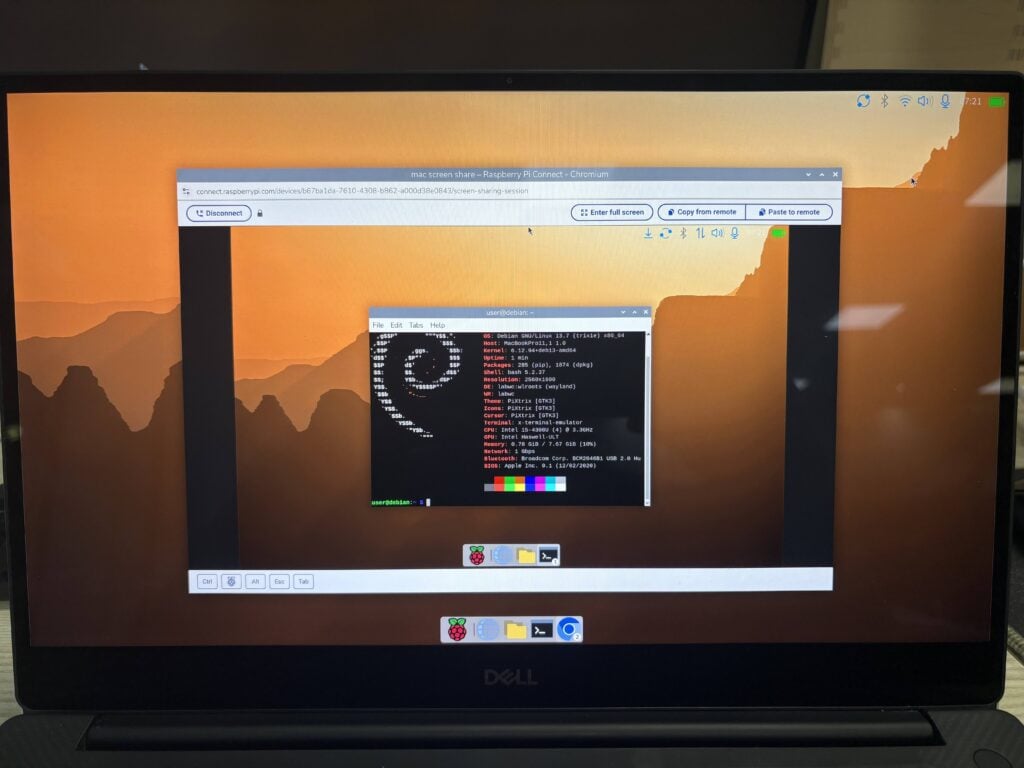
Raspberry Pi Connect Integration: For the first time, non-Raspberry Pi hardware can act as a fully integrated node within the Raspberry Pi Connect ecosystem. Users can manage, screen-share, and access the terminal of their PC or Mac alongside their physical Pi devices.
Flexible Deployment Options: Distributed as a live ISO image, the software can be run directly from a USB flash drive with persistent storage enabled, or permanently installed onto a hard drive or solid-state drive using the built-in Calamares installer.
Chronology: From a Weekend "Side Quest" to a Cult Classic
To understand the significance of this release, one must look back at how a casual, off-the-cuff conversation inside the Raspberry Pi offices blossomed into a multi-year software endeavor.
2016: The Genesis of PIXEL
The story begins in 2016, as engineers were putting the finishing touches on a custom-tailored lightweight desktop environment designed to replace standard Linux interfaces on Raspberry Pi hardware. Originally intended to be named PIXEL (an acronym for Pi XWindows Environment Lightweight), the moniker had to be quietly shelved after a major corporate tech entity claimed exclusive rights to the term.
During the development phase, Raspberry Pi CEO Eben Upton walked past an engineer’s desk and posed a casual, hypothetical question: "Wouldn’t it be cool if I could run this on my Mac?"
The Weekend Experiment
Spurred by curiosity, the engineer spent the following weekend investigating the feasibility of booting a Macintosh computer into a stock Debian installation and superimposing the Raspberry Pi desktop environment on top of it. Within a matter of hours, a proof-of-concept was successfully running off a USB thumb drive plugged into an Apple laptop.
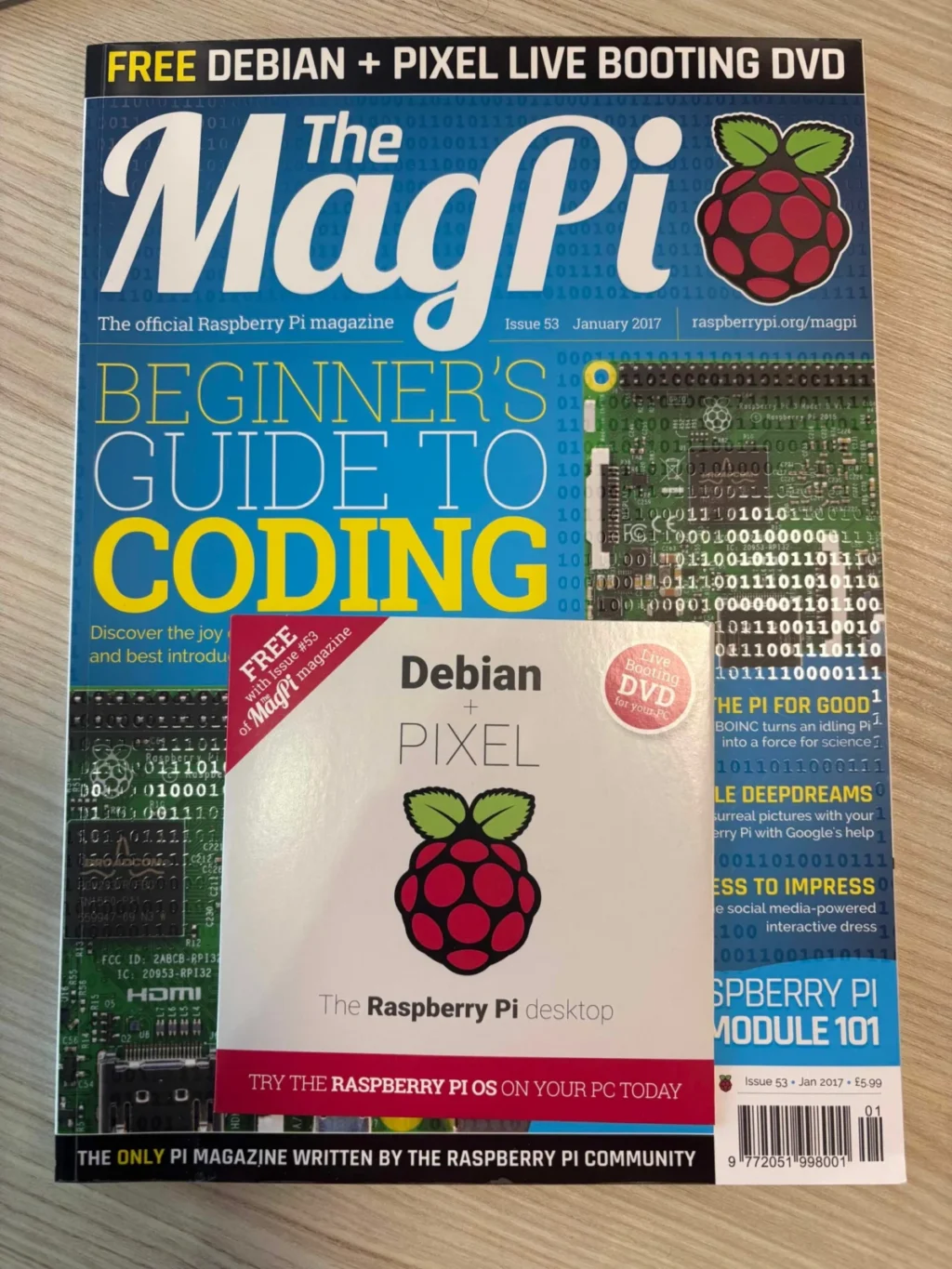
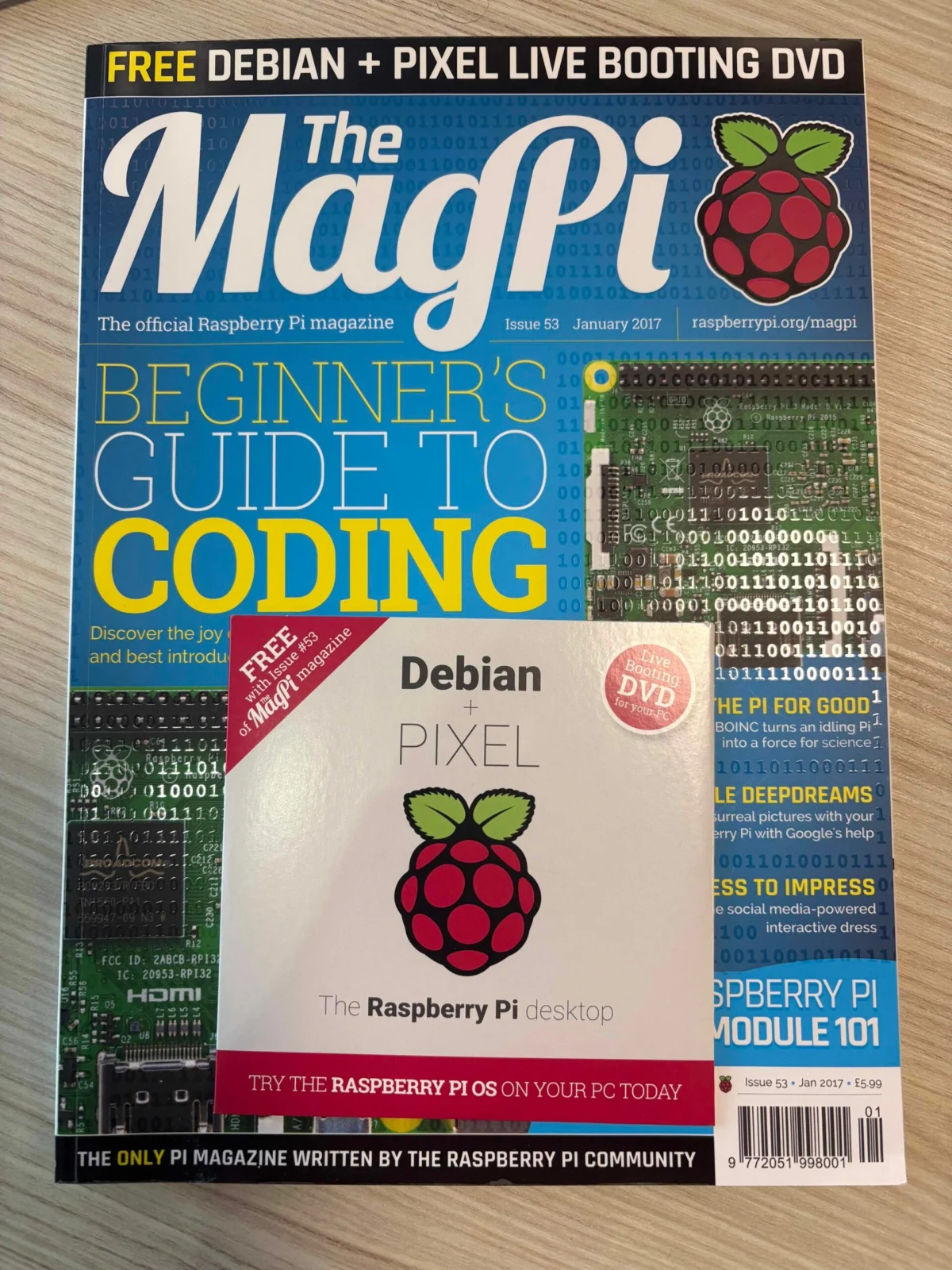
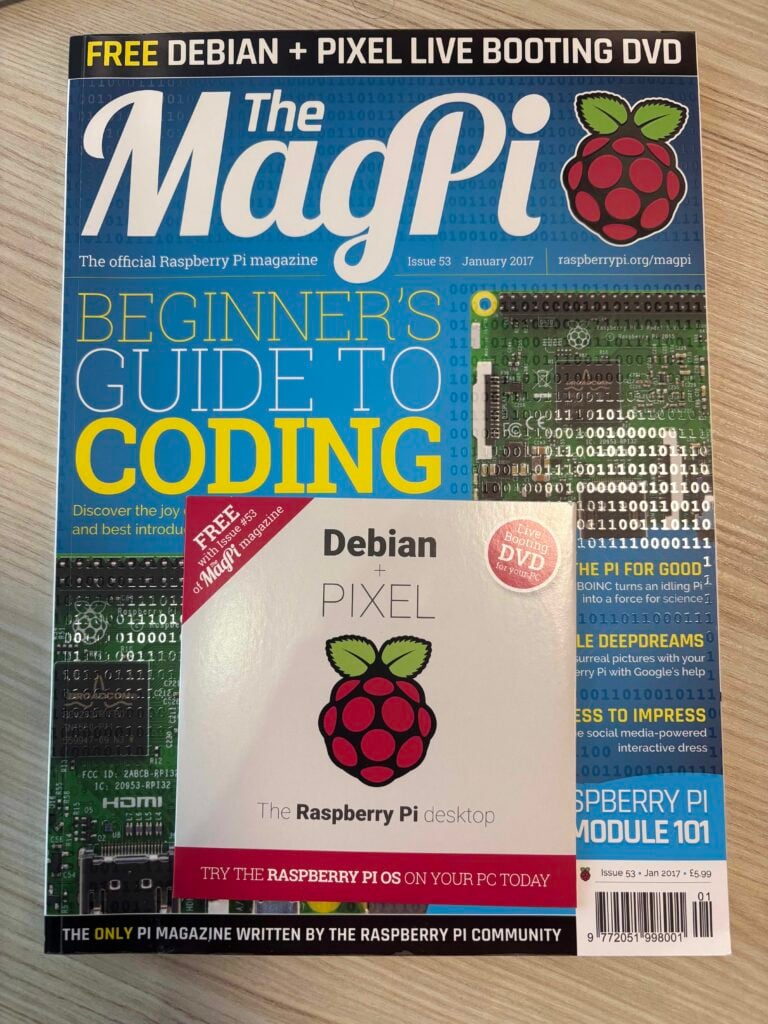
By Monday morning, the experiment was presented to leadership. Recognizing potential utility, the project moved out of personal curiosity and into a "Skunk Works" initiative. Engineers collaborated to refine the build, resulting in a bootable live DVD distributed on the front cover of The MagPi Magazine (then known as the Raspberry Pi Official Magazine) that Christmas.
The 2017 Installable Release and the Maintenance Dilemma
The holiday promotion caught the development team by surprise, generating unprecedented demand. Encouraged by the enthusiastic reception, the team released the first official, installable version of Debian with Raspberry Pi Desktop for PC and Mac in 2017.
However, this success created a unique economic paradox for the Foundation. The Raspberry Pi Foundation generates revenue exclusively through the sale of physical hardware; its software ecosystem is provided entirely free of charge. Because the PC desktop version extended the life of third-party hardware—such as aging Dells, HPs, and MacBooks—it did not directly drive hardware sales. Consequently, balancing the intensive engineering hours required to maintain an x86 branch alongside the primary ARM-based hardware roadmap proved increasingly difficult.
The Hiatus: Buster, Bullseye, and Silence
While the team successfully managed to roll out updates corresponding to the Debian Buster and Bullseye cycles, the rapid expansion of core Raspberry Pi projects ultimately forced the PC desktop version onto the back burner.
For years, the Bullseye-based PC image remained static on the download servers. Despite a lack of active updates, community demand remained relentless, with users generating multiple inquiries every week regarding the status of a potential modern release. The engineering team, stretched thin across hardware launches and firmware development, could offer no timeline—until recently.
Supporting Data: Compatibility, Architecture, and Limitations
The release of Debian Trixie for PC and Mac is tailored for a specific hardware demographic, balancing modern security and performance requirements against the realities of legacy device ownership.
Hardware Compatibility Matrix
Intel/AMD PCs: Any standard x86-64 personal computer manufactured within the last fifteen years should have no trouble running the 64-bit Debian Trixie image.
Intel-based Macs: MacBook Pro, MacBook Air, iMac, and Mac Pro models utilizing Intel processors are fully supported and boot successfully from live USB environments.
Apple Silicon (M1/M2/M3/M4): Due to the experimental state of mainline Debian support for Apple’s proprietary ARM-based silicon chips, modern Apple Silicon Macs are currently excluded from this release.
Performance and Resource Management
Because the underlying Debian Trixie environment inherits the extreme resource optimization developed for low-power ARM single-board computers, it runs exceptionally well on low-spec x86 hardware. Laptops and desktops that struggle to maintain responsiveness under modern, resource-heavy operating systems like Windows 11 or standard macOS find a second life under the Raspberry Pi Desktop, experiencing rapid boot times and snappy application switching.
Official Responses and Perspectives
Speaking on the challenges and ultimate triumph of pushing the Trixie update across the finish line, core engineers emphasized the labor of love required to resurrect the project.
"We’ve continually tried to allocate time to be able to work on this, but it hasn’t been easy," an engineering representative noted regarding the prolonged delay between the Bullseye and Trixie releases. "People really liked using the Raspberry Pi Desktop on non-Raspberry Pi computers—but the trouble is that we make our money from selling Raspberry Pi computers; we’ve never charged for the software that makes them work."
Despite the financial and logistical hurdles of supporting external hardware architectures, the persistent community drumbeat ultimately tipped the scales. The internal desire to deliver a robust, up-to-date toolset—coupled with the advent of cross-platform features like Raspberry Pi Connect—provided the necessary impetus for engineer Serge and the wider team to complete the Trixie port.
Implications: A Unified Remote Ecosystem and the War on E-Waste
The release of Debian Trixie with Raspberry Pi Desktop for PC and Mac carries significant implications for hobbyists, educators, and sustainability advocates alike.
The Power of "Meta" Remote Management
The inclusion of the Raspberry Pi Connect client introduces a fascinating operational dynamic. Users can now utilize a web browser on a repurposed Dell laptop running Raspberry Pi Desktop to remotely log into, view, and control a physical Raspberry Pi—or conversely, manage the PC desktop itself from a mobile or remote browser interface. Setting up the PC client requires only a user-defined friendly name to distinguish the x86 device from hardware-ID-backed Raspberry Pis on the network dashboard, integrating non-Pi hardware smoothly into remote workflows.
Combating Planned Obsolescence and E-Waste
Perhaps the most profound impact of this software release is environmental and economic. Millions of functional PC laptops and older Intel Macs are prematurely discarded each year simply because they can no longer run modern commercial operating systems due to arbitrary software cutoffs or heavy performance bloat.
By breathing new life into these machines via a secure, modern, 64-bit Debian foundation wrapped in a friendly, lightweight interface, the Raspberry Pi Foundation offers a pragmatic solution to electronic waste. Users can securely browse the web, execute terminal commands, run office productivity software, and interface with physical computing projects using hardware that would otherwise collect dust in a landfill.
Availability
The new Debian Trixie with Raspberry Pi Desktop for PC and Mac is available for download immediately from the official Raspberry Pi Software page. Users are encouraged to flash the .iso file to a high-speed USB thumb drive, select the persistent storage option to preserve files across reboots, and experience the culmination of years of community-driven patience.