The Democratization of Discovery: Anthropic’s Claude Science and the EDEN Revolution
In a transformative shift for the life sciences, Anthropic has officially unveiled Claude Science, an advanced AI workbench engineered to collapse the walls between fragmented biological data and actionable research. By consolidating over 60 specialized scientific databases—spanning genomics, proteomics, and structural biology—into a singular, intuitive reasoning layer, Anthropic is positioning itself at the vanguard of the computational biology gold rush.
As the tech industry pivots toward the "bio-economy," Claude Science distinguishes itself by moving beyond mere data retrieval. It acts as an orchestrator, allowing researchers to interface with complex biological systems through natural language. This launch marks a pivotal moment in the industry’s race to replace traditional, laborious trial-and-error laboratory methods with high-precision, AI-driven therapeutic design.
The Dawn of a New Research Paradigm
The modern laboratory is drowning in data. With the proliferation of omics technologies, researchers have access to more biological information than ever before, yet this data remains siloed in incompatible formats and isolated databases. Claude Science seeks to bridge this divide, offering a unified interface where disparate genomic and proteomic datasets can be queried, synthesized, and modeled in real-time.
Central to this ecosystem is the strategic partnership with Basecamp Research, a London-based pioneer in programmable therapeutics. Basecamp has integrated its proprietary EDEN (Evolutionary Design of Engineered Networks) models directly into the Claude Science platform, effectively bringing the power of advanced metagenomic intelligence to the fingertips of clinicians and researchers worldwide.
A Chronology of Computational Evolution
The trajectory of Basecamp Research—and its current collaboration with Anthropic—is the result of a deliberate, multi-year strategy to bridge the gap between evolutionary data and synthetic biology.
- 2019: Basecamp Research is founded, with a vision to map the world’s hidden biological diversity. The company begins its mission to collect proprietary sequence data from the most extreme environments on Earth.
- 2020–2023: The "BaseData" initiative matures, as the team traverses thermal springs, polar ice caps, and high-altitude plateaus in over 30 countries to catalogue life’s chemical potential.
- 2024: The company transitions from data collection to active therapeutic development, focusing on the fine-tuning of EDEN models for antibiotic design and gene insertion.
- March 2026: Basecamp publishes a landmark technical report on scaling laws for metagenomics, demonstrating how data diversity (BaseData) fundamentally alters model performance.
- June 2026: Anthropic announces Claude Science. Basecamp Research is named a flagship partner, bringing the EDEN model to a global audience.
The EDEN Advantage: Solving the Antimicrobial Crisis
Perhaps the most urgent application of the Claude-Basecamp synergy is the fight against antimicrobial resistance (AMR). With drug-resistant pathogens claiming nearly five million lives annually, the current pharmaceutical pipeline is failing to keep pace with the evolution of bacteria.
The EDEN model represents a fundamental shift in how we approach antibiotic discovery. Developed in collaboration with César de la Fuente, PhD, of the University of Pennsylvania, EDEN is a metagenomic foundation model that has demonstrated a remarkable 97% success rate in designing functional peptides against WHO-identified, multidrug-resistant pathogens.
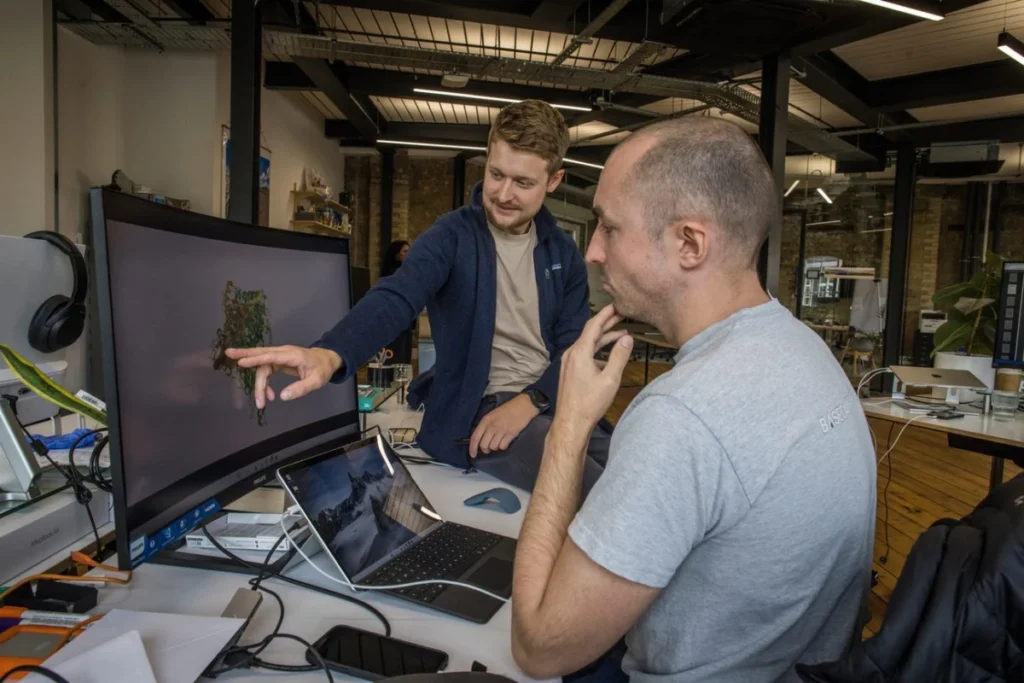
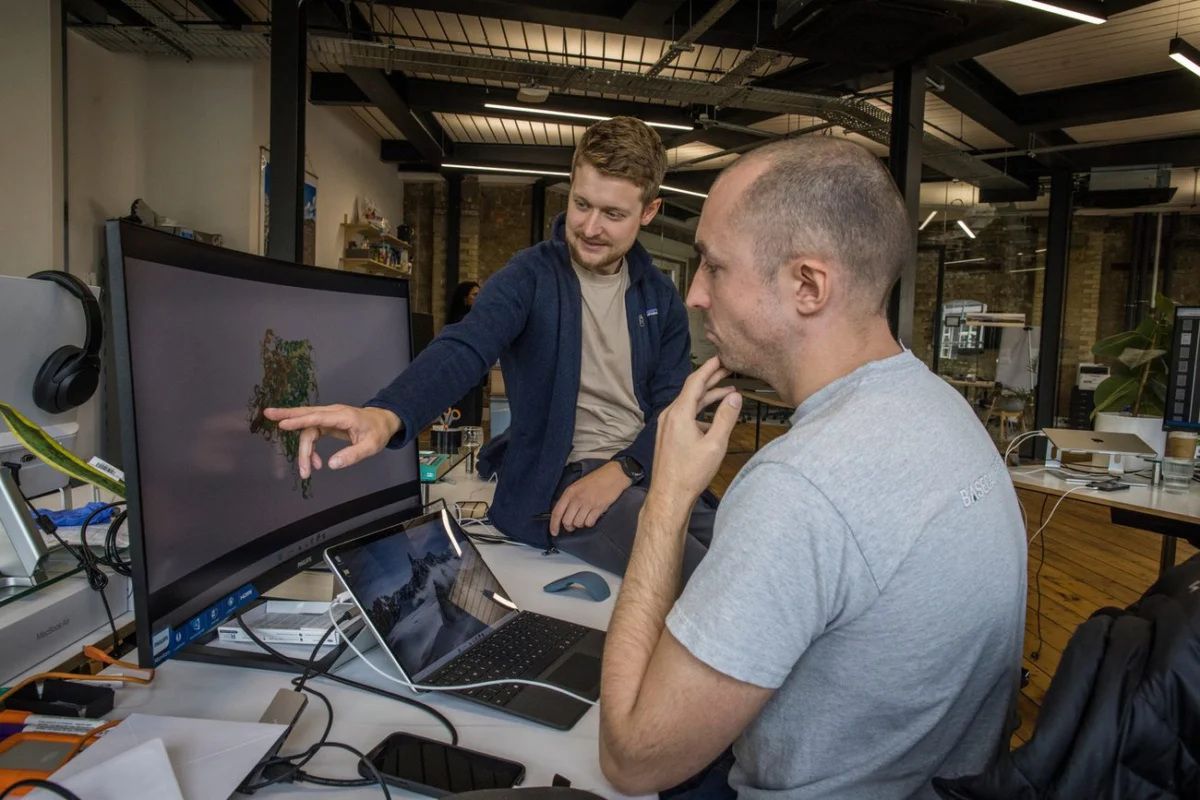
Unlike traditional drug discovery, which often relies on screening existing libraries of chemicals, EDEN designs de novo peptides tailored to the specific biochemical signatures of resistant bacteria. In a live demonstration, Basecamp co-founder Oliver Vince proved that a user could upload a patient’s microbiology report and, within minutes, receive a shortlist of candidate peptides optimized for efficacy.
Data Diversity as the Foundation of AI
The efficacy of the EDEN model is not merely a product of clever architecture; it is a result of the sheer breadth of its training data. Basecamp’s BaseData comprises 9.8 billion protein sequences—a 10-fold expansion of all publicly available protein data combined.
The Trillion Gene Atlas
The company is not resting on its current success. Through the Trillion Gene Atlas initiative, Basecamp is working alongside industry titans—including NVIDIA, PacBio, and Ultima Genomics—to scale their dataset by 100-fold over the next 24 months. This project aims to map the evolutionary landscape of life on a scale never before attempted, providing the raw material for the next generation of AI therapeutics.
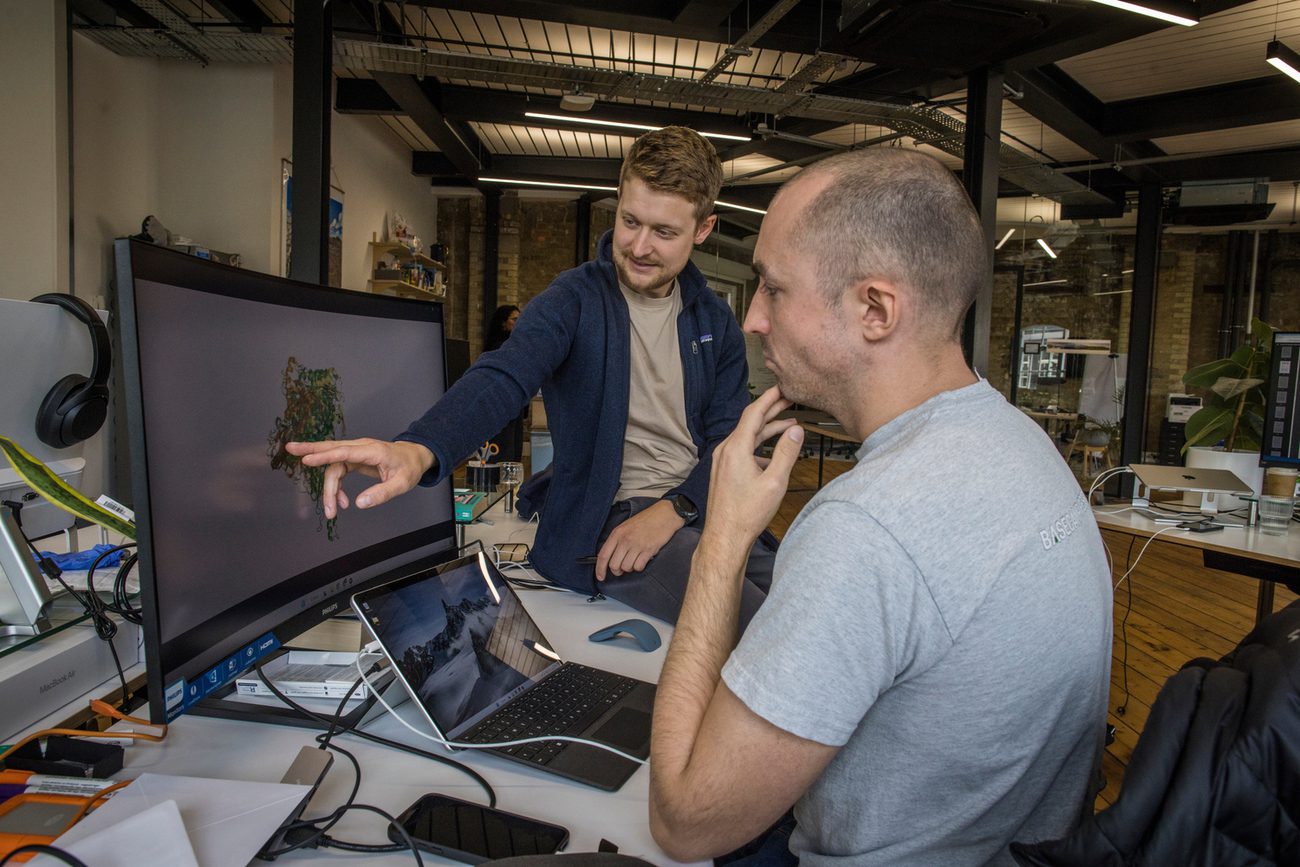
This massive infusion of data is essential for "generalizability." As Basecamp’s CSO Jonathan Finn notes, the ability to perform programmable gene insertion—placing large therapeutic DNA sequences into precise genomic locations—is entirely dependent on the diversity of the underlying model. By expanding the sequence space, Basecamp is moving beyond the "small edits" of standard CRISPR, opening the door to curative treatments for complex genetic diseases.
Official Perspectives: Agency and Accessibility
The philosophy driving this partnership is rooted in the belief that scientific agency should lie with the domain experts, not just the AI developers.
"Most models require you to be a computational scientist," says Oliver Vince. "Now, potentially any clinician in the world can chat with Claude and design an antibiotic that may work." This democratization of advanced tools is a strategic imperative for Basecamp. By lowering the barrier to entry, they hope to unlock innovations in regions where access to supercomputing infrastructure has historically been a significant hurdle.
Phil Lorenz, PhD, CTO at Basecamp, emphasizes that this is about empowering those on the front lines of healthcare. "From a strategic perspective, you want the people with the most agency to solve the problem—not the model builders who are two or three steps removed from the clinical reality."
Implications for the Future of Drug Discovery
The integration of Claude Science and the EDEN platform signals the end of the "black box" era of AI in biology. As these tools become more accessible, the cycle of discovery—from initial observation to candidate synthesis—is expected to shrink from years to weeks.
Challenges and Considerations
While the speed of these models is unprecedented, the industry faces significant regulatory and ethical hurdles. Generating "human-ready" antibiotics at the click of a button requires rigorous clinical validation and a robust framework for safety, toxicity testing, and manufacturing. Anthropic and Basecamp have acknowledged these challenges, positioning their platforms currently as "workbench assistants" that accelerate the design phase of discovery, rather than replacing the clinical trial process.
The Long-Term Impact
The implications of this shift are profound:
- Hyper-Personalized Medicine: The ability to design treatments based on specific pathogen or patient data could move us toward a future where therapeutics are engineered on-demand.
- Global Health Equity: By providing accessible, cloud-based tools, these platforms could allow smaller research institutions in developing nations to contribute to the global drug discovery pipeline.
- Biological Innovation: The expansion of the Trillion Gene Atlas ensures that the "vocabulary" of life is better understood, potentially leading to new breakthroughs in materials science, carbon sequestration, and synthetic biology beyond medicine.
Conclusion
The launch of Claude Science, bolstered by the integration of Basecamp’s EDEN models, marks a turning point in the application of artificial intelligence to the biological sciences. By replacing complex, fragmented workflows with a cohesive, conversational interface, the scientific community is entering an era where computational power is no longer a privilege of the few, but a standard tool for the many.
As Basecamp Research continues to scale its data through the Trillion Gene Atlas and Anthropic refines its reasoning layer, the promise of "programmable therapeutics" moves closer to reality. For now, the focus remains on the immediate, life-saving potential of AI-designed antibiotics. However, the true significance of this development may well be the fundamental shift in how humanity interacts with the building blocks of life—moving from mere observation to active, intelligent, and rapid design. As Oliver Vince suggests, "I think it will surprise people what these models can do." If current progress is any indicator, the scientific community should prepare to be surprised.