Unlocking Peak Efficiency: A Deep Dive into Google’s New Android Performance Analyzer
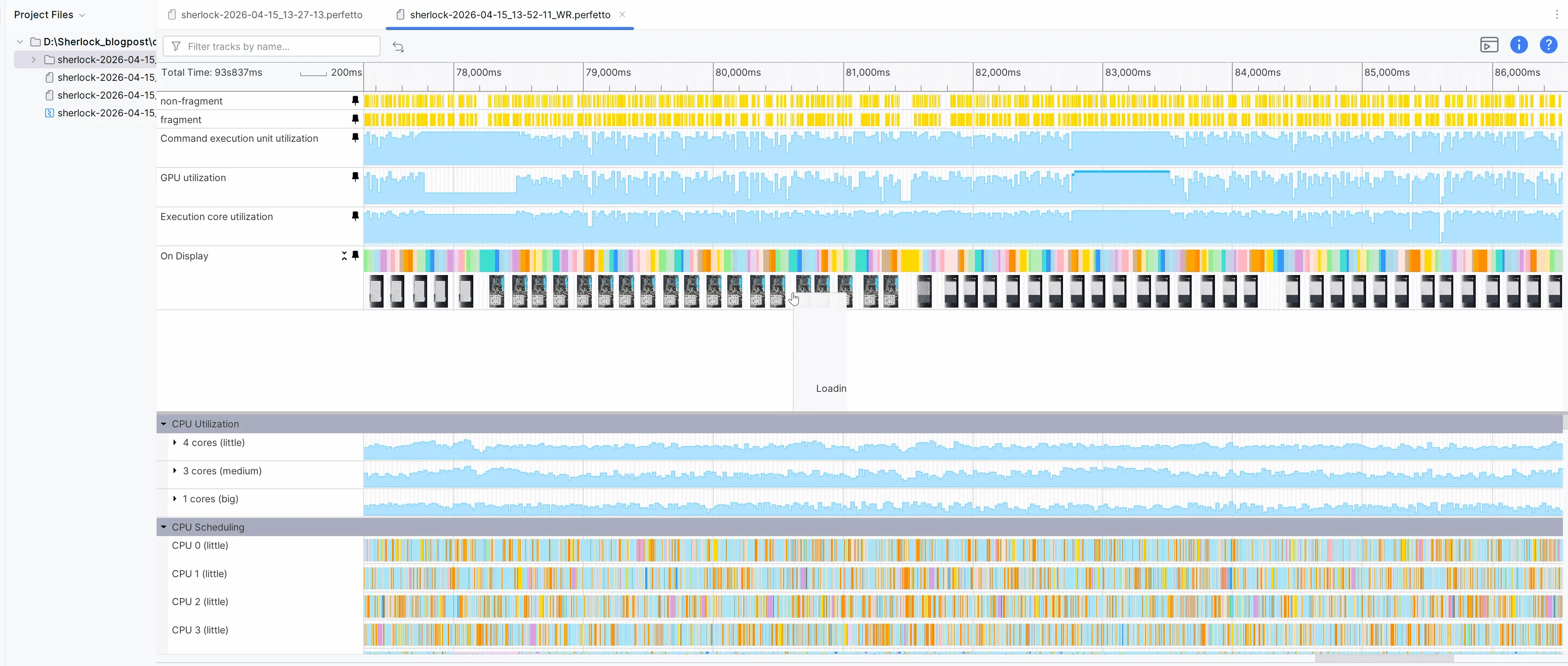
In the high-stakes world of mobile game development and application engineering, performance is the ultimate currency. As mobile hardware becomes increasingly sophisticated, the complexity of managing GPU workloads, thermal throttling, and memory overhead has reached a boiling point for developers. To address these challenges, Google has officially unveiled the Android Performance Analyzer (APA), a powerful, cross-platform diagnostic suite designed to provide granular visibility into the Android ecosystem.
Developed in collaboration with the Samsung Austin Research Center (SARC) and graphics technology leader LunarG, the APA is poised to become the industry-standard toolkit for engineers aiming to extract every ounce of potential from modern Android hardware. Currently in open beta, the tool promises to simplify the often-daunting task of performance tuning, offering a streamlined interface that bridges the gap between raw data and actionable optimization.

The Core Philosophy: What is the Android Performance Analyzer?
At its heart, the Android Performance Analyzer is more than just a monitoring utility; it is a holistic profiling ecosystem. Whether you are building a high-fidelity 3D mobile game using Vulkan or a data-intensive productivity application, the APA provides a unified window into how your code interacts with the underlying system architecture.
The tool focuses on four critical pillars: CPU scheduling, GPU performance, memory management, and power consumption. By consolidating these metrics into a single, cohesive timeline, developers can move away from "guesswork-based" optimization and toward data-driven decision-making. The interface has been crafted with team productivity in mind, ensuring that even junior developers can quickly navigate complex performance traces to identify bottlenecks.

A Chronology of Development: From Concept to Beta
The journey of the Android Performance Analyzer began with a fundamental question: How can we make professional-grade performance profiling accessible without sacrificing depth?
Historically, developers relied on fragmented toolsets—such as the Android GPU Inspector—that often lacked cross-platform consistency or ease of use. The development of the APA represents a pivot toward a more integrated workflow.

- Early Development: Google worked closely with industry partners to identify the pain points in current workflows, specifically regarding the high barrier to entry for analyzing Vulkan-based render passes.
- The Perfetto Foundation: The team selected Perfetto as the architectural backbone for system tracing, ensuring that the APA would be compatible with the most robust industry standards for trace collection.
- Strategic Partnerships: By partnering with SARC and LunarG, Google integrated advanced graphics capture and replay technologies, laying the groundwork for future frame-debugging capabilities.
- The Beta Launch: Today’s open beta marks the culmination of these efforts, bringing the tool to Windows, macOS, and Linux, ensuring that no matter the developer’s setup, the power of the APA is available.
Unpacking the Toolkit: Key Features and Capabilities
The APA release is packed with features designed to solve specific, high-friction problems in the development lifecycle.
Advanced System Profiling
The System Profiler allows for real-time analysis of system behavior. Developers can track CPU core frequencies, thread activity, and process scheduling with millisecond precision. For graphics-intensive apps, the APA provides deep-dive GPU counter data from major vendors, including Qualcomm, Arm, Imagination, and Samsung. This is complemented by SurfaceFlinger events, which allow developers to trace the entire rendering pipeline from the first line of code to the final frame displayed on the screen.

AI-Assisted Analysis
Perhaps the most groundbreaking addition is the integration of AI-driven analysis. Recognizing that modern traces can be massive and difficult to parse, Google has introduced "Perfetto SQL" skills for AI agents. Developers can now ask natural language questions—such as "Why is my app startup slow?"—and receive precise, query-based answers. This removes the need for developers to memorize complex SQL schemas, allowing them to focus on fixing bugs rather than writing database queries.
Visual Navigation and Workflow
The APA introduces a "screenshot scrubbing" feature. By capturing screenshots during a trace without adding significant performance overhead, the tool allows developers to visually correlate spikes in CPU or GPU usage with specific frames or UI states. Combined with a tabbed interface and project-based workspace management, the APA allows teams to conduct A/B testing and longitudinal performance tracking with ease.

Supporting Data: Real-World Case Studies
The efficacy of the Android Performance Analyzer is best demonstrated through the results achieved by its early access partners.
The Forge Interactive: Reducing CPU Overhead
The Forge utilized the APA to optimize their rendering engine. By using the tool to identify redundant calls to vkCmdBindDescriptorSets, they were able to reduce CPU setup costs by approximately 50%. This not only smoothed out frame rates but also significantly reduced device heat generation—extending potential play sessions by a factor of 2–3x.

NetMarble: Scaling the GPU
In the development of Seven Deadly Sins: Origin, Netmarble leveraged the APA to address GPU bottlenecks. By analyzing shader precision and the impact of upscaling techniques, the team was able to reduce the GPU cost of certain high-fidelity scenes by up to 90%. This case study highlights the importance of the APA in validating pre- and post-optimization changes.
Google’s Filament Engine
Even internal teams have benefited from the tool. While optimizing the Filament glTF Viewer, Google engineers used the APA to pinpoint scenes that exceeded GPU capacity. By adjusting texture compression and geometry, they successfully achieved a consistent 60 FPS while simultaneously reducing the application’s memory footprint.

Official Responses and Strategic Implications
The introduction of the Android Performance Analyzer signals a shift in Google’s strategy toward "Developer First" ecosystems. By providing tools that are cross-platform and AI-augmented, Google is effectively lowering the barrier to entry for high-performance Android development.
"We are committed to providing the ecosystem with the tools they need to build the next generation of mobile experiences," noted the product management team at Google. "By building on top of open standards like Perfetto, we are ensuring that the APA remains relevant and extensible as the hardware landscape evolves."

The Implications for the Ecosystem
- Standardization: The widespread adoption of the APA could lead to a more standardized approach to performance profiling across the Android gaming industry.
- Hardware Optimization: With deeper visibility into GPU counters and vendor-specific hardware behavior, developers can create apps that are better tuned for the diverse range of Android hardware, from budget devices to high-end flagships.
- The AI Shift: The integration of AI for trace analysis is likely just the beginning. We can expect future iterations of the APA to provide proactive suggestions, potentially identifying performance regressions before a single line of code is committed.
Conclusion: A New Era for Android Performance
The Android Performance Analyzer is a significant leap forward for the platform. By blending deep technical data with AI-driven insights and a modern, user-friendly interface, it effectively democratizes the ability to perform high-level optimization.
For any developer serious about their app’s longevity and performance, the APA is no longer just an optional utility—it is a necessity. As the beta period continues, the feedback from the community will be crucial in shaping the tool’s future. Developers are encouraged to download the standalone application, dive into their project traces, and utilize the built-in bug reporting tools to help Google refine the experience.

Whether you are a solo developer working on an indie title or part of a large studio, the Android Performance Analyzer provides the clarity, speed, and intelligence required to thrive in today’s competitive mobile market. The future of Android development is fast, efficient, and, thanks to the APA, finally transparent.