The Eternal Pulse: Why Infrared Technology Remains the Backbone of Modern TV Control
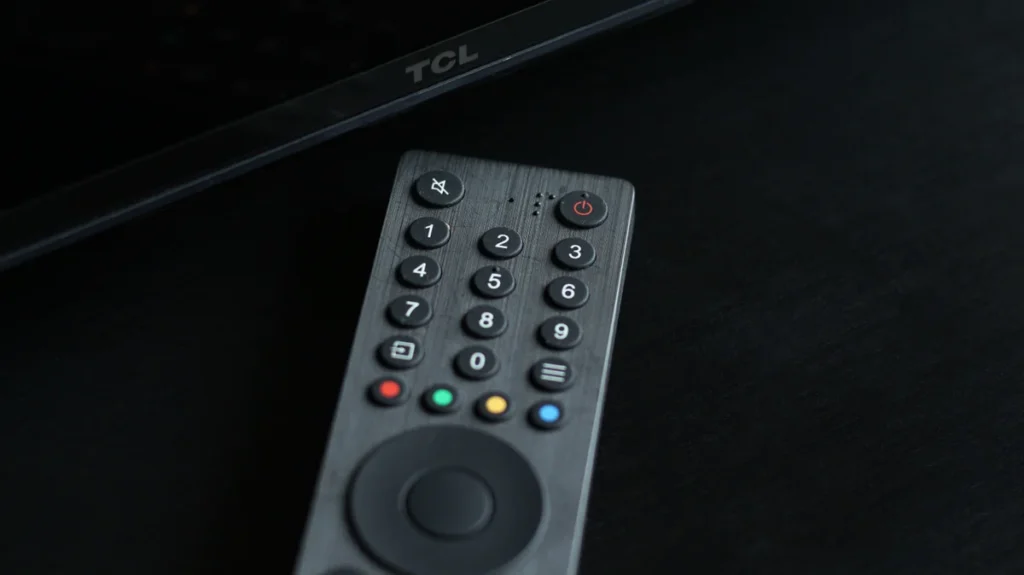
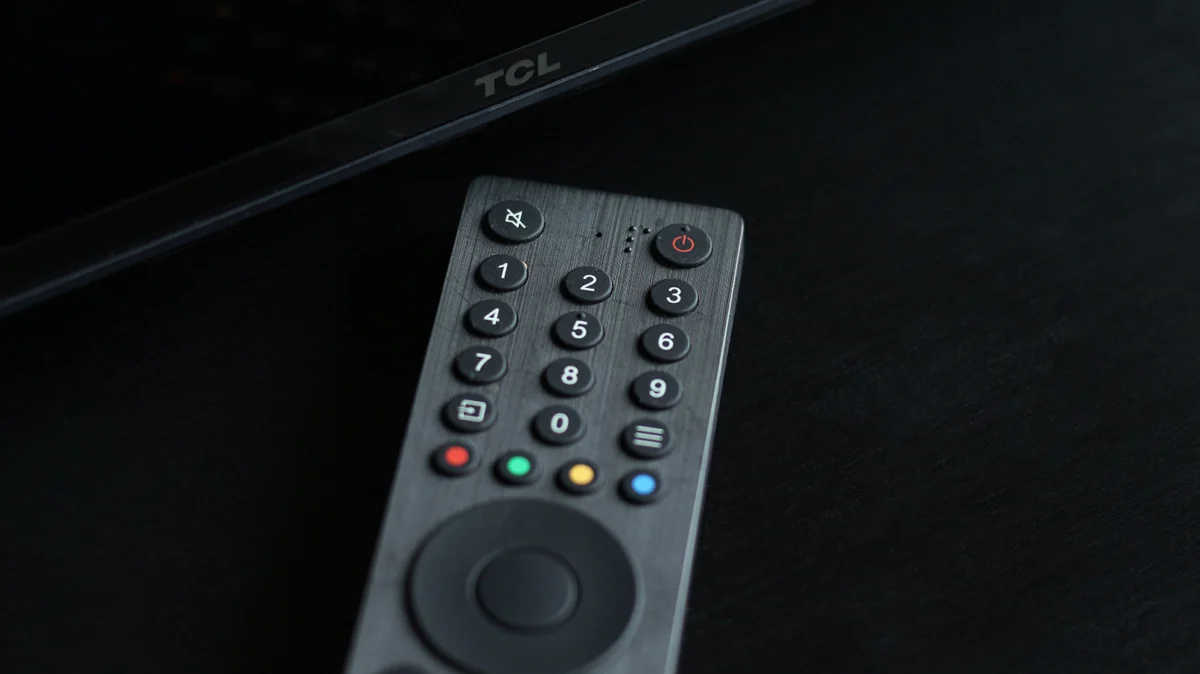
In an era of hyper-connected smart homes, voice-activated artificial intelligence, and ultra-high-definition streaming, it is somewhat paradoxical that the primary interface for our most advanced televisions relies on a communication technology that reached its commercial zenith in the 1980s. While our smartphones have transitioned from 3G to 5G and our entertainment centers have evolved from cathode-ray tubes to OLED panels, the infrared (IR) transmitter remains a permanent fixture on nearly every TV remote control produced today.
This is not a case of technological stagnation, but rather a deliberate engineering choice. To understand why infrared continues to thrive alongside modern standards like Bluetooth and Wi-Fi, we must examine the history of remote interaction, the physics of light-based signaling, and the practical realities of consumer electronics manufacturing.
The Evolution of the "Lazy Bones"
The history of the TV remote is a fascinating chronicle of human laziness and engineering ingenuity. The journey began in 1950, when the Zenith Radio Corporation introduced the "Lazy Bones." Despite its marketing, the device was far from convenient; it was a bulky, rectangular box connected to the television by a thick, beige cable that snaked across the living room floor. It was a trip hazard, a nuisance, and—most importantly—it was the first step toward the sedentary television experience we know today.
By 1955, Zenith pushed the boundaries of innovation with the "Flash-Matic." This was the first truly wireless remote control, utilizing a focused beam of visible light to trigger photo-cells mounted on the corners of the TV screen. While conceptually brilliant, it was plagued by a fatal flaw: sunlight. On a bright day, ambient light would occasionally trigger the TV’s functions, causing channels to change spontaneously.
It wasn’t until the 1980s that infrared technology became the industry standard. By utilizing the invisible part of the electromagnetic spectrum, IR remotes could communicate without the interference of ambient visible light. For over four decades, this technology has remained the bedrock of home entertainment, providing a simple, inexpensive, and reliable method of signal transmission that requires no complex pairing protocols.
The Mechanics of the Invisible Beam
At its core, an infrared remote is a marvel of simplicity. When a user presses a button, an internal integrated circuit generates a specific binary code corresponding to that command (e.g., volume up, power, channel change). This digital signal is then converted into rapid, microscopic pulses of invisible infrared light emitted by an LED at the tip of the remote.
On the receiving end, the television is equipped with an infrared photodiode. This sensor acts as a gatekeeper, filtering out ambient light and "seeing" only the specific frequency of the pulses sent by the remote. It then translates those pulses back into digital commands that the TV’s processor executes.
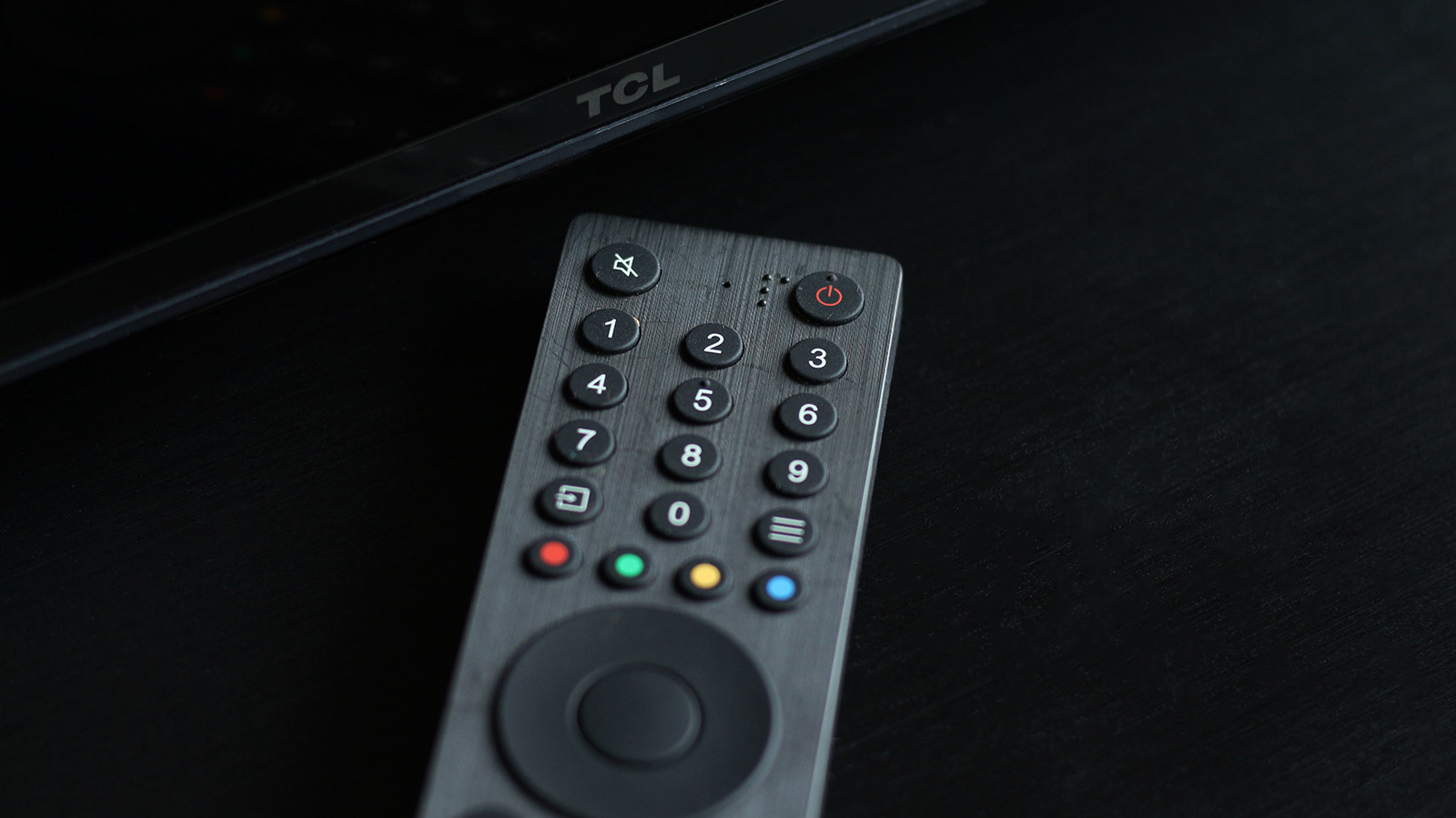
An interesting experiment for the curious consumer is to point a TV remote at a smartphone camera while pressing a button. Because digital camera sensors are often sensitive to the near-infrared spectrum, the camera will reveal the otherwise invisible LED flashing rapidly, providing a visual confirmation of the data transmission occurring in real-time.
Why Bluetooth Hasn’t Won the War
With the rise of "Smart TVs," Bluetooth has become the preferred secondary protocol for remotes. Unlike infrared, which requires a direct line-of-sight between the remote and the TV sensor, Bluetooth utilizes radio waves, allowing the remote to work from behind a couch, from a different room, or under a blanket. Bluetooth also supports bidirectional communication, which is necessary for features like voice recognition, air gestures, and haptic feedback.
However, Bluetooth is not a panacea. The primary hurdle is the "pairing" process. For a Bluetooth device to communicate with a receiver, a digital "handshake" must occur to establish a secure link. This presents a classic "chicken-and-egg" problem: How does a user initiate the pairing process if the TV is not yet configured or the remote hasn’t been recognized?
Furthermore, Bluetooth devices require power to maintain an active connection, even in standby. Infrared, by contrast, is passive until the moment a button is pressed. This makes IR the perfect "cold start" mechanism. Even if a TV’s Bluetooth module is completely powered down or uninitialized, the IR receiver is always "listening," waiting for the power-on signal.
Compatibility and the Economic Factor
Beyond the technical requirements of the boot sequence, there is the undeniable factor of cost and backward compatibility. Infrared components—the LED transmitter and the photodiode receiver—cost manufacturers mere pennies to integrate. Over decades of mass production, the supply chain for IR components has become so optimized that there is virtually no incentive to remove them.
Moreover, the ecosystem of home theater equipment is vast. Millions of legacy soundbars, Blu-ray players, and cable boxes rely exclusively on infrared. By keeping an IR transmitter on the remote, manufacturers ensure that their new television can often control existing third-party devices right out of the box, preserving a sense of interoperability that consumers have come to expect.
The Modern Hybrid Reality
In the contemporary market, the industry has settled on a "best of both worlds" approach. Most premium smart remotes are now hybrid devices. They use Bluetooth for the heavy lifting—navigating complex smart menus, sending voice commands to digital assistants, and controlling smart home devices—but they retain the infrared transmitter as a fallback and an initialization tool.
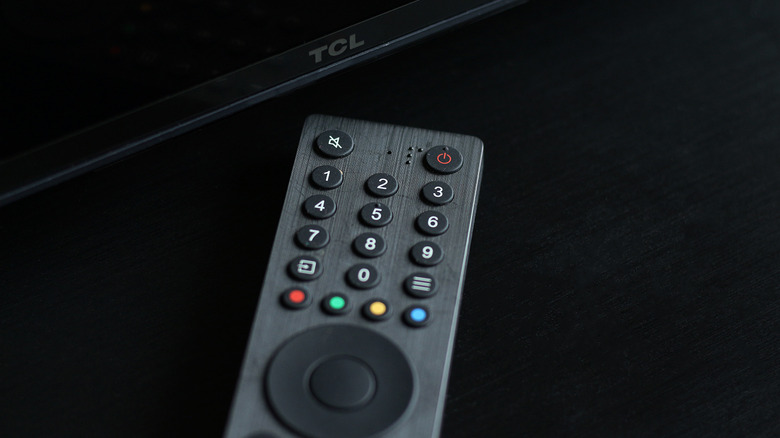
Tests on modern smart TVs from major manufacturers like TCL, Samsung, and LG confirm this hybrid behavior. If a user unpairs their Bluetooth remote, the device almost always defaults to infrared mode, allowing the user to continue controlling basic functions like power and volume. This ensures that even if a firmware update breaks a Bluetooth connection or a battery replacement causes a pairing failure, the television remains functional.
Implications for the Future of Smart Homes
As we look toward the future of the "Internet of Things" (IoT), some might argue that IR is a relic destined for the scrapheap. However, the reliability of IR offers a lesson in "graceful degradation." In engineering, this refers to a system’s ability to maintain a level of functionality even when its primary components fail.
By keeping infrared as a foundational layer, manufacturers have built a system that is incredibly resilient. The reliance on IR ensures that the most critical function of a television—turning it on—is decoupled from the complexities of software, wireless networking, and Bluetooth interference.
Furthermore, as the smart home expands, the ability of IR to be easily "learned" by universal remote systems remains a significant advantage. While protocols like Matter or Zigbee are designed for device-to-device communication, infrared remains the universal language of simple, point-and-click control.
Conclusion: The Endurance of Simplicity
The persistence of infrared technology in an age of high-speed wireless connectivity is a testament to the value of simplicity. While Bluetooth and Wi-Fi provide the bandwidth and convenience required for the modern smart home experience, infrared provides the reliability and universal compatibility that allows the ecosystem to function even when things go wrong.
It is highly unlikely that infrared will disappear from our living rooms anytime soon. As long as there is a need to wake a device from a deep sleep, to ensure compatibility with legacy hardware, and to provide a "fail-safe" method of interaction, the invisible pulse of the infrared LED will continue to flash. It serves as a reminder that in the world of technology, the most sophisticated solution isn’t always the one that replaces its predecessor—sometimes, the best technology is the one that simply works, every time, without needing a connection at all.