The Resurgence of Recycled Computing: DIY Perks Unlocks Value and Creativity in PC Building
Introduction: Main Facts
The landscape of personal computer building, once a vibrant arena for innovation and personal expression, has in recent years been overshadowed by soaring component costs and supply chain volatility. What began as an exciting quest for the latest and greatest hardware, balanced against an individual’s budget, has for many devolved into a prohibitive financial burden, draining much of the inherent joy from the DIY experience. However, a groundbreaking approach pioneered by Matt, the creative mind behind the popular YouTube channel DIY Perks, is breathing new life into this enthusiast space. By championing the art of recycling and repurposing electronic waste, Matt has not only discovered a potent solution to the affordability crisis but has also reignited the passion for hands-on creation, demonstrating that high-performance computing can be both accessible and sustainable.
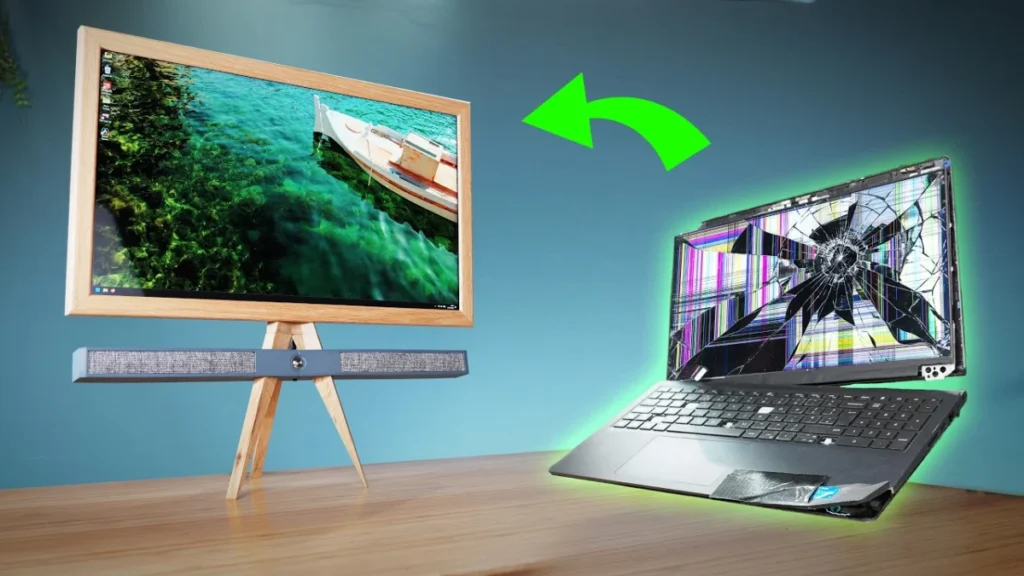
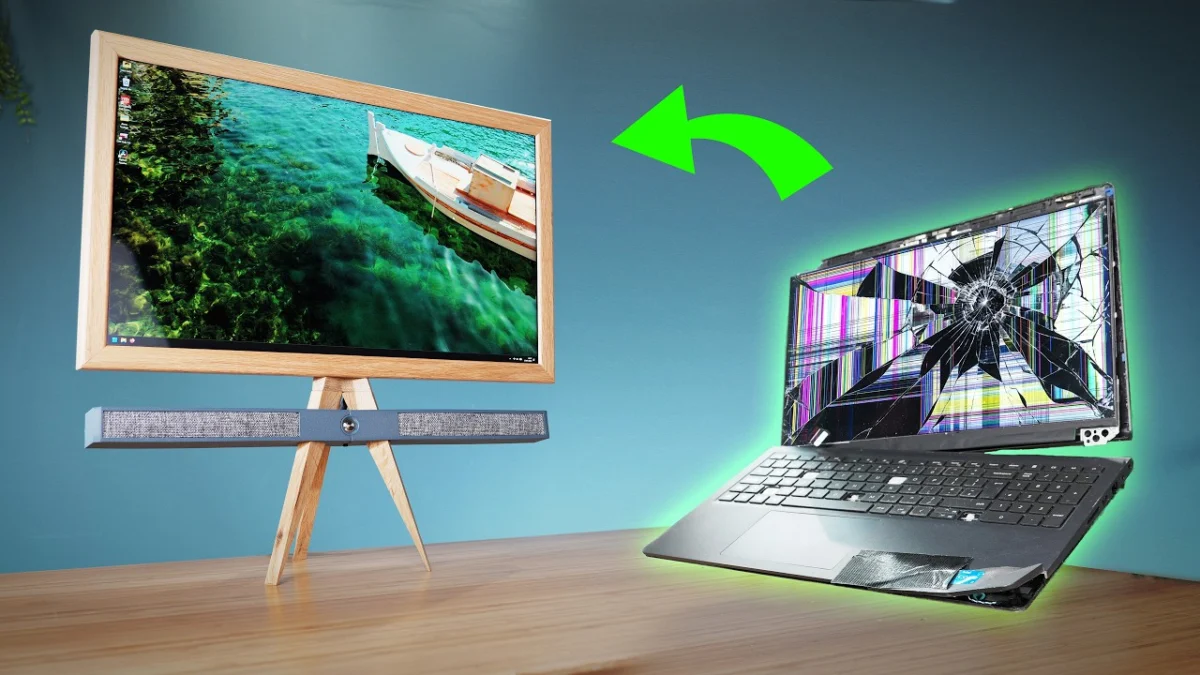
His innovative methodology, vividly showcased in a recent video titled "Recycling Destroyed Tech into Beautiful PCs," and further detailed on his dedicated forum, centers on extracting valuable components from discarded electronics. The core of his builds often comprises salvaged laptop motherboards, which offer an unparalleled value proposition by integrating processors, ample RAM (often 32GB soldered directly onto the board), and even discrete RTX graphics into a single, compact unit. This strategy dramatically undercuts the cost of purchasing these components new, where the price of RAM sticks alone can rival the expense of an entire recycled laptop motherboard. Beyond the internal workings, Matt extends this philosophy to peripherals and aesthetics, meticulously delaminating cracked glass from old Intel iMacs to retrieve stunning, better-than-4K Retina displays, and repurposing speakers from defunct televisions. The result is not merely a functional computer but a testament to ingenuity, sustainability, and bespoke design, often encased in elegant, custom-crafted enclosures of oak and aluminum.
A Deep Dive into the "Recycling Revolution": Chronology and Process
The journey into recycled computing, as meticulously documented by Matt, is a masterclass in problem-solving and resourceful engineering. His work effectively traces the evolution of an idea from a simple observation – that new tech is too expensive – to a complex, multi-faceted solution that challenges conventional notions of obsolescence.
The Genesis of a Solution
Matt’s initial foray into this realm was driven by a fundamental shift in the PC building community. The thrill of selecting cutting-edge components, optimizing performance-to-price ratios, and assembling a personalized machine had gradually diminished. Global supply chain disruptions, exacerbated by factors like the cryptocurrency mining boom and increased demand during periods of remote work, sent prices for graphics cards, processors, and memory modules skyrocketing. This made the dream of building a powerful custom PC unattainable for many, particularly new enthusiasts or those on a tighter budget. It was against this backdrop of financial frustration that Matt identified the immense, untapped potential residing within electronic waste. He recognized that while external components of a laptop might be damaged – a cracked screen, a faulty keyboard, or a dead battery – the core processing unit, the motherboard, often remained perfectly functional, representing a hidden reservoir of high-value components.
The Laptop Heartbeat: Sourcing and Integration
The cornerstone of Matt’s recycled PC builds is the salvaged laptop motherboard. Unlike their desktop counterparts, laptop motherboards are designed for extreme integration, packing a CPU, GPU (often a powerful NVIDIA RTX series chip), and a significant amount of RAM (frequently 32GB or more) onto a single, compact PCB. This level of integration is a double-edged sword for traditional repair but a boon for recyclers. For the price of what one might pay for 32GB of new desktop RAM, an entire, fully functional laptop motherboard, complete with a powerful processor and dedicated graphics, can often be acquired from a discarded or "destroyed" laptop.
The technical challenge, however, lies in bringing these dormant components to life. Laptop motherboards are not designed for standalone operation; they typically rely on a specific power sequence initiated by a keyboard controller. Matt’s ingenious solution involves identifying the specific pin on the keyboard membrane connector that corresponds to the power button. Through careful probing and reverse-engineering, he crafts a single-pin ribbon cable, effectively creating a custom power button that allows the motherboard to boot independently. This critical hack bypasses the need for the original laptop chassis and its integrated keyboard, opening the door for these motherboards to be housed in custom enclosures. While this specific power button hack might be the most intricate part, Matt notes that some salvaged laptops might simplify this step if their power-on sequence isn’t tied directly to the keyboard membrane, making the process even more accessible for future tinkerers. Beyond power, adequate cooling, custom BIOS modifications (if needed), and bespoke power supply solutions are all part of the intricate dance of integration.
Visual Brilliance: Resurrecting iMac Displays
Matt’s commitment to recycling extends beyond the computer’s core to its visual interface. His method of salvaging high-quality displays from old Intel iMacs is particularly compelling. Many iMacs, despite their age, house premium Retina displays that far exceed typical monitor resolutions, often boasting better-than-4K clarity. These units frequently end up in the discard pile due to a cracked outer glass panel, even if the underlying LCD matrix is perfectly intact. Matt demonstrates the painstaking process of delaminating this damaged outer glass, carefully separating it from the functional LCD panel. This labor-intensive task, requiring patience and precision, yields a high-resolution screen for "nothing but sweat equity." The recovered LCD panel then requires custom controller boards and power supplies to interface with a new system, but the fundamental component – a pristine, high-DPI display – is obtained at virtually no material cost. This not only provides an exceptional viewing experience for the recycled PC but also diverts a significant piece of complex electronics from landfill, transforming it into a valuable resource.
Acoustic Revival: E-Waste Audio
Completing the immersive experience, Matt further embraces the e-waste philosophy by incorporating salvaged audio components. In his showcased build, the speakers are recovered from an old television set. This decision highlights the ubiquity of quality components in everyday electronics that are often discarded when the primary device fails. Integrating these speakers into the custom PC build requires careful consideration of acoustics, wiring, and power amplification, yet it further reinforces the project’s core message: valuable resources are often overlooked in our haste to acquire new.
Crafting the Enclosure: Form Meets Function
The aesthetic appeal of Matt’s creations is as significant as their technical ingenuity. The "oak-and-aluminum all-in-one tripod" enclosure for his recycled PC is a testament to his craftsmanship and design philosophy. DIY Perks is renowned for its visually stunning, meticulously crafted projects that often blend natural materials with industrial elements. This particular design, featuring warm oak and sleek aluminum, exemplifies a harmonious fusion of natural elegance and modern engineering. The integrated tripod stand provides a stable and minimalist footprint, transforming the PC into a functional piece of art. The original article playfully notes the build might have "too little brass to be on-brand for [DIY Perks]," referencing Matt’s occasional affinity for polished brass accents in past projects. This detail, however, only underscores his versatility and commitment to exploring diverse material palettes while maintaining his signature level of finish and attention to detail. The choice of materials not only serves an aesthetic purpose but also often plays a role in passive cooling or structural integrity, showcasing a holistic design approach.
The Economic and Environmental Imperative: Supporting Data
Matt’s recycled PC initiative is not merely a creative endeavor; it addresses two critical, interconnected global challenges: the spiraling cost of new technology and the escalating crisis of electronic waste.
The Soaring Cost of New Components
The past few years have seen unprecedented price increases across the PC hardware market. Factors such as a global semiconductor shortage, heightened demand from gaming and professional sectors, and speculative buying (e.g., cryptocurrency mining driving up GPU prices) have created a challenging environment for consumers. Graphics cards, once a relatively accessible upgrade, have seen price tags inflate by 50-200% over MSRP at various points. RAM and SSDs, while stabilizing somewhat, also saw significant increases. Processors, though generally more stable, still represent a substantial investment. This inflationary trend has pushed the entry barrier for custom PC building to an all-time high, making it difficult for students, budget-conscious enthusiasts, or individuals in developing economies to participate. Matt’s approach directly counters this by tapping into a depreciated asset class – used and discarded electronics – to provide high-performance solutions at a fraction of the retail cost of new components. The economic data clearly supports the value proposition: a complete laptop motherboard with an integrated GPU and 32GB of RAM, acquired for a fraction of the cost of new RAM sticks alone, represents an extraordinary saving.
The E-Waste Crisis
Parallel to the economic challenge is the urgent environmental crisis of electronic waste (e-waste). According to various international reports, the world generates tens of millions of metric tons of e-waste annually, a figure that continues to grow. Much of this waste contains hazardous materials like lead, mercury, and cadmium, which can leach into soil and water, posing severe environmental and health risks. Furthermore, e-waste represents a colossal loss of valuable resources, including precious metals (gold, silver, copper, platinum) and rare earth elements, which are energy-intensive to mine and process.
Matt’s projects offer a tangible, practical solution to this problem. By rescuing functional components from devices destined for landfill, he directly contributes to the circular economy. Each laptop motherboard, iMac screen, or set of TV speakers he repurposes is one less item contributing to the e-waste pile. His work not only reduces waste but also promotes the recovery of embodied energy and materials, lessening the demand for new manufacturing. This aligns perfectly with the principles of "reduce, reuse, recycle," pushing beyond mere recycling to the more impactful "reuse" stage. The educational aspect of his videos also plays a crucial role, inspiring countless others to consider the lifecycle of their electronics and to explore similar repurposing initiatives.
The DIY Movement’s Rise
Matt’s work is emblematic of a broader, global DIY (Do-It-Yourself) and repair movement. This movement is fueled by a growing desire for self-sufficiency, a rejection of planned obsolescence, and a commitment to sustainability. Online communities, forums, and platforms like YouTube have become hubs for sharing knowledge, techniques, and resources related to repairing, modifying, and repurposing electronics. The "Right to Repair" movement, gaining traction worldwide, advocates for consumer access to repair information, parts, and tools, challenging manufacturers’ proprietary control over their products. DIY Perks stands at the forefront of this cultural shift, demonstrating what’s possible when individuals are empowered with knowledge and a willingness to innovate. His projects foster a sense of accomplishment and connection to technology that is often lost in an era of sealed, non-repairable devices.
Industry Perspectives and Potential: Official Responses and Implications
The implications of Matt’s "recycling revolution" extend far beyond individual enthusiasts, touching upon industry practices, policy debates, and the future trajectory of sustainable computing.
Manufacturer Stance
From a manufacturer’s perspective, the rise of recycled computing presents a complex dilemma. On one hand, it could be seen as a threat to new product sales, as consumers opt for cheaper, repurposed alternatives. The trend towards integrating components directly onto motherboards (like soldered RAM or non-upgradable storage) can be viewed as an attempt to limit user repairability and encourage full system replacement. However, ignoring the growing e-waste problem and consumer demand for sustainable options is no longer viable. Some manufacturers might cautiously welcome the public goodwill generated by initiatives that extend product lifecycles, even if indirectly. There’s also potential for new markets in certified refurbished components or official guides for repurposing older tech. The "Right to Repair" movement, which directly challenges manufacturers’ control over their products’ post-purchase life, adds further pressure for greater transparency and support for repair and reuse. Matt’s work implicitly argues for designs that are more modular and easier to service, even if they aren’t directly supported by manufacturers for such extensive repurposing.
The Future of Sustainable Computing
The "Recycling Destroyed Tech into Beautiful PCs" concept offers a compelling vision for the future of sustainable computing. If widely adopted, it could significantly reduce e-waste and the demand for new raw materials. This approach promotes a circular economy model where devices are valued for their constituent parts long after their primary use. The educational impact of DIY Perks’ content is crucial here; by demystifying complex technical challenges, Matt inspires a new generation of makers and problem-solvers. This could lead to the emergence of small businesses specializing in custom-built, recycled PCs, catering to niche markets that prioritize sustainability and affordability. Moreover, it could influence future product design, encouraging manufacturers to create components that are more easily separable, repairable, and thus more amenable to repurposing. Imagine a future where laptop motherboards come with standardized, easily accessible power pinouts, or where display panels are designed for straightforward extraction and integration into new systems.
Challenges and Limitations
Despite its immense promise, the widespread adoption of recycled computing faces several challenges. Firstly, the technical skills required, while learnable, are not universally possessed. Identifying power pins, managing thermal solutions for components not in their original chassis, and integrating disparate parts require a degree of technical proficiency and patience. Secondly, the availability of suitable e-waste can be inconsistent. Finding laptops with intact motherboards and powerful integrated graphics, or iMacs with functional LCDs but cracked glass, depends on local waste streams and scavenging opportunities. The "rabbit hole" of researching compatible parts, as Matt describes, can be time-consuming. Thirdly, there are concerns regarding the longevity and warranty of recycled parts. While a component might be functional, its remaining lifespan is unknown, and it comes without manufacturer support. Finally, the time investment required for these bespoke builds is considerable, making them less appealing for those seeking a quick, off-the-shelf solution. However, for enthusiasts and those committed to sustainability, these challenges are often viewed as part of the rewarding journey.
Conclusion
Matt from DIY Perks has not simply built a few custom PCs; he has ignited a conversation and demonstrated a viable path forward for the entire PC building community. His "recycling revolution" offers a powerful antidote to the prohibitive costs and environmental concerns that have plagued the industry. By ingeniously repurposing discarded laptop motherboards, high-resolution iMac screens, and other e-waste, he has proven that high-performance, aesthetically pleasing, and sustainable computing is not only possible but also deeply rewarding.
His work transcends mere technical hacks; it embodies a philosophy that values resourcefulness, creativity, and environmental stewardship. It reminds us that "new" isn’t always "better," and that significant value often lies hidden in plain sight, waiting to be rediscovered and reimagined. As the world grapples with the twin challenges of economic accessibility and environmental sustainability in technology, Matt’s innovative spirit, showcased through his oak-and-aluminum creations and meticulously documented processes, stands as a beacon of inspiration. He has truly brought the fun back to PC building, not just for himself, but for countless individuals eager to embrace a more conscious and creative approach to technology.