The Future of Connectivity: Why the Modular ‘DockFrame’ is Redefining Peripheral Hardware
Crowdfunding has long served as the crucible for technological innovation. It acts as a bridge between the visionary concepts of independent creators and the practical demands of the consumer market. When a pitch resonates with the community, it transforms from a simple CAD drawing into a tangible product, democratizing hardware development in the process. History is replete with success stories—most notably the original Pebble smartwatch, which famously shattered its $100,000 goal in 2012 to secure over $10 million, eventually shipping more than two million units and cementing its legacy in the annals of wearable tech.
Now, HW Media Lab is looking to replicate that spirit of open-source success. Following the triumph of their first venture, the "WebScreen"—a versatile secondary display for gamers and creators that saw its funding goal more than doubled on Crowd Supply—the team is back. Their latest project, the DockFrame, aims to solve the perennial problem of proprietary, e-waste-heavy USB-C hubs by introducing a fully modular, repairable, and extensible docking station built on the robust foundation of Framework’s expansion ecosystem.
The Architecture of Openness: Beyond the Generic Hub
To the casual observer, a USB-C hub is a disposable commodity. Often encased in sealed, non-repairable plastic, these devices typically offer a fixed array of ports that become obsolete or insufficient as a user’s workflow evolves. Once a port fails or a connector snaps, the entire unit usually ends up in a landfill.
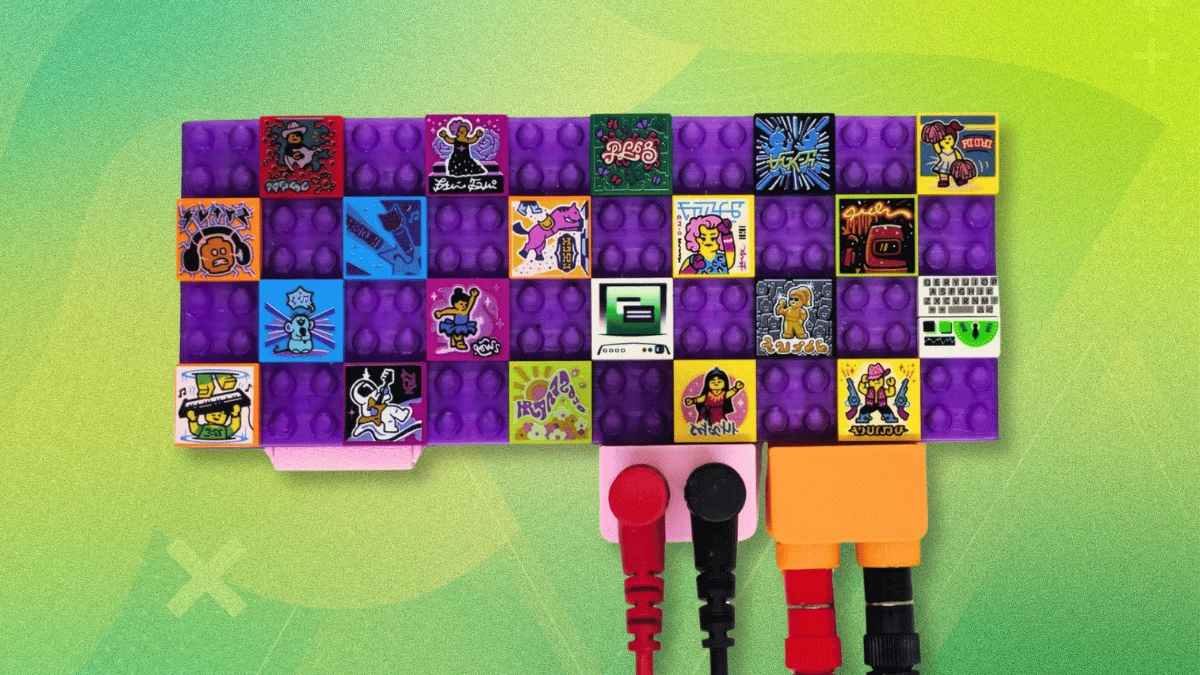
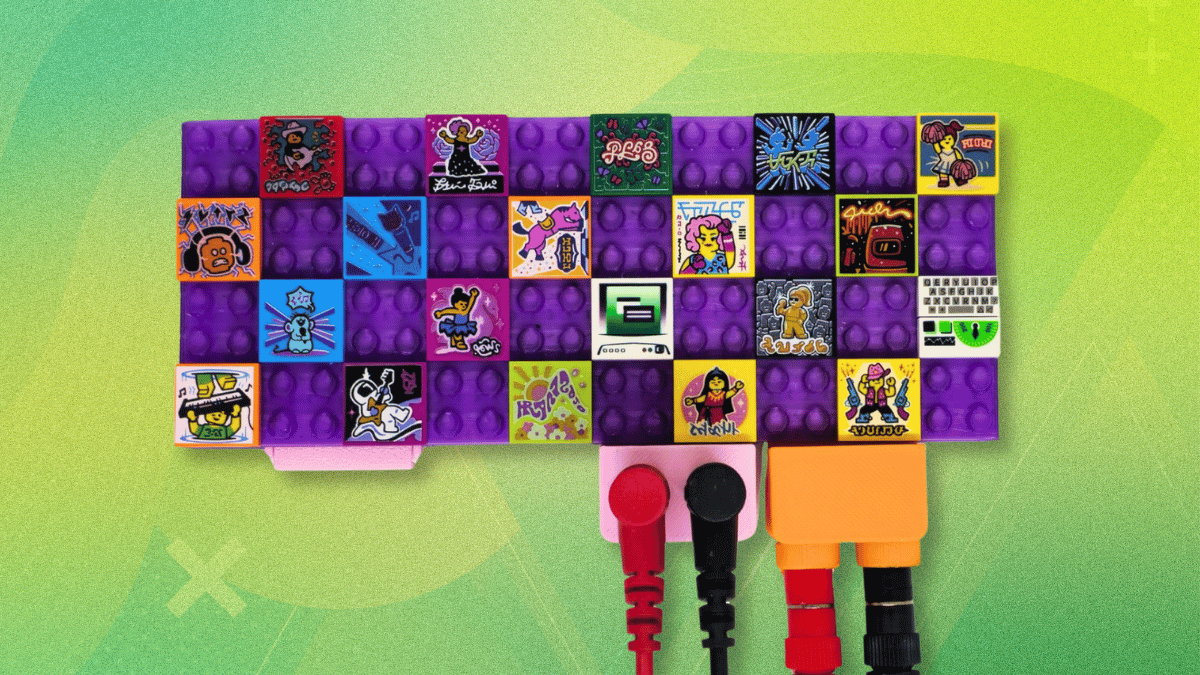
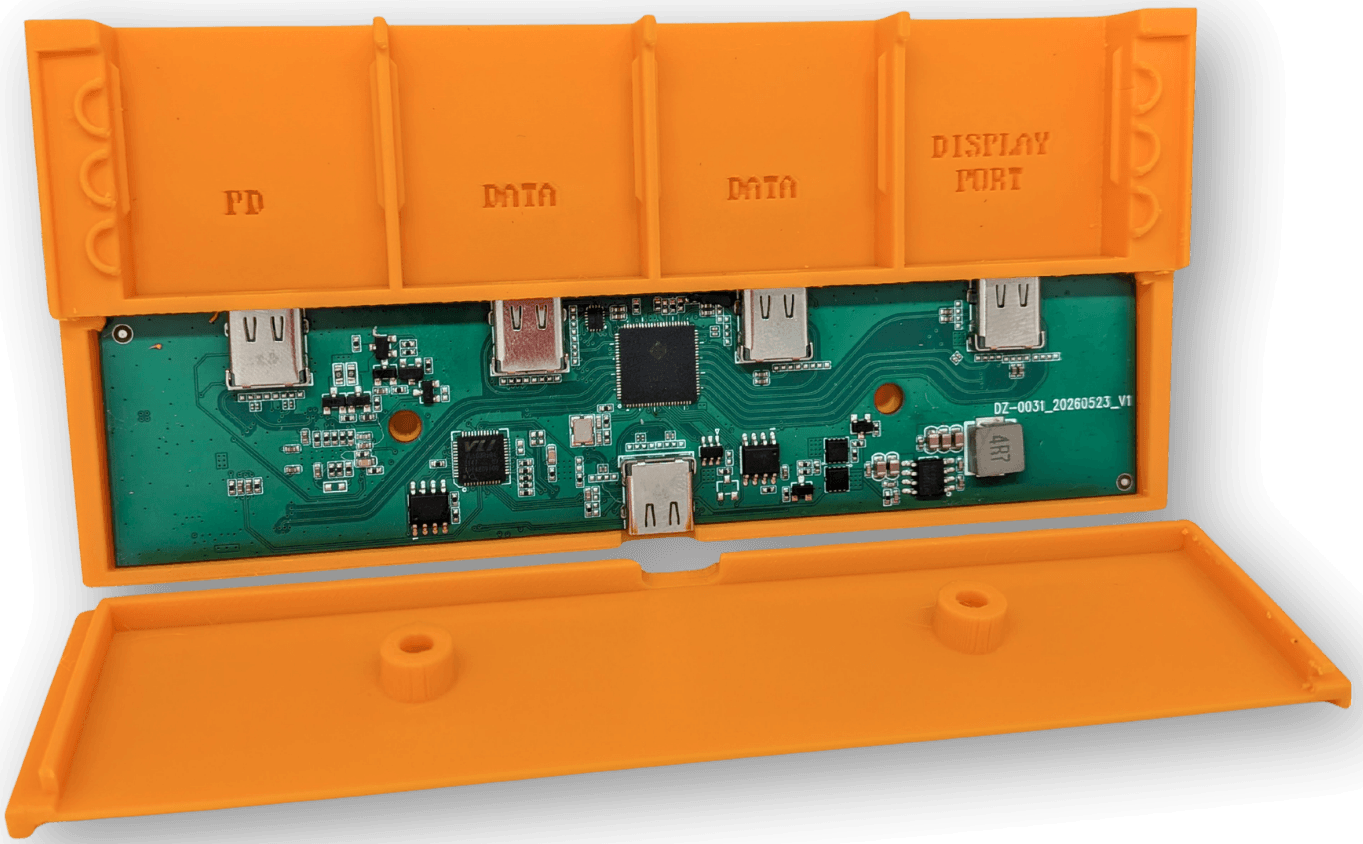
The DockFrame disrupts this cycle. By adopting Framework’s open-source Expansion Card standard, the DockFrame is not merely a peripheral; it is a platform. The device features four dedicated slots that accept the exact same hot-swappable cards used in Framework’s acclaimed line of modular laptops and desktops.
This design choice has profound implications for sustainability. Users who upgrade their laptops and find themselves with spare USB-A, HDMI, Ethernet, or high-speed storage cards no longer need to hide them away in a drawer. These components can be seamlessly integrated into the DockFrame, turning "legacy" hardware into active, functional parts of a desktop workstation.
Technical Specifications and Modular Versatility
At its core, the DockFrame is engineered for performance and expandability. It operates on the USB 3.2 standard, ensuring high-speed data transfer rates, and supports USB-C DisplayPort and Power Delivery passthrough of up to 100W. This makes it a capable companion for power-hungry devices, including modern workstations and high-performance tablets.
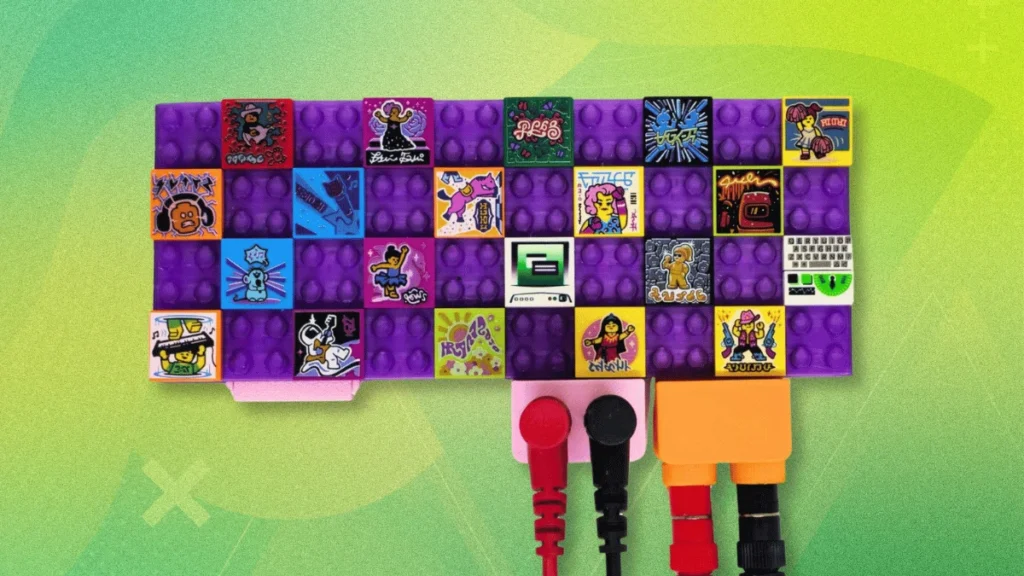
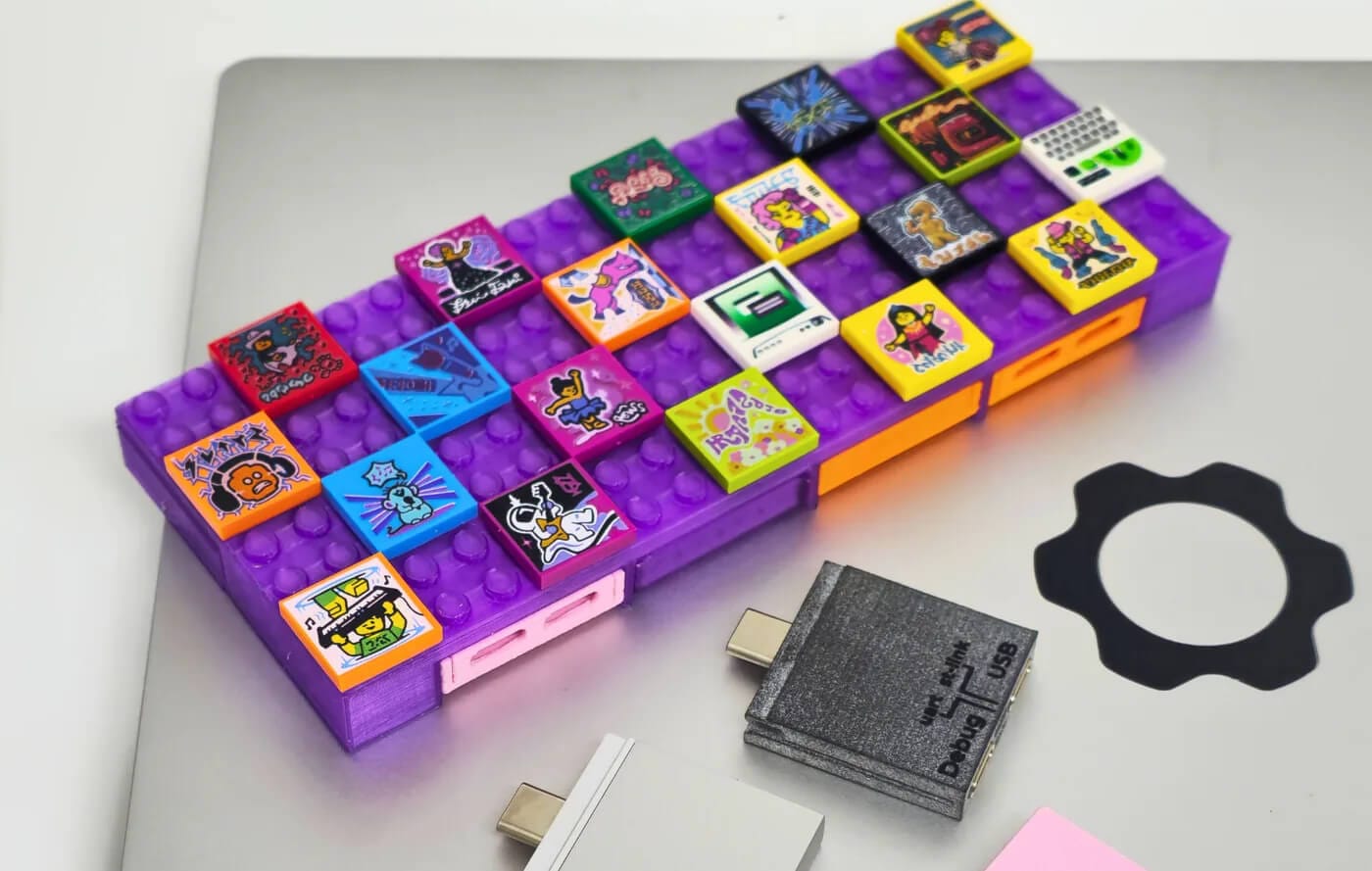
The physical construction of the DockFrame is equally thoughtful. The hub is housed in an injection-molded, translucent chassis that pays homage to the "nerd-chic" aesthetic of early 2000s electronics while remaining modern and functional. It supports Framework’s "Desktop Tiles" system, allowing for a cohesive aesthetic across a workspace.
Perhaps the most ingenious physical feature is the integration of a LEGO-compatible stud grid on the bottom of the chassis. This allows users to stack multiple DockFrames, chain them together, or secure them to custom mounting solutions. For power users who find four slots insufficient, the ability to physically expand the docking array provides a level of freedom previously unavailable in consumer-grade hubs.

The Maker’s Edge: Custom Tool Cards and DIY Integration
What truly separates the DockFrame from its competitors is the commitment of HW Media Lab to the "Maker" community. The team is not just relying on existing hardware; they are actively developing their own "Tool Cards." These specialized expansion modules could potentially turn a standard dock into a portable laboratory.
For engineers, educators, or embedded systems developers, the potential is staggering. Because the DockFrame utilizes an open slot standard, users are encouraged to design their own cards. Whether you need a specialized sensor array, a logic analyzer, or a custom interface for industrial equipment, the DockFrame acts as the host.
Furthermore, the unit supports custom host applications that communicate with the onboard microcontrollers (MCUs) via various protocols, including USB serial, Wi-Fi, Bluetooth, and even ESP-NOW for low-power wireless communication. By bridging the gap between a standard PC peripheral and a microcontroller development board, the DockFrame effectively eliminates the need to carry three separate devices—a hub, a multimeter, and a power supply—to a workspace.
Repairability as a Philosophy
In an era of "planned obsolescence," where devices are increasingly glued shut, the DockFrame stands as a beacon of repairability. The device is held together entirely by standard screws, meaning that if a component fails or a port is damaged, the user can open the chassis, diagnose the issue, and perform a repair or replacement without voiding a warranty or needing proprietary tools.
This philosophy aligns perfectly with the broader Right to Repair movement, which advocates for consumer autonomy over their own hardware. By providing schematics, board layouts, firmware source code, and FreeCAD case files on GitHub, HW Media Lab is inviting the global community to participate in the lifecycle of the product. This transparency ensures that even if the original manufacturer were to cease support, the device would remain functional indefinitely, maintained by the collective knowledge of its users.
Chronology of Development and Future Outlook
The journey of the DockFrame began as an internal experiment at HW Media Lab, born out of a frustration with existing, rigid hardware solutions. After the success of the WebScreen, the team shifted their focus toward the "docking problem."
- Phase 1 (Concept): Initial prototyping focused on ensuring compatibility with the existing Framework Expansion Card interface to ensure interoperability.
- Phase 2 (Design): The inclusion of the LEGO-compatible base and the development of the translucent, modular chassis.
- Phase 3 (Community Engagement): HW Media Lab established a Discord server to solicit real-time feedback from the community, allowing the hardware design to iterate based on actual user needs rather than internal assumptions.
- Current Status: The project is currently in the late stages of pre-launch. While an official price tag and release date remain pending, the team is actively gathering data through an interest form on their official website.
Implications for the Tech Ecosystem
The introduction of the DockFrame has significant implications for the future of personal computing hardware.
- Standardization of Modularity: By leveraging the Framework standard, the DockFrame validates the idea that modularity can be cross-platform. It suggests a future where peripherals are no longer locked to a specific laptop or desktop manufacturer but are instead part of a universal hardware ecosystem.
- Economic Efficiency: For the end-user, this model reduces the total cost of ownership. Instead of buying a new $200 docking station every time a new connector becomes standard, the user simply buys a new $20–$40 expansion card to upgrade their existing hub.
- Environmental Impact: The e-waste crisis is exacerbated by the "buy, break, toss" cycle. By creating a hub that is designed to be taken apart and repaired, HW Media Lab is directly combatting the environmental footprint of consumer electronics.
- Open Source as a Competitive Advantage: By releasing their design files, HW Media Lab is not losing their competitive edge; they are creating a network effect. As more developers create unique cards for the DockFrame, the value of the platform increases, creating a virtuous cycle that proprietary hardware companies cannot easily replicate.
Conclusion: A Call to the Community
While we wait for the official launch on Crowd Supply, the DockFrame serves as a reminder of what happens when creators listen to their users. It is a device built by people who value modularity, repairability, and open-source principles—a trifecta that is becoming increasingly rare in the tech industry.
For those interested in following the development, the HW Media Lab Discord server is currently the best place to track progress and contribute to the conversation. As the crowdfunding campaign approaches, the DockFrame represents more than just a piece of hardware; it represents a shift in how we perceive the tools we use every day. It is an invitation to stop settling for "good enough" disposable tech and to start building a workstation that grows, evolves, and repairs alongside you.
Whether you are a developer looking for a custom interface, a student learning about electronics, or simply a power user tired of buying new USB hubs every few years, the DockFrame is a project worth watching. It is a bold step toward a more sustainable, transparent, and user-centric future for hardware.