The Long Game: Assessing the Lifespan and Sustainability of the Xbox Series X
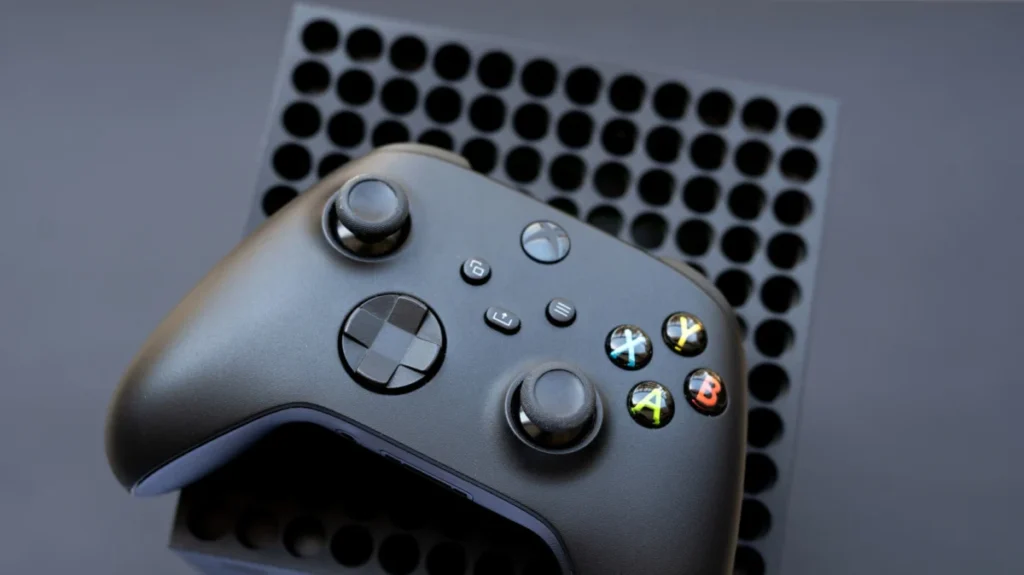
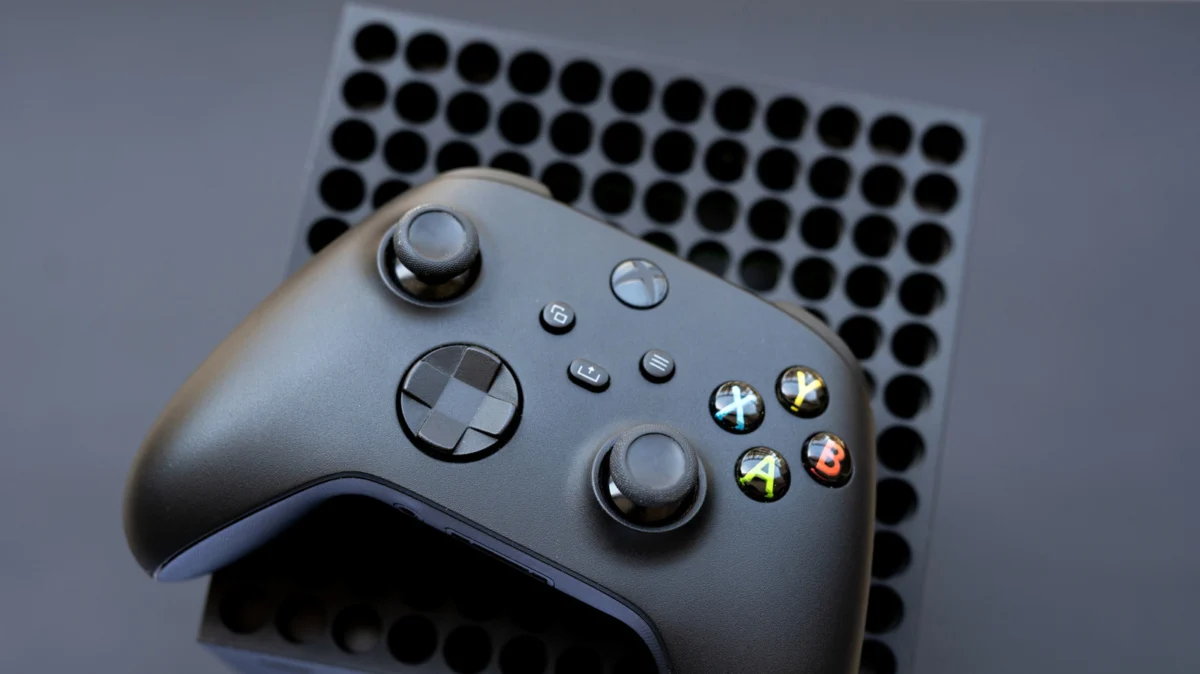
As the gaming industry stands at a technological crossroads, the conversation surrounding console longevity has shifted from mere hardware performance to long-term sustainability. Microsoft’s Xbox Series X, which launched in 2020, remains a powerhouse in the current market, yet questions regarding its "shelf life" have intensified. With rumors of the next-generation "Project Helix" circulating and economic pressures driving up the cost of silicon, gamers are increasingly concerned about how long their current investment will remain relevant.
The State of the Xbox Series X: A Performance Overview
Launched as the world’s most powerful console at the time, the Xbox Series X established a benchmark for 4K gaming and high-fidelity performance. Unlike the incremental updates seen in the smartphone industry, game consoles operate on a cycle typically spanning seven to eight years. However, the Xbox Series X is proving to be a resilient piece of hardware.
Despite the recent discourse regarding an "all-digital" future—spurred by Microsoft’s initiatives to convert physical discs into digital licenses—the Series X retains a critical role in the ecosystem. It is not merely a box for playing games; it is the anchor for a massive library of backward-compatible titles. As high-profile releases like Grand Theft Auto VI loom on the horizon, the Series X continues to be the primary target platform for developers, ensuring that its utility remains high well into the mid-2020s.
Chronology of Support: Lessons from the Xbox One
To understand the future of the Series X, one must look at the precedent set by its predecessor, the Xbox One. Released in 2013, the Xbox One has received remarkably long-term support. Even in 2026, the console continues to receive firmware updates, system stability patches, and access to cloud-based gaming services.
Key Milestones in Xbox Support Cycles:
- 2013: Launch of the Xbox One, establishing a new architecture for Microsoft’s console ecosystem.
- 2020: The launch of the Xbox Series X|S brings ray tracing and NVMe SSD storage to the mainstream, while maintaining compatibility with the previous generation.
- 2023–2024: Publishers begin to phase out physical media support for older consoles, though live-service titles like Fortnite and Apex Legends persist.
- 2026 and beyond: The Xbox One continues to receive security and software updates, suggesting a 13+ year support window for Microsoft consoles.
This trajectory suggests that the Xbox Series X will likely remain a viable gaming machine long after "Project Helix" (the presumed next-generation console) hits store shelves. If Microsoft maintains its current policy, Series X owners can expect full software support for at least a decade, with a gradual transition period where newer titles become exclusive to next-gen hardware.
Supporting Data: Economic Pressures and Hardware Resilience
The "AI boom" and global supply chain volatility have significantly altered the landscape of consumer electronics. Rising component costs have made next-gen consoles more expensive to produce, which creates a "longevity buffer" for existing hardware.
According to industry analysts, when next-gen consoles launch at premium price points, a large segment of the gaming population opts to stay on current-gen hardware. This market behavior forces developers and publishers to continue supporting the Series X longer than they might have in previous cycles. Data from third-party developers indicates that as long as the install base for the Series X remains in the tens of millions, it is economically unfeasible for major studios to abandon the platform entirely.
Official Responses and Strategic Shifts
Microsoft’s leadership, including key figures like Asha Sharma, has emphasized that the strategy for future hardware centers on "affordability and access." This approach is a direct response to the economic anxiety surrounding rising console prices. By focusing on a "cloud-first" and "cross-gen" ecosystem, Microsoft is effectively decoupling the game from the hardware.
When asked about the future of the Series X, official documentation suggests a focus on the "Xbox ecosystem" rather than the "Xbox box." This implies that while the Series X may eventually lose the ability to run the most graphically demanding native titles, it will likely gain a second life as a dedicated streaming device via Xbox Cloud Gaming, extending its usefulness far beyond the capabilities of its internal GPU.
Hardware Maintenance: How to Extend Your Console’s Life
Software support is irrelevant if the hardware fails. The Xbox Series X is physically robust, but like any high-performance machine, it is susceptible to thermal degradation and dust accumulation.
Proactive Maintenance Steps:
- Thermal Management: The Series X utilizes a sophisticated vapor chamber cooling system. To keep it optimal, the console should be placed in an open, well-ventilated area. Avoid placing it inside enclosed cabinets.
- Internal Cleaning: Dust buildup on the heatsink can lead to thermal throttling—where the console slows down to prevent overheating. Utilizing iFixit-approved cleaning guides to clear the internal fan and heatsink every 18 months can prevent catastrophic failure.
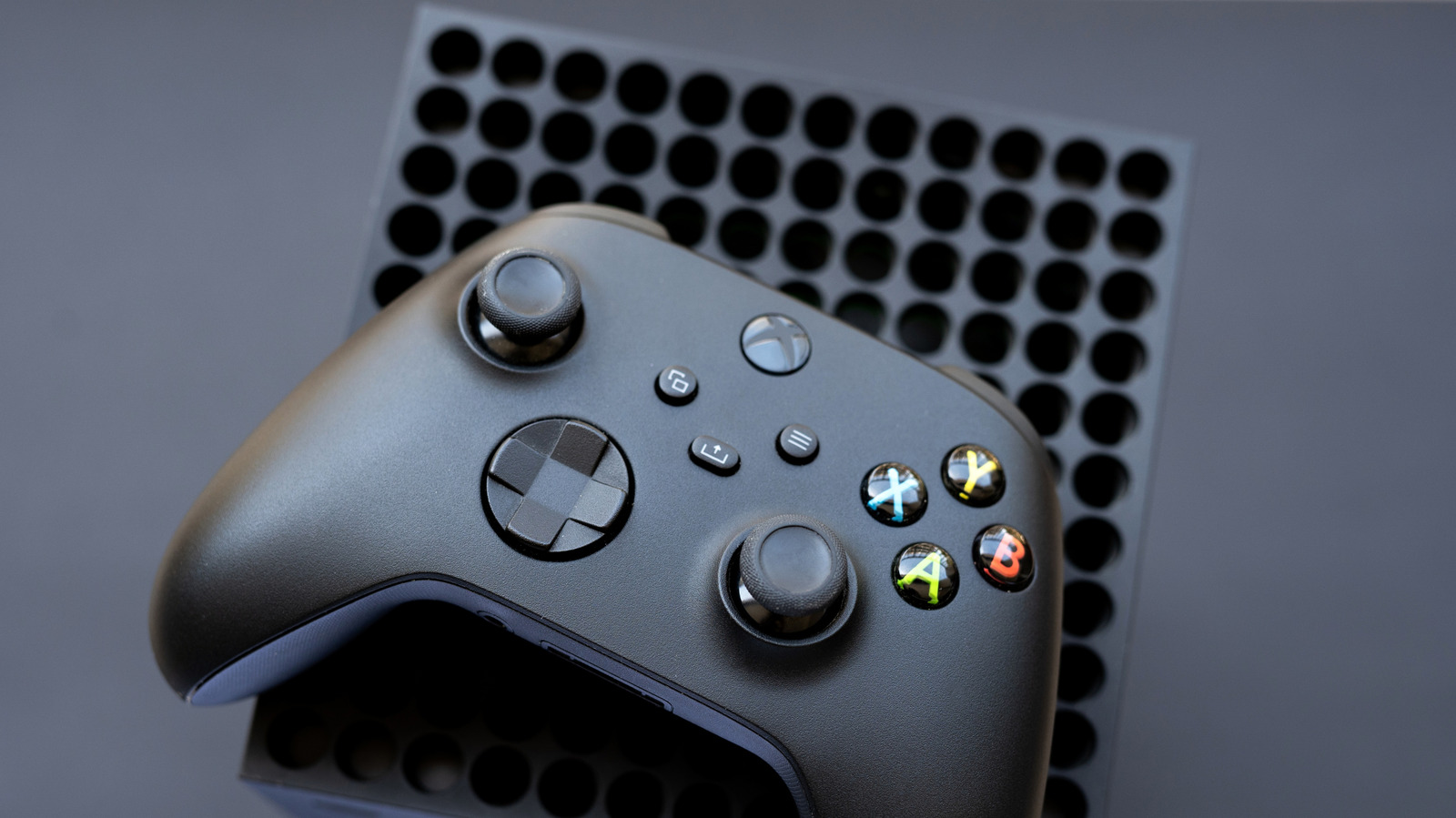
- Peripheral Care: Controller drift is a common point of failure. Microsoft recommends using a soft, lint-free cloth and a 70% isopropyl alcohol solution to keep buttons and joysticks free of debris.
Repairability and Third-Party Support
Microsoft has taken positive steps toward the "Right to Repair" movement by offering official replacement parts for certain components. The Series X is modular by design; the power supply unit (PSU) and the disc drive are accessible to those with basic technical proficiency. However, users should be aware of the "point of failure" components:
- HDMI Port: The most fragile part of the console. Always ensure the HDMI cable is not under tension to prevent motherboard stress.
- Disc Drive: Mechanical wear is inevitable. If the drive becomes noisy, it is often a sign that the laser assembly or motor is nearing the end of its life.
Implications for the Future of Gaming
The implications for the Xbox Series X are clear: we are entering an era where console "generations" are becoming blurred. The transition from the Series X to the next iteration of Xbox will likely be seamless, similar to the jump from the Xbox One to the Series X.
For the average consumer, this is a win. It means that the money invested in a Series X today is not "wasted" when the next console launches. Instead, the Series X will likely retain its value as a secondary console, a media center, or a streaming node.
In conclusion, the Xbox Series X is built for the long haul. Its combination of powerful architecture, Microsoft’s commitment to backward compatibility, and an increasingly repairable internal design ensures that it will remain a cornerstone of living room entertainment for years to come. While the allure of the "next big thing" is always present, the reality is that the current generation of hardware has more life left in it than at any other point in gaming history. Gamers can rest assured that their Series X is not just a passing trend, but a durable, long-term asset in their digital library.